This article contains advertising. Our booking links are routed through a partner that adds commission tracking automatically, so if you book through one we earn a commission from the provider, at no extra cost to you. It never affects what we recommend. Affiliate disclosure
Welcome to the most comprehensive Taipei travel guide you will find online — a single, evergreen resource built for first-time visitors and repeat travelers who want real, specific, up-to-date information on how to plan an unforgettable trip to Taiwan’s capital. No fluff, no filler, no affiliate listicles pretending to be advice. Just everything you actually need to know, organized in the order you need it.
Taipei is one of Asia’s most underrated cities. It is clean, safe, staggeringly delicious, easy to get around on a world-class metro, and friendly in a way that catches most visitors off guard. You can hike a subtropical mountain at breakfast, eat the best dumplings of your life at lunch, soak in a natural hot spring at dusk, and still make it to a night market for grilled squid and fresh mango shaved ice before midnight. Few cities pack that much range into a single day.
This guide walks you through every decision — when to go, how to get there, how to get around, where to stay, what to eat, what to see, how much it all costs, and how to avoid the mistakes most first-timers make. For any topic with its own deep-dive article on this site, we link you straight to it so you can go as deep as you want without drowning in one enormous page.

Why Visit Taipei?
Taipei sits in a green basin ringed by mountains, threaded by two rivers, and topped by a 508-meter skyscraper that was the world’s tallest for six years. It is the capital of Taiwan, a self-governing democracy of about 23 million people with one of the highest standards of living and lowest crime rates in Asia. For a traveler, that combination matters: you get the food, temples, and street-level chaos of East Asia without any of the friction that sometimes comes with it.
Five things make Taipei genuinely special, in ways that are hard to appreciate until you arrive:
- The food is world-class and staggeringly cheap. Taipei is the birthplace of bubble tea and home to soup dumplings that made Din Tai Fung a global name. Night market noodles cost USD 3. A Michelin-starred meal costs USD 40. The floor is higher than almost anywhere else in the world.
- It is the safest big city in Asia. Violent crime is extremely rare, petty theft is uncommon, and solo female travelers consistently report Taipei as one of the most comfortable capitals they have visited.
- The public transport is a dream. The Taipei MRT is clean, punctual, English-signed, and connects nearly every place a tourist wants to go. One tap of an EasyCard and you are on your way.
- Nature is fifteen minutes from Taipei 101. Elephant Mountain, Yangmingshan National Park, Beitou Hot Springs, and the Maokong tea plantations are all within the city limits — no car required.
- It is shockingly affordable. A comfortable trip runs USD 90–150 per day. A backpacker trip runs USD 50. Even a luxury trip is a fraction of what the equivalent costs in Tokyo or Hong Kong.
If you are still deciding whether Taipei deserves a spot on your itinerary — it does. Keep reading and by the end of this guide you will know exactly how to do it.
Best Time to Visit Taipei
Taipei has a humid subtropical climate, which is a polite way of saying it is hot and wet in summer, pleasant in autumn, cool and damp in winter, and cherry-blossomed in spring. Choose your travel window carefully — the difference between “perfect” and “miserable” in Taipei is bigger than most travelers expect.
The short answer: October to early December and March to April are the best months. The weather is dry, mild, and low-humidity. Crowds are manageable. Flights are often cheaper than the summer peak. If you can only travel in those windows, do.
Here is the month-by-month breakdown:
- January: Cool (12–18°C / 54–64°F), damp, occasional rain. Lunar New Year usually falls late January or early February — many shops and restaurants close for 3–5 days during the holiday, so check dates before booking.
- February: Similar to January. Cherry blossoms begin in late February on Yangmingshan. Chilly evenings.
- March: Excellent. Spring arrives. 15–22°C / 59–72°F. Cherry blossom peak around mid-March. Low humidity.
- April: Warm and lovely (19–25°C / 66–77°F). Some spring showers, but generally dry.
- May: Warming fast. Humidity climbing. Plum rains arrive late in the month.
- June: Hot, humid, and wet. Avoid if you hate sticky heat.
- July: The hottest month — routinely 34°C / 93°F with brutal humidity. Typhoon season begins.
- August: Peak typhoon season. Expect at least one major storm to disrupt travel. Also oppressively hot.
- September: Still typhoon-prone but cooling down. Better than August.
- October: The best month, full stop. 22–28°C / 72–82°F, dry, blue skies.
- November: Gorgeous. Cool and crisp. Coffee-shop weather.
- December: Cool (14–20°C / 57–68°F), occasional rain, spectacular Christmas lights in Xinyi. Hot springs are glorious.
If you are deciding between two specific months, our month-by-month deep dive on the best time to visit Taipei covers festivals, rainfall, crowd patterns, and price impacts in far more detail.
How Many Days in Taipei Do You Need?
The most common planning mistake we see is travelers giving Taipei either too little time (48 hours as a “stopover”) or spending a full week in the city when a few of those days should be day trips or a jump south to Tainan or Taroko Gorge.
Here is the honest answer, by traveler type:
- Minimum to “get it”: 3 full days. You can cover Taipei 101, Elephant Mountain, Longshan Temple, a night market, a food tour, and either Beitou or Jiufen. Tight but doable.
- Sweet spot: 5 days. Adds time for a day trip to Jiufen/Shifen, a morning in Beitou hot springs, the National Palace Museum, and deeper food exploration. This is what we recommend for most first-timers.
- Deep dive: 7 days. Add Yangmingshan hiking, Maokong Gondola for tea, a cooking class, and a slower pace overall. Past 7 days, seriously consider adding Tainan or Taroko.
- Stopover: 24–48 hours. Do-able but tight. Hit Taipei 101, one night market, and one temple. Skip museums.
If you are still on the fence, read our detailed breakdown of how many days in Taipei you actually need — it walks through the decision based on your pace, interests, and whether you are combining the trip with other destinations.
How to Get to Taipei
The Two Airports
Taipei is served by two airports, and which one you fly into changes your arrival experience:
- Taoyuan International Airport (TPE) is the main international hub, 40 km west of the city. Almost all long-haul flights from North America, Europe, Australia, and most of Asia land here.
- Songshan Airport (TSA) is the small downtown airport. It only handles short-haul flights from Tokyo (Haneda), Seoul (Gimpo), Shanghai, and a few other regional cities. If you can fly into Songshan, do — it is a 10-minute taxi ride to most hotels.
Getting from Taoyuan Airport to Taipei
Four options, ranked:
- Airport MRT (best for most travelers): NT$150 (~USD 5) to Taipei Main Station. Takes 36 minutes on the express, 50 on the commuter. Runs roughly 6am–midnight. Clean, reliable, English signage everywhere.
- Taxi: NT$1,200–1,400 (~USD 40–45) to most hotels. Takes 45–60 minutes depending on traffic. Worth it if you arrive late at night or have heavy luggage.
- Bus (Kuo-Kuang 1819): NT$140 to Taipei Main Station. Cheap but slower than the MRT and less comfortable with luggage.
- Private transfer: ~USD 45–60 pre-booked. Useful for families or early/late arrivals.
Full breakdown in our Taoyuan Airport to Taipei guide.
Do You Need a Visa for Taiwan?
Great news for most readers: you probably do not. Taiwan offers generous visa-free entry to passport holders from most developed countries.
- 90 days visa-free: United States, Canada, United Kingdom, Australia, New Zealand, Japan, South Korea, Singapore, Malaysia, most of the EU and Schengen area.
- 30 days visa-free: Philippines, Thailand, Vietnam, Brunei (conditions apply).
- eVisa or visa required: Most other nationalities. Apply online through the Bureau of Consular Affairs.
You will need a passport valid for at least six months beyond your arrival, proof of onward travel (a return ticket), and sometimes evidence of accommodation. Visa rules change — always confirm with Taiwan’s Bureau of Consular Affairs or your local Taiwan representative office before booking. Our full Taiwan visa requirements guide walks through every nationality and edge case.
Getting Around Taipei
Taipei’s public transport is one of the genuine pleasures of visiting. You will almost never need a taxi and definitely do not need a rental car.
The MRT (Metro)
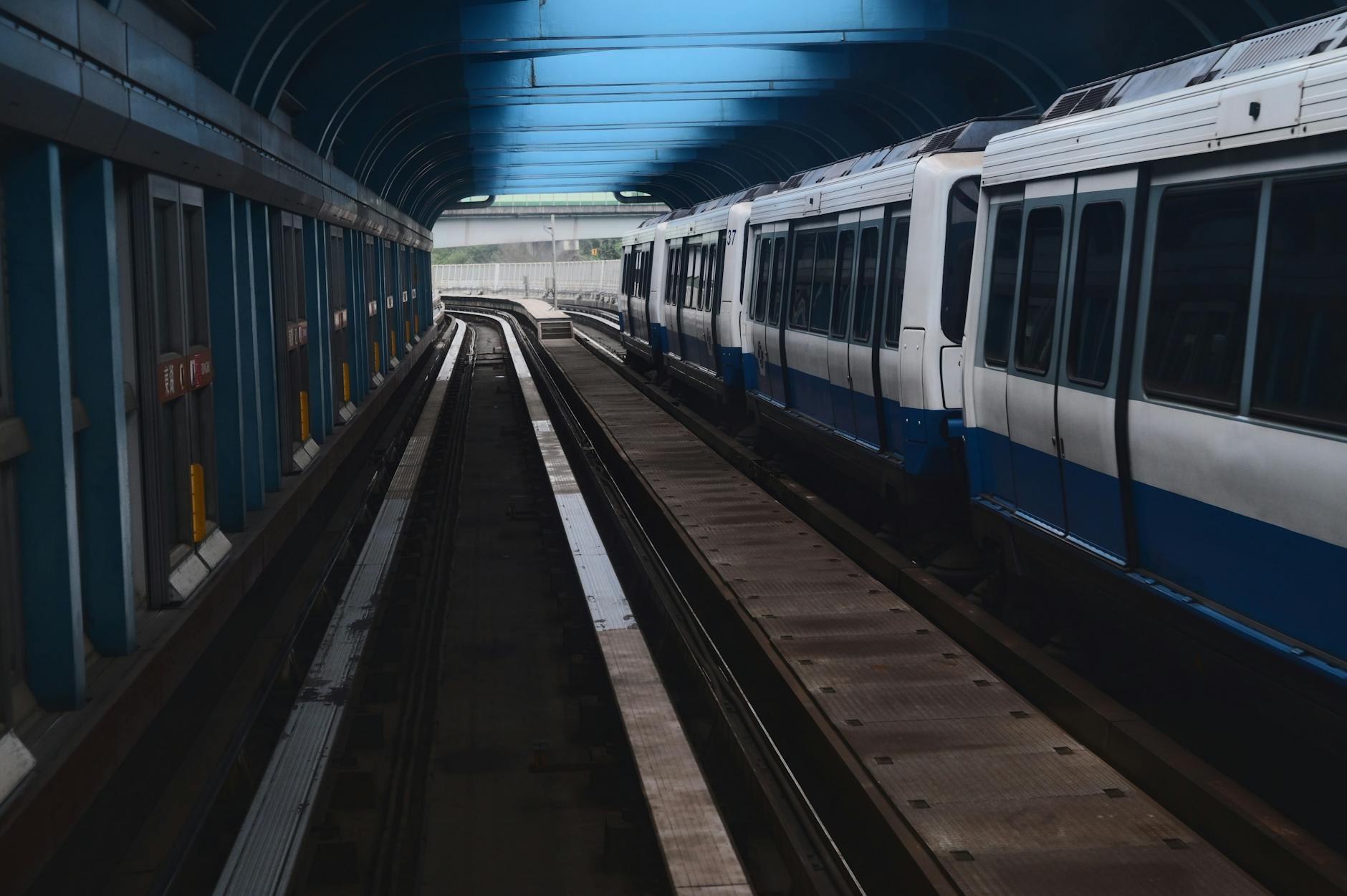
The Taipei MRT has six main lines, runs 6am to midnight, and is cheap, clean, punctual, and entirely English-signed. Fares are NT$20–65 (~USD 0.65–2.10) per ride. Trains come every 2–6 minutes. Eating and drinking are not permitted on the system, which is why it is spotless.
The EasyCard
Buy an EasyCard the moment you land. It is a rechargeable tap card that works on the MRT, buses, YouBikes, convenience stores, many taxis, and even some vending machines. Cost is NT$100 for the card plus whatever you load (start with NT$500). Pick one up at any MRT station or 7-Eleven. Discussion of every nuance lives in our EasyCard guide.
YouBike
Taipei has thousands of YouBike stations scattered around the city. The first 30 minutes of most rides cost NT$5–10. Register once with your EasyCard and your phone number and you are ready to go. Perfect for riverside rides along the Tamsui or the Xindian.
Taxis and Ride-Hailing
Taxis are metered, plentiful, and cheap by Western standards (starting fare NT$85, typical ride NT$150–300). Uber works but is essentially the same price as a regular taxi. Language can be a barrier — keep your destination’s Chinese name written down or drop a pin in Google Maps.
Full breakdown in our Taipei transportation guide, plus dedicated articles on the MRT system and Taipei taxis.
Where to Stay in Taipei: Best Neighborhoods
Taipei is big but well-connected — almost any neighborhood on an MRT line is a reasonable base. Still, some areas are better suited to tourists than others.
- Ximending — Taipei’s buzziest district and the closest thing to Tokyo’s Shibuya. Neon signs, streetwear shops, late-night ramen. Best for first-timers and solo travelers who want constant energy.
- Xinyi (Taipei 101 area) — Modern, polished, home to Taipei 101 and the city’s best luxury hotels. Slightly sterile during the day, lively at night. Best for luxury travelers and couples.
- Zhongshan — Central, stylish, excellent restaurants. A mix of boutique hotels and international brands. The Goldilocks choice for many travelers.
- Da’an — Residential, leafy, full of cafes and Yongkang Street’s food scene. Best for slow travelers and repeat visitors.
- Datong / Dadaocheng — The historic old quarter. Walkable, atmospheric, excellent for food and temples. Fewer hotels but some stunning boutique properties.
- Zhongzheng (near Taipei Main Station) — Convenient for arrivals and day trips on the high-speed rail, but the immediate area is less atmospheric. Fine for short stays.
Avoid Neihu and most residential districts east of Xinyi — they are perfectly safe but inconvenient for sightseeing. Our complete guide to where to stay in Taipei compares every major neighborhood in detail, and we have dedicated deep-dives on Ximending, Xinyi, Zhongshan, and Da’an.
Things to Do in Taipei: Top Attractions
Here are the must-do experiences for a first-time visit, grouped roughly by category. For the full list, see our things to do in Taipei pillar.
Iconic Landmarks
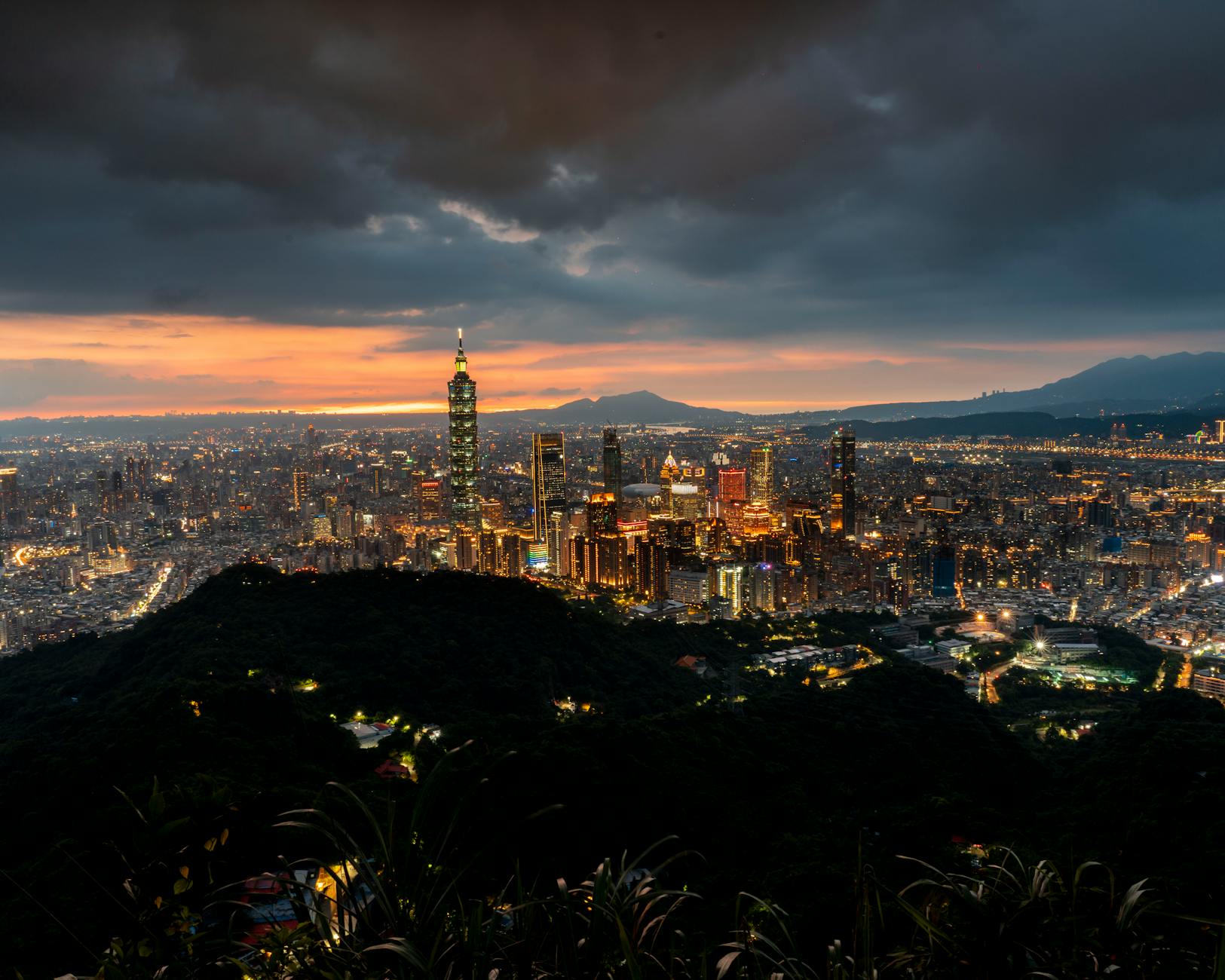
- Taipei 101 — The tallest building in Taiwan, a former world-champion, and still the skyline’s defining silhouette. Ride the world’s fastest elevator to the 89th-floor observatory (NT$600, ~USD 20) for 360-degree views. Go at sunset for the best combination of daylight and night skyline. Full details in our Taipei 101 observatory guide.
- Chiang Kai-shek Memorial Hall — A vast white marble complex with a striking blue roof, flanked by the National Theater and National Concert Hall. The changing of the guard on the hour is genuinely impressive. Free to enter. See our complete visitor guide.
- Longshan Temple — Taipei’s most famous temple, founded in 1738 and rebuilt multiple times. Incense-drenched, spiritually alive, and breathtaking at dusk. Free. Etiquette tips in our Longshan Temple guide.

Nature and Hikes
- Elephant Mountain (Xiangshan) — The 20-minute hike every visitor posts to Instagram. A stone staircase leads to a series of viewpoints with Taipei 101 dead center. Go at sunset, stay for blue hour. Full route in our Elephant Mountain guide.
- Yangmingshan National Park — A volcanic subtropical park 30 minutes from downtown. Hot springs, cherry blossoms in spring, calla lilies in April, silvergrass in autumn. More in our Yangmingshan guide.
- Beitou Hot Springs — A quick MRT ride to a historic hot spring town with public pools, luxury ryokan-style hotels, and a thermal valley that steams like a small hell. Guide: Beitou hot springs.
- Maokong Gondola — A scenic cable car ride to the hillside tea plantations above Taipei Zoo. Stop for oolong and a sunset city view. Details in our Maokong gondola guide.

Museums and Culture
- National Palace Museum — One of the greatest collections of Chinese art in the world, home to the famous jadeite cabbage and the meat-shaped stone. Plan 2–3 hours. Guide: National Palace Museum.
- Bopiliao Historic Block — A restored Qing-dynasty alley near Longshan Temple, genuinely atmospheric and free.
- Dadaocheng (Dihua Street) — The historic trading quarter for tea, herbs, and dried goods. Beautiful old shophouse architecture.
For a complete list including free attractions, rainy-day options, and local favorites, see the things to do in Taipei pillar, free Taipei attractions, and rainy day activities in Taipei.
Taipei Food: What You Absolutely Must Eat
Taipei’s food scene is the single best reason to visit, and unlike many famous food cities, it is democratic: the best meals are often the cheapest. Here is the short list every first-timer should work through.
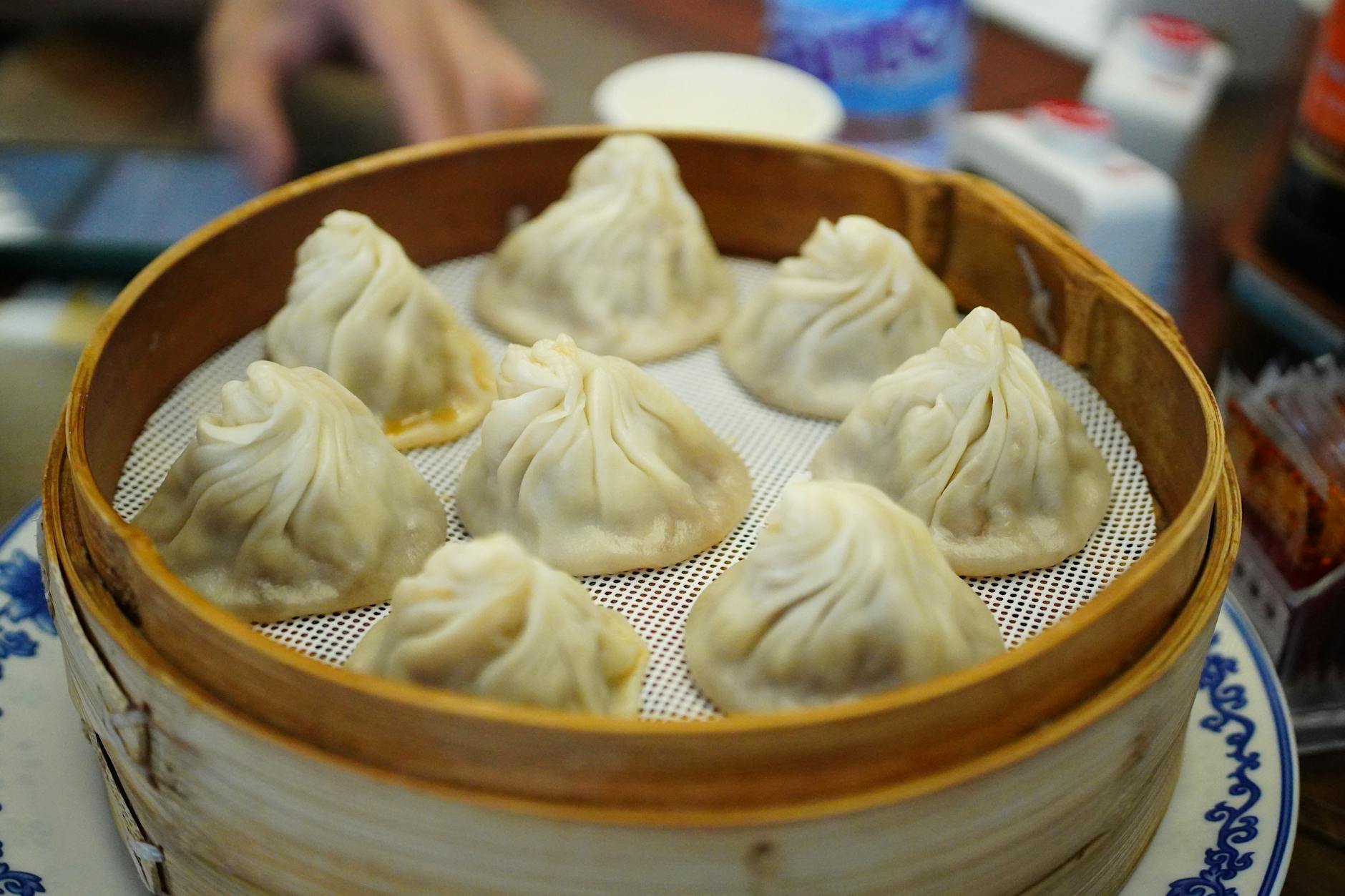
- Xiao long bao (soup dumplings) — Din Tai Fung invented the modern version and still does it best, but dozens of smaller shops across the city are equally good. See our Taipei dumpling guide.
- Beef noodle soup — The unofficial national dish. Rich, spiced beef broth, tender shank, hand-pulled noodles. Every local has a favorite shop. Ours are in this ranked guide.
- Lu rou fan (braised pork rice) — Comfort food in its purest form. A bowl of rice topped with soy-braised minced pork. NT$30–50. Find it at any rice shop.
- Stinky tofu — Exactly what it sounds like. Fermented tofu, fried or stewed, served with pickled cabbage. Love it or never try it. Where to try it.
- Oyster omelette — A night-market classic. Small oysters, sweet potato starch, egg, leafy greens, and a sweet-savory sauce.
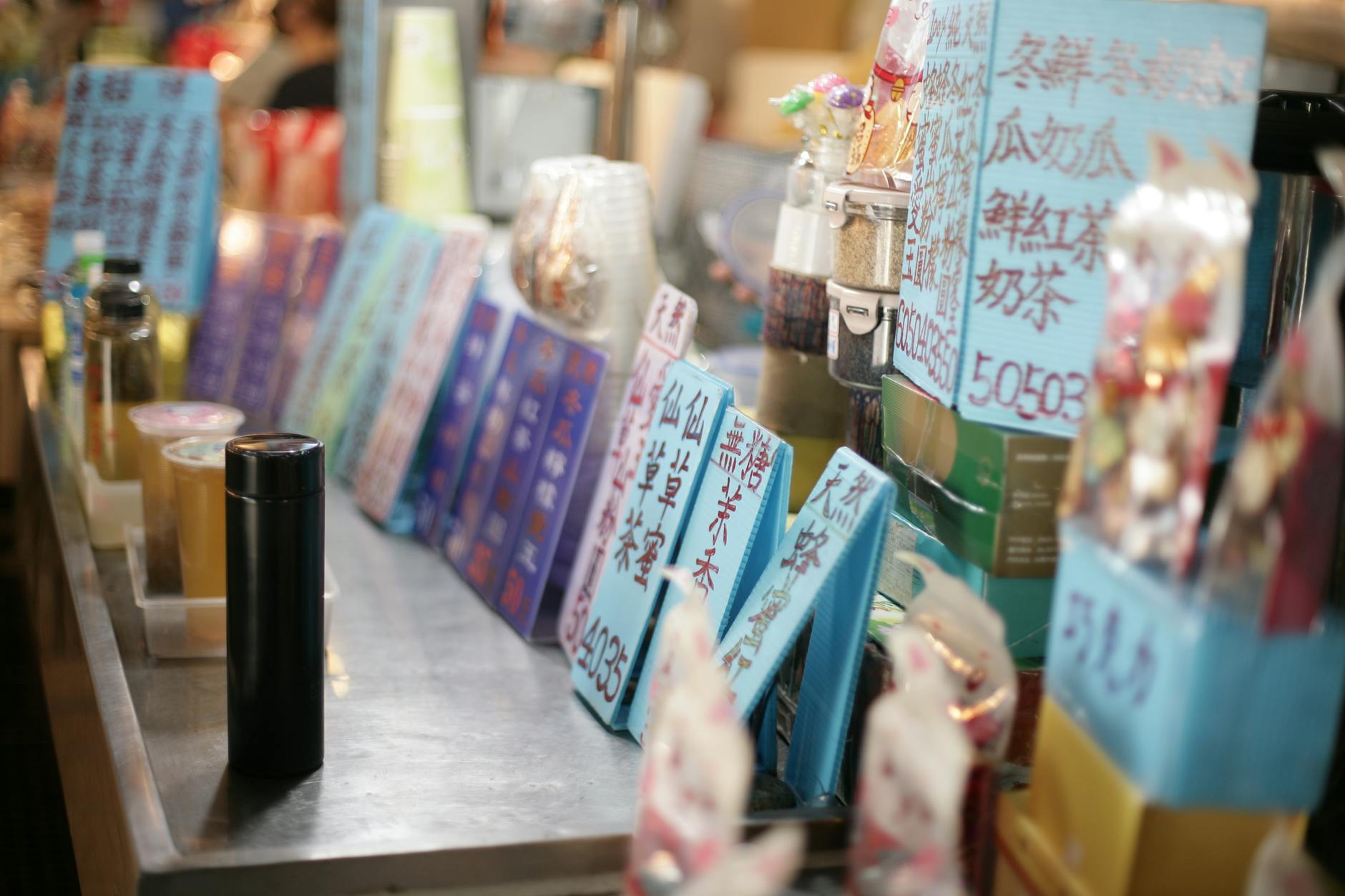
- Bubble tea — Taipei is the birthplace. Try the original at Chun Shui Tang in Taichung if you venture south, or at any of the countless shops in the capital. Our bubble tea guide names the best.
- Mango shaved ice — In mango season (May–September), this is non-negotiable. Huge mountains of shaved ice topped with fresh mango, condensed milk, and sometimes a scoop of mango ice cream.
- Pineapple cakes — The iconic edible souvenir. See our best pineapple cakes guide.
The full pillar lives at Taipei food guide, with dedicated articles on breakfast culture, vegetarian options, coffee and cafes, and Michelin-starred dining.

Taipei Night Markets
If you do one thing in Taipei, make it a night market. They are the beating heart of the local food scene and the single best value meal you will ever eat.
The five most famous night markets — Shilin, Raohe, Ningxia, Tonghua (Linjiang), and Nanjichang — are all worth visiting, and each has a distinct personality:
- Shilin — The biggest, most famous, most touristy. Great for first-timers. Our Shilin guide has the full map.
- Raohe — Smaller, more focused, better food quality on average. Many locals’ favorite. Guide: Raohe.
- Ningxia — Old-school, compact, famous for traditional Taiwanese dishes. Ningxia guide.
- Tonghua (Linjiang) — A locals’ market near Taipei 101, easy to combine with Xinyi sightseeing. Full guide.
- Nanjichang — A hidden alley market with some of Taipei’s best hole-in-the-wall food. Nanjichang guide.
Plan on 2–3 hours per market and come hungry. Bring cash — most stalls do not take cards. Full pillar: Taipei night markets. Don’t-miss dishes: 20 must-try night market foods.

Day Trips from Taipei
One of Taipei’s greatest strengths is the density of incredible day-trip destinations within an hour or two of the city. If you have more than three days, plan at least one.
- Jiufen — The lantern-lit hillside town often credited as the inspiration for Miyazaki’s Spirited Away. Dramatic ocean views, atmospheric tea houses, narrow stone-paved alleys. Crowded at weekends. Full itinerary in our Jiufen day trip guide.
- Shifen — Famous for its sky lanterns and the small waterfall. Often combined with Jiufen. Shifen guide.
- Pingxi Sky Lantern Festival — If you are in Taiwan during Lunar New Year, this is one of the most spectacular festivals in Asia. Festival guide.
- Tamsui — A harbor town at the end of the Red Line with famous sunsets. Tamsui day trip.
- Yehliu Geopark — Coastal rock formations on the north coast, most famously the Queen’s Head. Yehliu guide.
- Wulai — Indigenous Atayal village with hot springs and a waterfall. Wulai guide.
- Houtong Cat Village — A former coal mining town now famous for its hundreds of street cats. Cute but niche. Houtong guide.

If you are considering Taroko Gorge on the east coast — yes, it is spectacular, and no, it is not a comfortable day trip from Taipei. It is a 2.5-hour train ride each way and Taroko itself was hit by a major earthquake in April 2024, with some sections still closed at the time of writing. Overnight is far better. Details: Taroko Gorge from Taipei.
Our complete pillar is at day trips from Taipei.
Taipei Travel Costs: What to Actually Budget
Taipei is one of the best-value major cities in developed Asia. Here is a realistic breakdown by traveler type, in USD, for a single traveler per day (double occupancy hotel costs roughly split in half for couples):
- Backpacker: USD 45–65/day. Hostel dorm (USD 20), night market meals (USD 10), MRT (USD 5), attractions and coffee (USD 10–20).
- Mid-range: USD 100–150/day. 3-star hotel (USD 60), mixed dining (USD 30), transport (USD 5), attractions and coffee (USD 20–30). This is what most first-timers spend.
- Upper mid-range: USD 200–300/day. 4-star hotel (USD 130), nicer restaurants and a Michelin meal or two, the occasional taxi.
- Luxury: USD 450+/day. 5-star hotels like the Mandarin Oriental, Grand Hyatt, or W Taipei easily run USD 300+/night. Michelin meals USD 80+.
Your single biggest variable is the hotel. Food, transport, and attractions rarely blow a budget in Taipei — rooms do. Book early for October, during Lunar New Year, and on weekends.
Our deep dives: real Taipei travel costs and how to travel Taipei on under USD 50 a day.
Sample Taipei Itineraries
Rather than guess at your interests, here are the bones of three itineraries. Full day-by-day breakdowns live in their respective guides.
3 Days in Taipei (The Greatest Hits)
- Day 1: Longshan Temple → Bopiliao → Ximending → Raohe Night Market → Elephant Mountain for sunset.
- Day 2: National Palace Museum → lunch in Shilin → Beitou Hot Springs (afternoon) → Shilin Night Market.
- Day 3: Chiang Kai-shek Memorial Hall → Yongkang Street food crawl → Taipei 101 observatory at sunset.
Full: 3-day Taipei itinerary.
5 Days in Taipei (The Sweet Spot)
Do the 3-day itinerary, then add:
- Day 4: Jiufen and Shifen day trip.
- Day 5: Maokong Gondola → Dadaocheng walk → Ningxia Night Market.
Full: 5-day Taipei itinerary.
7 Days in Taipei (The Deep Dive)
Do the 5-day itinerary, then add a Yangmingshan hiking day, a dedicated food tour or cooking class, and one unstructured day for cafes, shopping, or a second night market.
Full: 7-day Taipei itinerary.
Taipei Culture, Language, and Etiquette
Taipei is one of the most traveler-friendly cities in Asia, but a little cultural awareness goes a long way.
Language
Mandarin Chinese is the official language. Taiwanese Hokkien is widely spoken by older residents. English is common in hotels, major restaurants, and tourist-facing signage, but do not assume it in taxis, night markets, or small shops. A handful of Mandarin phrases — nǐ hǎo (hello), xièxiè (thank you), duōshǎo qián (how much) — will earn you visible goodwill. Our Mandarin phrases for Taipei travelers has the essentials phonetically.
Etiquette Basics
- No tipping. Tipping is not customary in Taiwan. Restaurants already add a 10% service charge. Leaving extra can actually confuse the staff. Full guide: Tipping in Taipei.
- Remove shoes in some settings. In traditional homes, some temples, and many ryokan-style inns in Beitou, shoes come off. Look for a rack at the door.
- Queue culture. Taiwanese are patient and orderly. Join queues; do not cut.
- Don’t stick chopsticks upright in rice. It resembles funerary incense.
- Quiet on the MRT. Eating, drinking, and loud phone calls are all frowned upon or prohibited.

Temples
Taipei has hundreds of active temples. Visitors are welcome at almost all of them. The etiquette: enter through side doors (not the central door, which is reserved for deities), do not point at statues, do not photograph actively praying worshippers, and dress modestly (shoulders and knees covered if you can). Full guide: best temples in Taipei.
Festivals
If your trip overlaps a major festival, lean into it. The biggest ones:
- Lunar New Year (late January or February) — Taipei largely shuts down for 3–5 days, but the Lantern Festival at the end of the holiday is spectacular. Lunar New Year guide.
- Pingxi Sky Lantern Festival — Concurrent with late Lunar New Year. Thousands of lanterns released into the sky.
- Dragon Boat Festival (May/June) — Races on the Keelung River. Dragon Boat Festival guide.
- Mid-Autumn Festival (September) — Mooncakes, outdoor BBQs, full moon. Mid-Autumn guide.
- Taiwan Pride (last Saturday of October) — Asia’s largest Pride parade, centered on Ketagalan Boulevard.
The full calendar is in our Taipei festivals calendar.
Is Taipei Safe?
Extremely. Taipei is consistently ranked among the safest major cities in the world. Violent crime against tourists is very rare. Petty theft is uncommon by big-city standards. Solo female travelers consistently rate Taipei as one of the most comfortable capitals in Asia.
The realistic risks are:
- Typhoons (July–October). Flights get cancelled, trails close, occasional flooding. Monitor forecasts.
- Earthquakes. Taiwan sits on an active fault. Most quakes are minor, buildings are engineered for them, but a large one is possible. Know the drop-cover-hold-on drill.
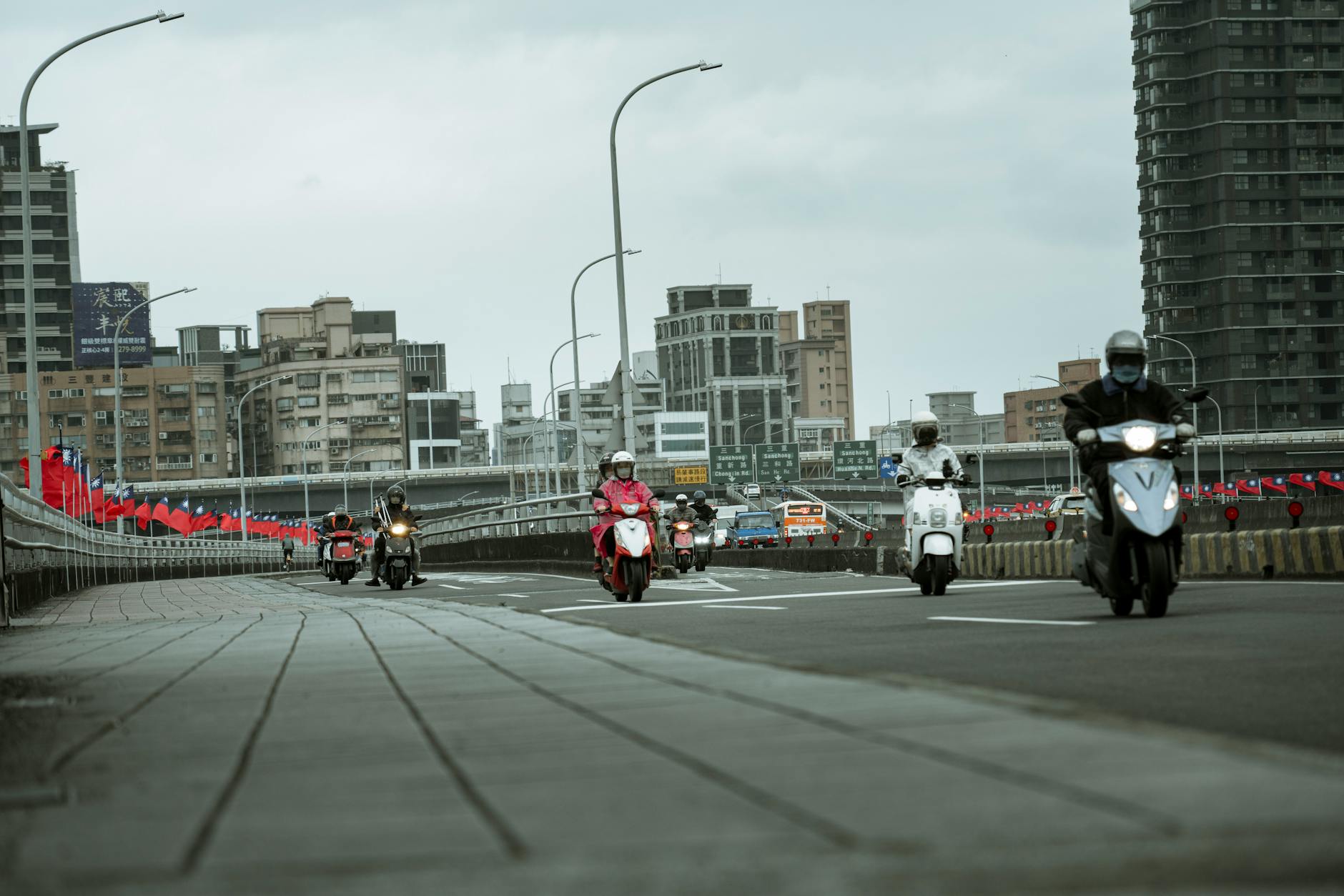
- Scooter traffic. Hundreds of scooters pour out of every alley. Look both ways on any crossing, including one-way streets.
- Occasional scams. Rare. Mostly taxi meter avoidance — insist on the meter (“da biao”).
Full risk breakdown: Is Taipei safe for tourists?
What to Pack for Taipei
Taipei is a subtropical city, so pack light, breathable layers and always a compact umbrella. A few season-specific notes:
- Year-round: compact travel umbrella, sunscreen, reusable water bottle, comfortable walking shoes (you will walk 15,000+ steps most days), power adapter (Taiwan uses Type A/B plugs, same as the US).
- Summer (May–September): linen/cotton clothing, quick-dry shirt, sandals for hot days, a light layer for blast-cold air conditioning.
- Winter (December–February): a warm sweater, a light rain jacket or shell, one heavier layer. Indoor heating is minimal, so cozy layers matter.
- For hikes and day trips: sturdy shoes, rain shell, small daypack.
- For night markets: cash, appetite, and wet wipes.
Our full 50 Taipei travel tips article covers everything from SIM cards to ATM tricks to how to read a bus route.
Money, SIM Cards, and Practical Logistics
Money
The currency is the New Taiwan Dollar (NT$ or TWD). Rough exchange rate at the time of writing: USD 1 ≈ NT$32. Cards are widely accepted at hotels, chain restaurants, and department stores, but you will still need cash for night markets, smaller shops, and most taxis. ATMs are everywhere — 7-Eleven and FamilyMart ATMs work with most international cards with no local surcharge.
SIM Cards and WiFi
Pick up a Taiwan SIM at the airport on arrival — Chunghwa Telecom, Taiwan Mobile, and Far EasTone all have airport counters. A 10-day unlimited-data SIM runs ~USD 20. If your phone supports eSIMs, providers like Airalo and Holafly work well. Free public WiFi (“iTaiwan”) is available at major transit hubs but is slow and sometimes requires registration.
Power
Taiwan uses 110V/60Hz, with Type A and Type B plugs (the same as the United States and Japan). North American devices work without adapters. UK, EU, and Australian travelers will need adapters.
Tap Water
Technically safe after boiling, but most locals drink filtered or bottled water. Hotels and convenience stores stock inexpensive bottled water. Refill stations are common at MRT stations if you carry a reusable bottle.
Frequently Asked Questions
Is Taipei worth visiting?
Yes. Taipei packs world-class food, safe streets, excellent public transport, lush subtropical nature, and a welcoming culture into one of Asia’s most affordable capitals. Even travelers who come “just to transit” often rebook to stay longer.
How many days in Taipei is enough?
Three days covers the highlights. Five days is the sweet spot for first-timers and lets you add a day trip to Jiufen plus Beitou hot springs. Seven days allows a much deeper exploration with space for Yangmingshan hiking and the Maokong tea plantations.
What language do they speak in Taipei?
Mandarin Chinese is the official language, with Taiwanese Hokkien common among older residents. English is widely understood in tourist-facing businesses and on signage, but less so in night markets, older taxis, and small shops.
Is Taipei expensive?
Not by the standards of major developed-Asia capitals. A comfortable mid-range trip runs USD 100–150 per day, backpackers can easily travel on under USD 60, and even luxury is cheaper than the equivalent in Tokyo, Seoul, or Singapore.
Do I need cash in Taipei?
Yes, especially for night markets, small restaurants, and some taxis. Cards work in hotels, department stores, chain restaurants, and many convenience stores. Plan to carry at least NT$1,000 (~USD 32) in cash per day.
When is typhoon season in Taipei?
July through October, with August typically the peak. Typhoons can cancel flights, close trails, and shut down the MRT temporarily. If you must travel in this window, build in buffer days. See our typhoon season guide.
Is Taipei good for solo travelers?
Yes — it is one of the best capitals in Asia for solo travel. Extremely safe, easy to navigate, friendly locals, and abundant hostels with social programs. Food is the only solo-unfriendly thing, as night markets reward group ordering.
Is Taipei walkable?
Yes, but with caveats. Central neighborhoods like Ximending, Da’an, and Zhongshan are very walkable. Scooter traffic pours out of every alley, so stay alert at crossings. Between neighborhoods, the MRT is faster and usually more pleasant than walking.
Can I see Taipei in 24 hours?
Barely. Hit Taipei 101 at sunset, do Elephant Mountain in blue hour, then Raohe Night Market for dinner. You will leave hungry for more, which is the point.
Is Taipei or Tokyo better for a first trip to Asia?
They are different experiences, not competitors. Tokyo is bigger, more polished, and significantly more expensive. Taipei is warmer, cheaper, and more intimate — the street life is more accessible. If budget or food are priorities, Taipei wins. If you want a larger-city spectacle, Tokyo wins.
Your Next Steps
You now have the full shape of a Taipei trip — when to go, how to get there, where to stay, what to eat, what to see, and how much it costs. The next move is to pick your travel dates, decide on a length, and start booking flights.
For deeper planning, pick the next article from the cluster that matches where you are in the process:
- Still deciding when? Start with best time to visit Taipei.
- Picked dates? Jump to the right itinerary: 3-day, 5-day, or 7-day.
- Booking a hotel? Read where to stay in Taipei.
- Budgeting the trip? Start with real Taipei travel costs.
- Ready to get excited about food? Head to the Taipei food guide and Taipei night markets.
Taipei has a way of hooking you. Most first-time visitors leave plotting a second trip before their flight has even boarded. Plan well, eat constantly, walk slowly, and let the city do the rest.
Taipei is excellent and it is also not representative. Ninety minutes south the climate changes, the food changes and the temples multiply; two hours east the mountains meet the Pacific and the population thins to almost nothing. If your trip has more than about five days in it, our hub on Taiwan beyond Taipei covers where to go next, how the trains really work, and the destinations we would not send you to right now.