This article contains advertising. Our booking links are routed through a partner that adds commission tracking automatically, so if you book through one we earn a commission from the provider, at no extra cost to you. It never affects what we recommend. Affiliate disclosure
If Ximending is Taipei’s loud, neon-lit youth quarter and Xinyi is its polished business downtown, Zhongshan is the city’s most stylish middle-ground neighborhood. Wedged between the two, this central-northern district has quietly become Taipei’s most design-forward area — third-wave cafés on tree-lined streets, indie boutiques in restored Japanese-era buildings, vintage stores in the underground mall, and the historic Dihua Street shophouses just a few blocks west. Locals call Zhongshan “Taipei’s coolest neighborhood right now,” and the description is broadly accurate.
For travelers, Zhongshan District is one of the best mid-range neighborhoods to base from. Less hectic than Ximending, less expensive than Xinyi, and within 10–15 minutes by MRT to almost every other district. The wider area also packs serious cultural depth — the Museum of Contemporary Art, SPOT Taipei Film House (in the former US Embassy), the Yongle Indoor Market, the Dadaocheng Cisheng Temple, and the entire Dihua Street historic shopping district are all here.
This guide covers Zhongshan District for 2026: what to do, where to eat, where to stay, the surrounding Dihua / Dadaocheng historic area, and how to spend a full day in Taipei’s most design-rich neighborhood.

Zhongshan District at a Glance
- Location: Central-northern Taipei
- Get there: MRT Tamsui-Xinyi (Red) or Songshan-Xindian (Green) Line to Zhongshan Station, or Shuanglian Station
- Best for: Design cafés, boutique shopping, mid-range hotels, food, Dihua Street, Eslite Spectrum
- Hotels: NT$2,500–10,000/night, with strong mid-range options
- Time needed: Full day for a thorough visit
- Best day: Any day; Sunday for the Dihua flea market
- MRT lines: Red, Green, Orange and Brown all serve the district
- Airport link: Songshan Airport is 10–15 minutes away; Taipei Main Station is one stop
- Daily budget: NT$1,500–3,000 per person excluding accommodation
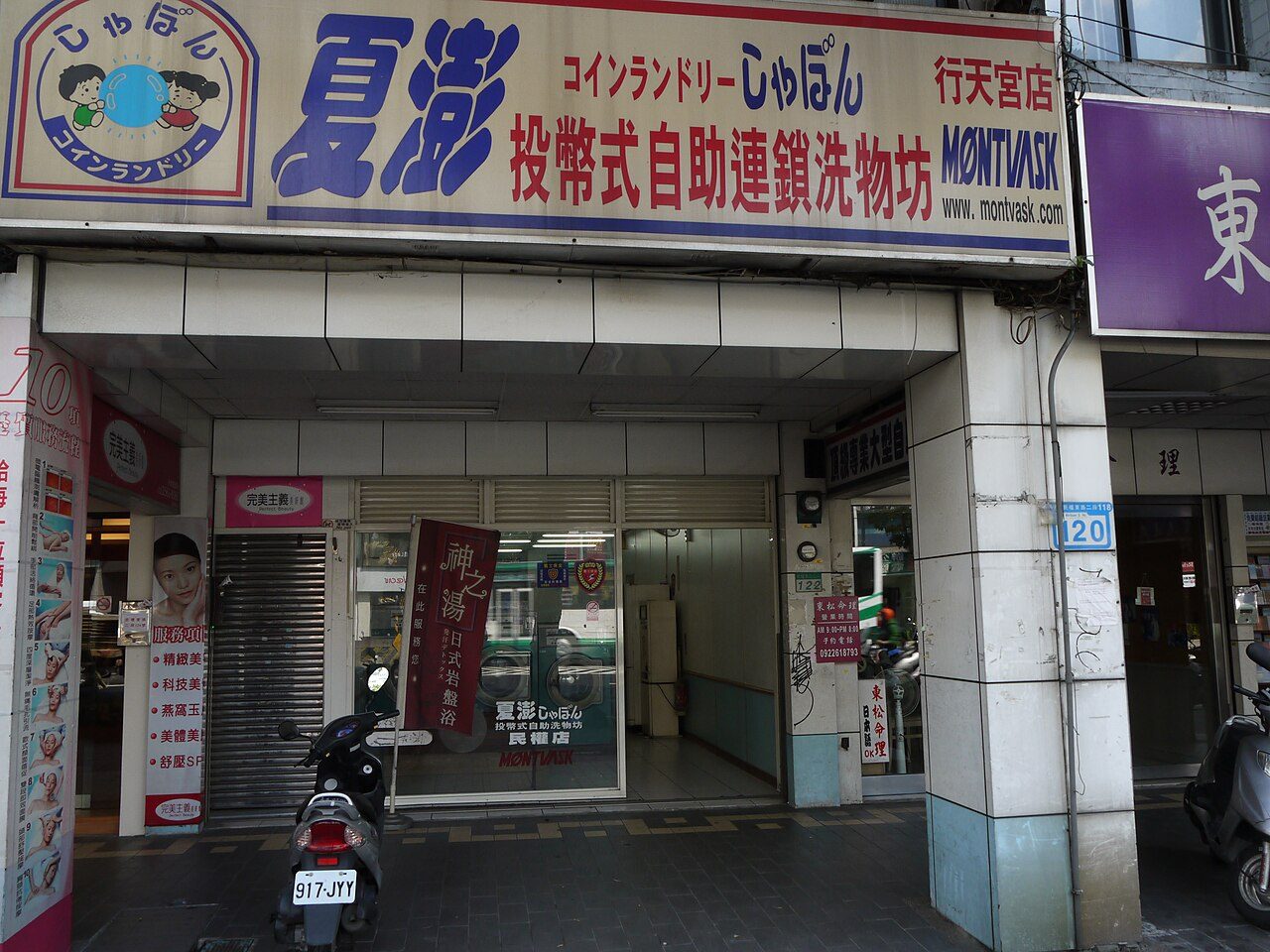
What Is Zhongshan District?
The Zhongshan District (中山區) is one of Taipei’s 12 administrative districts, covering central-northern Taipei. The district extends from Taipei Main Station north toward the Keelung River and Yuanshan area. Boundaries include the Civic Boulevard to the south, the Tamsui River to the west, and the Songshan District to the east.
Historically, Zhongshan was a Japanese-era residential and commercial district. Several Japanese-era buildings survived war and modernization and have been restored as cafés, boutiques, and small museums. The area’s modern identity began emerging in the late 2000s when independent design boutiques and third-wave coffee shops started opening, attracting younger Taiwanese and the design-curious. By 2020, Zhongshan had become widely recognized as Taipei’s most stylish neighborhood.
The Japanese layer is the key to understanding the district. Zhongshan North Road was laid out in the colonial period as the ceremonial approach to the Taiwan Grand Shrine at Yuanshan, and the streets either side became the smart residential quarter for Japanese officials and merchants. After 1945 the shrine went and the grid stayed. From the 1960s onward Japanese trading houses based their Taipei offices here, and the lanes off Linsen North Road filled with Japanese-style bars — several hundred at the peak, in an area still called Tiaotong (條通), once nicknamed the Ginza of Taiwan. That history is why so many Japanese hotel brands, izakaya, ramen counters and Japanese-language signs cluster in Zhongshan today.
The district contains some of Taipei’s most photogenic small streets, the city’s largest underground shopping mall, several major hotels, and direct walking access to the historic Dadaocheng / Dihua Street area to the west.
How to Get to Zhongshan District
The MRT serves the district through multiple stations. Fares run roughly NT$20–65 a trip and an EasyCard adds a small discount plus free bus transfers; our Taipei MRT guide covers the details, and timetables come from Taipei Rapid Transit Corporation.
- Zhongshan Station (Red + Green Lines): Central; the busiest stop. Direct access to Zhongshan Underground Mall, Chifeng Street and the Nanxi department stores. Exit 4 for Chifeng, Exit 1 for the malls.
- Shuanglian Station (Red Line): Northeastern Zhongshan; close to Ningxia Night Market and the Shuanglian morning market. Exit 1 is the useful one.
- Minquan W. Road Station (Orange + Red Lines): Northwest; close to Dadaocheng / Dihua Street and a cluster of Japanese business hotels.
- Songjiang Nanjing Station (Green + Orange Lines): Eastern Zhongshan; close to Miniatures Museum and the office district.
- Yuanshan Station (Red Line): The northern end — Taipei Expo Park, Maji Square and Taipei Fine Arts Museum, plus the Confucius and Bao’an temples a short walk west.
- Zhongshan Elementary School and Xingtian Temple Stations (Orange Line): Residential mid-Zhongshan; Xingtian Temple is one of the busiest working temples in the city.
- Zhongshan Junior High School Station (Brown Line): The eastern edge and the quickest hop to Songshan Airport.
From Taipei Main Station, Zhongshan Station is 5 minutes by Red Line — or a 10-minute walk entirely underground, which is the move in heavy rain. Songshan Airport is 10–15 minutes away, making Zhongshan the obvious base if you are flying domestically or to Tokyo Haneda. From Taoyuan International Airport, allow 70–85 minutes door to door.
Top Things to Do in Zhongshan District
1. SPOT Taipei Film House (光點台北)
Housed in the opulent former US Embassy building (where Richard Nixon stayed in the 1960s as Vice-President), SPOT is now a beautifully preserved film-and-coffee complex. The ground-floor café is a perfect afternoon stop; the upstairs theater shows independent and international films. The building itself is one of the most photogenic Japanese-era colonial structures in Taipei.
- Address: 18 Zhongshan North Road, Section 2
- Hours: Café 11 AM – 10 PM; theater times vary
- Cost: Café NT$200–400 per item; films NT$280–340
2. Dihua Street and Dadaocheng (迪化街)
The most beautifully preserved 19th-century commercial district in Taipei. A 700-meter street of restored shophouses now home to traditional dried-goods stores (jujubes, oolong tea, mushrooms, dried fish), Chinese herbal medicine shops, design boutiques, and the famous Cheng Huang Temple. Best in late afternoon and at golden hour.
- Get there: Minquan W. Road MRT or Daqiaotou MRT, then walk 5–10 minutes
- Best time: 3:00–6:00 PM
- Sunday flea market: Vintage and antique stalls along Dihua Street
3. Museum of Contemporary Art Taipei (MoCA Taipei, 台北當代藝術館)
Set in a beautifully preserved 1921 Japanese-era school building, MoCA Taipei hosts rotating contemporary art exhibitions. The building exterior alone is worth a photo, and it sits two minutes from Zhongshan Station. Details are on the museum’s own site.
- Hours: Tuesday–Sunday 10:00 AM – 6:00 PM, last tickets 5:30 PM; closed Mondays
- Admission: NT$100 adults, NT$50 concessions
4. Taipei Fine Arts Museum and Expo Park
At the northern end of Zhongshan North Road, Taipei Fine Arts Museum (台北市立美術館) is Taiwan’s first modern art museum and the district’s heavyweight cultural attraction. General admission is NT$30 — one of the best-value tickets in the city. It opens Tuesday to Sunday 9:30 AM – 5:30 PM, stays open until 8:30 PM on Saturdays, is closed Mondays, and is free after 5 PM on opening days; hours are confirmed on the museum’s official site.
The museum sits inside Taipei Expo Park, built for the 2010 International Flora Expo and now home to the Maji Square food and design market and regular weekend events. Yuanshan Station Exit 1 puts you at the gate, and the 1913 Tudor-style Taipei Story House stands next door.
5. Chifeng Street (赤峰街)
The single best two hours in Zhongshan. Chifeng Street runs between Zhongshan and Shuanglian Stations and once sold car parts and hardware — locals still call it the “blacksmith street.” A handful of workshops remain, but the Showa-era buildings around them now hold specialty coffee, vintage clothing, ceramics studios and small restaurants. The official Taipei City listing for Chifeng Street has the basics; in practice, walk the side lanes.
Note that Chifeng Street straddles the Zhongshan–Datong boundary, but it functions as part of the Zhongshan Station neighbourhood and every itinerary treats it that way. Most shops open around 12–1 PM and close by 8–9 PM, and a good number close on Mondays.
6. Xinzhongshan Linear Park (中山林森公園)
The narrow green park running above the MRT tunnel from Zhongshan Station to Shuanglian. Weekend flea markets and pop-up design events happen along its length. Free, and the best shaded walking route between the two stations.
7. Zhongshan Underground Book Street (中山地下街)
The underground passage running roughly 800 meters north from Zhongshan MRT toward Shuanglian, and connecting south into the Taipei City Mall network under Taipei Main Station — together, the longest stretch of underground retail in Taiwan. Its centrepiece is the Eslite R79 branch, a bookstore running about 270 meters in a single straight line with more than 60,000 titles, typically open 11 AM to 9:30 PM. Around it sit design shops, vinyl dealers and coffee counters. See our guide to Eslite Bookstore for the other branches.
8. Yongle Indoor Market
The traditional fabric and household goods indoor market on Dihua Street. Three floors of fabric, sewing supplies, and a beloved third-floor food court. The food court is one of Taipei’s lesser-known great lunch spots.
- Hours: 9:00 AM – 6:00 PM, closed Mondays
9. Cheng Huang Temple (Taipei Xia-Hai City God Temple, 霞海城隍廟)
The City God temple at the heart of Dadaocheng. A small but spiritually significant temple, particularly popular with single Taiwanese praying to the matchmaker god Yue Lao. Free.
10. The Cafés
Zhongshan’s café culture is arguably the best in Taipei. A few standouts:
- Youmoutoohana: A garden café with extensive lawns. 11 AM – 10 PM.
- Fika Fika Café: Specialty coffee in a polished modern space.
- Coffee Sind: Cozy, slow-coffee third-wave style.
- The Lobby of Simple Kaffa: Award-winning local coffee.
- Multiple cat cafés, dog cafés, and themed cafés: Especially in the side lanes off Zhongshan North Road.
Expect NT$180–350 a cup, and a minimum-order rule at the busiest weekend spots. Our roundup of the best cafes in Taipei covers the wider scene.
11. Ningxia Night Market
The historic 1950s night market on the western edge of Zhongshan, and the closest serious night market to Taipei Main Station. Multiple Michelin Bib Gourmand stalls, strong oyster omelets, lu rou fan and taro balls, and a size (about 170 meters) you can do properly in 90 minutes. Stalls generally run from late afternoon to around 1 AM. See our dedicated Ningxia Night Market guide.
12. Boutique Shopping
The lanes off Chifeng Street, Nanjing East Road, and the back streets near MoCA are dense with independent boutiques — Taiwanese fashion designers, vintage curators, ceramic studios, and design stores. Spend an afternoon wandering. For department-store shopping, the Shin Kong Mitsukoshi Nanxi buildings and the Eslite Spectrum branch sit directly above Zhongshan Station.
13. Linsen North Road and the Tiaotong Lanes
Worth understanding before you wander in. The numbered lanes between Linsen North Road and Zhongshan North Road hold Taipei’s Japanese-style nightlife quarter: izakaya, small Japanese restaurants, karaoke rooms, and a long-standing concentration of hostess bars serving Japanese business clientele. It is not a red-light district in the Western sense, and it is not unsafe — but many smaller clubs are members-only in practice and a few price opaquely for walk-ins.
The practical advice: eat and drink at the izakaya, ramen counters and standing bars, which are excellent and openly priced. Ignore street touts, and ask the price before sitting down anywhere with a hostess at the door. For straightforward nightlife, our guide to Taipei’s bar streets maps the alternatives.

Where to Eat in Zhongshan
Breakfast / Brunch
- Fu Hang Soy Milk (Shandao Temple area): Iconic traditional Taiwanese breakfast, technically just outside the district. 20–60 minute queue. NT$80–120.
- Yongle Market food court (3rd floor): Traditional Taiwanese breakfast and lunch. NT$60–100 per item.
- Shuanglian Morning Market: A street market beside Shuanglian Station, best before 11 AM, for fruit, rice rolls and cheap breakfast.
- Various Western brunch spots: Around the SPOT and Nanjing East Road area.
Lunch
- Yongle Market 3F food court: Best for traditional Taiwanese.
- Zhongshan ramen and Japanese: Several excellent ramen shops near the MRT, generally NT$250–400 a bowl — a direct legacy of the Japanese business community.
- Chifeng Street small restaurants: Noodle and rice shops at NT$120–250, plus a run of modern bistros.
- Mid-range Taiwanese restaurants across Zhongshan North Road.
Dinner
- Ningxia Night Market: Best for street food, NT$300–500 for a full grazing dinner.
- Upscale Taiwanese in the Lin Sen area: Several Michelin-listed restaurants, including Bib Gourmand names off Minquan East Road.
- Tiaotong izakaya: Grilled skewers and sashimi, NT$600–1,200 a head with drinks.
- Mitsukoshi A8 / A9 Department Store basements: Polished food courts with broad options.
Cafés (any time)
Zhongshan’s café scene is the strongest in Taipei. Youmoutoohana, Fika Fika, Simple Kaffa, and dozens of smaller specialty cafés. Coffee NT$180–350 per cup.
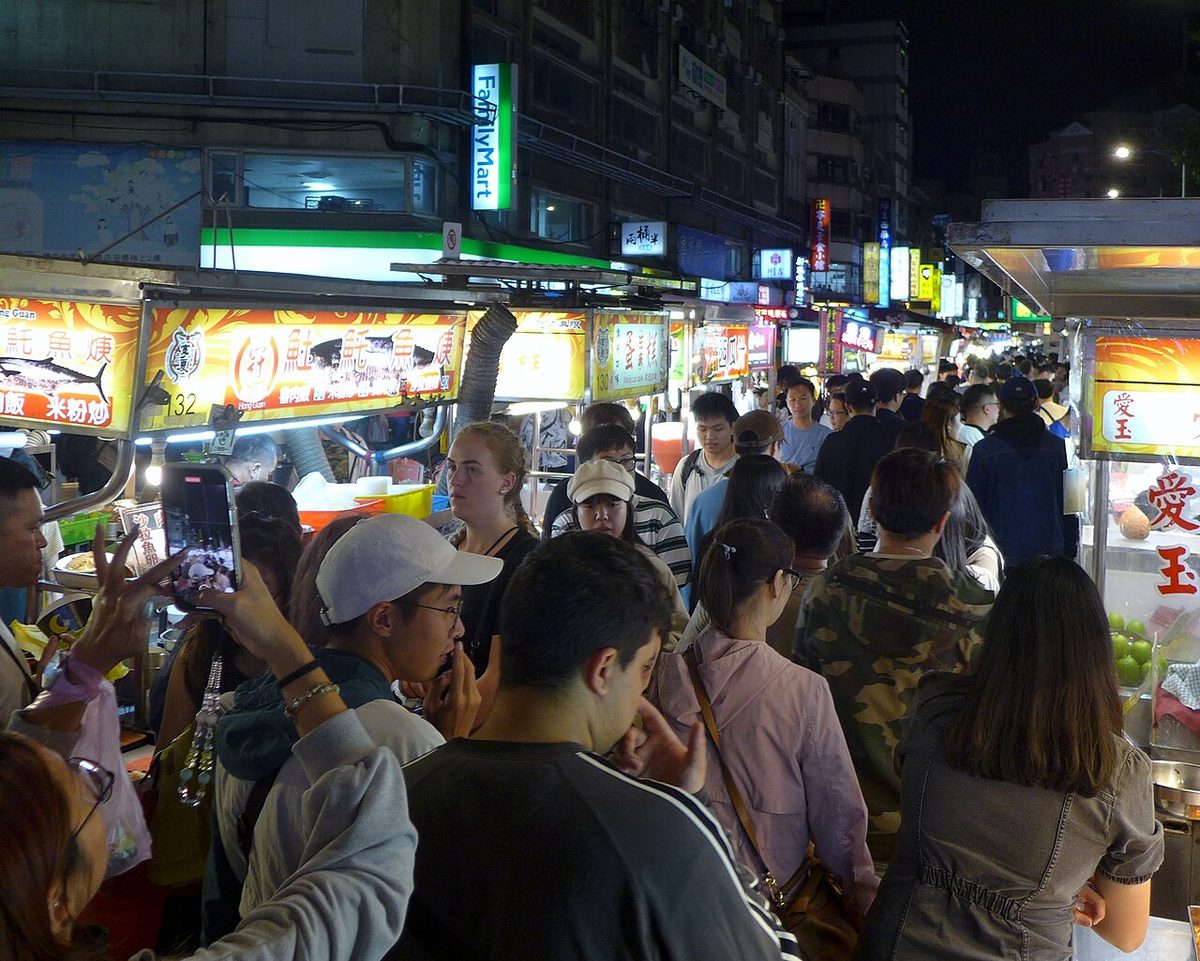
Photo: Bahnfrend, CC BY-SA 4.0, via Wikimedia Commons.
Where to Stay in Zhongshan
Zhongshan is one of the most hotel-dense districts in Taipei, with an unusually deep Japanese-brand presence. Bands below are indicative shoulder-season rates for a standard double; expect 30–60% more at Lunar New Year.
Luxury (NT$8,000–18,000/night)
- The Okura Prestige Taipei: Polished 5-star hotel with excellent rooftop pool and restaurants.
- Regent Taipei: Five-star service, central location.
Upper Mid-Range (NT$4,500–8,000/night)
- Cosmos Hotel Taipei: Sleek modern hotel near Taipei Main Station.
- Hotel Royal Nikko Taipei: Japanese-style service.
- Caesar Park Hotel Taipei: Across from Taipei Main Station.
Mid-Range (NT$2,500–4,500/night)
- Amba Zhongshan: Design-forward boutique hotel — popular with younger travelers.
- City Suites Taipei Nanxi: Reliable mid-range chain.
- Hotel Resonance Taipei: Boutique design hotel.
- Japanese business-hotel chains: Compact, spotless rooms around Zhongshan and Minquan W. Road stations — the district’s best value.
Budget (NT$1,500–2,500/night)
- Star Hostel Taipei Main Station East Branch: Modern hostel with stylish common areas.
- Various budget chain hotels near Taipei Main Station.
Which pocket to book: around Zhongshan Station for shopping, cafés and the shortest walks; around Shuanglian for quiet and easy Ningxia dinners; around Minquan W. Road for Dihua Street and lower prices; toward Taipei Main Station if day trips matter more than atmosphere. Note that unlicensed short-term apartment rentals are not legal in Taiwan, so book registered accommodation.
A Zhongshan Day Plan
For a full day in the district — roughly 5–6 km of walking, all flat:
- 9:00 AM: Breakfast at Fu Hang Soy Milk (queue and breakfast) or the Shuanglian morning market.
- 10:30 AM: Walk to MoCA Taipei. Spend 60 minutes with the rotating exhibitions.
- 12:00 PM: Walk west to Yongle Market 3F for lunch.
- 1:30 PM: Wander Dihua Street. Browse shophouses, dried goods stores, design boutiques.
- 3:00 PM: Coffee at SPOT Taipei Film House.
- 4:00 PM: Chifeng Street and its side lanes for boutiques and vintage.
- 5:30 PM: Browse Zhongshan Underground Mall (Eslite R79) and the surrounding shops.
- 6:30 PM: Walk to Ningxia Night Market for dinner.
- 8:30 PM: Evening drinks at a Zhongshan craft beer bar, cocktail bar or Tiaotong izakaya.
Half-day version: Zhongshan Station, Chifeng Street, a café, the underground book street, Ningxia for dinner. Museum variant: start at Yuanshan with Taipei Fine Arts Museum and Expo Park, then ride two stops south.
Zhongshan vs. Other Taipei Neighborhoods
Zhongshan vs. Ximending: Zhongshan is calmer, more design-forward, more upscale. Ximending is louder, more youth-focused, more touristy — and cheaper, with far more rooms under NT$2,000.
Zhongshan vs. Xinyi: Zhongshan is more boho-design; Xinyi is more luxury-corporate. Zhongshan has the historic depth and much cheaper eating; Xinyi has the skyline and the clubs.
Zhongshan vs. Da’an: Both are stylish and foodie-friendly. Da’an is more residential, greener and quieter; Zhongshan is more curated, more central and much denser in hotels. Choose Zhongshan for the short walk to Taipei Main Station and the airport; choose Da’an for parks and a residential feel.
Zhongshan vs. Zhongzheng: Zhongzheng wins on pure transport convenience but has little street life once the offices close. Zhongshan gives you the same transport within a few minutes and an actual neighbourhood to come home to.
Stay in Zhongshan if you want one base for a whole trip, you are taking day trips by train, you are flying via Songshan, or you want cafés and boutiques on your doorstep. Do not stay in Zhongshan if you want Taipei 101 from your window, if clubbing until 4 AM is the point, or if you need the cheapest beds in the city.
What Zhongshan Costs
- Budget day: NT$800–1,200. Market breakfast, night market dinner, MRT, one coffee.
- Comfortable day: NT$1,500–3,000. Café breakfast, sit-down lunch, museum ticket, dinner and a drink.
- Museum tickets: TFAM NT$30, MoCA NT$100, most temples free.
- Coffee NT$180–350 · izakaya dinner NT$600–1,200 · MRT NT$100–150 a day.
Practical Information for Visitors
How long to spend. Half a day covers Chifeng Street, the underground mall and a café. A full day adds Dihua Street, a museum and Ningxia. As a base, three to five nights works well.
Safety. Zhongshan is safe day and night, including the Tiaotong lanes, which are busy and well lit. The sensible cautions are commercial rather than criminal: confirm prices in hostess bars, and ignore street touts. Emergency numbers are 110 for police and 119 for fire and ambulance.
Accessibility. All MRT stations here have lifts, and the underground mall network between Zhongshan, Shuanglian and Taipei Main is step-free and sheltered — one of the best accessible walking routes in the city. Above ground is patchier: Dihua Street’s arcades have kerbs and uneven paving, and many Chifeng Street shops have a step at the door.
With kids. Reasonable rather than ideal. Expo Park and the linear park give running-around space, the Miniatures Museum of Taiwan is a genuine hit with children, and Taipei Children’s Amusement Park is a short ride north from Yuanshan. Ningxia at 6 PM is manageable with a stroller; at 8 PM it is not.
Rainy days. Zhongshan’s quiet superpower. You can walk from Taipei Main Station to Shuanglian underground, browsing Eslite R79 the whole way, without opening an umbrella. Add MoCA, the Mitsukoshi basements and a long café afternoon; our list of rainy day activities in Taipei has more.
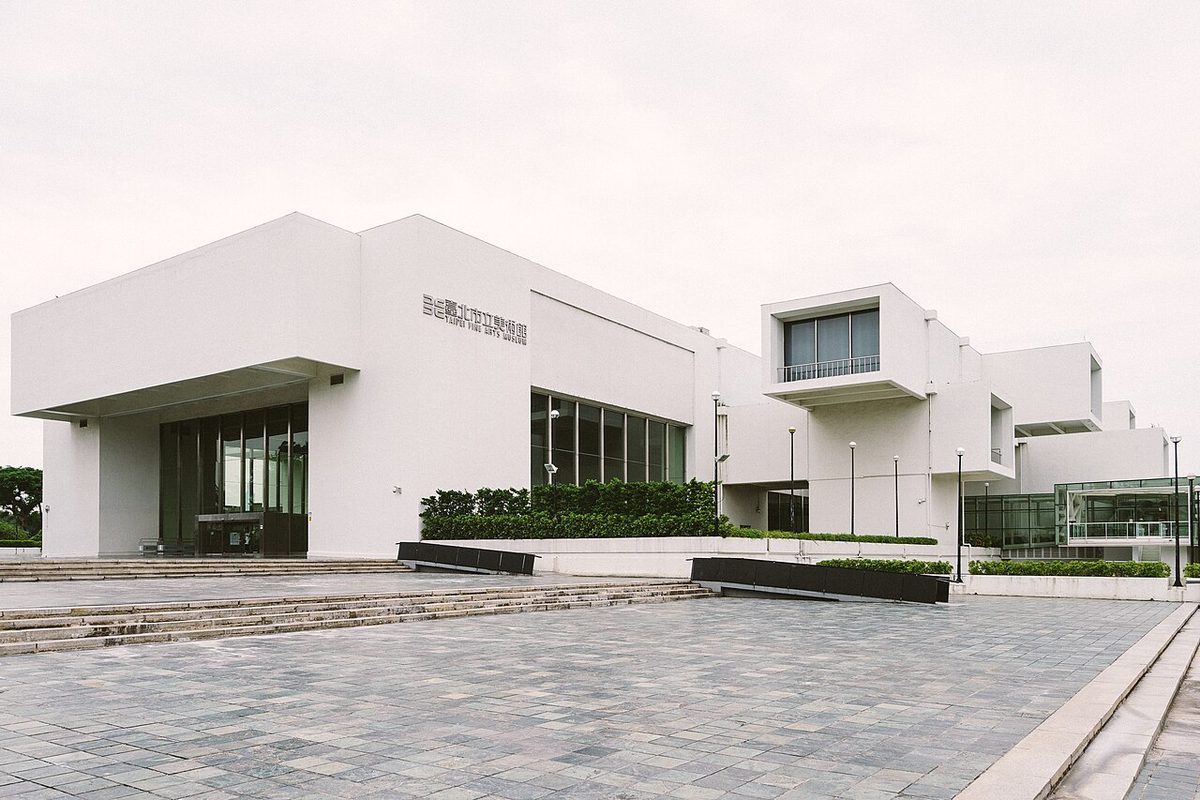
Photo: 翁維德 (Wei-Te Wong), CC BY-SA 2.0, via Wikimedia Commons.
Tips for Visiting Zhongshan
Visit on weekdays for the calmest experience. Sundays bring the Dihua flea market crowd.
Combine Dihua + Ningxia for a perfect early evening. Dihua at golden hour (4–6 PM) followed by Ningxia dinner.
Use the underground passages. The mall network gives you a long sheltered walk with shops, seating and air conditioning.
Tax refund eligible. Many Zhongshan boutiques participate in the 5% VAT refund program. Spend NT$2,000+ in one shop and ask for the slip.
Bring cash for Dihua Street. Many small dried-goods shops are cash-only.
Cafés get busy on weekend afternoons. Famous spots like Fika Fika and SPOT have 30+ minute waits Saturday afternoons.
Check Monday closures. MoCA, TFAM, Yongle Market and a good share of Chifeng Street shops all close on Mondays.
Zhongshan sits at a crossroads of the city’s history, between the Japanese-era lanes off Linsen North Road and the old tea port of Dadaocheng just to the west. For how it fits with Taipei’s other eleven districts — and three walks that join the older neighbourhoods together — see our district-by-district guide to Taipei neighbourhoods.
West of Zhongshan, across Chongqing North Road, lies Dadaocheng, the nineteenth-century tea port whose restored shophouses line Dihua Street — about fifteen minutes’ walk from Zhongshan station. After a morning of Chifeng Street’s cafés it is the natural next stop, with herbal shops, a famous matchmaking temple and sunset over the river; see our Dadaocheng and Dihua Street guide.
Related Taipei guides
- Xinyi District Guide: Luxury, Shopping & Taipei 101
- Da’an District Guide: Cafes, Parks & Food Streets
- Best Hostels in Taipei for Backpackers
- Best Boutique Hotels in Taipei: 10 Top Picks
- Airbnb in Taipei: Is It Legal and Where to Book
- Best Taipei Hotels Near MRT Stations
Frequently Asked Questions
What is the Zhongshan District in Taipei?
Zhongshan is one of Taipei’s 12 administrative districts, located in central-northern Taipei. It’s widely considered Taipei’s most stylish neighborhood — design cafés, boutique shopping, mid-range hotels, and direct access to the historic Dihua Street area.
How do I get to Zhongshan District?
Take the MRT Red Line (Tamsui-Xinyi) or Green Line (Songshan-Xindian) to Zhongshan Station. From Taipei Main Station, the trip is 5 minutes — or a 10-minute walk entirely underground.
Which MRT stations are in Zhongshan District?
Zhongshan, Shuanglian, Minquan W. Road, Yuanshan, Zhongshan Elementary School, Xingtian Temple, Songjiang Nanjing and Zhongshan Junior High School all serve the district. Use Zhongshan for shopping and Chifeng Street, Shuanglian for Ningxia Night Market and Yuanshan for Taipei Fine Arts Museum.
What’s the best thing to do in Zhongshan?
Walk Dihua Street in late afternoon, visit MoCA Taipei, browse Zhongshan Underground Mall (especially Eslite R79), eat at Ningxia Night Market for dinner. Add a coffee at SPOT Taipei Film House or one of the third-wave specialty cafés.
Is Zhongshan a good area to stay in Taipei?
Yes — particularly for mid-range travelers. Less hectic than Ximending, less expensive than Xinyi, with strong hotel options at every price point. Direct MRT access to all major districts, and 10–15 minutes to Songshan Airport.
Why are there so many Japanese hotels and restaurants in Zhongshan?
The district was the smart Japanese residential quarter during the colonial period, and from the 1960s onward Japanese trading companies based their Taipei offices here. That built a lasting market for Japanese hotels, izakaya and ramen counters, and it is why the lanes off Linsen North Road are still known as Tiaotong.
Is Linsen North Road safe for tourists?
Yes. The area is busy, well lit and policed, and the izakaya and restaurants are straightforward. The caveat is commercial: some hostess clubs are opaque about pricing for walk-in foreign customers, so confirm charges before you sit down, and ignore anyone touting on the street.
What’s the best café in Zhongshan?
Youmoutoohana for the garden setting, SPOT Taipei Film House for the historic building, Fika Fika and Simple Kaffa for specialty coffee. The lanes near Chifeng Street have dozens of smaller curated cafés.
Is Dihua Street in Zhongshan?
Dihua Street is technically in the adjacent Datong District, but it’s a 5-10 minute walk from western Zhongshan and is typically grouped with Zhongshan for travel itineraries.
Where can I find Eslite Bookstore in Zhongshan?
The Eslite R79 branch is in the Zhongshan Underground Mall — Taiwan’s longest bookstore, running about 270 meters in a straight line. Direct access from Zhongshan MRT Station, typically 11 AM to 9:30 PM.
How much does Taipei Fine Arts Museum cost?
General admission is NT$30, with concessions at NT$15 and free entry after 5 PM on opening days. It opens Tuesday to Sunday from 9:30 AM, closing at 5:30 PM and at 8:30 PM on Saturdays. Special exhibitions may be ticketed separately.
What’s the difference between Zhongshan District and Zhongshan Hall?
Zhongshan District is the central-northern Taipei district. Zhongshan Hall is a historic 1936 building in the western part of central Taipei (Wanhua / Zhongzheng area) — they share the name but are not the same place.
The Bottom Line
Zhongshan District is the best all-round mid-range base in Taipei — stylish without being expensive, central without being chaotic, and dense with the cafés, boutiques and small museums that reward unhurried exploration. It is also the most practical: one stop from Taipei Main Station, 10–15 minutes from Songshan Airport, and linked to half the city by sheltered underground walkways when the rain sets in. Combine a Dihua Street afternoon, a MoCA or TFAM visit, a Chifeng Street wander and a Ningxia dinner for one of the best days available in Taipei.