This article contains advertising. Our booking links are routed through a partner that adds commission tracking automatically, so if you book through one we earn a commission from the provider, at no extra cost to you. It never affects what we recommend. Affiliate disclosure
Where to Stay in Taipei: The Complete Neighborhood & Hotel Guide

Choosing where to stay in Taipei is one of the most important decisions you will make when planning your trip to Taiwan’s capital. The neighborhood you pick shapes your entire experience, from the street food you stumble upon at midnight to how quickly you reach major attractions each morning. Taipei is a compact, well-connected city with an excellent MRT (metro) system, but each district has a distinct personality, price range, and energy level. Whether you are a first-time visitor looking for the liveliest nightlife, a couple seeking a quiet boutique retreat, or a budget backpacker chasing the cheapest beds in town, this guide walks you through every option so you can book with confidence.
In this comprehensive guide, we cover all of Taipei’s most popular neighborhoods for tourists, break down every accommodation type from five-star luxury to dorm-bed hostels, compare prices in both NT$ and USD, and share insider booking tips that locals use. For an even broader overview of planning your trip, start with our Taipei travel guide. Ready to find your perfect base? Let’s dive in.
Taipei’s Accommodation Landscape: What to Expect
Taipei offers an extraordinarily wide range of places to sleep. At the top end, international luxury brands like Mandarin Oriental, W Hotel, and Regent compete with homegrown five-star properties. In the mid-range, you will find well-maintained business hotels, design-forward boutique properties, and reliable international chains. Budget travelers are spoiled with clean, modern hostels that rival anything in Southeast Asia, plus legal guesthouse operations and budget hotels near major MRT stations. For a curated list of properties organized by transit access, see our guide to Taipei hotels near MRT stations.
Prices in Taipei are generally lower than Tokyo, Hong Kong, or Singapore, but higher than Bangkok or Hanoi. A dorm bed in a quality hostel starts around NT$500-700 (US$16-23) per night. A clean double room in a mid-range hotel runs NT$2,500-4,500 (US$80-145). Luxury five-star rooms begin at NT$7,000 (US$225) and can exceed NT$20,000 (US$650) for suites. Prices fluctuate significantly based on season: Chinese New Year (late January to mid-February), national holidays, and October (pleasant weather, many events) command premium rates, while summer months (June through August) and the post-New-Year lull in March often bring discounts of 20-40%.
Nearly every hotel and hostel in Taipei provides free Wi-Fi, and most rooms include basic toiletries, slippers, and an electric kettle. Air conditioning is standard. Many properties sit directly above or beside MRT stations, making car rentals unnecessary for most visitors. For a full breakdown of getting around the city, read our Taipei transportation guide.
Neighborhood-by-Neighborhood Guide
Taipei’s districts each offer a different slice of the city’s character. Below, we break down the six most popular areas for tourists, covering the vibe, ideal traveler profile, MRT access, price ranges, advantages, disadvantages, and specific hotel recommendations for every budget. For a side-by-side comparison of all neighborhoods, visit our best neighborhoods in Taipei overview.
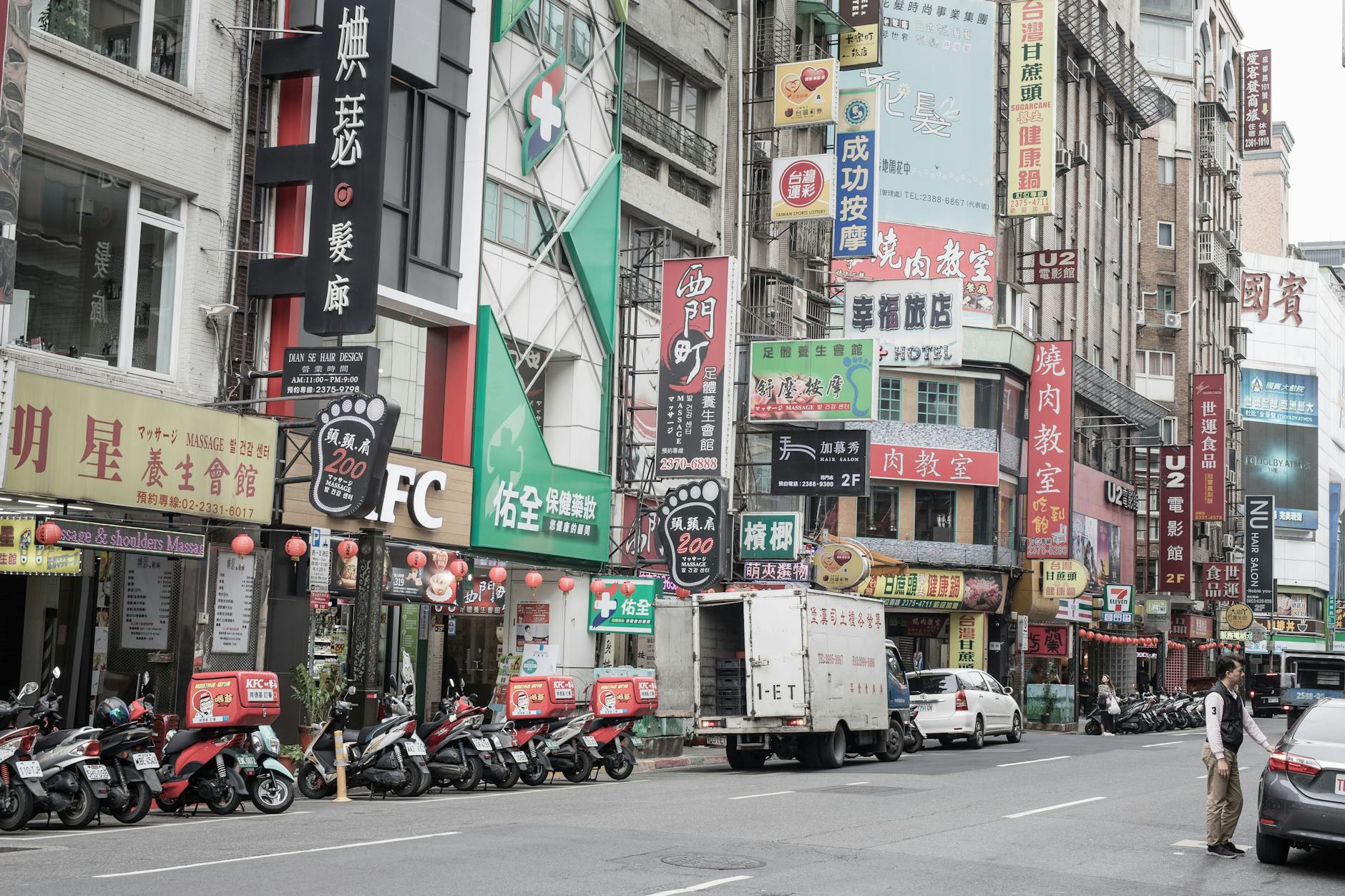
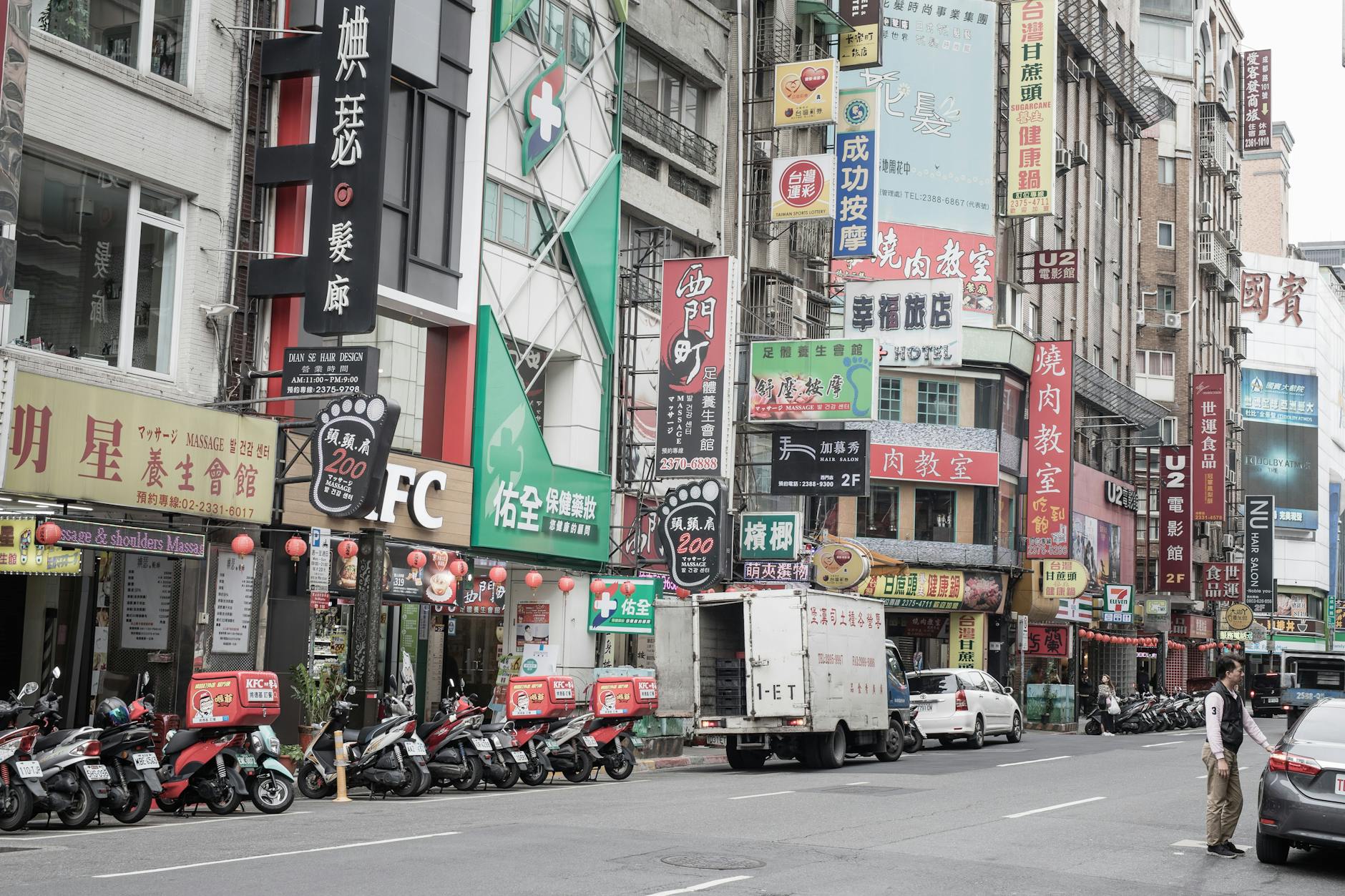
Ximending: Taipei’s Entertainment and Youth Culture Hub
Ximending is Taipei’s answer to Tokyo’s Harajuku and Shibuya rolled into one. This pedestrianized shopping and entertainment district pulses with energy from late morning until well past midnight. Neon signs illuminate streets packed with street performers, bubble tea shops, Japanese-style arcades, tattoo parlors, indie cinemas, and fashion boutiques. It is the most popular area for first-time visitors who want to be in the thick of the action, and it remains the top pick for solo travelers and younger tourists. For a deep dive into everything this neighborhood offers, check our dedicated Ximending guide.
Vibe: Energetic, youthful, loud, colorful, and unapologetically commercial. The pedestrian zone feels like a festival every evening. Side streets reveal quieter pockets with historic temples and traditional tea shops.
Best for: First-time visitors, solo travelers, budget travelers, nightlife seekers, shoppers, LGBTQ+ travelers (Ximending is Taipei’s most prominent rainbow-friendly district), and anyone who thrives on urban energy.
MRT access: Ximen Station (Blue Line and Green Line) sits at the district’s eastern edge. From here, you are two stops from Taipei Main Station, four stops from Zhongshan, and a direct ride to Xinyi (six stops on the Blue Line). Connections to the airport MRT via Taipei Main Station take about 35 minutes to Taoyuan Airport.
Price range: Budget hostels NT$500-800 (US$16-26) per dorm bed. Mid-range hotels NT$2,000-3,800 (US$65-123). Upscale hotels NT$4,500-7,000 (US$145-225).
Pros: Unbeatable location for nightlife and street food. Walking distance to dozens of restaurants open late. Excellent MRT connections in two directions. Huge variety of accommodation at every price point. Pedestrian-friendly streets. Close to Longshan Temple and Bopiliao Historic Block.
Cons: Noise levels can be high, especially on weekends (rooms facing the pedestrian zone are loudest). The area can feel overwhelming for travelers seeking peace and quiet. Some streets become extremely crowded on Friday and Saturday nights. Fewer high-end dining options compared to Xinyi or Da’an.
Recommended Hotels:
- Amba Taipei Ximending — A design-conscious hotel directly above Ximen MRT station. Rooms feature local art, floor-to-ceiling windows, and Bluetooth speakers. Doubles from NT$3,500 (US$113). The rooftop bar offers panoramic views of the neighborhood.
- CityInn Hotel Plus Ximending — A reliable mid-range option with modern rooms, excellent soundproofing, and a convenient location two minutes from the pedestrian zone. Doubles from NT$2,200 (US$71).
- Meander Hostel Ximending — One of Taipei’s best-rated hostels, with clean capsule-style dorms, private pods with curtains, secure lockers, and a social common area. Dorm beds from NT$600 (US$19). Private doubles from NT$1,600 (US$52). See more options in our best hostels in Taipei guide.
Xinyi District: Luxury, Skyline Views, and Modern Taipei
Xinyi is Taipei’s gleaming commercial heart, home to Taipei 101 (once the world’s tallest building), high-end department stores like Breeze and Shin Kong Mitsukoshi, and the city’s densest concentration of luxury hotels. This is where international business travelers stay, where couples celebrate anniversaries, and where visitors who want a polished, modern urban experience feel most at home. The district transforms at night with illuminated skyscrapers and upscale bars. For full coverage, visit our Xinyi District guide.
Vibe: Sleek, cosmopolitan, upscale, and spacious compared to older Taipei neighborhoods. Wide boulevards, manicured plazas, and a skyline dominated by Taipei 101. Weekend nights bring a lively bar and club scene centered around ATT 4 FUN and the surrounding entertainment complexes.
Best for: Luxury travelers, couples, business travelers, shoppers seeking international brands, and visitors who prioritize modern comforts and skyline views over gritty street-level authenticity.
MRT access: Taipei City Hall Station (Blue Line) and Taipei 101/World Trade Center Station (Red Line) are the primary stops. The district is also served by Xiangshan Station (Red Line) at its southern end, which is the starting point for the popular Elephant Mountain hike with Taipei 101 views.
Price range: Mid-range hotels NT$3,500-5,500 (US$113-177). Luxury hotels NT$7,000-20,000+ (US$225-650+). Budget options are very limited in this area.
Pros: Walking distance to Taipei 101, world-class shopping, excellent dining from Michelin-starred restaurants to upscale food courts. Easy access to Elephant Mountain for sunset hikes. Generally quieter streets than Ximending. Best area for skyline photography.
Cons: Significantly more expensive than other districts. Fewer budget dining options — a meal here costs roughly 30-50% more than in Ximending or Datong. Less “local Taipei” character. Quieter on weekday evenings outside the main commercial blocks. The area can feel corporate during business hours.
Recommended Hotels:
- W Taipei — Iconic luxury hotel with bold design, a stunning rooftop pool, and rooms offering direct Taipei 101 views. Known for its vibrant lobby bar scene. Doubles from NT$9,000 (US$290). Suites from NT$16,000 (US$515). For more top-tier options, see our best luxury hotels in Taipei guide.
- Humble House Taipei — A five-star boutique-luxury property with contemporary art throughout, a Michelin-starred Italian restaurant, and beautifully designed rooms. Doubles from NT$7,500 (US$242).
- Hotel Cozzi Ximen (Xinyi branch) — A polished mid-range hotel with compact but well-designed rooms, excellent service, and a location close to Taipei City Hall Station. Doubles from NT$3,200 (US$103).

Zhongshan District: Culture, Cafes, and Quiet Sophistication
Zhongshan sits north of Taipei Main Station and offers a refined, slightly artsy atmosphere that appeals to repeat visitors, design enthusiasts, and travelers who want a central location without the noise of Ximending or the premium pricing of Xinyi. The district is defined by tree-lined streets, independent bookshops, specialty coffee roasters, gallery spaces, and a growing collection of boutique hotels that prioritize design over size. The area between Zhongshan and Shuanglian MRT stations is particularly walkable and charming. Read our complete Zhongshan District guide for more details.
Vibe: Relaxed sophistication. Think Taipei’s version of a European quarter — not in architecture, but in pace and style. The neighborhood rewards slow exploration: a laneway coffee shop here, a vintage clothing store there, a pocket park tucked between residential buildings. The Zhongshan Linear Park, a converted rail corridor, offers a green walking path lined with shops and cafes.
Best for: Couples, design lovers, foodies, repeat visitors, remote workers (many laptop-friendly cafes), and anyone who appreciates a quieter neighborhood that still has plenty to see and do.
MRT access: Zhongshan Station (Red Line and Green Line) and Shuanglian Station (Red Line) provide excellent connections. Taipei Main Station is one stop south, offering transfers to virtually every line including the Airport MRT. Songjiang Nanjing Station (Green Line and Orange Line) adds further connectivity on the district’s eastern edge.
Price range: Budget hotels NT$1,800-2,800 (US$58-90). Mid-range and boutique hotels NT$3,000-5,500 (US$97-177). Luxury hotels NT$6,000-12,000 (US$193-387).
Pros: Central location with outstanding MRT access. Taipei’s best concentration of independent cafes and boutique hotels. Walkable to Ningxia Night Market (one of the city’s best for food). Close to the Taipei Fine Arts Museum and Lin An Tai Historical House. Quieter than Ximending but livelier than residential Da’an side streets. Competitive hotel prices for the quality offered.
Cons: Nightlife options are limited compared to Ximending or Xinyi. Some blocks north of Shuanglian feel more residential and less tourist-oriented. The area lacks a single major landmark attraction (though it is well positioned to reach all of them).
Recommended Hotels:
- Regent Taipei — A grand five-star hotel that has anchored the district for decades. Spacious rooms, multiple restaurants (including the celebrated Silks House for Cantonese cuisine), an indoor pool, and a spa. Doubles from NT$6,500 (US$210).
- Hotel Resonance Taipei — A Tapestry Collection by Hilton property with an industrial-chic design, a rooftop terrace, and a prime location steps from Zhongshan Station. Doubles from NT$3,800 (US$123). A standout among Taipei’s boutique hotels.
- Flip Flop Hostel Garden — A well-reviewed hostel with a garden courtyard, capsule-style bunks with privacy curtains, and a fully equipped shared kitchen. Close to Shuanglian Station. Dorm beds from NT$550 (US$18).
Da’an District: Leafy Streets, Local Life, and Foodie Paradise
Da’an is one of Taipei’s largest and most desirable residential districts, stretching from the bustle of the Zhongxiao East Road shopping corridor down to the greenery of Da’an Forest Park. This is where Taipei’s educated middle class lives, eats, and socializes, which means the restaurants, cafes, and small shops here cater to discerning local tastes rather than tourist expectations. Staying in Da’an puts you closer to Taipei’s everyday rhythm than perhaps any other neighborhood on this list. For full details, explore our Da’an District guide.
Vibe: Residential yet vibrant, intellectual, food-obsessed, and green. Streets are lined with mature trees, and the presence of National Taiwan University and Shida University gives certain blocks a youthful, collegiate energy. The Yongkang Street area has become internationally famous for its concentration of outstanding restaurants and cafes, anchored by the original Din Tai Fung.
Best for: Foodies (this is arguably Taipei’s best eating district), families (Da’an Forest Park is ideal for kids), longer-stay visitors, travelers who prefer residential neighborhoods, and anyone who values green space and walkability.
MRT access: The district is served by multiple stations: Da’an Station (Red Line and Brown Line), Da’an Park Station (Red Line), Technology Building Station (Brown Line), Zhongxiao Dunhua Station (Blue Line), and Dongmen Station (Red Line and Orange Line, near Yongkang Street). This density of stations makes Da’an one of the best-connected districts for MRT travel.
Price range: Budget hotels NT$1,800-2,500 (US$58-81). Mid-range hotels NT$3,000-5,000 (US$97-161). Upscale hotels NT$5,500-10,000 (US$177-322).
Pros: Taipei’s best food scene within walking distance (Yongkang Street, Tonghua Night Market, Shida Night Market area). Beautiful Da’an Forest Park for morning jogs or afternoon relaxation. Excellent MRT coverage. A genuine local neighborhood feel without sacrificing convenience. Wide variety of breakfast and brunch options. Close to both Xinyi commercial district and Zhongzheng cultural sites. Explore more dining options in our Taipei food guide.
Cons: Lacks the dramatic nightlife of Ximending or Xinyi. Accommodation can be slightly harder to find at the budget end compared to Ximending. Some streets feel very quiet after 10 PM. The district is large, so location within Da’an matters — make sure your hotel is near an MRT station rather than in the deep residential interior.
Recommended Hotels:
- Home Hotel Da-An — A design-forward hotel near Da’an Park Station using Taiwanese materials and aesthetics throughout. Rooms feature locally crafted furniture, and the ground-floor restaurant highlights seasonal Taiwanese ingredients. Doubles from NT$4,200 (US$135).
- Hotel V — A sleek, value-focused mid-range hotel near Zhongxiao Dunhua Station with minimalist rooms, excellent soundproofing, and a location on one of Taipei’s premier shopping streets. Doubles from NT$2,800 (US$90).
- YiSu Hotel — A quiet, thoughtfully designed property near Dongmen Station, putting you within a five-minute walk of Yongkang Street’s legendary restaurants. Doubles from NT$3,200 (US$103).
Datong and Dadaocheng: Old Taipei and Historic Charm
If you want to experience the Taipei that existed before the skyscrapers and MRT lines, head to Datong District and the Dadaocheng neighborhood within it. This is Taipei’s oldest commercial area, where tea merchants built ornate shophouses along Dihua Street in the late 1800s. Today, those restored buildings house artisan tea shops, dried goods stores, fabric merchants, craft studios, and some of the city’s most atmospheric cafes and bars. The area is also home to the famous Ningxia Night Market and the grand Xiahai City God Temple. It rewards travelers who enjoy history, architecture, and the feeling of stepping back in time.
Vibe: Historic, atmospheric, unhurried, and photogenic. Dihua Street’s Baroque and Southern Fujian architecture creates a visual experience unlike anywhere else in Taipei. The neighborhood is less polished than Zhongshan or Da’an — it retains a raw, working authenticity. During the Lunar New Year season, Dihua Street transforms into the city’s most spectacular market.
Best for: History buffs, photographers, culture seekers, travelers who have visited Taipei before and want something different, and visitors who want proximity to some of the best Taipei night markets including Ningxia and Yansan.
MRT access: Beimen Station (Green Line) and Daqiaotou Station (Red Line and Orange Line) serve the area. Taipei Main Station is walkable from the southern edge of the district (about 12 minutes on foot). The Airport MRT connection at Taipei Main Station keeps the area convenient for arrivals and departures.
Price range: Budget and guesthouse options NT$1,200-2,200 (US$39-71). Mid-range hotels NT$2,500-4,000 (US$81-129). Boutique heritage properties NT$3,500-6,000 (US$113-193).
Pros: Unique historic atmosphere found nowhere else in Taipei. Lower hotel prices than Xinyi, Da’an, or Zhongshan. Outstanding street food and night market access. Walkable to Taipei Main Station for transportation connections. Fewer tourists overall, giving a more authentic experience. Some of Taipei’s most charming boutique hotels occupy restored heritage buildings.
Cons: Fewer accommodation options overall. The area can feel quiet and somewhat deserted at night away from Dihua Street. Less MRT station density than Da’an or Zhongshan. Some travelers may find the older infrastructure (narrower streets, older buildings adjacent to hotels) less polished than other districts. Limited international restaurant variety.
Recommended Hotels:
- D.G. Hotel — Set within a restored Dadaocheng heritage building, this boutique gem blends period architecture with modern comforts. Each room tells a story of the neighborhood’s tea-trading past. Doubles from NT$3,800 (US$123). Featured in our boutique hotels in Taipei guide.
- Tango Hotel Taipei Nanshi — A solid mid-range choice near Beimen Station with contemporary rooms and a convenient location between Ximending and Dadaocheng. Doubles from NT$2,400 (US$77).
- Star Hostel Taipei Main Station — Consistently ranked among Asia’s best hostels, with a gorgeous industrial-loft common area, spacious dorms, excellent cleanliness, and a location between Taipei Main Station and Dadaocheng. Dorm beds from NT$650 (US$21). Privates from NT$1,800 (US$58).
Zhongzheng District and Taipei Main Station Area: The Transportation Hub
Zhongzheng is Taipei’s civic center, home to the Presidential Office Building, National Taiwan Museum, Chiang Kai-shek Memorial Hall, and the sprawling Taipei Main Station complex that connects the MRT, Taiwan Railway, High Speed Rail, and Airport MRT all under one (very large) roof. Staying near Taipei Main Station is the most practical choice for travelers who prioritize transportation convenience above all else, particularly those making day trips to other cities or arriving on late-night flights.
Vibe: Busy and transit-oriented near the station, shifting to stately and quiet near the memorial halls and museums. The area around the station is dense with shops, restaurants, and underground malls (the Taipei City Mall stretches for blocks underground). South of the station, the atmosphere becomes more governmental and cultural, with wide avenues and imposing civic buildings.
Best for: Travelers making frequent day trips (to Jiufen, Hualien, Taichung, or the airport), visitors who want maximum transportation convenience, history and culture enthusiasts, and budget travelers who want to be centrally located without paying Xinyi or Da’an prices.
MRT access: Taipei Main Station is the single most connected transit point in the city. The Red Line, Blue Line, and Green Line all converge here, along with the Airport MRT, Taiwan Railway, and High Speed Rail. No other location offers comparable connectivity. Nearby stations include NTU Hospital Station (Red Line) for Chiang Kai-shek Memorial Hall and Shandao Temple Station (Blue Line).
Price range: Budget hotels and hostels NT$1,000-2,200 (US$32-71). Mid-range hotels NT$2,500-4,500 (US$81-145). Upper-range hotels NT$4,500-8,000 (US$145-258).
Pros: Unmatched transportation access — every MRT line, every rail service, the airport express. Huge selection of budget and mid-range hotels within walking distance. Taipei City Mall underground shopping. Walking distance to major cultural sites including Chiang Kai-shek Memorial Hall, the National Theater and Concert Hall, and 228 Peace Memorial Park. Many restaurants and convenience stores open late or 24 hours.
Cons: The area immediately around Taipei Main Station can feel chaotic and overwhelming, especially during rush hours. It lacks the neighborhood charm of Zhongshan, Da’an, or Dadaocheng. Some of the budget hotels in the station’s immediate vicinity are older and can be small. The area south of the station near the memorial halls is very quiet at night with limited dining.
Recommended Hotels:
- Palais de Chine Hotel — A sophisticated upscale hotel directly connected to Taipei Main Station, with art-filled public spaces, multiple acclaimed restaurants, and spacious rooms. A favorite of business travelers and those catching early morning trains. Doubles from NT$5,500 (US$177).
- CosmoS Hotel Taipei — A well-maintained mid-range hotel near NTU Hospital Station with large rooms by Taipei standards and a rooftop garden. Doubles from NT$3,000 (US$97).
- Next Taipei Hostel — A modern hostel near the station with capsule beds, co-working space, and a communal kitchen. Popular with digital nomads. Dorm beds from NT$550 (US$18). Privates from NT$1,500 (US$48).
Accommodation Types in Taipei: Explained
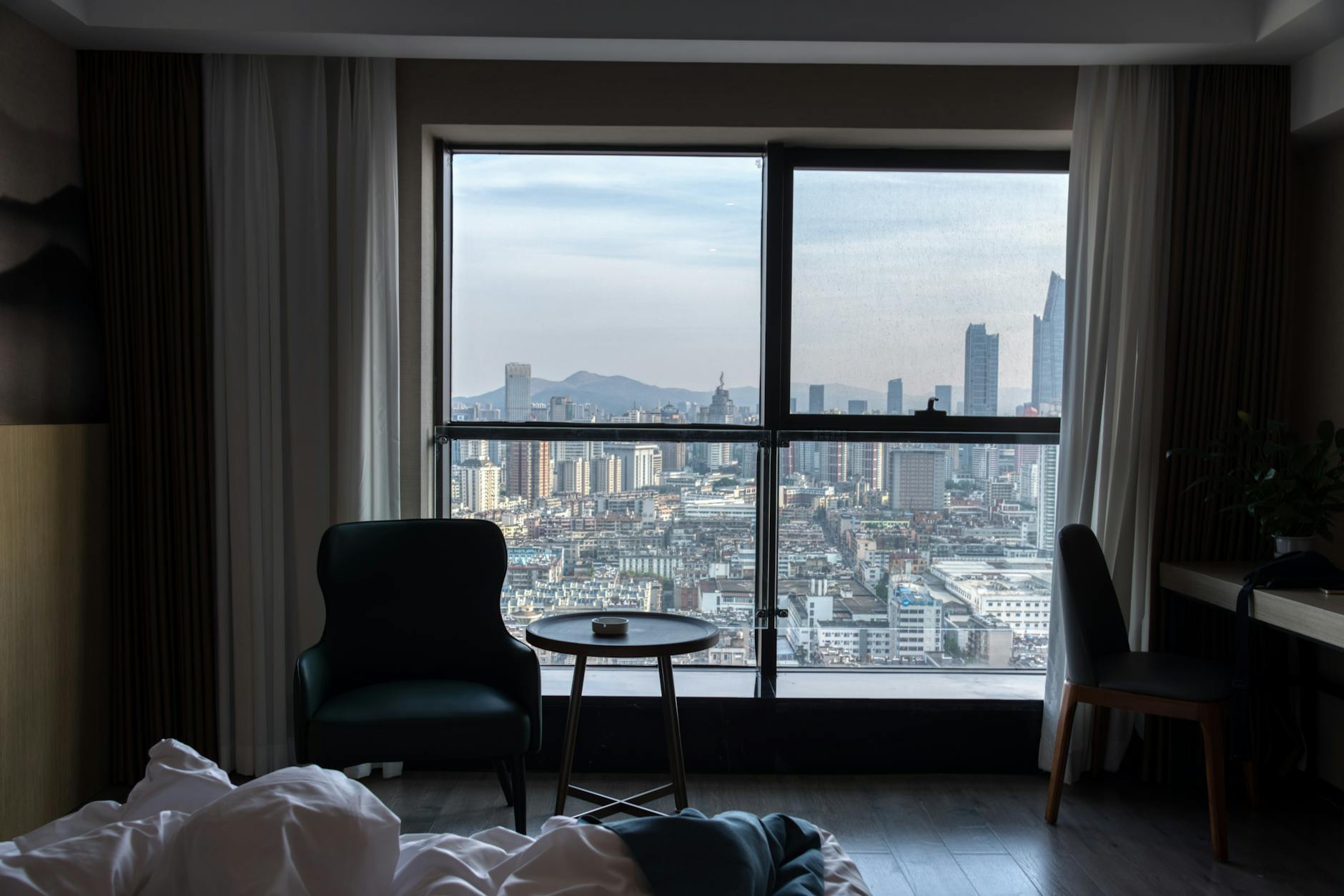
Understanding the full spectrum of accommodation types available in Taipei helps you align your budget with your expectations. Here is what each category offers.
Luxury Hotels (NT$7,000-20,000+ / US$225-650+ per night)
Taipei’s luxury hotel scene has matured significantly over the past decade. Properties like the Mandarin Oriental Taipei, W Taipei, Grand Hyatt Taipei, and Shangri-La’s Far Eastern Plaza Hotel offer the same standard of service you would find at their counterparts in Hong Kong or Tokyo, often at noticeably lower prices. Expect spacious rooms with premium bedding, multiple dining venues (often including at least one Michelin-starred restaurant), fitness centers with pools, full-service spas, concierge services, and club lounges with complimentary food and drinks for premium room categories. Explore our full ranking in the best luxury hotels in Taipei guide.
A key advantage of luxury hotels in Taipei is that many offer exceptional breakfast buffets featuring both Western and Taiwanese options. These spreads — often including fresh dim sum, congee stations, tropical fruit, and made-to-order egg dishes alongside continental staples — can be worth NT$800-1,200 (US$26-39) per person and are frequently included in the room rate or available as a booking add-on.
Mid-Range Hotels (NT$2,500-6,000 / US$80-193 per night)
This is where Taipei truly excels in value. The city’s mid-range hotels are among the best in Asia for what you pay. Rooms are typically smaller than their Western equivalents — expect 18-25 square meters for a standard double — but they are clean, well-designed, and outfitted with modern amenities including fast Wi-Fi, flat-screen TVs, rain showers, and quality mattresses. Many mid-range properties include breakfast. Chains like CityInn, Hotel Cozzi, Just Sleep (by Eslite), and Caesar Park offer consistent quality across multiple locations.
The mid-range bracket also includes some of Taipei’s most interesting boutique hotels, which compete on design and atmosphere rather than size. These properties often feature curated art, locally sourced amenities, and staff who go out of their way to provide personalized restaurant and activity recommendations.
Boutique Hotels (NT$3,000-8,000 / US$97-258 per night)
Taipei’s boutique hotel scene has exploded in recent years, driven by a generation of Taiwanese designers and hospitality entrepreneurs who want to showcase local culture and aesthetics. These properties tend to be smaller (20-80 rooms), independently owned or part of small local chains, and defined by a strong design identity. Rooms might feature work by Taiwanese artists, furniture crafted from local materials, and toiletries from Taiwanese brands. Common areas often double as galleries or event spaces. Many boutique hotels partner with nearby restaurants and attractions to create curated guest experiences. For our favorites, see the boutique hotels in Taipei guide.
Budget Hotels and Hostels (NT$500-2,500 / US$16-80 per night)
Budget travelers in Taipei have access to some of Asia’s best-value hostels. Properties like Star Hostel, Meander Hostel, and Flip Flop Hostel have won international design and hospitality awards while keeping dorm beds under NT$700 (US$23). Modern Taipei hostels feature capsule-style beds with privacy curtains, individual reading lights and power outlets, secure lockers large enough for full-size backpacks, clean shared bathrooms, and social common areas with kitchens. Many also offer private double rooms that compete with budget hotels on price while providing a more social atmosphere. For our top picks, read the best hostels in Taipei guide.
Budget hotels — as opposed to hostels — are also plentiful, particularly near Taipei Main Station and in Ximending. These offer private rooms with en-suite bathrooms, typically in older buildings with less design flair but perfectly adequate cleanliness and comfort. Expect smaller rooms (12-16 square meters), basic amenities, and functional but plain decor. They serve the purpose well for travelers who want privacy without paying mid-range prices.

Airbnb and Short-Term Rentals: Legality and Practicalities
The legal status of short-term rentals in Taipei is an important topic that many visitors overlook. Taiwan has specific regulations governing short-term accommodation, and not all Airbnb listings in Taipei operate within the legal framework. Legally operating properties must be registered as licensed homestays (minsu) or hotels, and there are limits on the number of rooms, building types, and locations. Many apartments listed on Airbnb in central Taipei operate in a legal gray area. While enforcement has varied over the years, travelers should be aware that unlicensed properties may lack proper fire safety equipment, insurance, and recourse if problems arise.
That said, legal, licensed short-term rentals do exist and can offer excellent value for families or longer stays, particularly in residential neighborhoods. Expect to pay NT$2,000-5,000 (US$65-161) per night for a well-located, legal one-bedroom apartment. For a full breakdown of the rules and our recommended legal platforms, read our Airbnb in Taipei legality guide.
How to Choose the Right Neighborhood: A Decision Framework
With six strong neighborhood options, narrowing your choice requires honest self-assessment. Consider the following priorities and match them to the district that fits best.
If nightlife and entertainment are your top priority: Ximending is the clear winner. No other neighborhood matches its density of bars, clubs, street performers, and late-night dining. Xinyi offers a more upscale nightlife scene with rooftop bars and clubs, but at significantly higher prices.
If food is your primary motivation: Da’an, specifically the Yongkang Street and Dongmen area. The concentration of outstanding restaurants, from the original Din Tai Fung to hole-in-the-wall noodle shops, is unmatched. Datong/Dadaocheng is the runner-up for traditional Taiwanese food and night market culture. See our Taipei food guide for restaurant recommendations across all neighborhoods.
If you are traveling with children: Da’an (for Da’an Forest Park and the calmer residential streets) or Zhongshan (walkable, not too hectic, close to kid-friendly museums). Avoid Ximending, which can be overwhelming for young children, especially at night.
If you are on a tight budget: Ximending and the Taipei Main Station area offer the most budget accommodation options. Datong/Dadaocheng is the best value for a more unique experience. All three areas have abundant cheap eats.
If you want luxury and modern comforts: Xinyi for the full five-star experience with skyline views, or Zhongshan for a more understated, boutique-leaning luxury experience.
If you are a repeat visitor seeking something different: Dadaocheng for historic atmosphere, or Da’an’s quieter southern blocks near Shida University for local immersion.
If you are making day trips outside Taipei: The Taipei Main Station/Zhongzheng area provides the fastest connections to the High Speed Rail, Taiwan Railway, and Airport MRT. This is particularly valuable if you are planning trips to Jiufen, Hualien, Taichung, or Sun Moon Lake.
If this is your first time and you want a bit of everything: Zhongshan offers the best all-around balance of central location, reasonable prices, good food, pleasant atmosphere, and convenient access to all other districts. Ximending is the runner-up if you lean toward more energy and action.
For an in-depth comparison, read our best neighborhoods in Taipei article, which includes interactive maps and seasonal recommendations.
Booking Tips: How to Get the Best Deals on Taipei Hotels
Smart booking can save you 20-40% on Taipei accommodation. Here are the strategies that work best in the Taipei market.
Book directly for perks, but compare prices first. Most Taipei hotels offer a best-rate guarantee on their own websites, plus extras like free breakfast, room upgrades, or late checkout that you will not get through third-party booking sites. However, always check prices on Agoda, Booking.com, and the hotel’s own site before committing. Agoda tends to offer the best prices for Taipei hotels among third-party platforms, as it is widely used in the Asian market and often has exclusive deals.
Travel during shoulder or low season. The cheapest months for Taipei hotels are typically March (post-Lunar New Year lull), June through August (hot and humid, typhoon season), and November (brief shoulder period before holiday bookings). Avoid booking during Chinese New Year (late January to mid-February), October (ideal weather, many events), and around national holidays like Double Ten Day. For ideas on what to do during your visit regardless of season, browse our things to do in Taipei guide.
Book 2-3 months ahead for peak season, 2-4 weeks for low season. Peak season hotels in popular neighborhoods can sell out completely, especially during Chinese New Year and major events. During low season, last-minute bookings (within two weeks) sometimes yield better prices, particularly on Agoda’s last-minute deals or through hotel apps.
Consider booking two different hotels. If your trip spans a week or more, consider splitting your stay between two neighborhoods — for example, three nights in Ximending to soak up the nightlife, then four nights in Da’an for food exploration and a calmer pace. This gives you a broader experience of the city without sacrificing convenience.
Look for hotels near MRT exits, not just MRT stations. Some hotels advertise proximity to an MRT station but are actually a 10-minute walk from the nearest exit. Check the specific exit number and distance on Google Maps before booking. In Taipei, a hotel directly connected to an MRT exit is significantly more convenient than one that is 500 meters away, especially during summer heat or typhoon-season rain. Our Taipei hotels near MRT guide ranks properties by actual walking distance to exits.
Use credit card benefits. Many international credit cards offer complimentary lounge access, free breakfast, or room upgrades at partner hotels. Check your card benefits before booking. Taipei is also one of the most cashless-friendly cities in Asia, so your credit card will work virtually everywhere.
Hotel Amenities to Expect in Taipei
Understanding what Taipei hotels typically include — and what they do not — helps you pack appropriately and set expectations.
Almost always included (at all price levels): Free Wi-Fi (generally fast and reliable), air conditioning, electric kettle with complimentary tea bags and instant coffee, basic toiletries (shampoo, body wash, toothbrush kit, razor), slippers, a hair dryer, and a small safe. Most hotels also provide a minibar fridge (sometimes stocked, sometimes empty for your use).
Common at mid-range and above: Breakfast buffet (either included or available for NT$300-600 / US$10-19), laundry service, luggage storage (often available on check-in and check-out days even outside your stay), Chinese and English-speaking front desk staff, and a business corner with a printer.
Common at luxury level: Swimming pool (usually indoor), fitness center, spa, club lounge with afternoon tea and evening cocktails, multiple restaurants, concierge desk, airport shuttle, premium toiletries, turndown service, and multilingual staff.
Notable differences from Western hotels: Room sizes in Taipei skew smaller than North American or European standards. A “standard double” at a mid-range hotel might be 20 square meters, which is about 215 square feet. Beds tend to be firm by Western standards. Most hotels use key cards to activate room electricity, meaning the power turns off when you leave (bring a spare key card or ask the front desk for a second one to keep the AC running). Bathtubs are common in mid-range and luxury hotels but tend to be shorter and deeper than Western tubs, designed for Japanese-style soaking. Many hotels offer complimentary smartphone devices (like Handy phones) with unlimited local calls and data for use during your stay.
Areas to Approach with Caution
Taipei is one of the safest major cities in Asia, and there are no neighborhoods that are genuinely dangerous for tourists. That said, certain areas are less ideal for accommodation.
Wanhua (south of Ximending): While Ximending itself is excellent for tourists, the broader Wanhua District south of the pedestrian zone — particularly the area around Longshan Temple extending toward Huaxi Street — has a grittier feel and a visible homeless population. The old “Snake Alley” (Huaxi Street Tourist Night Market) is a shadow of its former self. Hotels here are cheaper, but the atmosphere after dark may be uncomfortable for some travelers, particularly solo female travelers. That said, the area is undergoing revitalization, and it remains safe in a practical sense.
Nangang and far-eastern Taipei: While Nangang has excellent MRT access and is home to the Nangang Software Park and a large exhibition center, it is primarily an office district with limited tourist infrastructure. Hotels here serve business travelers attending events at the Nangang Exhibition Center but offer little in terms of dining, nightlife, or walkable attractions. Unless you have specific business there, other neighborhoods provide a better base.
Neihu: This northeastern technology district is where many of Taipei’s tech companies are headquartered. It has good restaurants and the famous Dahu Park, but it is far from most tourist attractions and less well-served by MRT (only the Brown Line). Not recommended for leisure travelers on short trips.
Anywhere far from an MRT station: Regardless of district, avoid booking accommodation that is more than a 10-minute walk from the nearest MRT station unless you have a specific reason (such as being near a particular hiking trailhead or specific attraction). The MRT is the backbone of getting around Taipei efficiently, and being disconnected from it can waste significant time each day. Our Taipei transportation guide explains why MRT proximity matters so much.
Taipei Hotel Hacks: Insider Tips for Saving Money and Getting More
These strategies go beyond basic booking advice and can meaningfully improve your Taipei accommodation experience.
Negotiate directly for longer stays. If you are staying four nights or more, contact the hotel directly via email and ask about extended-stay rates. Many Taipei hotels, particularly boutique and independent properties, will offer 10-20% discounts for longer bookings that are not advertised on any website. Write in English — front desk staff at most Taipei hotels are conversant in English.
Leverage Taiwanese loyalty programs. Several Taiwanese hotel chains operate their own loyalty programs with benefits that kick in faster than international chains. The Eslite Hotel group’s program (covering Just Sleep and Eslite Hotel properties) offers a free night after just five stays. Caesar Park and CityInn have similar programs. Sign up before your trip to start accumulating benefits immediately.
Ask for a corner room. In Taipei’s dense urban environment, corner rooms often have windows on two sides instead of one, dramatically improving natural light and views. This is particularly valuable in mid-range hotels where standard rooms may face another building just meters away. A polite request at check-in often works, especially during low season or on weekdays.
Use hotel luggage storage strategically. Almost every hotel in Taipei will store your luggage for free on check-in and check-out days, and many will hold bags for guests with a confirmed future reservation. This means you can arrive early, drop your bags, and start exploring immediately, then return later to check in. On departure day, check out, leave your bags, and enjoy your final hours in the city unencumbered.
Time your booking for flash sales. Agoda and Booking.com run flash sales for Taipei hotels several times per year, typically around major shopping events (Double 11 in November, Lunar New Year promotions in December and January, and mid-year sales in June). These can offer 30-50% off regular rates. Set price alerts on your preferred platform to catch these deals.
Check for airport MRT combo deals. Several hotels near Taipei Main Station and Beimen Station offer package deals that include airport MRT tickets, sometimes bundled with breakfast. These save a modest amount individually but add up for couples or families. Ask about them when booking directly.
Consider hotel-hosted tours and activities. Many mid-range and luxury hotels in Taipei organize complimentary or low-cost cultural activities for guests — tea ceremonies, calligraphy workshops, guided neighborhood walks, and cooking classes. These are sometimes available only to direct-booking guests and can be worth NT$500-1,500 (US$16-48) per person if booked independently. Ask about the activity schedule when making your reservation.
Off-peak day check-in advantage. If your schedule is flexible, check in on a Sunday through Tuesday rather than a Thursday or Friday. Weekend arrivals coincide with the busiest hotel occupancy periods in Taipei, and you are less likely to receive complimentary upgrades. Midweek check-ins, particularly on Sundays and Mondays, are when hotels have the most availability and are most generous with upgrades and perks.
Frequently Asked Questions
What is the best area to stay in Taipei for first-time visitors?
For first-time visitors, Ximending and Zhongshan are the two strongest choices. Ximending puts you at the center of the action with unmatched nightlife, shopping, and street food, plus excellent MRT connections to the rest of the city. Zhongshan offers a slightly calmer, more refined experience with superb cafe culture, boutique hotels, and a central location equidistant from most major attractions. If you want energy, choose Ximending. If you want balance, choose Zhongshan. Both neighborhoods have abundant accommodation at every price point. Read our best neighborhoods in Taipei guide for a detailed comparison.
How much does a hotel in Taipei cost per night?
Taipei offers accommodation across a wide price spectrum. Budget hostel dorm beds range from NT$500-800 (US$16-26). Budget private rooms run NT$1,200-2,500 (US$39-81). Mid-range hotel doubles cost NT$2,500-5,000 (US$81-161). Luxury five-star hotels start at NT$7,000 (US$225) and can reach NT$20,000+ (US$650+) for premium suites. Prices are lowest from March through August (excluding national holidays) and highest during Chinese New Year, October, and major events. Booking 2-3 months in advance during peak season or watching for flash sales can save 20-40%.
Is it safe to stay anywhere in Taipei?
Taipei is consistently ranked as one of the safest cities in Asia for travelers. Violent crime against tourists is extremely rare, and petty theft is uncommon compared to many world cities. All the neighborhoods covered in this guide are safe for solo travelers, including solo female travelers. The areas around southern Wanhua (near Longshan Temple) and certain red-light pockets have a grittier atmosphere after dark, but they are not dangerous in any serious sense. The most practical safety concern in Taipei is not crime but rather scooter traffic — pedestrians should be vigilant at intersections, especially where scooters make right turns.
Should I stay near Taipei Main Station?
Staying near Taipei Main Station is ideal if transportation convenience is your top priority — it connects to the Red, Blue, and Green MRT lines, the Airport MRT, Taiwan Railway, and High Speed Rail. It is particularly valuable for travelers making frequent day trips or arriving and departing at odd hours. However, the immediate station area lacks the neighborhood charm of Zhongshan, Da’an, or Dadaocheng. If you value atmosphere and walkability over transit efficiency, other neighborhoods serve you better. Consider that from Zhongshan, you are just one MRT stop from Taipei Main Station anyway, so proximity is relative.
Are Airbnbs legal in Taipei?
Short-term rentals in Taipei operate under specific regulations. Only properties registered as licensed homestays (minsu) or hotels can legally offer nightly accommodation. Many Airbnb listings in Taipei’s central neighborhoods operate without proper licensing, which means they may lack required fire safety features, proper insurance, and legal recourse for guests. Legal, licensed short-term rentals do exist and can offer great value, especially for families or longer stays. We recommend verifying that any rental property has a valid registration number before booking. For the full details, see our Airbnb in Taipei legality guide.
What hotel amenities are standard in Taipei?
Nearly all Taipei hotels — even budget properties — provide free Wi-Fi, air conditioning, an electric kettle, basic toiletries (including toothbrush kits, which is a regional norm), slippers, and a hair dryer. Mid-range hotels typically add breakfast, luggage storage, and sometimes complimentary smartphone devices for guest use during their stay. Luxury hotels include pools, spas, club lounges, and multiple dining outlets. One notable difference from Western hotels: rooms tend to be smaller (18-25 square meters at mid-range), beds are firmer, and key-card electricity systems mean power shuts off when you leave the room. Bathtubs, when present, tend to be shorter and deeper than Western designs, following the Japanese soaking style.
How far in advance should I book a Taipei hotel?
During peak season — Chinese New Year (late January to mid-February), October, and national holiday weekends — book 2-3 months in advance. Popular hotels in Ximending, Xinyi, and Zhongshan sell out completely during these periods, and prices rise significantly as availability drops. During low season (March, June through August, November), you have more flexibility. Booking 2-4 weeks ahead is usually sufficient, and last-minute deals can sometimes yield 20-30% savings. For the best combination of price and availability, 6-8 weeks ahead is a solid general guideline year-round.
Can I get by in Taipei without speaking Mandarin at my hotel?
Yes, English proficiency at Taipei hotels is generally good, particularly at mid-range and above. Front desk staff at international chains and larger boutique hotels are typically fluent or conversational in English. Budget hotels and hostels vary more, but most can handle basic check-in, directions, and recommendations in English. Hostels in popular tourist areas like Ximending often have young, internationally oriented staff who speak English well. Having Google Translate or a basic Mandarin phrase card can help in rare situations at budget properties, but language barriers at Taipei hotels are seldom a significant issue. For more practical tips, consult our Taipei travel guide.
Final Thoughts: Making Your Taipei Stay Unforgettable
Taipei is a city that rewards exploration, and your choice of neighborhood sets the tone for the discoveries you will make. Whether you wake up to the neon glow of Ximending, the skyline shimmer of Xinyi, the leafy calm of Da’an, or the historical whisper of Dadaocheng, you will find a version of Taipei that feels personally curated for you. The city’s MRT system means that no neighborhood is truly far from another — even the most distant points on this guide are connected within 30 minutes — so do not agonize over the decision. Choose the vibe that excites you most, book a well-located hotel near an MRT station, and trust that Taipei will fill in the rest with unexpected night market discoveries, temple encounters, mountain views, and some of the best food you have ever eaten.
For more help planning your trip, explore our complete Taipei travel guide, discover the top things to do in Taipei, and start building your must-eat list with our Taipei food guide. Welcome to Taipei — you are going to love it here.