This article contains advertising. Our booking links are routed through a partner that adds commission tracking automatically, so if you book through one we earn a commission from the provider, at no extra cost to you. It never affects what we recommend. Affiliate disclosure
Taipei Food Guide 2026: What to Eat, Where to Find It & Local Tips
Taipei is one of the greatest food cities on the planet, and this Taipei food guide will help you navigate every bite. From steaming baskets of soup dumplings to sizzling night market stalls, from Michelin-starred tasting menus to thirty-NT-dollar breakfast crepes, the city rewards the hungry traveler at every turn. Taiwanese cuisine draws from Hokkien, Hakka, Japanese, and indigenous traditions, resulting in a food culture that is layered, inventive, and deeply personal to the people who cook it. Whether you have three days or three weeks, eating well in Taipei is not expensive, not difficult, and absolutely not optional.
This guide covers every essential dish, the neighborhoods where locals actually eat, practical budget advice, vegetarian and vegan options, Michelin dining, food tour recommendations, and the etiquette that will make your experience smoother. Bookmark it, bring your appetite, and prepare to eat more than you thought possible. If you are still in the early planning stages, our Taipei travel guide covers logistics, weather, and transportation to help you build your itinerary around meals, which is exactly the right way to plan a trip here.

Understanding Taiwanese Food Culture
Taiwanese food culture is built on a few core principles that are worth understanding before you start ordering. First, freshness matters enormously. Ingredients are sourced daily from local markets, and dishes are prepared to order at most traditional stalls. Second, there is no strict hierarchy between street food and restaurant food. A night market vendor with fifty years of experience commands as much respect as a fine-dining chef, sometimes more. Third, food is deeply social. Meals are shared, tables are communal, and eating alone at a counter is completely normal and never awkward.
The roots of Taiwanese cuisine trace back to southern Fujian province, brought by Hokkien migrants centuries ago. Japanese colonial rule from 1895 to 1945 introduced tempura, sashimi, curry rice, and an obsessive attention to quality ingredients. When the Kuomintang relocated to Taiwan in 1949, they brought chefs and recipes from every province of mainland China, creating an extraordinary culinary melting pot. Add indigenous Austronesian food traditions, Hakka mountain cooking, and a modern generation of chefs trained in Paris and Tokyo, and you begin to see why Taipei punches so far above its weight.
The city eats constantly. Breakfast shops open at five in the morning. Lunch is sacred and never skipped. Afternoon tea culture thrives. Dinner can start at six or at ten. Night markets serve until well past midnight. There is no wrong time to eat in Taipei, and there is always somewhere open.
The Must-Eat Dishes of Taipei
These are the dishes that define Taipei’s food identity. Some are humble, some are refined, and all of them are essential. We have organized them roughly by meal occasion, though in practice Taiwanese people eat most of these at any hour.
Xiao Long Bao (Soup Dumplings)
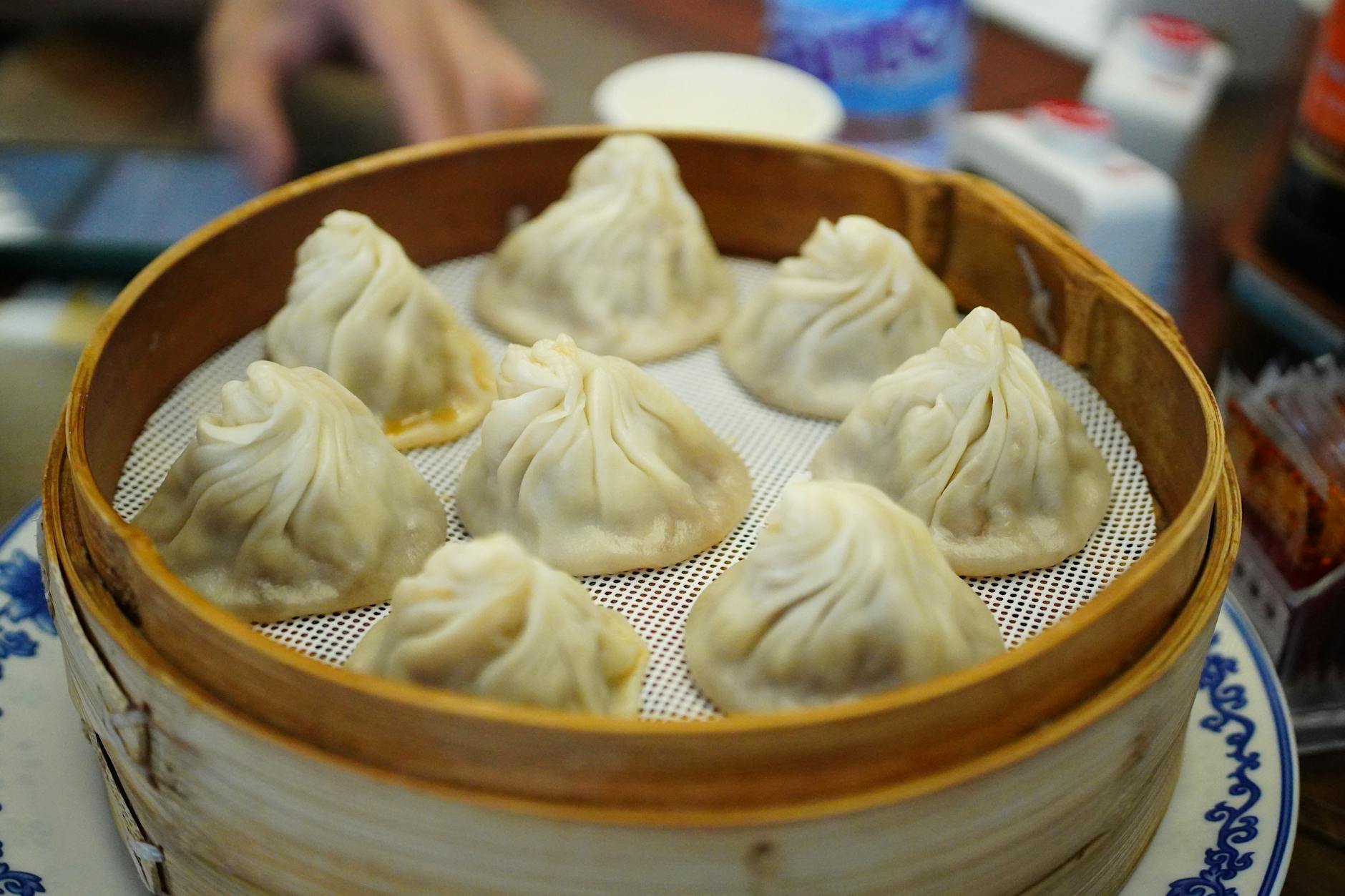
Xiao long bao are thin-skinned pork dumplings filled with a scalding burst of savory broth. The technique involves wrapping a gelatinized meat stock inside the dumpling skin so that it melts into liquid during steaming. A well-made xiao long bao has at least eighteen pleats, a translucent skin that holds without tearing, and a soup that tastes of clean pork and ginger. You eat them by placing one on a spoon, nibbling a small hole in the skin, sipping the broth, then dipping the dumpling in black vinegar with julienned ginger.
Din Tai Fung, which started as a cooking oil shop in Taipei before becoming a global empire, remains the gold standard. The original branch on Xinyi Road near Dongmen MRT station still draws long lines, but the quality control is remarkable and the experience is worth the wait. Expect to pay around NT$250 to NT$350 (roughly US$8 to US$11) for a steamer of ten. For a deeper exploration of every top spot, including lesser-known local favorites, read our dedicated xiao long bao in Taipei guide.
Beef Noodle Soup
If there is a single national dish of Taiwan, beef noodle soup is the strongest contender. This is a bowl of hand-pulled or knife-cut wheat noodles swimming in a deeply flavored broth, topped with chunks of braised beef shank or tendon, pickled mustard greens, and fresh scallions. The broth styles vary: hong shao (red-braised) uses soy sauce, doubanjiang chili paste, and warm spices like star anise and cinnamon; qing dun (clear-stewed) is lighter, letting the beef flavor speak for itself.
Taipei takes beef noodle soup so seriously that the city government hosts an annual beef noodle soup competition. A bowl at a neighborhood shop costs between NT$150 and NT$220 (US$5 to US$7), while premium restaurants charge NT$350 or more for wagyu beef versions. Yongkang Beef Noodle near Dongmen MRT station is the most famous, but dozens of shops across the city make exceptional versions. Our best beef noodle soup in Taipei guide ranks the top shops by broth style and neighborhood.

Lu Rou Fan (Braised Pork Rice)
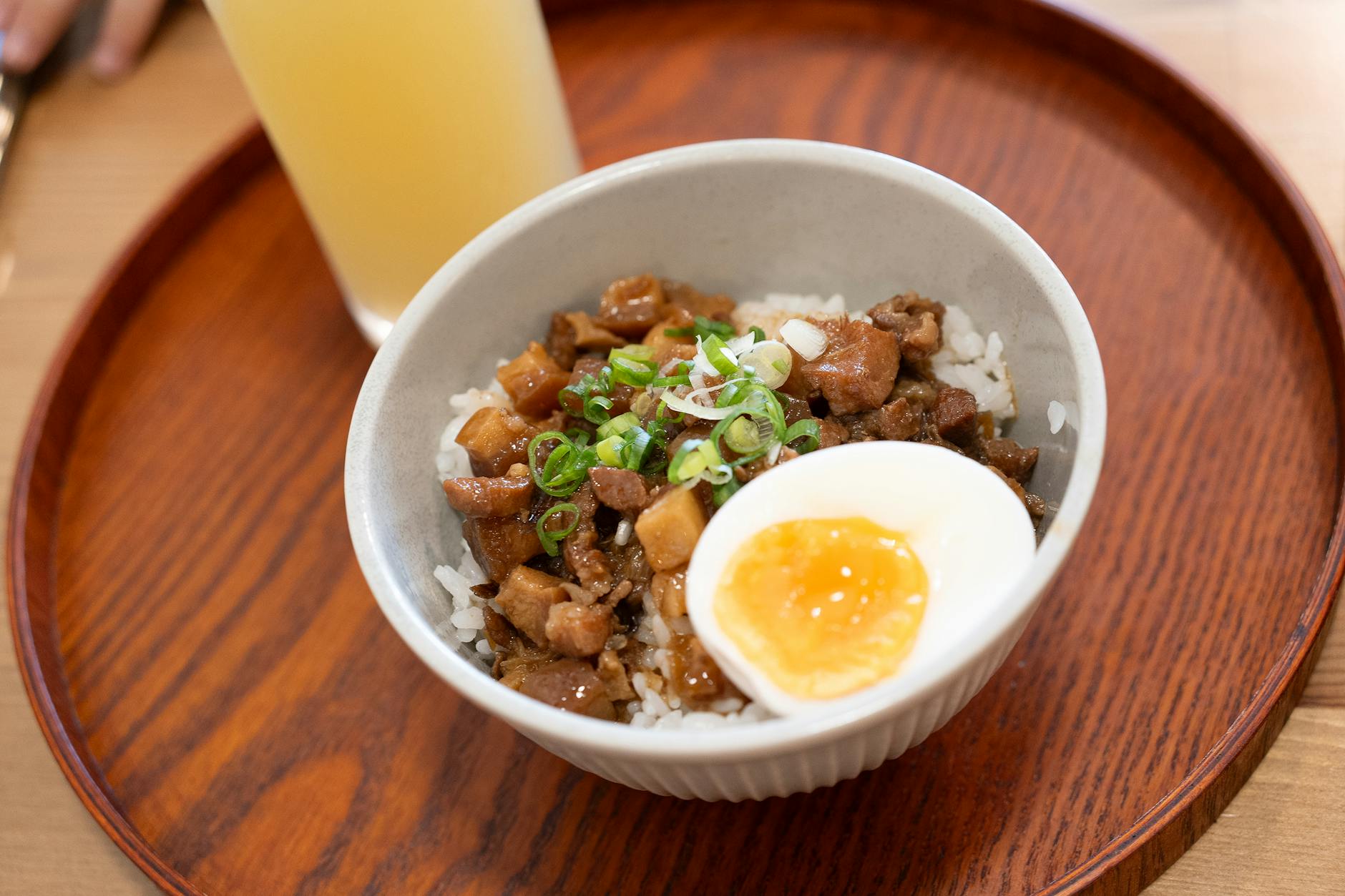
Lu rou fan is the dish that every Taiwanese person has an opinion about. It is minced or finely diced pork belly braised in soy sauce, rice wine, five-spice powder, and fried shallots, then ladled over steamed white rice. The best versions achieve a sticky, unctuous sauce with visible cubes of fat that melt on the tongue, balanced by the gentle sweetness of the shallots. Some shops add a soft-boiled egg, pickled daikon, or braised tofu on the side.
This is comfort food at its purest, and it is astonishingly cheap. A bowl of lu rou fan costs between NT$30 and NT$60 (roughly US$1 to US$2) at most traditional shops. Jin Feng Lu Rou Fan near Chiang Kai-Shek Memorial Hall MRT station is among the most celebrated, with lines that move fast and bowls that arrive in seconds. Formosa Chang is a reliable chain option found throughout the city. Do not leave Taipei without eating this dish at least three times.
Gua Bao (Taiwanese Pork Belly Bun)
Gua bao is a folded steamed bun cradling a thick slice of red-braised pork belly, topped with pickled mustard greens, cilantro, crushed peanuts, and sometimes a dusting of sugar. The combination of soft, pillowy bread with fatty, savory meat and the sharp crunch of pickled vegetables is extraordinary. It has inspired imitations worldwide, but the original remains the best.
Lan Jia Gua Bao at Gongguan Night Market, near Gongguan MRT station on the green line, has been serving what many consider the definitive version for decades. A single gua bao there costs around NT$60 (US$2). Other excellent versions appear at night markets across the city. For more on Taipei’s vibrant Taiwanese street food scene, see our comprehensive guide.

Stinky Tofu
Stinky tofu is the dish that divides tourists into two camps: those who tried it and loved it, and those who could not get past the smell. The tofu is fermented in a brine of vegetables, meat, and sometimes shrimp, which produces a pungent aroma that can be detected from a block away. Once deep-fried, the exterior becomes golden and shatteringly crispy while the interior stays soft and creamy. It is served with pickled cabbage and a sweet-and-spicy sauce.
The key is to eat it hot, fresh from the fryer, when the crunch overwhelms the funk. Dai’s House of Unique Stinky Tofu in Shida Night Market is a local favorite. Raohe Street Night Market (Songshan MRT station) and Shilin Night Market (Jiantan MRT station) both have excellent stinky tofu vendors. A plate of fried stinky tofu typically costs NT$50 to NT$70 (US$1.50 to US$2.50). Our stinky tofu in Taipei guide covers the best vendors and all the different preparation styles, including steamed and grilled versions.
Oyster Omelette (O-A-Jian)
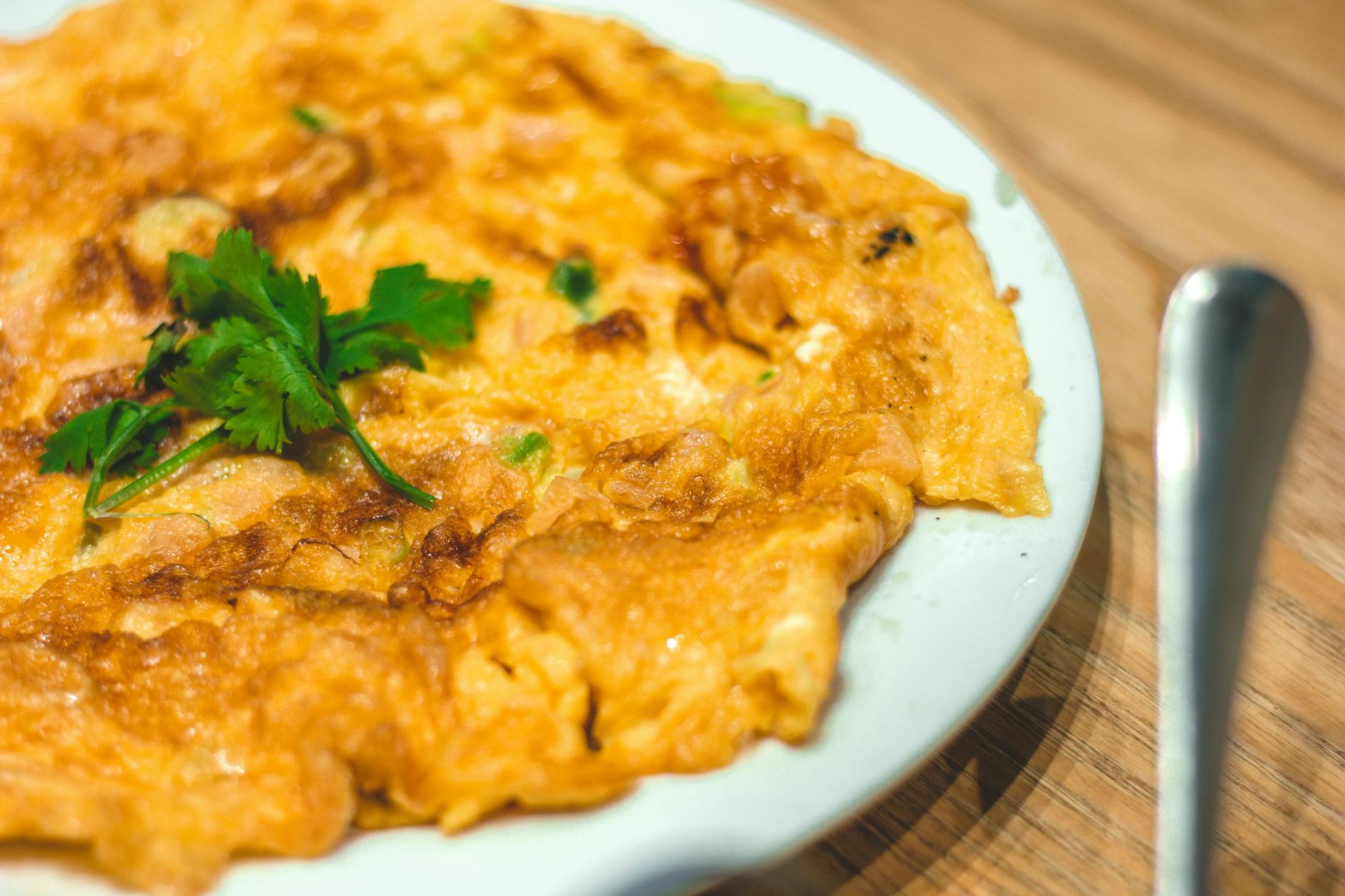
The oyster omelette is a night market staple made from small fresh oysters mixed into a batter of sweet potato starch, egg, and leafy greens, then pan-fried on a flat griddle until the starch becomes slightly gooey and the edges crisp up. It is topped with a sweet-and-savory red sauce that ties everything together. The texture is unlike anything in Western cooking, simultaneously crispy, chewy, and slippery, and the briny pop of the oysters against the sweet sauce is addictive.
Raohe Street Night Market and Ningxia Night Market both have celebrated oyster omelette vendors. Expect to pay NT$60 to NT$80 (US$2 to US$2.50) per plate. Ningxia Night Market, located near Zhongshan MRT station, is particularly known for traditional Taiwanese dishes and is less overwhelming than the enormous Shilin Night Market, making it an excellent choice for first-time visitors exploring Taipei’s night markets.
Scallion Pancake (Cong You Bing)
Scallion pancakes are flaky, layered flatbreads studded with chopped green onions, pan-fried until golden and slightly chewy. The best ones are laminated like a rough puff pastry, with dozens of paper-thin layers that shatter and separate when you tear them apart. Some vendors crack an egg onto the pancake and fold it over, creating a richer, more substantial snack. Others add basil, cheese, or ham, though purists argue that the classic scallion version needs nothing else.
Tian Jin Onion Pancake in Yongkang Street is legendary, with lines that can stretch for thirty minutes during peak hours. A basic scallion pancake costs NT$30 to NT$40 (around US$1), and the egg version runs about NT$50. Street carts throughout the city also make excellent versions, and part of the joy is discovering your own favorite.
Dan Bing (Taiwanese Egg Crepe)
Dan bing is Taiwan’s most popular breakfast item: a thin crepe made from a flour-and-sweet-potato-starch batter, topped with a beaten egg, rolled up, and sliced into pieces. The classic version is served plain with soy sauce paste, but modern breakfast shops offer fillings like corn, cheese, tuna, ham, bacon, or pork floss. The texture should be slightly chewy, the egg just set, and the whole thing should be eaten within a few minutes of being made.
Traditional breakfast shops, known as zaocan dian, are on virtually every block in Taipei. They open as early as 5:00 AM and close by noon. A dan bing costs NT$25 to NT$45 (under US$1.50), and ordering is often done by checking boxes on a paper slip. Pair it with a cup of sweetened warm soy milk for the full experience. Our Taiwanese breakfast in Taipei guide covers the best shops and explains how to navigate the ordering system.
Pepper Pork Bun (Hu Jiao Bing)
Pepper pork buns are clay-oven-baked pastries filled with a juicy mixture of marinated pork, black pepper, and green onions. The dough is slapped onto the interior wall of a scorching-hot tandoor-style oven, where it bakes until the outside is golden and flaky while the inside becomes a molten, intensely peppered pork filling. The first bite inevitably burns the roof of your mouth, and it is entirely worth it.
Fuzhou Shizu Hu Jiao Bing at Raohe Street Night Market is the most famous vendor, with lines that are part of the night market experience. Each bun costs about NT$60 (US$2). The buns come out of the oven in batches, and the smart move is to get in line about five minutes before a batch is ready. You can watch the bakers work the oven while you wait, which is part of the entertainment.
Fried Chicken (Ji Pai and Yan Su Ji)
Taiwanese fried chicken comes in two essential forms. Ji pai is an enormous, face-sized cutlet of chicken breast that is marinated, coated in sweet potato starch, deep-fried, and dusted with spice powder. It is served on a stick or in a paper bag and costs about NT$70 to NT$90 (US$2 to US$3). Hot Star Large Fried Chicken, originally from Shilin Night Market, is the most famous brand. The crunch is remarkable, and the five-spice-and-pepper seasoning is deeply savory.
Yan su ji, or salt-and-pepper chicken, is bite-sized pieces of boneless chicken fried and tossed with fried basil leaves, garlic, chili, and salt. It is arguably even more addictive than ji pai because the smaller pieces create more crispy surface area. You will find yan su ji stalls at every night market and on many street corners, typically charging NT$50 to NT$70 for a generous bag.
Bubble Tea (Boba)
Taiwan invented bubble tea in the 1980s, and Taipei remains the best place on earth to drink it. The classic version is black milk tea with chewy tapioca pearls, but the variations are endless: brown sugar boba, taro milk tea, jasmine green tea with aloe, passion fruit tea with lychee jelly, and seasonal fruit teas that change with the harvest. The tapioca pearls should be freshly cooked, soft on the outside with a slight chew in the center, and warm when the drink is served.
A standard bubble tea costs NT$40 to NT$70 (US$1.50 to US$2.50) at most chains. Chun Shui Tang in the Zhongshan district claims to have invented the drink. Tiger Sugar, with its dramatic brown-sugar-striped cups, has become a social media phenomenon. 50 Lan is a local chain that consistently delivers quality at low prices. For a thorough rundown of the best shops and styles, see our bubble tea in Taipei guide.
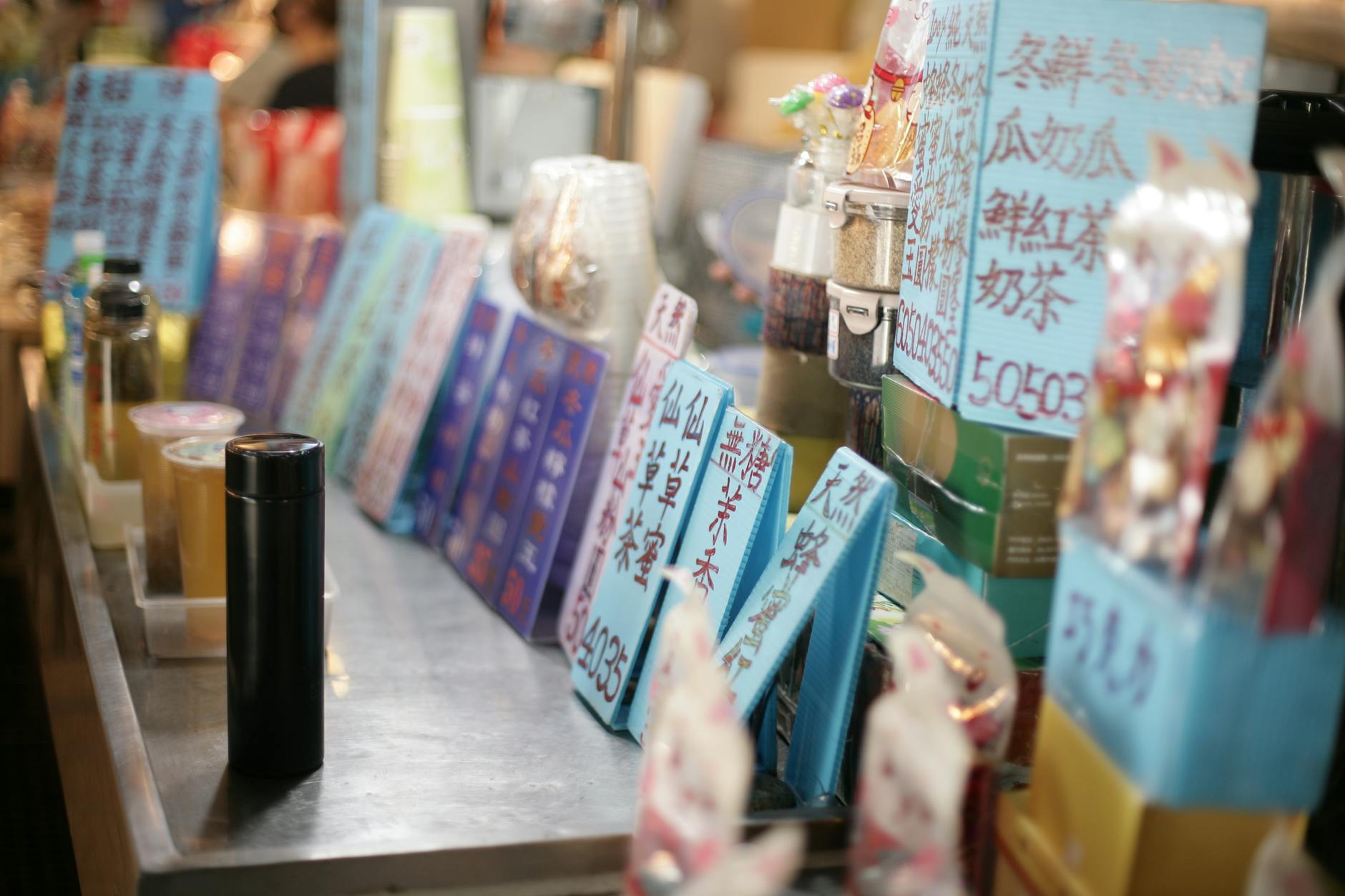
Mango Shaved Ice
From roughly May through October, when Taiwanese mangoes are in season, mango shaved ice becomes an essential part of life in Taipei. The best versions use Irwin or Aiwen mangoes, which are intensely sweet and fragrant, piled over a mountain of finely shaved ice that has been frozen from sweetened milk. The result, topped with mango sorbet, condensed milk, and sometimes mochi balls, is more like an architectural dessert than a simple shaved ice.
Ice Monster, near Zhongxiao Dunhua MRT station, and Smoothie House on Yongkang Street are the two most famous destinations. A large bowl costs NT$150 to NT$250 (US$5 to US$8) and easily feeds two people. Outside of mango season, shops serve strawberry, taro, and other seasonal variations, but nothing matches the summer mango experience. Time your trip accordingly if this is high on your priority list.
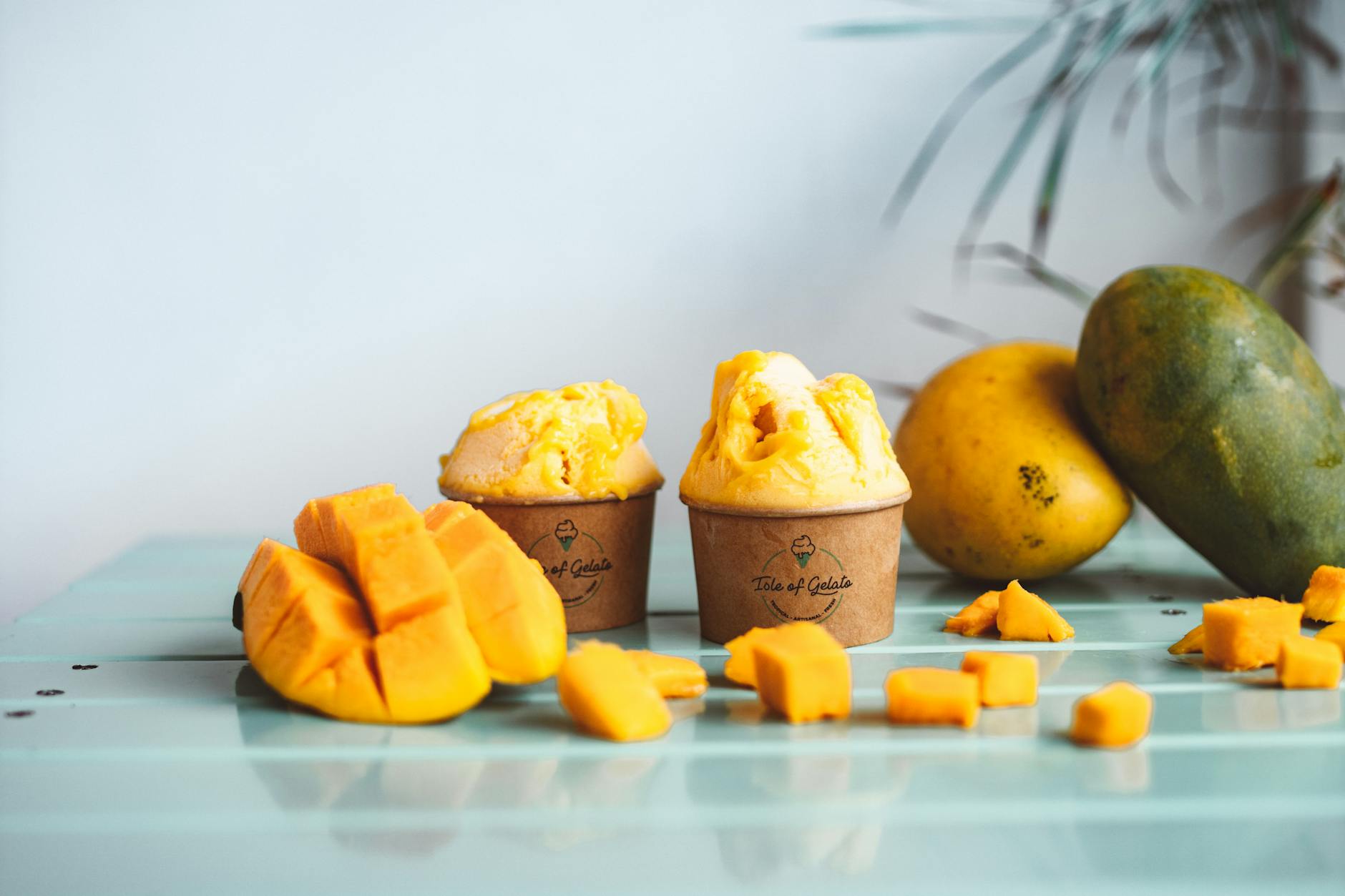
Pineapple Cake (Feng Li Su)
Pineapple cake is Taiwan’s signature souvenir pastry: a crumbly, buttery shortcrust shell filled with a sweet-tangy pineapple jam. The best versions use pure pineapple filling rather than the cheaper wintermelon-pineapple blend, and the pastry should crumble gently without being dry. Chia Te Bakery near Songshan Airport MRT station has been the most sought-after brand for years, with purchase limits during peak tourist season. A box of twelve costs around NT$420 (US$13). SunnyHills, in the Songshan Cultural Park area, uses a hundred-percent pineapple filling that is more tart and fruity. Both are excellent choices for gifts.
Where to Eat: Taipei’s Best Food Neighborhoods
Taipei’s food scene is spread across the entire city, but certain neighborhoods concentrate an unusual number of exceptional options within walking distance. These are the areas where you should plan to spend serious eating time.
Yongkang Street and the Dongmen Area
Yongkang Street, accessible from Dongmen MRT station (red and orange lines), is arguably the single best food street in Taipei for visitors. Within a few blocks you will find Din Tai Fung’s original branch, Yongkang Beef Noodle Soup, Tian Jin Onion Pancake, Smoothie House mango shaved ice, and dozens of other excellent restaurants, tea shops, and bakeries. The street also has a thriving cafe culture, which we cover in our best cafes in Taipei guide.
Start at the MRT station and walk south along Yongkang Street, then loop through the surrounding lanes. The area is compact enough to cover on foot in an afternoon, and the density of quality is unmatched. Weekday lunchtimes are the least crowded; weekend afternoons bring long lines at the most famous spots.
Dadaocheng and Dihua Street
Dadaocheng, Taipei’s oldest commercial district near Beimen and Daqiaotou MRT stations, is where you go for traditional Taiwanese flavors with historical depth. Dihua Street, the main artery, is lined with dried goods shops selling everything from shiitake mushrooms to dried mullet roe, traditional herbal medicine shops, and beautifully restored Qing-dynasty and Japanese-era buildings. The food here tends toward traditional Taiwanese, Hokkien-style preparations and old-school desserts.
Yongle Market, the covered market on the south end of Dihua Street, houses food stalls on its upper floors serving dishes that have not changed in generations. Lin He Tai, a century-old shop, sells outstanding traditional pastries. The neighborhood is also the best place to buy high-quality Taiwanese tea as a souvenir. This district is particularly rewarding if you enjoy understanding the history behind the food, and it connects well with a broader exploration of things to do in Taipei.
Night Markets
Taipei’s night markets are among the most celebrated street food destinations in Asia. They typically open around 5:00 or 6:00 PM and run until midnight or later. The atmosphere is electric: bright lights, loud vendors, dense crowds, and the mingled smells of grilling meat, frying dough, and stinky tofu competing for your attention.
Shilin Night Market (Jiantan MRT station, red line) is the largest and most famous, with hundreds of stalls spread across a vast area including an underground food court. It is excellent but can feel overwhelming on weekends. Go on a weekday evening if possible.
Raohe Street Night Market (Songshan MRT station, green line) is a single long street that is easier to navigate than Shilin. The entrance is marked by a ornate temple gate, and the famous pepper pork bun stall is right at the beginning. Quality tends to be very consistent here.
Ningxia Night Market (Zhongshan MRT station, red line) is smaller and more focused on food than games or clothing. It specializes in traditional Taiwanese dishes and is widely considered the best night market for serious eaters. The taro balls, oyster omelettes, and braised pork rice here are all exceptional.
Tonghua Night Market (Xinyi Anhe MRT station, red line) is in the upscale Da’an district and feels more local, with fewer tourists than Shilin or Raohe. The grilled squid and fried milk here are standouts.
Nanjichang Night Market (near Longshan Temple MRT station, blue line) is one of the most local and least touristy night markets. The food here is outstanding and the prices are among the lowest in the city, but signage is almost entirely in Chinese, making it a better choice for adventurous eaters or those with translation apps ready.
For a comprehensive breakdown of every major night market with maps and vendor recommendations, see our Taipei night markets guide.

Zhongshan and Shuanglian Area
The area around Zhongshan and Shuanglian MRT stations on the red line has developed into one of Taipei’s most exciting food districts. The lanes between the two stations are filled with independent restaurants, Japanese izakayas, specialty coffee shops, and modern Taiwanese eateries. Shuanglian Morning Market, a traditional wet market open until early afternoon, is one of the best places to see local daily food shopping and grab inexpensive traditional snacks.
Gongguan
Gongguan, surrounding National Taiwan University and reachable via Gongguan MRT station on the green line, is a student neighborhood with correspondingly generous portions and low prices. The small night market here features the legendary Lan Jia Gua Bao as well as excellent boba shops, cheap noodle stalls, and a surprising number of good vegetarian restaurants catering to the Buddhist student population.
A Day of Eating in Taipei: A Sample Itinerary
To illustrate how a well-planned eating day works in Taipei, here is a realistic itinerary that balances famous spots with neighborhood discoveries. Adjust quantities based on your appetite, but the key principle is to eat small amounts at many places rather than large meals at a few.
6:30 AM Start at a traditional breakfast shop near your hotel. Order a dan bing with egg and corn, a fan tuan (sticky rice roll stuffed with pickled vegetables, pork floss, and a fried breadstick), and a cup of warm sweetened soy milk. Total cost: approximately NT$80 (US$2.50).
9:00 AM Walk through Shuanglian Morning Market. Sample a fresh-cut fruit cup (NT$50) and watch the vendors at work. This is not a tourist attraction but a functioning market where locals buy their daily groceries.
11:30 AM Head to Yongkang Street for an early lunch at Yongkang Beef Noodle Soup. Arriving before noon avoids the worst of the lunch rush. Order the half-tendon, half-shank beef noodle soup (NT$250, roughly US$8).
1:00 PM Walk off lunch and stop at Tian Jin Onion Pancake on Yongkang Street for a scallion pancake with egg (NT$50). Eat it immediately; it does not improve with waiting.
2:30 PM Mango shaved ice at Smoothie House (seasonal, NT$180). Split one bowl between two people unless you have an extraordinary appetite.
3:30 PM Take the MRT to Zhongshan for coffee at one of the neighborhood’s specialty roasters, covered in our best cafes in Taipei guide. Rest, recharge, and prepare for the evening.
5:30 PM Head to Raohe Street Night Market. Start with a pepper pork bun at the entrance (NT$60), then work your way down the street, sampling stinky tofu (NT$60), medicinal herbal soup (NT$70), and grilled king oyster mushroom (NT$50).
8:00 PM End with bubble tea from a nearby tea shop (NT$55). Walk back to your hotel or to the MRT station, making a mental list of everything you want to eat tomorrow.
Total food spend for the day: approximately NT$900 (US$28). This is not a budget itinerary; this is simply what food costs in Taipei. You can eat exceptionally well for very little money. Check our where to stay in Taipei guide for hotel recommendations in the best food neighborhoods.
Taipei Food Etiquette and Practical Tips
Taiwanese people are generally forgiving of cultural missteps by visitors, but a few customs are worth knowing. They will make your experience smoother and show respect for the culture you are enjoying.
Chopsticks: Never stick your chopsticks vertically into a bowl of rice. This resembles incense offerings to the dead and is considered deeply inauspicious. When you are not using your chopsticks, lay them flat across your bowl or on the chopstick rest. Do not point with them, tap them on the table, or use them to spear food.
Tipping: Taiwan does not have a tipping culture. Do not tip at restaurants, night market stalls, or tea shops. Some high-end restaurants add a ten-percent service charge automatically, but additional tipping is unnecessary and can cause confusion.
Ordering at stalls: Many traditional stalls and small restaurants use paper order slips. You check the boxes next to the items you want, write the quantity, and hand the slip to the staff. Some stalls will have English menus or picture menus; many will not. Having a translation app with a camera function on your phone is extremely useful. Pointing at what other customers are eating is also a perfectly acceptable ordering strategy.
Sharing tables: At busy restaurants and food courts, sharing tables with strangers is standard practice. If you see an empty seat at an otherwise occupied table, you may sit down without asking, though a polite nod is appreciated. This is not intrusive; it is simply how things work when space is limited.
Payment: Cash is still king at night markets, traditional stalls, and many smaller restaurants. Carry NT$500 to NT$1,000 in small bills and coins when visiting night markets. Larger restaurants, chains, and shopping mall food courts generally accept credit cards and mobile payments. The EasyCard, which you use for the MRT and buses, can also be used to pay at convenience stores and some food stalls.
Water and tea: Tap water in Taipei is safe after boiling but most locals and visitors drink bottled or filtered water. Many restaurants serve free tea, usually barley tea or oolong, instead of water. Night market stalls do not provide drinks; buy your beverages separately from drink stalls.
Queuing: Taiwanese people queue patiently and expect you to do the same. Cutting in line is considered very rude. Some popular stalls have disorganized-looking crowds, but there is almost always an understood order. When in doubt, ask “pai dui ma?” (am I in the queue?) and someone will gesture you to the right spot.
Vegetarian and Vegan Eating in Taipei
Taipei is one of the most vegetarian-friendly cities in Asia, thanks largely to the influence of Buddhism on Taiwanese culture. Approximately 13 percent of Taiwan’s population identifies as vegetarian or mostly vegetarian, one of the highest rates in the world. This means the infrastructure for plant-based eating is robust and well-established.
Buddhist vegetarian restaurants, marked with a swastika symbol (a Buddhist symbol of good fortune, unrelated to its Western connotation) or the characters su shi, are found throughout the city. These restaurants serve entirely plant-based menus that typically avoid garlic, onion, and other alliums in addition to meat. The cuisine is sophisticated, with mock meats made from soy, wheat gluten, and mushrooms that are remarkably convincing. A full meal at a Buddhist vegetarian buffet, priced by the weight of your plate, costs between NT$80 and NT$150 (US$2.50 to US$5).
Beyond traditional Buddhist restaurants, Taipei has a growing scene of modern vegan cafes and plant-based restaurants that cater to younger, health-conscious diners. These range from raw food bars to vegan ramen shops to plant-based versions of Taiwanese classics. Ooh Cha Cha in the Da’an district and About Animals in Dazhi are two popular options with English menus and creative, flavorful food.
At night markets and traditional restaurants, many dishes are naturally vegetarian or can be made so. Scallion pancakes, sweet potato balls, grilled corn, candied tomatoes, stinky tofu (if fried in vegetable oil, which is common), and numerous noodle and rice dishes can all work for vegetarians. Always ask “you mei you rou?” (does this have meat?) or show a card in Chinese explaining your dietary restrictions. For a comprehensive directory, see our vegetarian restaurants in Taipei guide.
Michelin Dining in Taipei
Taipei has been included in the Michelin Guide since 2018, and the city’s starred restaurant list reveals the extraordinary range of its food scene. Starred restaurants span from high-end contemporary Chinese and French-Japanese fusion to a beef noodle soup shop and a night market stall, reflecting Michelin’s recognition that greatness in Taipei is not limited to white-tablecloth settings.
Le Palais at the Palais de Chine Hotel, near Taipei Main Station, has held two Michelin stars for its refined Cantonese cuisine. The dim sum lunch here is exceptional and more accessible than the full dinner, with prices starting around NT$1,500 (US$47) per person for lunch.
RAW, chef Andre Chiang’s Taipei restaurant in the Zhongshan district, reimagines Taiwanese ingredients through a modernist lens. The tasting menu changes every season and draws from local farms, fishermen, and indigenous communities. Reservations open online and sell out quickly. A tasting menu runs approximately NT$3,200 (US$100) before drinks.
Logy, a Japanese-Taiwanese fusion restaurant in Da’an, consistently earns Michelin recognition for its intimate omakase-style dining experience. The prix fixe runs around NT$4,500 (US$140) and seamlessly blends Japanese technique with Taiwanese produce.
The Michelin Bib Gourmand list, which highlights excellent value, is where Taipei really shines. Dozens of street food stalls and modest restaurants appear on this list, proving that you do not need to spend heavily to eat at a Michelin-recognized level. Our Michelin restaurants in Taipei guide covers the complete list with reservation tips and pricing.
Food Tours in Taipei
A guided food tour is one of the best investments you can make on your first visit to Taipei, especially if you do not speak Mandarin. A knowledgeable local guide does more than just take you to good stalls. They explain the dishes, translate menus, negotiate orders, share cultural context, and bring you to places you would likely walk past on your own.
Most food tours in Taipei focus on a specific neighborhood or theme: night market tours, breakfast tours, old Taipei culinary walks through Dadaocheng, and modern food tours covering trendy restaurants. Prices range from NT$1,500 to NT$3,000 (US$47 to US$94) per person for tours lasting three to four hours, which includes all food. Given that the food alone might cost NT$500 or more, and you are also getting a guide, cultural context, and hours of entertainment, this represents strong value.
Some reputable operators run small-group tours of six to eight people, which allows for more personal interaction and easier seating at small stalls. Private tours are available for those who want a fully customized experience. Most tours can accommodate dietary restrictions including vegetarian, vegan, halal, and gluten-free with advance notice. For specific tour recommendations and booking information, see our Taipei food tours guide.
Budget Tips for Eating in Taipei
Taipei is one of the cheapest cities in the developed world for high-quality food. With a few smart strategies, you can eat extraordinary meals for very little money.
Set a daily food budget of NT$500 to NT$800 (US$16 to US$25) and you will eat very well. This covers breakfast at a traditional shop (NT$60 to NT$80), a substantial lunch at a local restaurant (NT$120 to NT$200), afternoon snacks or bubble tea (NT$50 to NT$80), and a full night market dinner with multiple dishes (NT$200 to NT$350). You will not feel like you are scrimping.
Eat where locals eat. If a restaurant has a menu in four languages with photos and English descriptions, it is usually more expensive and sometimes lower quality than the crowded stall next door with a handwritten Chinese menu and a line out the door. Follow the lines.
Convenience stores are surprisingly good. Taiwan’s 7-Eleven and FamilyMart stores (there are over 12,000 on the island) serve hot food that is legitimately tasty. Tea eggs braised in soy sauce and spices (NT$13), onigiri rice balls (NT$28 to NT$35), and boxed lunches (NT$65 to NT$90) are all solid options for quick, cheap meals. These stores are everywhere and open around the clock.
Self-service food courts in department store basements offer high-quality meals at reasonable prices. The basement food halls at Breeze Center, Shin Kong Mitsukoshi, and Far Eastern Mega Mall are filled with restaurants serving Japanese, Taiwanese, Korean, and Western food at prices that undercut standalone restaurants.
Markets are your friend. Traditional morning markets sell fresh fruit, prepared snacks, and hot food for very low prices. Shuanglian Morning Market, Nanjichang Market, and Dongmen Market are all excellent. Supermarkets and stores like PX Mart sell prepared foods, snacks, and drinks at retail prices.
Drink water, not packaged beverages. Bubble tea and specialty drinks add up if you buy three or four a day. Fill a water bottle at your hotel and save the beverage budget for one really good boba per day.
Seasonal and Regional Specialties
Taipei’s food scene shifts with the seasons, and timing your visit to certain ingredients can elevate the trip significantly.
Spring (March to May): Bamboo shoots appear in soups and stir-fries. Green mango with plum powder shows up as a street snack. Strawberry season winds down but the last berries of the year are sweet and prized.
Summer (June to September): Mango season is the headliner, with Irwin mangoes at their peak in June and July. Lychee, longan, passion fruit, and dragon fruit fill the markets. Shaved ice shops are at their best. The heat is intense, so cold desserts and iced teas become essential.
Autumn (October to November): Persimmons, pomelos, and sweet potatoes come into season. Crab, especially mitten crab, appears on restaurant menus. The weather cools enough to make hot soups and hotpot appealing again.
Winter (December to February): Hot pot becomes a near-daily activity for locals. Tangyuan (glutinous rice balls in sweet broth) are eaten during the Winter Solstice and Lantern Festival. Strawberry season starts in December. Hot sweet potato from street carts becomes an essential cold-weather snack.
Taiwan also produces excellent food outside of Taipei that can be explored on day trips from Taipei. Jiufen, a mountain town about ninety minutes by bus, is famous for taro balls and traditional tea houses. Yingge is known for its ceramics but also has excellent traditional food. Tamsui, reachable by MRT, has its own waterfront food culture including ah-gei (tofu stuffed with vermicelli) and iron eggs (eggs braised repeatedly until dense and dark).
Taipei’s Cafe Culture and Dessert Scene
Taipei has an extraordinarily developed cafe and dessert culture that deserves attention beyond just bubble tea and shaved ice. The city is home to world-class specialty coffee roasters who source beans from Taiwan’s own Ali Shan and Sun Moon Lake growing regions as well as international estates. A pour-over or espresso drink at a top cafe costs NT$120 to NT$200 (US$4 to US$6), comparable to specialty cafe prices in Portland or Melbourne.
Traditional Taiwanese desserts are equally compelling. Douhua (silken tofu pudding) served warm with ginger syrup and taro balls is a soulful, inexpensive treat available at street stalls for NT$40 to NT$60. Aiyu jelly, made from a fig seed unique to Taiwan, is served over crushed ice with lemon and honey. Peanut ice cream rolls, made with shaved peanut candy, cilantro, and ice cream wrapped in a thin crepe, are a beloved night market classic.
Modern patisseries have also flourished. Taiwanese pastry chefs trained in France and Japan have opened shops producing exceptional croissants, tarts, and East-West fusion pastries. The result is a dessert landscape where century-old recipes and avant-garde techniques coexist harmoniously.
Practical Information for Food-Focused Travelers
Language: English menus are common at restaurants in tourist areas, major chains, and upscale restaurants. At traditional stalls, night markets, and neighborhood shops, menus are often Chinese-only. Google Translate’s camera mode works well for translating written menus. Learning a handful of food-related Mandarin phrases is helpful: zhe ge (this one), duo shao qian (how much), bu yao la (not spicy), bu yao xiang cai (no cilantro), and xie xie (thank you).
Allergies and dietary restrictions: Allergy awareness is improving in Taipei but is not yet at the level of Western cities. If you have serious food allergies, carry a card in Traditional Chinese that clearly states your allergies. Common allergens like peanuts, shellfish, and sesame appear frequently in Taiwanese cooking, often in unexpected places like sauces and seasonings.
Food safety: Taipei’s food safety standards are high. Night market food is cooked to order and served hot. Ice in drinks is made from filtered water and is safe. The biggest risk for most travelers is simply eating too much too fast, which can cause digestive discomfort. Start with moderate portions and give your stomach a day to adjust to the richness and variety.
Transportation between food stops: The Taipei MRT system is clean, efficient, and inexpensive, making it easy to hop between food neighborhoods. An EasyCard costs NT$100 (refundable deposit) and fares range from NT$20 to NT$65 per trip. Most food neighborhoods are within a short walk of an MRT station. Taxis and ride-sharing apps are cheap and readily available for late-night returns from distant night markets.
Best months to visit for food: Every month is good for eating in Taipei, but June through August offer mango season and the full range of tropical fruit. October through December bring comfortable temperatures for walking between food stops, plus seasonal crab and autumn produce. January and February coincide with Lunar New Year, which offers special holiday foods but also means some family-run shops close for a week or more.
Explore more Taipei guides
Frequently Asked Questions
What is the best street food in Taipei?
The best street food in Taipei depends on your preferences, but the dishes that consistently earn the most praise from visitors and locals alike are xiao long bao, pepper pork buns from Raohe Night Market, gua bao from Lan Jia at Gongguan, and oyster omelettes from Ningxia Night Market. Stinky tofu is polarizing but beloved by those who enjoy it. The beauty of Taipei’s street food scene is its depth: you could eat street food three meals a day for a week and never repeat a dish. Our Taiwanese street food guide ranks the essential dishes and tells you where to find the best versions.
How much does food cost in Taipei?
Food in Taipei is remarkably affordable. A full breakfast at a traditional shop costs NT$50 to NT$100 (US$1.50 to US$3). A bowl of beef noodle soup at a respected shop runs NT$150 to NT$250 (US$5 to US$8). Night market dishes average NT$50 to NT$80 (US$1.50 to US$2.50) each. Bubble tea costs NT$40 to NT$70 (US$1.50 to US$2.50). A realistic daily food budget for eating well is NT$500 to NT$800 (US$16 to US$25). Michelin-starred dining ranges from NT$1,500 to NT$5,000 (US$47 to US$156) per person. Even at the high end, Taipei is a bargain compared to Tokyo, Hong Kong, or Singapore.
Is Taipei food safe for tourists?
Yes, Taipei has excellent food safety standards. Street food is cooked to order and served hot, restaurants are regularly inspected, and tap water is safe after boiling (most locals drink filtered or bottled water). Ice in drinks is made from purified water. The most common issue for visitors is overeating, which can cause mild digestive discomfort. Start with moderate portions on your first day and avoid combining too many rich, oily dishes in a single meal. Carrying basic stomach medication is sensible but most visitors have no issues at all.
Do I need to speak Chinese to eat in Taipei?
No, but a few basic phrases help. Major restaurants and tourist-area stalls often have English menus or picture menus. At traditional stalls, you can point at what you want, show pictures on your phone, or use a translation app. Many younger Taiwanese people speak some English and are happy to help. The most useful phrases are zhe ge (this one), pointing at the item you want, and xie xie (thank you). For a worry-free first experience, consider booking a food tour with an English-speaking guide.
What is the best night market in Taipei for food?
Ningxia Night Market is widely considered the best for pure food quality and traditional Taiwanese dishes. It is smaller and less chaotic than Shilin, with a concentration of vendors who have been perfecting single dishes for decades. Raohe Street Night Market is also excellent, with a more manageable linear layout and the famous pepper pork bun stall. Shilin Night Market is the largest and most varied, making it worth a visit for the sheer spectacle even though quality is less consistent. For a comprehensive comparison, see our Taipei night markets guide.
Can I eat vegetarian or vegan in Taipei?
Absolutely. Taipei is one of the most vegetarian-friendly cities in Asia. Buddhist vegetarian restaurants are found throughout the city, many traditional dishes are naturally vegetarian or easily modified, and a growing number of modern vegan cafes offer creative plant-based cuisine. Buffet-style Buddhist vegetarian restaurants serve filling, delicious meals for under NT$150 (US$5). Our vegetarian restaurants in Taipei guide lists the best options by neighborhood and cuisine style.
Where can I find the best xiao long bao in Taipei?
Din Tai Fung’s original branch on Xinyi Road, near Dongmen MRT station, remains the benchmark. The quality control is extraordinary and the experience is part of Taipei’s food history. For alternatives without the wait, several excellent dumpling restaurants across the city serve comparable or, some argue, superior versions. Hangzhou Xiao Long Bao on Hangzhou South Road is a popular local favorite with shorter lines. See our full xiao long bao in Taipei guide for a complete ranking.
What should I eat for breakfast in Taipei?
Traditional Taiwanese breakfast is one of the great underrated food experiences in Asia. Start with a dan bing (egg crepe) with your choice of filling, paired with warm sweetened soy milk. Add a fan tuan (sticky rice roll) or shao bing you tiao (flaky sesame flatbread wrapped around a fried breadstick). Congee with pickled side dishes is another classic option. Traditional breakfast shops are everywhere, open from around 5:00 AM to noon, and a full breakfast costs under NT$100 (US$3). Our Taiwanese breakfast in Taipei guide covers the best shops and explains every item on the menu.
Is Taipei worth visiting just for the food?
Without question, yes. Taipei is a world-class food destination that rivals any city on the planet for quality, variety, value, and sheer volume of options. Many food-focused travelers rank it alongside Tokyo, Bangkok, and Mexico City as one of the greatest eating cities in the world. The combination of street food culture, traditional Taiwanese cuisine, Japanese influence, modern innovation, and astonishing value makes it uniquely compelling. And while you are there, the city’s temples, hot springs, hiking trails, and cultural attractions provide plenty to do between meals. Explore our things to do in Taipei guide and Taipei travel guide to start building your itinerary.
When is the best time to visit Taipei for food?
Every season offers excellent eating, but the optimal months depend on your priorities. June through August bring mango season and the full range of tropical fruit, though the heat and humidity are intense. October and November offer comfortable walking weather and autumn seasonal ingredients. March through May are pleasant for exploring on foot. December through February bring Lunar New Year specialties and strawberry season. The only suboptimal time is the week of Lunar New Year itself, when many family-run shops close, though night markets generally remain open. Whenever you visit, you will eat magnificently.
One honest caveat to everything on this page: ask a Taiwanese person where the country’s best food is and they will not say Taipei. They will say Tainan, immediately, and they have a case — danzai noodles, milkfish congee for breakfast, coffin bread and beef soup that sells out by nine all originate there, and the whole southern tradition runs sweeter and older. It is an hour and three quarters away. Our guide to Taipei to Tainan makes the case and tells you what to order.