This article contains advertising. Our booking links are routed through a partner that adds commission tracking automatically, so if you book through one we earn a commission from the provider, at no extra cost to you. It never affects what we recommend. Affiliate disclosure
Taipei Night Markets: The Complete Guide for Every Traveler
No trip to Taiwan’s capital is complete without an evening spent wandering through Taipei night markets, where the sizzle of grills, the fragrance of spices, and the hum of thousands of locals and travelers create an atmosphere unlike anything else in Asia. These open-air food halls and shopping labyrinths are not tourist attractions bolted onto the city; they are the living, breathing heart of Taipei’s social life. Every neighborhood has one. Every local has a favorite stall. And every visitor who steps into the neon-lit lanes for the first time understands, almost immediately, why Taiwan has earned its reputation as one of the greatest street food destinations on the planet. This guide covers everything you need to navigate the city’s most celebrated markets with confidence, from the sprawling corridors of Shilin to the intimate lanes of Nanjichang.

Why Night Markets Matter in Taiwanese Culture
Night markets are far more than places to grab a quick meal. They are community institutions with roots stretching back over a century, when farmers and merchants would gather near temples after sundown to trade goods and share food. Over generations, these informal gatherings evolved into permanent fixtures of urban life. Today, Taipei is home to more than 30 registered night markets, and most Taipei residents visit at least one on a weekly basis.
The cultural significance runs deep. Night markets are where families celebrate small occasions, where teenagers go on first dates, where elderly neighbors catch up over bowls of oyster vermicelli. They are democratic spaces: a billionaire tech executive and a university student stand in the same line for the same pepper bun, paying the same price. There is no VIP section, no reservation list, no dress code. You eat standing up, sitting on plastic stools, or walking through the crowd with a skewer in hand.
For the Taiwanese economy, night markets generate billions of NT$ annually and support tens of thousands of small family businesses. Many stalls have been operated by the same family for two or three generations, with recipes passed down and refined over decades. When the Michelin Guide arrived in Taipei, it recognized several night market vendors with Bib Gourmand awards, confirming what locals always knew: some of the best food in the city costs less than a cup of coffee back home.
Understanding this context matters for visitors. When you visit a Taipei night market, you are participating in something culturally significant. Approach with curiosity and respect, and the experience will reward you many times over. For broader context on Taiwanese food culture, see our Taipei food guide.
The Big Five: Taipei’s Most Famous Night Markets
While Taipei has dozens of night markets, five stand above the rest in terms of size, reputation, and the quality of their offerings. Each has a distinct personality, and experienced visitors often dedicate a separate evening to each one. Below, we cover every detail you need to plan your visits.
1. Shilin Night Market: The Icon
Location: Shilin District, centered around Jihe Road and Danan Road
Nearest MRT: Jiantan Station (Red Line), Exit 1 — note that it is Jiantan, not Shilin Station
Hours: Most stalls open by 5:00 PM, peak hours 7:00-10:00 PM, many stalls open until midnight or later on weekends
Crowd Level: High. This is the most visited night market in Taipei, drawing upwards of 10,000 visitors on a busy Saturday night.
Shilin is the market most visitors experience first, and for good reason. It is the largest night market in Taipei, spanning multiple city blocks with hundreds of food stalls, clothing vendors, game booths, and specialty shops. The underground food court, located beneath the main market building, is a cavernous space packed with stalls serving everything from massive fried chicken cutlets to delicate tofu pudding.
The market has two distinct zones. The above-ground area along Danan Road and the surrounding alleys is heavy on clothing, accessories, and carnival-style games. The underground Shilin Market Food Court is where serious eaters head first. The food court was renovated in recent years and now features better ventilation and cleaner facilities than the old layout.
Top 5 Foods at Shilin:
- XXL Fried Chicken Cutlet (ji pai): The signature dish of Shilin, these enormous crispy cutlets are bigger than your face. Seasoned with five-spice powder and fried to a shattering crunch. NT$70-85 (approximately USD $2.20-2.70).
- Oyster Omelette (o-a-jian): A chewy, starchy omelette loaded with small oysters and topped with a sweet-savory red sauce. NT$65-80 (USD $2.00-2.50).
- Stinky Tofu (chou doufu): Deep-fried fermented tofu served with pickled cabbage. The smell is intense; the flavor is addictive. NT$50-70 (USD $1.60-2.20).
- Scallion Pancake with Egg (dan bing): Flaky, layered flatbread with a fried egg folded inside, often brushed with sweet soy paste. NT$35-50 (USD $1.10-1.60).
- Mango Shaved Ice: Mountains of finely shaved ice topped with fresh mango, condensed milk, and mango syrup. Seasonal but available most of the year. NT$80-120 (USD $2.50-3.80).
Best Time to Visit: Weekday evenings between 5:30 and 7:00 PM offer the shortest lines. Friday and Saturday nights are the most energetic but also the most crowded. If you want photos without dense crowds, Tuesday or Wednesday is ideal.
For a deep dive into navigating Shilin’s maze of stalls, read our complete Shilin Night Market guide.

2. Raohe Street Night Market: The Foodie Favorite
Location: Songshan District, Raohe Street between Bade Road and Fuyuan Street
Nearest MRT: Songshan Station (Green Line), Exit 5
Hours: 5:00 PM to midnight daily
Crowd Level: Medium-high. Raohe is a single straight lane, so it can feel more congested than it actually is.
If Shilin is the blockbuster, Raohe is the critically acclaimed independent film. This market occupies a single 600-meter lane, making it more focused and easier to navigate. It is widely considered the best night market in Taipei for serious food lovers, and several of its vendors have earned Michelin Bib Gourmand recognition.
The entrance at the Songshan Ciyou Temple end is iconic: a grand traditional gate frames the lane, and the scent of the famous Black Pepper Bun hits you within steps. The temple itself, dedicated to the sea goddess Mazu, is worth a visit before or after your market exploration. The combination of incense from the temple and grilling aromas from the stalls creates a sensory experience unique to Raohe.
Top 5 Foods at Raohe:
- Fuzhou Black Pepper Bun (hujiao bing): The single most famous item at Raohe. Pork and scallion filling encased in flaky dough, slapped onto the inside wall of a clay oven and baked until charred. The line is long, and it is worth every minute. NT$60 (USD $1.90).
- Medicinal Stewed Ribs (yao dun paigu): Tender pork ribs slow-simmered in a fragrant herbal broth with Chinese medicinal herbs. Rich, warming, and deeply savory. NT$75-90 (USD $2.40-2.80).
- Stewed Pork Rice (lu rou fan): Braised minced pork belly in soy-based sauce over white rice. Simple and profoundly satisfying. NT$40-50 (USD $1.30-1.60).
- Grilled Squid on a Stick: Whole squid charred over coals and brushed with a sweet soy glaze. Smoky and chewy. NT$100-150 (USD $3.20-4.70).
- Tanghulu (Candied Fruits): Fresh strawberries, tomatoes, or grapes coated in a crackling shell of hot sugar. A beautiful and delicious snack. NT$50-80 (USD $1.60-2.50).
Best Time to Visit: Arrive right at 5:00 PM to beat the pepper bun line. By 7:00 PM on weekends, the queue can stretch to 30-40 minutes. The market thins out after 10:00 PM if you prefer a calmer pace.
Get the full breakdown in our Raohe Night Market guide.

3. Ningxia Night Market: The Local’s Choice
Location: Datong District, Ningxia Road between Nanjing West Road and Minsheng West Road
Nearest MRT: Zhongshan Station (Red/Green Lines), Exit 1, or Shuanglian Station (Red Line), Exit 1 — both are about a 5-minute walk
Hours: 6:00 PM to midnight daily
Crowd Level: Medium. Manageable even on weekends, with a more relaxed pace than Shilin or Raohe.
Ningxia is the market that food critics, local chefs, and in-the-know travelers recommend most often. It is compact, spanning just one short block, but the concentration of quality is extraordinary. Multiple vendors here hold Michelin Bib Gourmand awards, and the market has been recognized as one of the best street food destinations in Asia by several international food publications.
What sets Ningxia apart is its focus. There are almost no clothing stalls, game booths, or souvenir shops. It is nearly 100% food, and the quality control is high because the market association actively curates its vendors. The seating area in the center of the lane, with communal tables shared by strangers, gives it a convivial, almost family-dinner atmosphere.
Top 5 Foods at Ningxia:
- Taro Balls and Sweet Soup (yu yuan): Chewy handmade taro and sweet potato balls in a warm sweet soup, sometimes with red beans or peanuts. NT$50-65 (USD $1.60-2.00).
- Oyster Omelette: Ningxia’s version rivals Shilin’s, with many locals arguing it surpasses it. Plumper oysters, a crispier edge. NT$70-85 (USD $2.20-2.70).
- Braised Pork Rice (lu rou fan): Several stalls here compete for the title of Taipei’s best. The pork is fattier and more unctuous than typical versions. NT$35-50 (USD $1.10-1.60).
- Egg Yolk Taro Croquette: A crispy deep-fried ball filled with mashed taro and a runny salted egg yolk center. Rich and indulgent. NT$40-55 (USD $1.30-1.70).
- Fresh Fruit Juice: Ningxia’s juice vendors squeeze to order. Papaya milk is the local favorite. NT$40-60 (USD $1.30-1.90).
Best Time to Visit: Any weekday evening is comfortable. Ningxia is small enough that even weekend crowds do not create the crushing density of Shilin. Arrive around 7:00 PM for the widest selection — some stalls sell out of popular items by 9:00 PM.
Explore more in our dedicated Ningxia Night Market guide.
4. Tonghua (Linjiang) Night Market: The Neighborhood Gem
Location: Da’an District, Linjiang Street near the intersection with Tonghua Street
Nearest MRT: Xinyi Anhe Station (Red Line), Exit 3
Hours: 6:00 PM to midnight daily, some stalls open until 1:00 AM
Crowd Level: Low to medium. This is one of the least crowded major markets, making it ideal for those who prefer a relaxed experience.
Tonghua, also known as Linjiang Night Market, sits in the upscale Da’an district near the Xinyi shopping area. Despite its proximity to Taipei 101 and the city’s most expensive real estate, this market retains an authentic neighborhood character. You will see far more locals than tourists here, especially young professionals from the surrounding apartment buildings stopping by for dinner on their way home from work.
The market is mid-sized, running along a single lane with a few branching alleys. The food leans toward traditional Taiwanese comfort dishes, and several stalls have been operating for 30 or 40 years. The lack of heavy tourist traffic means prices tend to be slightly lower and portions slightly more generous than at Shilin or Raohe.
Top 5 Foods at Tonghua:
- Stinky Tofu (Crispy style): Tonghua is famous for its crispy fried stinky tofu, served with a tangy pickled cabbage that cuts through the richness. NT$50-65 (USD $1.60-2.00).
- Shrimp Roll (xia juan): Minced shrimp wrapped in bean curd skin and deep-fried until golden. Served with a pepper-salt dip. NT$60-80 (USD $1.90-2.50).
- Mochi with Peanut (ma ji): Soft, chewy rice cakes rolled in crushed peanut powder and sugar. Simple, satisfying, and deeply traditional. NT$30-50 (USD $0.95-1.60).
- Beef Noodle Soup: While beef noodle soup is everywhere in Taipei, Tonghua has several stalls that rank among the city’s best. Rich, beefy broth with hand-pulled noodles. NT$120-160 (USD $3.80-5.00).
- Grilled Corn (kao yumi): Whole ears of corn brushed with a sweet-savory glaze and charred over coals. The glaze is the secret; each vendor has a proprietary recipe. NT$50-70 (USD $1.60-2.20).
Best Time to Visit: Because Tonghua is less visited by tourists, timing is less critical. Any evening works well. The post-dinner dessert stalls are busiest around 9:00-10:00 PM.
Read the full details in our Tonghua Night Market guide.

5. Nanjichang Night Market: The Hidden Champion
Location: Zhongzheng District, Nanjichang Road near Roosevelt Road
Nearest MRT: Zhongzheng Memorial Hall Station (Red/Green Lines), Exit 2, then a 10-minute walk; or take the bus
Hours: 6:00 PM to midnight daily
Crowd Level: Low. This is one of the least crowded markets in central Taipei, and that is a significant part of its charm.
Nanjichang is the market that Taipei residents recommend to their close friends. It is small, slightly off the beaten path, and almost entirely free of tourist crowds. The stalls here are unpretentious family operations serving traditional Taiwanese dishes at some of the lowest prices you will find in the city center.
Originally a market serving the military dependents’ village (juancun) that once surrounded this area, Nanjichang retains flavors influenced by mainland Chinese immigrants who came to Taiwan after 1949. You will find dishes here that blend Sichuanese, Shanghainese, and Taiwanese cooking traditions in ways unique to this neighborhood.
Top 5 Foods at Nanjichang:
- Sesame Oil Chicken Soup (ma you ji): Chicken simmered in rice wine and sesame oil with ginger. Warming and restorative, a traditional Taiwanese comfort food. NT$80-100 (USD $2.50-3.20).
- Dry Noodles with Pork Sauce: Thin noodles tossed with a savory ground pork sauce and garnished with pickled greens. NT$35-50 (USD $1.10-1.60).
- Pan-Fried Dumplings (sheng jian bao): Juicy pork-filled dumplings with a crispy golden bottom. NT$60-80 for 4 pieces (USD $1.90-2.50).
- Soy Milk and Chinese Crullers (dou jiang you tiao): Warm sweet or savory soy milk paired with crispy fried dough sticks. A classic Taiwanese breakfast combination, also available at night. NT$25-40 (USD $0.80-1.30).
- Peanut Ice Cream Roll (hua sheng bing qi lin): Shaved peanut candy and ice cream wrapped in a thin crepe-like wrapper. NT$40 (USD $1.30).
Best Time to Visit: Any time. Nanjichang rarely has significant crowds. Visit here after exploring a larger market if you want a calmer, more intimate ending to your evening.
Our Nanjichang Night Market guide has the complete vendor-by-vendor breakdown.
Smaller and Hidden Night Markets Worth Exploring
Beyond the Big Five, Taipei’s lesser-known markets reward curious visitors with unique finds and fewer crowds. These are the markets where you can experience night market culture as locals do, without navigating around tour groups or waiting in long lines.
Shida Night Market
Location: Da’an District, near National Taiwan Normal University (Shida), along Shida Road and Longquan Street
Nearest MRT: Taipower Building Station (Green Line), Exit 3
Crowd Level: Low to medium
Shida caters to the university crowd, and the prices reflect that. This is one of the most affordable night markets in the city. The area is also known for its vintage clothing shops, independent bookstores, and bubble tea vendors. After noise complaints from nearby residents led to a scaling-back of the market several years ago, Shida has settled into a smaller but still vibrant form. The food stalls tend toward creative fusion dishes alongside traditional Taiwanese options, influenced by the international student population at the nearby university.
Highlights include excellent Japanese-style curry rice for under NT$100, some of the best fresh-pressed sugarcane juice in the city, and a rotating cast of experimental stalls run by young entrepreneurs. See our Shida Night Market guide for more.
Huaxi Street Night Market (Snake Alley)
Location: Wanhua District, Huaxi Street near Longshan Temple
Nearest MRT: Longshan Temple Station (Blue Line), Exit 1
Crowd Level: Low
Huaxi Street, famously known as Snake Alley, is Taipei’s oldest tourist night market. In decades past, it was known for its live snake shows and exotic animal dishes. Today, those elements have largely disappeared, replaced by seafood restaurants and traditional Taiwanese cuisine. The market has a nostalgic, slightly faded grandeur that some visitors find charming and others find ghostly.
The real draw here is proximity to Longshan Temple, one of Taipei’s most important Buddhist and Taoist temples. Combining a temple visit with a walk through Huaxi Street and the surrounding Wanhua neighborhood gives you a window into old Taipei that the newer, shinier markets cannot match. The seafood stalls here, particularly those serving fresh clams and shrimp, offer excellent quality at fair prices. Our Huaxi Street Night Market guide covers the full history and current vendors.

Top 20 Must-Try Night Market Foods in Taipei
Across all of Taipei’s night markets, certain dishes are essential experiences. This list represents the foods that define Taiwan’s street food culture, from iconic classics to items that surprise first-time visitors. For the comprehensive food tour breakdown, see our Taipei night market food guide.
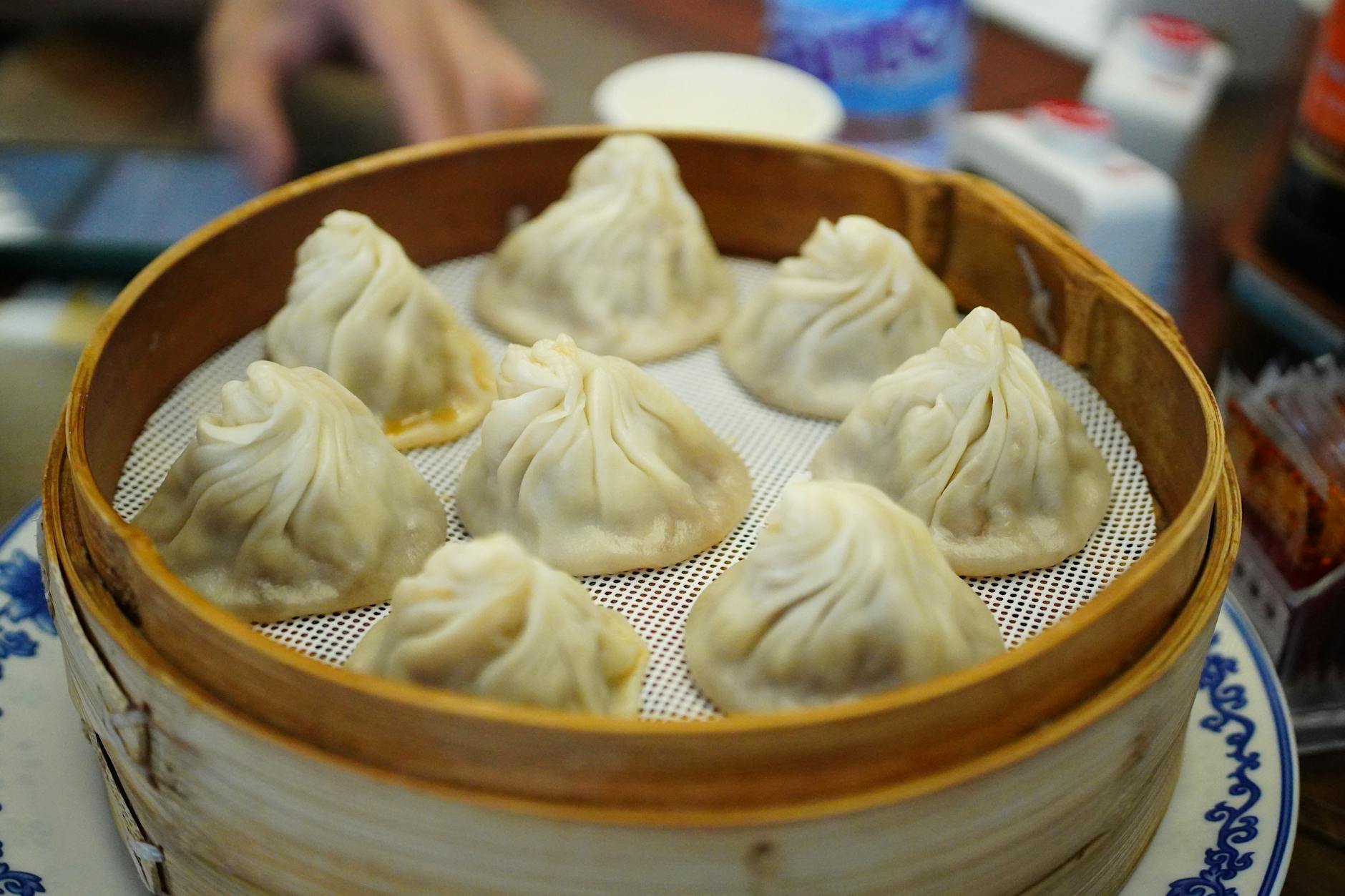
- Xiao Long Bao (Soup Dumplings): While Din Tai Fung made them world-famous, night market versions are cheaper and often just as satisfying. Thin dough wrappers bursting with hot broth and pork filling. NT$80-120 for a steamer of 8 (USD $2.50-3.80). Found at most major markets.
- Black Pepper Bun (Hujiao Bing): Raohe’s signature dish, but found at markets throughout the city. A clay-oven-baked bun with peppery pork and scallion filling. NT$50-60 (USD $1.60-1.90).
- Stinky Tofu (Chou Doufu): The dish that divides visitors. Deep-fried, the exterior is crispy while the inside is creamy. Served with pickled vegetables and chili sauce. Trust the locals: try it at least once. NT$50-70 (USD $1.60-2.20).
- Oyster Omelette (O-A-Jian): Tapioca starch batter mixed with small oysters and eggs, cooked on a flat griddle. The sweet chili sauce on top is essential. NT$65-85 (USD $2.00-2.70).
- Bubble Tea (Boba): Taiwan invented it, and no night market visit is complete without one. Classic milk tea with tapioca pearls is the standard, but fruit teas and creative variations abound. NT$40-70 (USD $1.30-2.20).
- Gua Bao (Taiwanese Pork Belly Bun): Steamed bun filled with braised pork belly, pickled mustard greens, ground peanuts, and cilantro. Often called the Taiwanese hamburger. NT$50-70 (USD $1.60-2.20).
- Lu Rou Fan (Braised Pork Rice): Many Taiwanese people consider this the national dish. Finely minced pork belly braised in soy sauce and spices, ladled over steamed rice. Humble, cheap, and deeply flavorful. NT$35-50 (USD $1.10-1.60).
- Fried Chicken Cutlet (Ji Pai): Massive, flat-pressed chicken cutlets seasoned with five-spice and fried until golden. Bigger than your head, lighter than you expect. NT$70-85 (USD $2.20-2.70).
- Grilled Sausage with Sticky Rice Sausage (Da Chang Bao Xiao Chang): A grilled Taiwanese pork sausage served inside a split glutinous rice sausage, creating a sausage-within-a-sausage combination. Garlic and basil optional. NT$50-70 (USD $1.60-2.20).
- Oyster Vermicelli (Mian Xian): A thick, starchy noodle soup loaded with oysters or intestines (or both), flavored with black vinegar and chili. Uniquely Taiwanese. NT$55-75 (USD $1.70-2.40).
- Iron Egg (Tie Dan): Eggs repeatedly braised and air-dried until they shrink to half size and turn dark brown, becoming incredibly chewy and concentrated in flavor. NT$40-60 for a bag (USD $1.30-1.90).
- Wheel Cake (Che Lun Bing): Small round cakes filled with red bean paste, custard cream, taro, or chocolate. Cooked in a special rotating mold. NT$10-15 each (USD $0.30-0.50).
- Coffin Bread (Guan Cai Ban): A thick slice of white bread deep-fried until golden, hollowed out, and filled with a creamy seafood chowder. Originally from Tainan but found in Taipei markets. NT$70-90 (USD $2.20-2.80).
- Scallion Pancake (Cong Zhua Bing): Flaky, multi-layered flatbread with scallions, often served with an egg and optional basil. The best versions are crispy on the outside and chewy within. NT$30-50 (USD $0.95-1.60).
- Aiyu Jelly (Ai Yu): A refreshing cold dessert made from the seeds of a fig-like fruit, served with lemon juice and honey. Light, slightly citrusy, and perfect after heavier foods. NT$35-50 (USD $1.10-1.60).
- Pepper Salt Fried Chicken (Yan Su Ji): Bite-sized pieces of fried chicken tossed with garlic, basil, and pepper salt. Often served with fried basil leaves. NT$60-80 (USD $1.90-2.50).
- Mango Shaved Ice (Mang Guo Bing): Mountains of finely shaved milk ice topped with fresh mango cubes, mango syrup, and a scoop of mango ice cream. Peak season is May through October. NT$80-150 (USD $2.50-4.70).
- Peanut Ice Cream Crepe (Hua Sheng Juan Bing Qi Lin): A thin crepe spread with shaved peanut brittle, a scoop of ice cream, and cilantro (yes, cilantro — trust the combination). NT$40 (USD $1.30).
- Grilled Corn (Kao Yu Mi): Corn on the cob brushed repeatedly with a sweet, savory, slightly spicy glaze as it grills over charcoal. The caramelization is key. NT$50-70 (USD $1.60-2.20).
- Pig Blood Cake (Zhu Xie Gao): Sticky rice mixed with pork blood, steamed until firm, skewered, coated in peanut powder and cilantro. It tastes much milder than it sounds — earthy, savory, and slightly sweet from the peanut. NT$35-50 (USD $1.10-1.60).

Night Market Ordering Etiquette and Tips
Navigating the ordering process at a Taipei night market is straightforward once you understand the unwritten rules. For the complete guide, visit our night market etiquette article. Here are the essentials.
How to Order
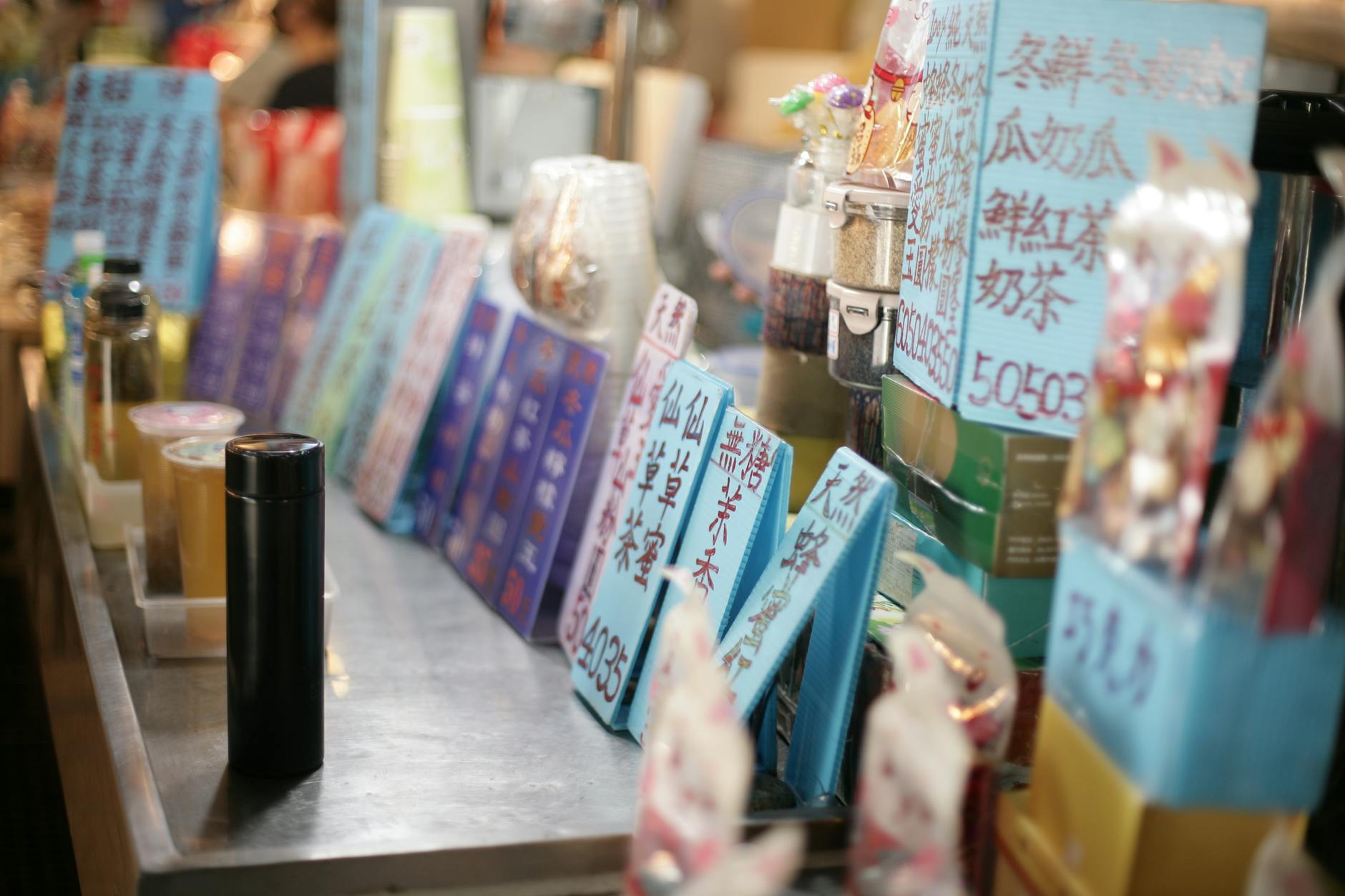
Most stalls display their menu on a large sign with photos and prices. At busy stalls, you may need to take a number or join a queue. At smaller stalls, simply point to what you want and hold up fingers to indicate quantity. Many vendors speak basic English, but having a few key Mandarin phrases helps: “yi ge” (one), “liang ge” (two), “xie xie” (thank you), and “duo shao qian” (how much?). Some stalls provide paper order forms with checkboxes — fill one out and hand it to the vendor.
Cash vs. Cards
Cash is still king at the vast majority of night market stalls. Bring sufficient New Taiwan Dollars in small denominations. A comfortable budget for an evening of enthusiastic eating is NT$300-500 (USD $9.50-16.00) per person. Some stalls, particularly at the more tourist-oriented markets, have begun accepting mobile payments like LINE Pay or Apple Pay, but this remains the exception. ATMs are available at convenience stores (7-Eleven, FamilyMart) on nearly every block surrounding the major markets.
Tip: NT$100 bills are the most useful denomination. Many stalls cannot easily break NT$1,000 notes, especially early in the evening.
General Etiquette
- Eat as you walk or use designated seating. Do not block the narrow lanes while eating. Step to the side if you need to stop.
- Dispose of trash properly. Trash cans are not always obvious. Some vendors take back your containers when you finish. Otherwise, look for bins at the market entrances and exits.
- Tipping is not expected or customary in Taiwan. Prices are fixed and listed.
- Do not haggle over food prices. Prices at food stalls are non-negotiable. Clothing and accessory stalls may have some flexibility, but aggressive haggling is not part of Taiwanese market culture.
- Queue politely. Taiwanese people are disciplined about lines. Cutting will draw sharp disapproval.
- Ask before taking photos of vendors. Most are happy to oblige, but a brief gesture of asking is polite.
How to Avoid Tourist Traps
While Taipei night markets are overwhelmingly honest and fairly priced, a few patterns are worth knowing to ensure you get the best experiences.
- Follow the locals, not the tour groups. If a stall has a long line of Taiwanese customers, the food is almost certainly good. If a stall has only tourists and an unusually flashy sign, be more cautious.
- Be wary of stalls with inflated prices. A fried chicken cutlet should cost around NT$70-85. If a stall charges NT$150 or more for a standard item, you are likely paying a tourist premium.
- Avoid the carnival games if you value your money. The stuffed animal claw machines and shooting galleries are entertainment, not good investments. Budget what you are willing to spend on games separately from your food budget.
- Check prices before ordering. Menus are almost always posted. If a stall does not display prices, ask before committing.
- Explore beyond the main drag. The stalls on the primary lane of any market pay the highest rent and sometimes compensate with higher prices or smaller portions. Side alleys often hold the best discoveries.
- Look for stalls with awards. Many award-winning stalls display certificates, newspaper clippings, or Bib Gourmand stickers proudly at their booth.
For a curated list of the highest-quality stalls at each market, see our best night markets in Taipei ranking.
Vegetarian and Vegan Options at Taipei Night Markets
Taiwan has one of the highest concentrations of vegetarian restaurants in Asia, driven by the Buddhist tradition of meatless eating. Night markets reflect this, and vegetarian visitors will find more options than they might expect.
Naturally vegetarian night market foods:
- Scallion pancakes (ask for no egg if vegan)
- Stinky tofu (almost always vegan; the tofu is fermented in a vegetable-based brine)
- Mango shaved ice and other fruit-based desserts
- Aiyu jelly with lemon and honey
- Wheel cakes with red bean or taro filling
- Grilled corn on the cob (check the glaze ingredients)
- Peanut ice cream rolls (request no cilantro or ask about the crepe ingredients)
- Fresh fruit juices and sugarcane juice
- Fried sweet potato balls
- Candied fruits (tanghulu)
Stalls with dedicated vegetarian menus: Ningxia Night Market has the most vegetarian-friendly vendors, including stalls that serve entirely plant-based versions of lu rou fan (using mushrooms and soy protein instead of pork) and vegetarian oyster omelette (using mushrooms instead of oysters). Look for signs reading “su shi” (vegetarian food) at any market.
Vegans should be aware that many dishes contain oyster sauce, pork lard, or bonito flakes even when they appear to be vegetable-based. When in doubt, the phrase “wo chi su, bu yao ren he dong wu de dong xi” (I eat vegetarian, no animal products) is helpful. The words “quan su” mean fully vegan in Taiwanese food terminology.
Best Markets for Different Traveler Types
With so many markets to choose from, your limited evenings in Taipei should be allocated strategically. Here is how to match markets to your travel style.
- First-time visitors: Start with Raohe. It is manageable in size, the food quality is exceptional, and the temple entrance provides a memorable first impression. Follow up with Shilin on a separate evening for the full sensory overload.
- Serious food lovers: Ningxia is your priority, followed by Raohe. Both have Michelin-recognized vendors and food that rewards careful attention.
- Families with children: Shilin’s game stalls, XXL chicken cutlets, and shaved ice make it the most child-friendly option. The underground food court provides shelter from rain.
- Couples: Tonghua offers a romantic, low-key atmosphere. Its location near the Xinyi district means you can combine a market visit with a walk to Taipei 101 for night views.
- Budget travelers: Nanjichang and Shida have the lowest prices. You can eat a full, varied dinner at either for under NT$200 (USD $6.30).
- Solo travelers: Ningxia’s communal tables make it easy to sit beside strangers and strike up conversations. The compact size also makes it comfortable to navigate alone.
- Repeat visitors looking for something new: Huaxi Street combined with the Wanhua neighborhood, or Nanjichang for its unique juancun-influenced dishes, offer experiences distinct from the more popular markets.
- Photography enthusiasts: Raohe’s temple gate, the steam rising from Shilin’s food court, and the neon-drenched lanes of any market after 8:00 PM provide striking shots. Weekday visits allow you to photograph stalls without fighting through weekend crowds.
Michelin Bib Gourmand Night Market Stalls
Since the Michelin Guide began covering Taipei, multiple night market stalls have received the Bib Gourmand designation, which recognizes high-quality food at accessible prices. This was a landmark moment for Taiwanese street food culture, validating what generations of locals already knew.
Notable Bib Gourmand night market stalls include several vendors at Raohe and Ningxia, recognized for dishes ranging from braised pork rice to medicinal herbal soups. The exact list is updated annually, and we recommend checking the latest edition of the Michelin Guide Taipei for current awardees.
What makes the Bib Gourmand recognition significant for night market vendors is the combination of quality and price. To qualify, a meal must cost below a set threshold while maintaining standards that impress professional inspectors. At Taipei night markets, this often means dishes under NT$100 that are made with meticulous care, using recipes refined over decades.
Finding Bib Gourmand stalls is straightforward. Most awardees display the red Michelin logo prominently. At Ningxia, several stalls near the middle of the market lane have been recognized. At Raohe, the medicinal ribs stall and other long-standing vendors have received the honor. These stalls tend to have the longest queues, which serves as an additional signal of quality.
Practical Tips for Your Night Market Visits
A few practical details can make the difference between a good night market experience and a great one.
Getting There
Taipei’s MRT system makes reaching every major night market straightforward. An EasyCard (available at any MRT station for NT$100, which includes a NT$100 refundable deposit) works on all MRT trains, buses, and even at convenience stores and some market stalls. Single-ride fares are typically NT$20-40 depending on distance. For a full breakdown of Taipei’s transit options, see our Taipei transportation guide.
What to Bring
- Cash: NT$500 in small bills is a comfortable starting budget per person
- A small bag or backpack: You will want free hands for food
- Wet wipes or tissues: Not every stall provides napkins
- A compact umbrella: Taipei’s weather can shift quickly, and most markets are partially or fully open-air
- An empty stomach: Pace yourself. Sample small portions at many stalls rather than filling up at one or two
Weather Considerations
Taipei’s night markets operate rain or shine, though typhoon-level storms may close some outdoor stalls. Summer evenings (June through September) are hot and humid, so dress lightly. Winter evenings (December through February) are cool but rarely cold enough to require heavy layers. The most pleasant market weather is in October, November, March, and April.
Timing Your Visit
Most markets are fully operational by 6:00 PM, though a few vendors open as early as 4:30 or 5:00 PM. The peak crowd period at every market is 7:30-9:30 PM on Friday and Saturday nights. For a more comfortable experience, arrive early (before 6:30 PM) or late (after 10:00 PM). Weekday visits are significantly less crowded than weekends at every market.
Food Safety
Taipei’s night markets are generally very safe for eating. The city’s health department inspects stalls regularly, and Taiwan has strict food safety regulations. That said, common-sense precautions apply: eat at stalls with high turnover (food is freshest), look for vendors who handle raw and cooked items separately, and stay hydrated. Tap water in Taipei is safe after boiling, but most visitors drink bottled water (available at every convenience store for NT$20).
Where to Stay for Night Market Access
If night markets are a priority (and they should be), consider staying near an MRT station on the Red Line, which provides direct access to Shilin, Ningxia, and Tonghua. The Zhongshan and Zhongxiao neighborhoods put you within walking or short MRT distance of multiple markets. See our where to stay in Taipei guide for neighborhood-by-neighborhood recommendations.
Combining Night Markets with Other Activities
Night markets pair well with other evening activities. Visit Taipei 101’s observation deck at sunset, then walk to Tonghua for dinner. Explore Longshan Temple at dusk, then stroll through Huaxi Street. Take a late-afternoon hike at Elephant Mountain for city views, then descend to the Xinyi district and MRT your way to any market. Our things to do in Taipei guide has full itinerary suggestions that incorporate night market visits.
Planning Your Night Market Itinerary
For visitors spending three to five nights in Taipei, here is a suggested night market schedule that balances variety with energy levels.
Night 1: Raohe Street Night Market. Start with the best food quality in a manageable setting. Arrive by 5:30 PM to get the pepper bun with minimal waiting.
Night 2: Shilin Night Market. Now that you are comfortable with the format, tackle the biggest and busiest market. Spend 2-3 hours exploring both the underground food court and the street-level stalls.
Night 3: Ningxia Night Market. By night three, you have tried the heavy hitters. Now experience the market that locals love most. The intimate, food-focused atmosphere will feel different from Shilin and Raohe.
Night 4: Tonghua or Nanjichang. Choose Tonghua if you are near the Xinyi area, or Nanjichang if you want to explore the older neighborhoods. Either will give you a quieter, more local experience.
Night 5: Return to your favorite, or explore a local favorite like Shida or Huaxi Street.
If you only have one evening for night markets, go to Raohe. If you have two, add Ningxia. This combination gives you the best overall representation of Taipei’s night market culture in the least amount of time.
For help building your complete Taipei itinerary, see our Taipei travel guide.
Explore more Taipei guides
Frequently Asked Questions
What is the best night market in Taipei for first-time visitors?
Raohe Street Night Market is the best starting point for first-time visitors. It is a single straight lane that is easy to navigate, the food quality is consistently high with several Michelin-recognized stalls, and the temple entrance creates a memorable first impression. It is also well-served by the MRT Green Line. If you want the largest, most all-encompassing experience, Shilin Night Market is the classic choice, but its size can be overwhelming on a first visit. For a detailed comparison, see our best night market in Taipei guide.
Are Taipei night markets open every day?
Yes, all major Taipei night markets operate seven days a week, typically from around 5:00 or 6:00 PM until midnight. Some stalls stay open later on weekends, and a few vendors may take an occasional day off (usually Monday or Tuesday), but the markets themselves are open daily. Holidays and festival periods, including Chinese New Year, may affect some stalls. Typhoon warnings may close outdoor markets temporarily. It is always worth checking local conditions if you are visiting during typhoon season (July through October).
How much money should I bring to a Taipei night market?
A comfortable food budget is NT$300-500 per person (approximately USD $9.50-16.00) for a full evening of sampling multiple stalls. This typically covers 5-8 different items plus drinks. Budget travelers can eat well for NT$150-200 by focusing on rice dishes and smaller snacks. Bring cash in NT$100 denominations. If you plan to shop for clothing or play games, add another NT$200-500 depending on your interests.
Can I use credit cards at Taipei night markets?
The vast majority of night market stalls are cash-only. Some newer or more tourist-oriented stalls accept mobile payments like LINE Pay, JKo Pay, or Apple Pay, but you should not rely on this. Always carry sufficient cash. ATMs are easily accessible at 7-Eleven and FamilyMart convenience stores, which are located on virtually every block surrounding major markets. International cards work at most ATMs, though some charge a small service fee of around NT$5-10 per transaction.
Is Taipei night market food safe to eat?
Taipei night market food is generally very safe. Taiwan has rigorous food safety standards, and the city’s Department of Health conducts regular inspections of night market vendors. Stalls with high customer turnover serve the freshest food. Use common sense: choose stalls that are busy, observe basic hygiene practices (separate handling of raw and cooked ingredients), and stay hydrated. Most visitors experience no issues. Travelers with sensitive stomachs may want to start cautiously and build up to more adventurous items like stinky tofu or oyster vermicelli.
What are the best vegetarian options at Taipei night markets?
Taiwan’s strong Buddhist vegetarian tradition means plant-based options are more plentiful than in most Asian countries. Naturally vegetarian items found at nearly every market include stinky tofu, scallion pancakes, grilled corn, sweet potato balls, wheel cakes with red bean filling, fresh fruit juices, shaved ice desserts, and aiyu jelly. Ningxia Night Market has the best selection of dedicated vegetarian stalls, including plant-based versions of braised pork rice and oyster omelette. Look for the “su shi” label, which indicates vegetarian food. Vegan travelers should ask about hidden animal ingredients like oyster sauce and pork lard, which can appear in seemingly plant-based dishes.
What time should I arrive at a Taipei night market?
For the shortest lines and most comfortable browsing, arrive between 5:00 and 6:30 PM on a weekday. Weekend peak hours of 7:30-9:30 PM bring the largest crowds and longest waits, especially at popular stalls like the pepper bun at Raohe or the chicken cutlet stalls at Shilin. Late visits after 10:00 PM offer thinner crowds but some stalls may have sold out of popular items. The ideal strategy is to arrive early, eat the items with the longest lines first, then work your way through the market at a relaxed pace as the evening progresses.
How do I get to Taipei night markets by public transport?
Every major night market is accessible by the Taipei MRT system. Shilin Night Market is reached via Jiantan Station (Red Line). Raohe uses Songshan Station (Green Line). Ningxia is walkable from both Zhongshan Station (Red/Green Lines) and Shuanglian Station (Red Line). Tonghua is near Xinyi Anhe Station (Red Line). Huaxi Street is adjacent to Longshan Temple Station (Blue Line). Buy an EasyCard at any MRT station for NT$100 (refundable deposit) and load it with NT$200-300 for a few days of rides. Single trips cost NT$20-40. Trains run from 6:00 AM until midnight. For night market visits, the last train timing is rarely an issue since markets wind down before the last service. Full transit details are in our Taipei transportation guide.