This article contains advertising. Our booking links are routed through a partner that adds commission tracking automatically, so if you book through one we earn a commission from the provider, at no extra cost to you. It never affects what we recommend. Affiliate disclosure
Huaxi Street Night Market (華西街觀光夜市) – better known to older tourists as “Snake Alley” – is one of the oldest and most controversial night markets in Taipei. Founded in the 1950s in the Wanhua District, the market built its international reputation in the 1980s and 1990s on snake meat, snake blood wine, and the live-snake butcher demonstrations that drew Western tourist guidebooks and TV documentaries. Today, with the snake trade largely banned in 2007 and the original notoriety faded, Huaxi Street Night Market has settled into something more interesting: a covered, atmospheric, almost entirely local food market that combines traditional Chinese medicinal cuisine, exceptional seafood, and 70+ years of operating history into one of the most distinctive markets in the city. This 2026 guide covers what Huaxi Street is now, what to eat, where to find it, and how to combine the visit with the surrounding historic Wanhua district.

What Huaxi Street Night Market Is Today
Huaxi Street Night Market sits in Wanhua District, one block south of Longshan Temple, in a short covered arcade of about 200 metres. The market is structurally one of Taipei’s most distinctive – a roofed alley with red lanterns, traditional Chinese signage, and a more enclosed feel than the open-air Shilin or Raohe markets. Operating hours run roughly 4pm to 11pm, with peak crowds 7-9pm.
The crowd is overwhelmingly local. Compared to Shilin’s tourist-heavy mix or Raohe’s balanced split, Huaxi Street is 90%+ Taipei residents – working-class Wanhua locals, older couples eating dinner, and groups of taxi drivers ending their shifts. English signage is minimal; English-speaking staff at most stalls do not exist. This makes Huaxi the deepest local night market experience easily accessible from central Taipei.
The market’s character has shifted dramatically since the 2007 government ban on most snake meat sales (animal welfare and disease concerns). One or two stalls still sell snake gallbladder and snake wine for traditional medicinal use, but the live butchering displays are gone. What replaced them is a more food-focused market with strong specialties in traditional medicinal cuisine, exceptional seafood, and centuries-old Wanhua recipes.
The Snake Alley History
Some context for why this market matters historically:
Huaxi Street’s emergence as “Snake Alley” began in the 1950s when butchers began offering live snake demonstrations to Wanhua’s working-class residents seeking traditional Chinese medicine remedies. Snake blood mixed with rice wine was believed to enhance virility; snake gallbladder was used for various ailments; snake soup was both food and medicine. The Wanhua location near Bopiliao and the old red-light district fit the market’s slightly seedy, working-class character.
By the 1980s, international tourism guidebooks (Lonely Planet, Frommer’s) had picked up Huaxi Street as the must-see “exotic Taipei” stop. Western tourists came in droves to watch the live snake butchering, which made the market notorious globally. The same period saw similar stalls offering turtle, monkey, and other exotic meats.
The 2007 Wildlife Conservation Act effectively ended the live-snake trade. Most snake butchers shifted to other businesses; a few remain selling preserved snake-medicine products. The international notoriety has faded but the historical layer remains – this is one of the few night markets in Taipei where you can still see traditional Chinese medicinal cuisine practiced openly.
What to Eat at Huaxi Street Night Market
The current Huaxi Street is a serious food destination, particularly for traditional medicinal Taiwanese dishes that are hard to find elsewhere:
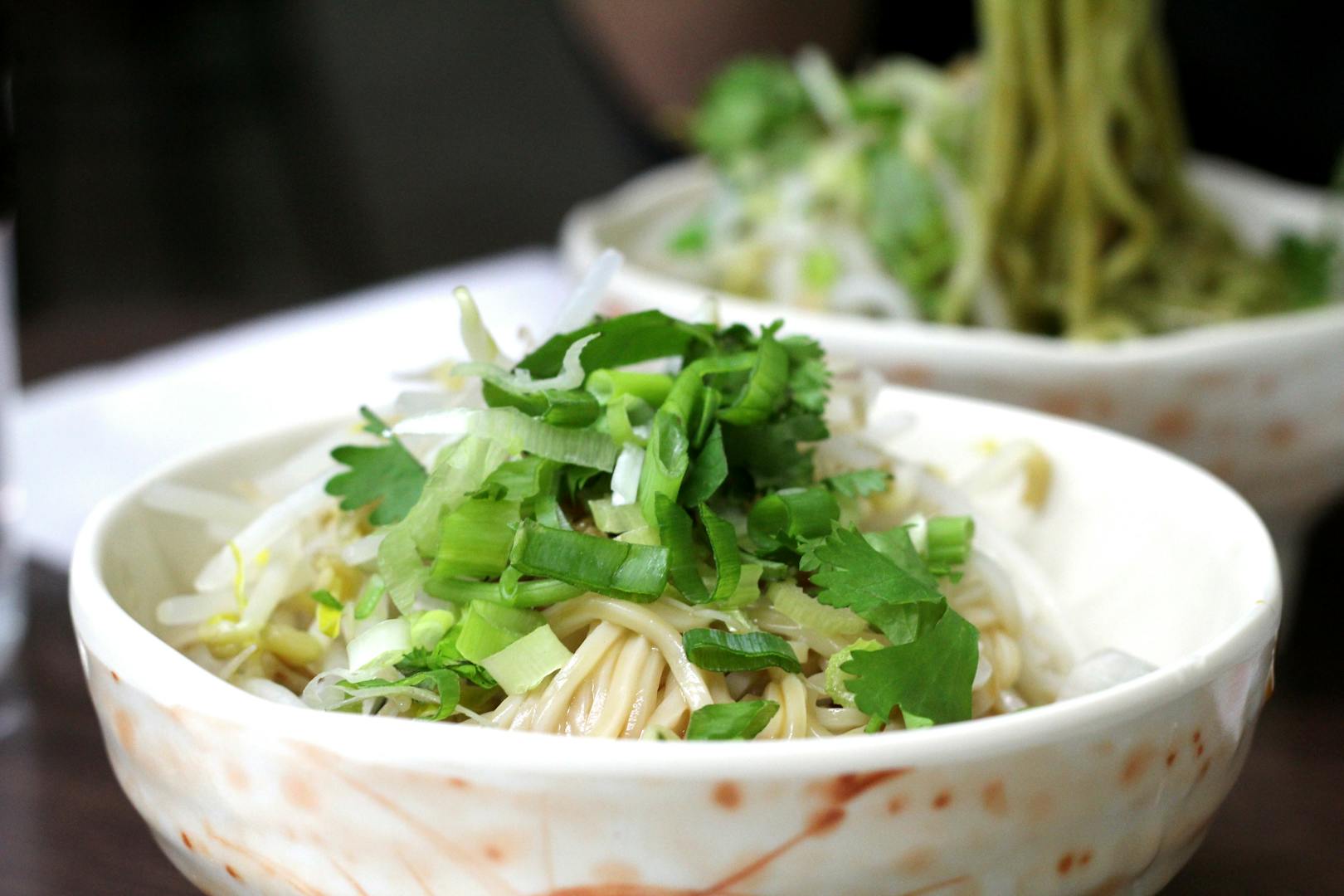
Tainan Tan Tsu Mien Family Restaurant (台南担仔麵)
One of the oldest and most awarded restaurants on the street. Specializing in Tainan-style noodles and seafood. Three Michelin Bib Gourmand recognitions. The dan zai (mini-portion noodles in shrimp broth) and the seafood platters are the must-orders. Multiple branches across Taipei but the Huaxi flagship is the original. NT$300-600 per person.
Yuan Huan Pien Oyster Mee Sua
Huaxi Street’s famous oyster vermicelli stall. Thick clay-bowl portions of oyster noodles in a starchy broth. NT$80-150 per bowl. Local-favorite walking food.
Snake Wine and Snake Gallbladder Stalls
For travelers wanting to see the historic snake heritage: one or two stalls still sell preserved snake-medicine products (gallbladder, dried snake meat, snake wine in bottled form). No live butchering. The snake wine bottles (with a real snake inside) are popular Instagram souvenirs – NT$300-1,500 per bottle. Whether you would actually drink them is debatable.
Herbal Medicinal Soups
Multiple stalls sell “ten-tonics medicine pork ribs soup” (十全大補豬肉湯), “four-things tonic” (四物湯), and other Chinese medicinal soups. NT$120-180 per bowl. The broths are simmered for hours with herbs (Angelica root, wolfberry, ginger, jujube). Excellent winter warming food.
Turtle Soup
Yes, this still exists. Several stalls sell turtle soup (traditional medicinal). NT$300-500 per bowl. Be aware of ethical considerations; conservation status of turtles sold varies. Not recommended unless you specifically want the traditional medicinal experience.
Sesame Oil Chicken (麻油雞)
Classic Taiwanese postpartum dish – chicken simmered with sesame oil, ginger, and rice wine. Several stalls. NT$200-300 per portion. Warming, slightly alcoholic, deeply savory.
Stinky Tofu and Standard Night Market Food
Several stalls sell the usual: stinky tofu, fried chicken, sausage, oyster pancake, scallion pancake. NT$50-120 per item. Quality is decent but not the reason to visit.
Foot Massage
Several traditional foot massage parlors operate along Huaxi Street, including some that have been in continuous operation since the 1970s. NT$300-600 for a 40-minute foot massage. Useful after a long day of walking.
Boba and Drinks
Several boba stands and traditional sugarcane juice vendors. NT$40-80 per drink.
How to Get to Huaxi Street Night Market
Huaxi Street is in Wanhua District, easily reached by MRT:
Longshan Temple Station (Blue Line): Exit 1 puts you at the back of Longshan Temple. Walk south along Xiyuan Road or through the temple grounds, then turn right at the Wuzhou Street junction. Huaxi Street is 2-3 minutes’ walk. Total transit from Taipei Main Station: 15-20 minutes.
Ximen Station (Blue/Green Line): Exit 1 puts you in the Ximending shopping district. Walk south on Zhonghua Road or Chengdu Road for about 10 minutes to reach the market. The combined Ximending shopping + Huaxi Street dinner is a popular evening route.
Taxi/Uber: NT$100-180 from central Taipei.
Bus: Multiple buses serve Wanhua. The 49, 0 South, and 252 all stop near Longshan Temple.
The market is small and contained – you do not need precise directions once you arrive at Longshan Temple. Just follow the red-lantern signs and the smell of sesame oil.
Best Time to Visit
Peak hours: 7-9pm, especially Friday-Sunday. Most stalls open, most local crowd present.
Best for tourists: 6-7pm on a weekday. All major stalls open, easier walking, ingredients fresh.
Quietest: Mid-morning closure (most stalls closed) or right after 10pm when crowds thin out.
Special occasions: Lunar New Year week has different opening hours; Mid-Autumn Festival and the historical “ghost month” (lunar July) draw different traditional foods.
Plan your Huaxi visit for after Longshan Temple visit time (the temple is most photogenic at sunset) and treat the market as dinner. A 6:30pm temple visit followed by 7:30pm dinner at Huaxi Street is the classic combination.
Combining Huaxi Street With the Wanhua Neighborhood
Huaxi Street sits at the heart of Taipei’s oldest and most historically rich district. Spend a few hours combining the market with surrounding attractions:
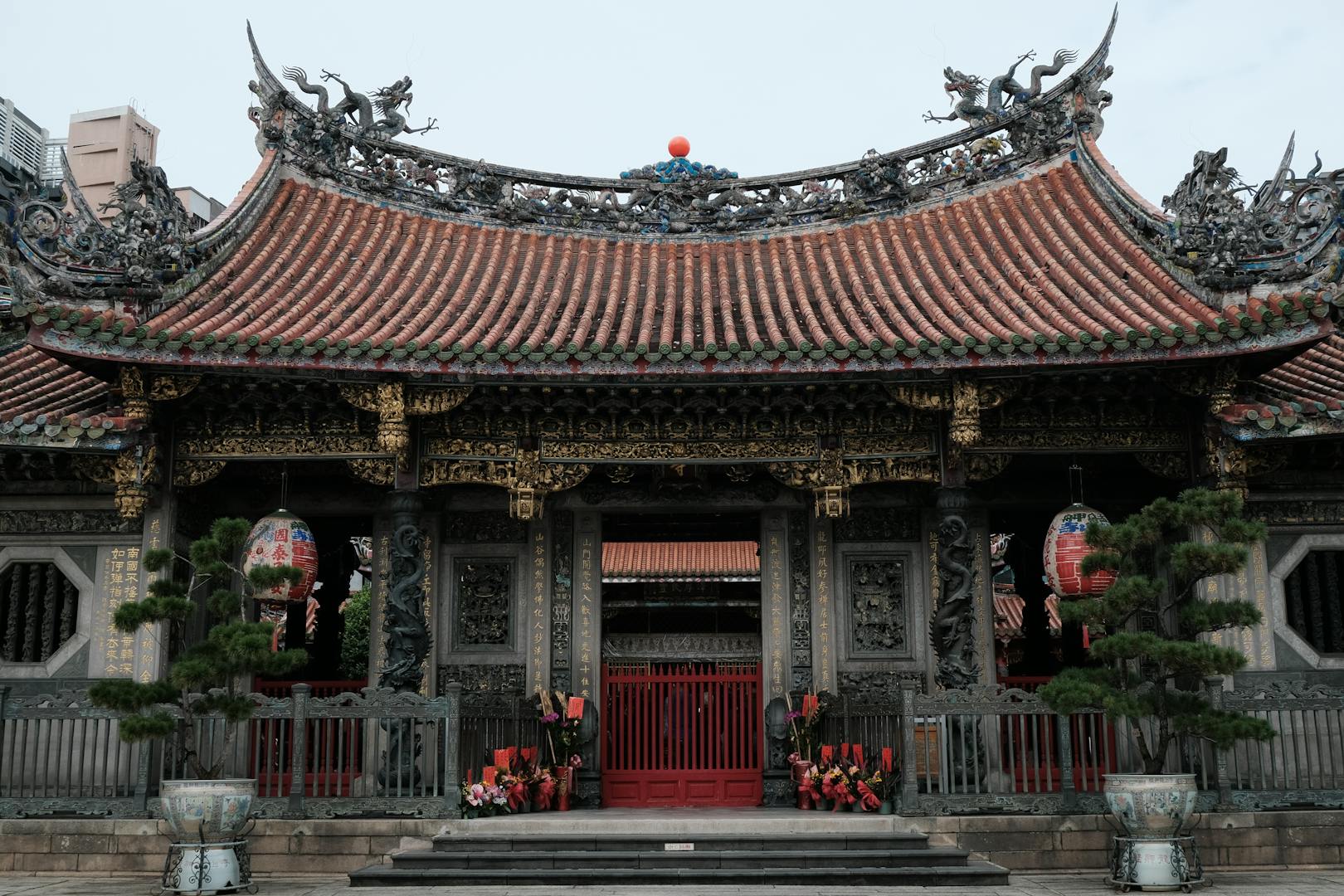
Longshan Temple (龍山寺)
Built 1738, one of the most important religious sites in Taipei. Two minutes’ walk north of Huaxi Street. Free entry, open 6am-10pm. The temple is most atmospheric in the evening when locals come for prayer. Avoid using cameras during prayer rituals out of respect.
Bopiliao Historic Block (剝皮寮歷史街區)
Restored Qing Dynasty-era street with original shophouses and architecture. Walking distance south of Longshan Temple. Free entry. Photo-perfect at golden hour.
Wanhua 228 Memorial Park
Local neighborhood park with monuments to the 228 Incident. Quiet, atmospheric, off the tourist track.
Ximending Shopping District
10 minutes’ walk north. The youth shopping and entertainment district is the high-energy contrast to Wanhua’s historical depth. Combine an early Wanhua wander with an evening of Ximending youth culture and Huaxi Street dinner.
Red House (Ximending)
Historic Japanese-era octagonal market, now an LGBTQ+ bar district and cultural space. 15 minutes’ walk from Huaxi Street.
U Bike Riverside
The Tamsui River is just west of Wanhua. Rent a YouBike and ride along the riverside path – excellent sunset views over the river toward Taipei 101 in the distance.
Sample 4-Hour Wanhua + Huaxi Street Itinerary
If you want to do the Wanhua area properly with Huaxi Street as the dinner anchor:
3pm: MRT to Longshan Temple Station. Walk to Bopiliao Historic Block for the restored architecture and photos. 45 minutes.
4pm: Visit Longshan Temple. Observe the prayer rituals (respectfully); photograph the architecture during the late-afternoon light. 45 minutes.
5pm: Walk to Wanhua 228 Memorial Park. Brief visit (15 minutes).
5:30pm: Pre-dinner snacks – Huaxi Street starts to open. Browse the herbal medicine displays, walk the length of the covered alley. 45 minutes.
6:30pm: Dinner at Huaxi Street – Tainan Tan Tsu Mien for the noodles and seafood, plus an herbal soup from another stall. NT$400-600 per person.
8pm: Walk north to Ximending for an evening of shopping, bubble tea, and people-watching. 1-2 hours.
10pm: MRT back to your hotel.
Total spend per person: NT$700-1,200 for the full evening including dinner and snacks. One of the most concentrated cultural-history-and-food evenings available in Taipei.
What to Expect Practically
Cash only. Most stalls do not take cards or mobile payment. Bring NT$500-1,000 in small bills.
English signage: Limited. Google Translate camera mode works for menus. Pointing and gesturing works fine at most stalls.
Seating: Most stalls have small fold-out tables under the arcade roof. Sit-down stalls like Tainan Tan Tsu Mien have formal table service.
Crowds: Manageable. Less crowded than Shilin or Raohe. Strollers fit through (tighter at peak times).
Bathrooms: The Longshan Temple complex has public bathrooms. Most stalls do not have customer bathrooms.
Smells: Sesame oil, herbal medicine, frying oil. The “stinky tofu” odor exists but is moderate. The overall atmosphere is fragrant rather than overwhelming.
Wildlife considerations: The historical snake trade has changed dramatically since 2007. You will not see live butchering. A few stalls do still sell preserved snake products and turtle. If animal welfare is a concern, focus on the seafood, soup, and noodle stalls and skip the medicinal animal sections.
Photography: Generally allowed throughout. Avoid photographing inside Longshan Temple’s main worship hall during prayer. Some food vendors prefer no faces in photos.
Stroller-friendliness: Moderate. The covered arcade is narrow but stroller-passable when not at peak. Better to use a baby carrier at peak times.
Is Huaxi Street Night Market Worth Visiting?
For most tourists, Huaxi Street Night Market is worth combining with Longshan Temple as a 90-minute side stop in Wanhua, not a destination in itself. The market is smaller than Shilin, less concentrated than Raohe, and lacks the dedicated tourist infrastructure of either. But for travelers who have already done the major night markets and want a deeper local experience plus the historical layer of “Snake Alley,” it is an excellent option.
Strongest reasons to visit:
You want to see traditional Chinese medicinal cuisine being practiced openly. You are visiting Longshan Temple and want dinner nearby. You are interested in the historical layer of Wanhua, Taipei’s oldest district. You want an authentic local night market without the tourist crowds.
Less compelling reasons:
You want a big variety of shopping and entertainment (Shilin and Raohe are better). You want the famous Taiwan night market food experience as introduction (Shilin or Raohe again). You are uncomfortable with traditional animal-medicine practices (just avoid those stalls but the overall atmosphere may still be challenging).
Huaxi Street works best as the end of a day in old Bangka rather than a destination on its own. Spend the morning at Longshan Temple’s chanting, Bopiliao and the Qingshui and Qingshan temples, then come back after dark; our Wanhua district guide has the route and the rest of the district’s food.
Related Taipei guides
- Shilin Night Market: The Complete Guide for Tourists
- Raohe Night Market: Why Locals Call It the Best
- Ningxia Night Market: Old-School Taipei Classics
- Tonghua Night Market: The Local-Favorite Taipei Market
- Shida Night Market: Student-Style Eats in Taipei
- Nanjichang Night Market: Hidden Local Favorite
Frequently Asked Questions
What is Huaxi Street Night Market famous for?
Historically: snake meat, snake blood wine, and live snake butchering, earning it the nickname “Snake Alley.” Today: traditional Chinese medicinal cuisine, herbal soups, exceptional seafood (especially Tainan-style noodles), and an enclosed lantern-lit covered arcade that gives it a distinctive atmosphere compared to other Taipei night markets.
Can you still eat snake at Huaxi Street?
Live snake butchering was banned in 2007 due to wildlife conservation laws. One or two stalls still sell preserved snake products and snake wine, but the dramatic live-butchering shows are gone. The market is now primarily traditional medicinal soups, seafood, and noodle specialties.
How do I get to Huaxi Street Night Market?
Take the MRT Blue Line to Longshan Temple Station (Exit 1). Walk south along Xiyuan Road or through the temple grounds, then west on Wuzhou Street. Huaxi Street is 2-3 minutes’ walk from the temple. Total travel time from central Taipei is 15-20 minutes.
When is Huaxi Street Night Market open?
Most stalls operate 4pm-11pm, with peak crowds 7-9pm. Some stalls open earlier (mid-afternoon); a few stay open until midnight. Closed individual stalls vary – the market overall is reliably open seven days a week.
What should I eat at Huaxi Street?
Tainan Tan Tsu Mien for dan zai noodles and seafood, oyster vermicelli, sesame oil chicken, ten-tonic herbal soup, stinky tofu, and Yuan Huan Pien oyster mee sua. Snake wine bottles are available as souvenirs. Skip turtle soup unless you specifically want the traditional medicinal experience.
Is Huaxi Street Night Market touristy?
No. Huaxi Street has the highest local-to-tourist ratio of any major Taipei night market – approximately 90% Taipei residents. Less English signage and tourist infrastructure than Shilin or Raohe. The market caters primarily to working-class Wanhua locals and traditional medicine enthusiasts.
How does Huaxi Street compare to Shilin?
Shilin is bigger (5x more stalls), more diverse, more tourist-oriented, and primarily food-and-shopping. Huaxi Street is smaller, food-focused, more local, and culturally specific to traditional medicinal cuisine. First-time visitors should do Shilin first; second-night-market visitors get more from Huaxi.
Should I combine Huaxi Street with Longshan Temple?
Yes – they are two minutes’ walk apart and the most natural pairing in Wanhua. Visit Longshan Temple at sunset (most atmospheric), then walk south to Huaxi Street for dinner. Allow 2-3 hours total for the combination.
Is Huaxi Street safe at night?
Yes. Wanhua has a slightly grittier reputation than Da’an or Xinyi, but the night market area is well-lit, busy, and policed. Standard urban precautions apply (watch your bag, avoid empty side streets after midnight). Taipei is one of the safest large cities in Asia overall.
Are there bathrooms at Huaxi Street Night Market?
The market itself has no public bathrooms. The Longshan Temple complex has public restrooms two minutes’ walk away. Some sit-down restaurants on Huaxi Street have customer-only bathrooms.
The Bottom Line
Huaxi Street Night Market is a 200-metre covered alley in Wanhua District that condenses 70+ years of Taipei food history into one of the city’s most distinctive evening destinations. The snake-butchering era is gone but the historical depth, the traditional medicinal cuisine, the Tainan-style noodle expertise, and the working-class local crowd remain. Best visited as a 90-minute Wanhua-area combination with Longshan Temple at dusk – eat the Tainan dan zai noodles, try a ten-tonic herbal soup, browse the snake-wine bottles for the photo, and head to Ximending for after-dinner shopping. It is a less-trafficked, more historically rich night market experience that rewards the slight effort to find it.