This article contains advertising. Our booking links are routed through a partner that adds commission tracking automatically, so if you book through one we earn a commission from the provider, at no extra cost to you. It never affects what we recommend. Affiliate disclosure
If you are trying to decide what to actually do in Taiwan’s capital, you have come to the right page. This is the most thorough, honest, and practical guide to things to do in Taipei you will find anywhere — an evergreen resource built from on-the-ground experience, not a recycled listicle. Taipei is one of Asia’s most rewarding cities to explore: world-class food, jaw-dropping temples, lush subtropical mountains inside the city limits, a 508-meter skyscraper with a direct elevator to an observation deck, and a metro so efficient it feels like science fiction. Most first-time visitors underestimate just how much there is to do here.
We have organized this guide by the experience you are looking for: iconic landmarks, nature and hiking, temples and culture, food and night markets, museums, neighborhoods, local favorites, and family favorites. Each major attraction links out to its own deep-dive article so you can plan at whatever depth you need. If you have not yet read the overall Taipei travel guide, start there for the big-picture planning.

How to Use This Guide
Taipei is a dense, compact city. Most of its best things to do are clustered into a handful of neighborhoods, and almost every attraction is reachable by the MRT. A few practical notes before you start planning:
- Pair attractions by neighborhood. Stacking experiences geographically saves hours. Longshan Temple, Bopiliao, and Huaxi Street Night Market are walkable. Taipei 101, Elephant Mountain, and Tonghua Night Market form a natural evening loop.
- Some attractions are best at specific times. Elephant Mountain is magic at sunset. Night markets only really come alive after 6pm. Beitou is better on cold days. The National Palace Museum is a rainy-day save.
- Buy an EasyCard on arrival. Covers the MRT, buses, YouBikes, some taxis, and convenience stores. Details in our EasyCard guide.
- Dress respectfully at temples. Shoulders and knees covered is ideal. Etiquette tips at our temples guide.
- Do not try to do it all. Three days covers the icons. Five days lets you breathe. Seven lets you go deep. See our how many days in Taipei breakdown.
The Absolute Must-Dos (If You Only Have a Day or Two)
If you only have 48 hours, these five experiences are non-negotiable.
1. Ride to the Top of Taipei 101
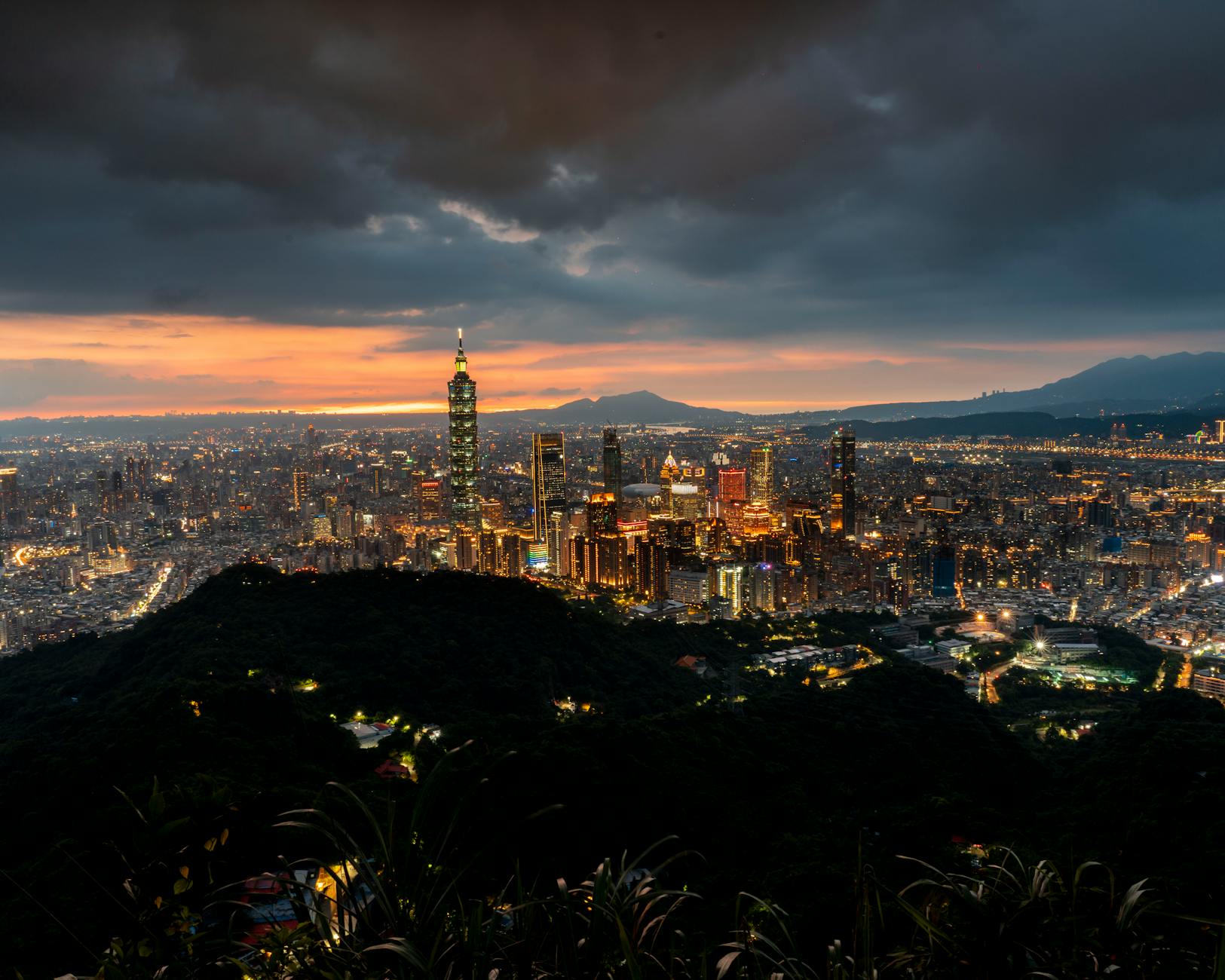
Taipei 101 is the 508-meter skyscraper that dominates the city skyline. It was the world’s tallest building from 2004 to 2010, and while it has since been surpassed, it remains one of the most distinctive silhouettes in Asia — designed to resemble a bamboo stalk. The elevator to the 89th-floor observation deck held the Guinness World Record for fastest passenger elevator for over a decade (37.7 km/h).
What to do: Ride up to the indoor observatory on the 89th floor, then climb to the outdoor deck on the 91st floor for open-air views. Sunset is the golden time — arrive 45 minutes before sunset to see the city in daylight, watch the sun drop, and stay for the first lights of night. Don’t miss the massive golden “tuned mass damper” between floors 87 and 91, a 660-ton steel ball that counteracts the building’s sway during earthquakes and typhoons.
Ticket: NT$600 (~USD 20). Book online to skip the ticket line. See our full Taipei 101 observatory guide.
MRT: Taipei 101 / World Trade Center Station (Red Line).
2. Hike Elephant Mountain at Sunset

This is the photograph you have seen of Taipei. The shot — Taipei 101 perfectly framed by a silhouette of rock, with a pink-orange sky behind it — is taken from the Xiangshan (Elephant Mountain) hiking trail, a steep 20-minute climb of stone stairs just east of the city center.
The trail is paved the whole way, with three main viewpoints (the “Six Giant Rocks” is the most iconic) and a handful of smaller ones. Go 60–90 minutes before sunset, bring water, and stay for blue hour when Taipei 101 lights up. The walk down is easier but take a torch if you are lingering. Full route, parking, and alternate viewpoints in our Elephant Mountain hike guide.
Difficulty: Moderate — 500+ stone steps, 150m elevation gain. Not suitable for very young children or anyone with knee issues.
MRT: Xiangshan Station (Red Line), Exit 2.
3. Eat Your Way Through a Night Market

Taipei’s night markets are the single best thing about the city. There are roughly thirty of them across greater Taipei, and the five most famous — Shilin, Raohe, Ningxia, Tonghua (Linjiang), and Nanjichang — are the tourist shortlist.
For a first-timer, we recommend Raohe Night Market. It is the right size (not overwhelming), the food quality is consistently high, and the entrance is a spectacular ornate gate next to the beautiful Songshan Ciyou Temple — which you can wander into for free. Start at the temple end and eat your way to the other end.
Foods to try, ranked: grilled squid, pepper pork buns (hu jiao bing) from the legendary Fuzhou Shi Zu, oyster omelette, stinky tofu (do it once), mango shaved ice, grilled corn, mochi skewers, scallion pancakes, bubble tea. Come hungry, bring cash — most stalls do not take cards.
Full pillar: Taipei night markets guide. Market-specific deep dives: Shilin, Raohe, Ningxia. Best foods: 20 must-try night market foods.
4. Visit Longshan Temple

Longshan Temple is Taipei’s most famous temple, founded in 1738 by Chinese settlers from Fujian Province. Bombed during World War II (most dramatically the main hall, which was destroyed while the Guanyin statue inside survived untouched), the temple has been rebuilt and remains one of the most spiritually alive places in Taipei. It is also completely free.
What makes it different from a tourist attraction is that people genuinely worship here. You will see grandmothers doing divination with moon blocks, businesspeople praying for a deal, students praying for exams. Go at dusk when the incense smoke rises through the fading light — it is genuinely cinematic.
Full guide with etiquette, worship walkthrough, and best photography times: Longshan Temple guide.
MRT: Longshan Temple Station (Blue Line). Right outside the exit.
5. Do a Food Tour or Xiao Long Bao Meal
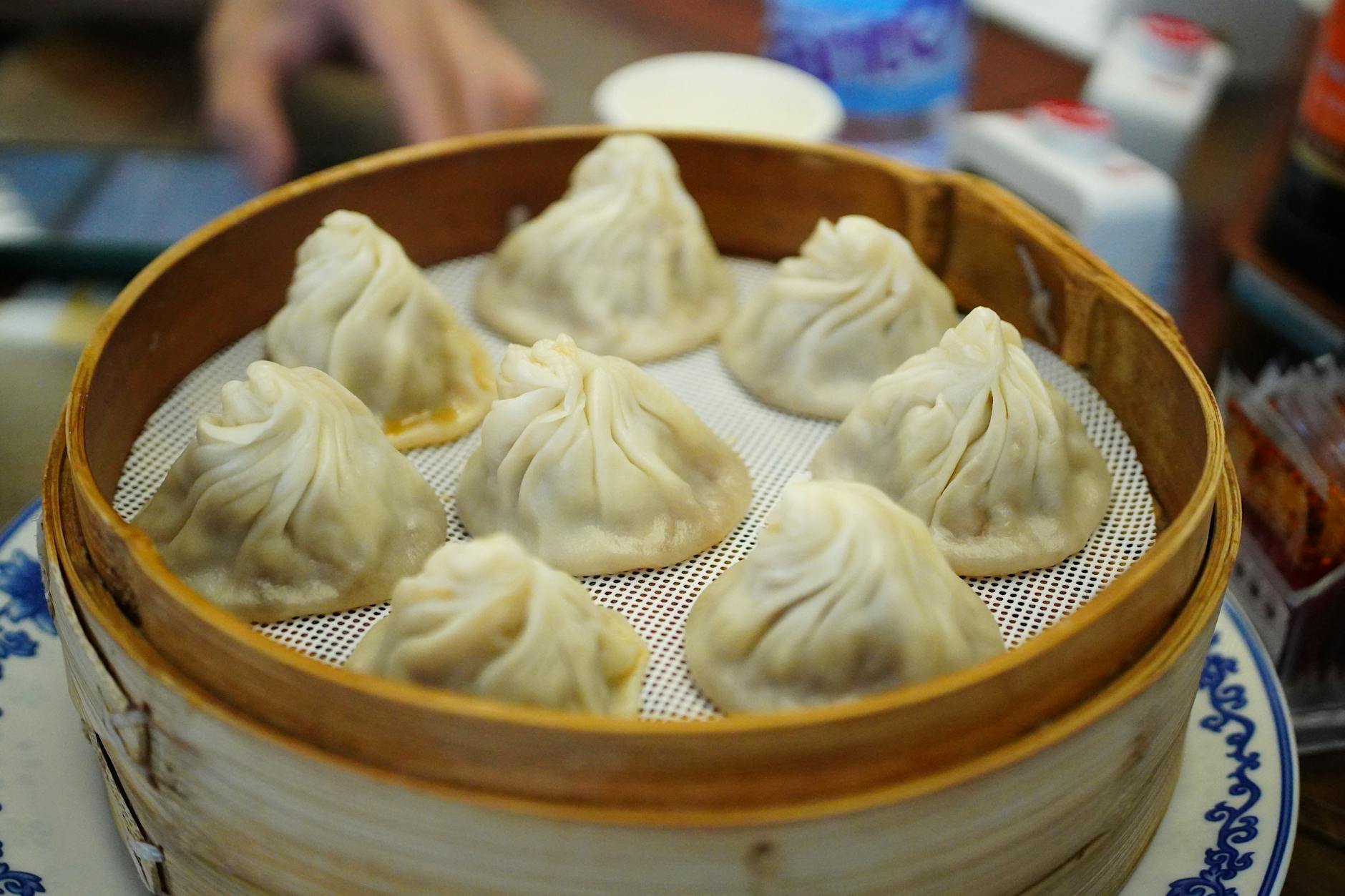
Din Tai Fung did not invent xiao long bao, but the Taipei flagship at the original Xinyi Road location perfected them — 18 folds per dumpling, precisely 21g of filling, pork soup so rich you drink the dumpling like a tiny bowl. There is always a wait (30–90 minutes). Avoid peak meal times by showing up at 10:30am or after 2pm.
If you want to go deeper on Taiwanese food, book a half-day food tour. Several reputable operators walk small groups through a single night market or a neighborhood food crawl with a local guide doing the ordering and explaining what you are eating. A good tour is the fastest way to understand the country’s food culture.
Details in our Taipei dumplings guide and best Taipei food tours.
Nature and Outdoor Things to Do in Taipei
One of Taipei’s superpowers is that nature is inside the city. You can be on a jungle trail in 30 minutes on the MRT.
6. Soak in Beitou Hot Springs
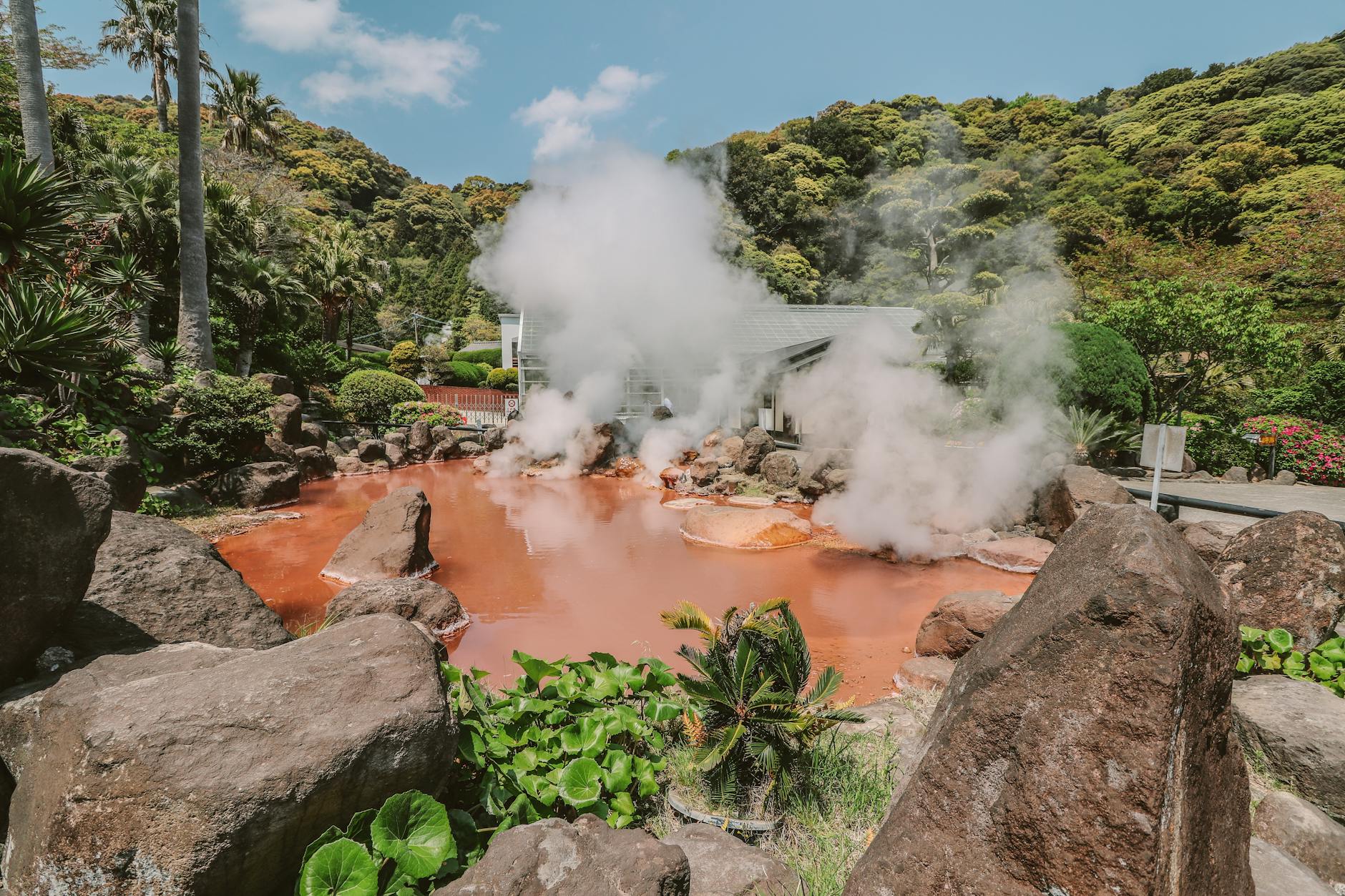
Beitou is a historic hot spring town on the northern edge of Taipei, a 40-minute MRT ride from downtown. The water is naturally heated by geothermal activity from Yangmingshan National Park and comes in three distinct flavors: white sulfur, green sulfur, and iron sulfur. The whole town smells gently of eggs, and it is wonderful.
Three ways to soak:
- Public Hot Spring (NT$60, ~USD 2): The no-frills outdoor pools near Xinbeitou Station. Bring a swimsuit (required) and a swim cap.
- Day-use hotel pools (NT$300–1,000): Private ryokan-style hotels sell day passes to their baths. Gaia Hotel and Villa 32 are luxurious.
- Private room bath (NT$1,500+): Most hotels rent private baths by the 90-minute slot, perfect for couples.
Also worth a visit: the steaming Thermal Valley (Dihuagu), the Beitou Hot Springs Museum (free), and the library — yes, the Beitou Public Library is a beautiful wooden building that is an attraction in itself. Full details: Beitou hot springs guide.
MRT: Xinbeitou Station (Red Line — take the short Xinbeitou branch from Beitou).
7. Hike Yangmingshan National Park

Yangmingshan is a volcanic, subtropical national park 30 minutes north of downtown — Taipei’s largest green space and one of the best day hikes in the city. Trails range from easy boardwalks around lakes and grass plains to steep, scrambly summits.
Seasonal highlights:
- Late January – March: Cherry blossoms, particularly at Pingjing Street and the Flower Clock.
- March – April: Calla lilies in Zhuzihu valley. Pick your own.
- May – June: Hydrangeas. Same valley, different season.
- October – November: Silvergrass on the hillsides — endless silver waves in the wind.
- Year-round: Xiaoyoukeng sulfur vents and Qixingshan (Seven Star Mountain, the highest peak in Taipei at 1,120m).
Full trails, transport, and season notes: Yangmingshan National Park guide.
Transport: Red Bus 5 from Shilin MRT Station, or Bus 260 from Taipei Main Station.
8. Ride the Maokong Gondola
A 4-kilometer aerial cable car that climbs from Taipei Zoo MRT Station up into the tea-growing hills above the city. The ride takes about 25 minutes and delivers stunning views over southern Taipei. Request a glass-bottomed Crystal Cabin at boarding for a small upcharge — they are worth it.
At the top (Maokong Station), you are in a landscape of tea plantations and teahouses. Spend an hour at a hillside teahouse sipping oolong and watching the city below. Return before the evening if you want to avoid the rush, or stay for sunset — the gondola runs until 9pm most nights. Full guide: Maokong Gondola.
MRT: Taipei Zoo Station (Brown Line), then walk to the gondola terminal.
9. Walk Along the Tamsui River or Cycle the Riverside Bike Paths
Taipei has 150+ kilometers of paved riverside bike paths along the Tamsui, Keelung, and Xindian rivers. You can rent a YouBike at any MRT station, tap an EasyCard, and go. The most scenic stretch is from Dadaocheng Wharf (in the old quarter) northwest along the Tamsui all the way to the ocean at Tamsui town — about 20 km, 1.5 hours one way, gentle the whole way. You can load the bike back on the MRT if you do not want to ride back.
Alternative: the Guandu Nature Park segment is a beautiful flat loop through wetlands, with bird-watching towers and a crab-viewing walkway.
10. Day-Trip to Jiufen (or a Full Northeast Coast Circuit)

Jiufen is the lantern-lit hillside mining town an hour northeast of Taipei. It is often cited (disputed by Miyazaki himself but widely believed by fans) as the inspiration for Spirited Away‘s bathhouse town. At dusk, the narrow stone alleys light up with red lanterns, the teahouses spill lamplight onto the steps, and the ocean glows gold below. It is one of the most photogenic places in Taiwan.
Most travelers combine Jiufen with Shifen (for the sky lanterns and small waterfall) and sometimes Yehliu Geopark (for the Queen’s Head rock formation). It makes a long but rewarding day.
Full itineraries: Jiufen day trip, Shifen day trip, Yehliu Geopark. Full pillar: day trips from Taipei.
Taipei Culture, History, and Temples
11. Chiang Kai-shek Memorial Hall
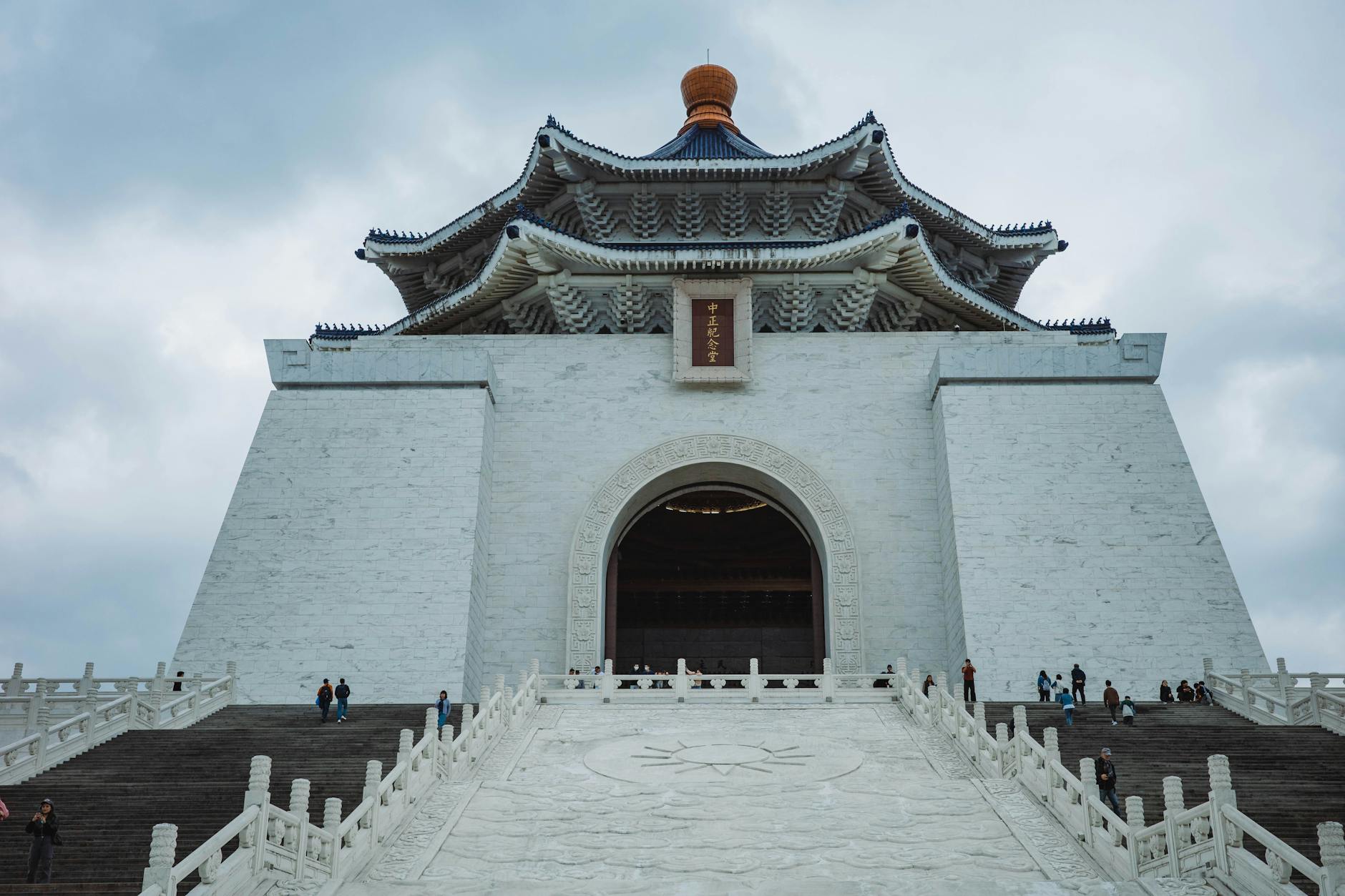
A vast, hushed white marble hall with a startlingly blue tiled roof, completed in 1980 in memory of Taiwan’s former authoritarian president Chiang Kai-shek. Whatever your views on Chiang (and they are actively debated in Taiwan today), the monument itself is architecturally striking and the surrounding Liberty Square — flanked by the ornate National Theater and National Concert Hall — is one of the most photogenic open spaces in the city.
Time your visit to the hour for the ceremonial changing of the guard, a slow and impressive drill routine performed on the main level. Bottom-floor museum is free and covers Chiang’s life (with a distinctly Republic-of-China lens). Full visitor guide: CKS Memorial Hall.
MRT: Chiang Kai-shek Memorial Hall Station (Red/Green Line).
12. National Palace Museum
One of the world’s great museums, holding the imperial collection of the Chinese dynasties — roughly 700,000 objects of jade, bronze, calligraphy, painting, and imperial porcelain. When the Nationalists retreated from mainland China in 1949, they brought the best pieces with them. Beijing’s Palace Museum is set in a more spectacular building; Taipei’s holds the better collection.
Star items: the Jadeite Cabbage (a Qing-dynasty jade carving of a bok choy with a cicada perched on it), the Meat-Shaped Stone (agate carved to look like a slab of braised pork belly), the Mao Gong Ding bronze, and the Along the River During the Qingming Festival scroll reproductions.
Plan 2–3 hours. Go early to beat the tour-group rush. Full guide: National Palace Museum.
Transport: Red Line to Shilin Station, then Bus R30.
13. Wander Dadaocheng and Dihua Street
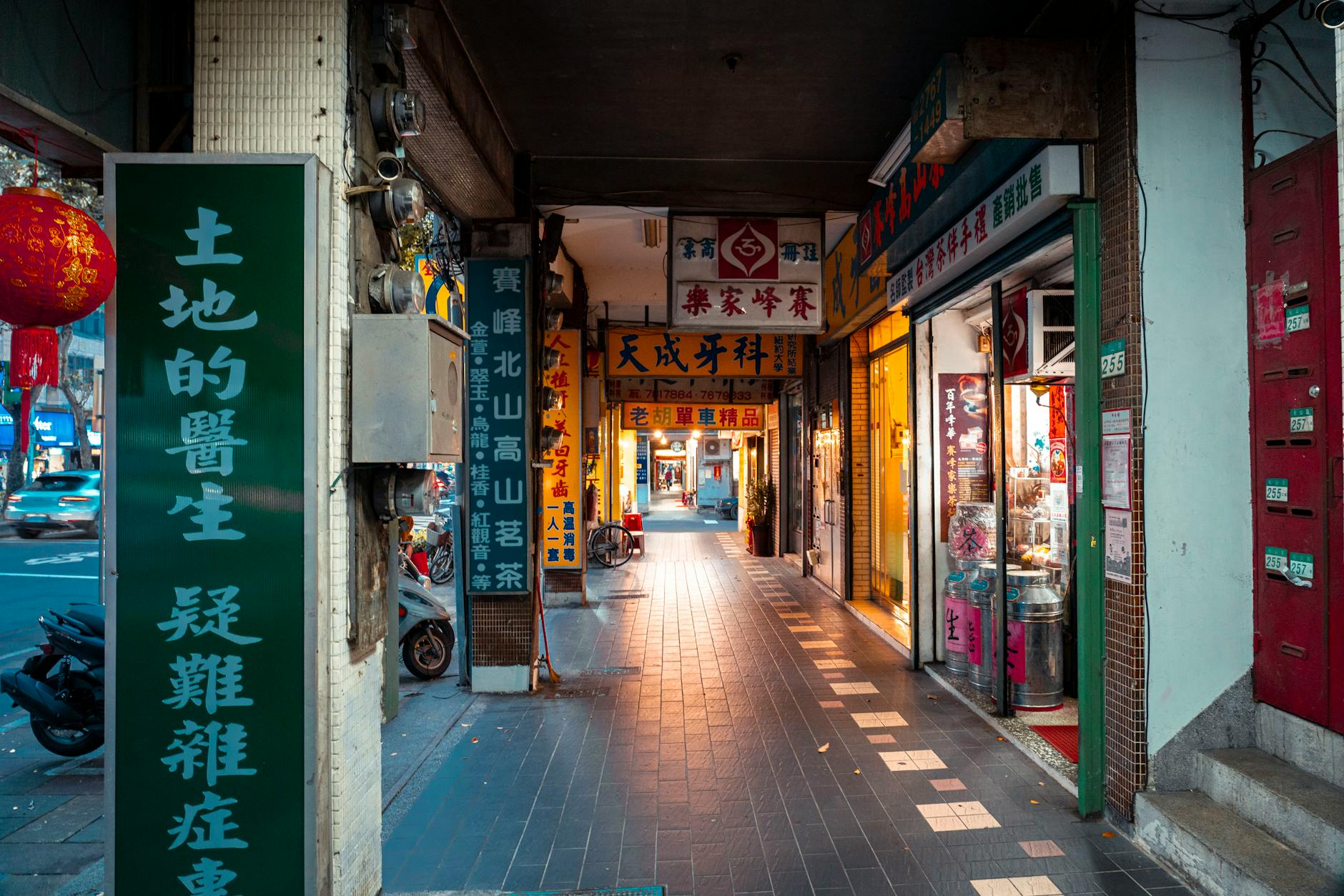
Dadaocheng is Taipei’s historic trading quarter, built during the Qing dynasty when tea, herbs, dried goods, and fabric made this stretch the commercial heart of northern Taiwan. Today it is the most atmospheric walking neighborhood in the city — beautifully restored Qing and Japanese-era shophouses, narrow lanes, aging temples, and a burgeoning scene of indie boutiques and third-wave coffee shops.
Walk the length of Dihua Street from north to south, ducking into herb shops, fabric merchants, and old-school bakeries. Xiahai City God Temple (famous for love prayers) is small but packed. During Lunar New Year, the entire street becomes a crackling market for candied fruits, dried seafood, and festival foods.
MRT: Daqiaotou Station or Beimen Station.
14. Visit Traditional Teahouses in Maokong or Jiufen
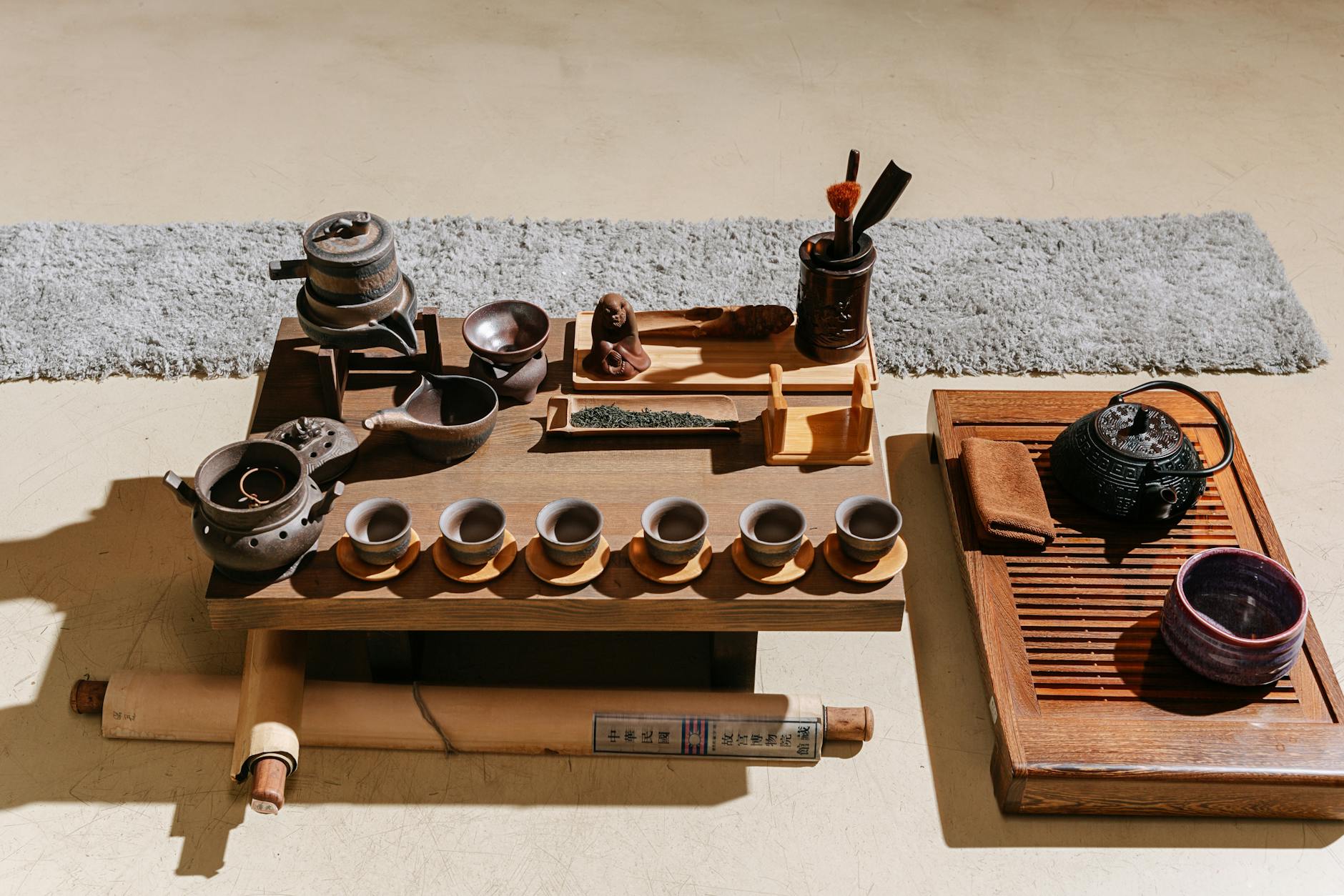
Taiwanese oolong is among the best tea in the world, and the traditional teahouse experience is one of Taipei’s quiet pleasures. You sit at a low wooden table, the host sets down a clay gaiwan, a tasting cup, a smelling cup, and a pot of bubbling water. You brew the tea yourself — short infusions, ten or fifteen in a single session — and the flavor evolves in your cup over the course of an hour.
The best teahouses are up in the Maokong hills (reach them via the gondola above) or on the narrow lanes of Jiufen. Inside the city, Wistaria Tea House near Da’an is a historic gem.
15. Explore Bopiliao Historic Block
A perfectly preserved Qing-dynasty alley two blocks from Longshan Temple. Bopiliao was once a bustling commercial street, abandoned, then restored. It is free, photogenic, and a convenient add-on to any Longshan Temple visit. The small Heritage and Culture Education Center inside has rotating exhibits on local history.
Taipei Museums Worth Your Time

Beyond the National Palace Museum, Taipei has a stronger museum scene than first-timers expect. The short list:
- National Museum of Taiwan History (in Tainan, 1.5h south by HSR) — The best single museum for understanding Taiwan’s layered colonial history (Dutch, Spanish, Qing, Japanese, ROC).
- Taipei Fine Arts Museum — The city’s primary contemporary art museum, set in a striking modernist building in Zhongshan. Free on Saturdays.
- National Taiwan Museum of Fine Arts — In Taichung but worth a mention for serious art travelers.
- Taiwan Design Museum (Songshan Cultural Park) — Housed in a restored Japanese-era tobacco factory, showcasing contemporary Taiwanese design.
- National Museum of Taiwan Literature — Small, niche, a lovely retreat from the city.
- Miniatures Museum of Taiwan — Oddly charming. Detailed miniature dioramas. Great for kids. Guide here.
- National Taiwan Science Education Center — Seven floors of interactive science exhibits. Kid magnet. Guide.
Taipei Neighborhoods to Explore on Foot
Taipei rewards slow wandering. These are the neighborhoods most worth spending an afternoon in.
16. Ximending
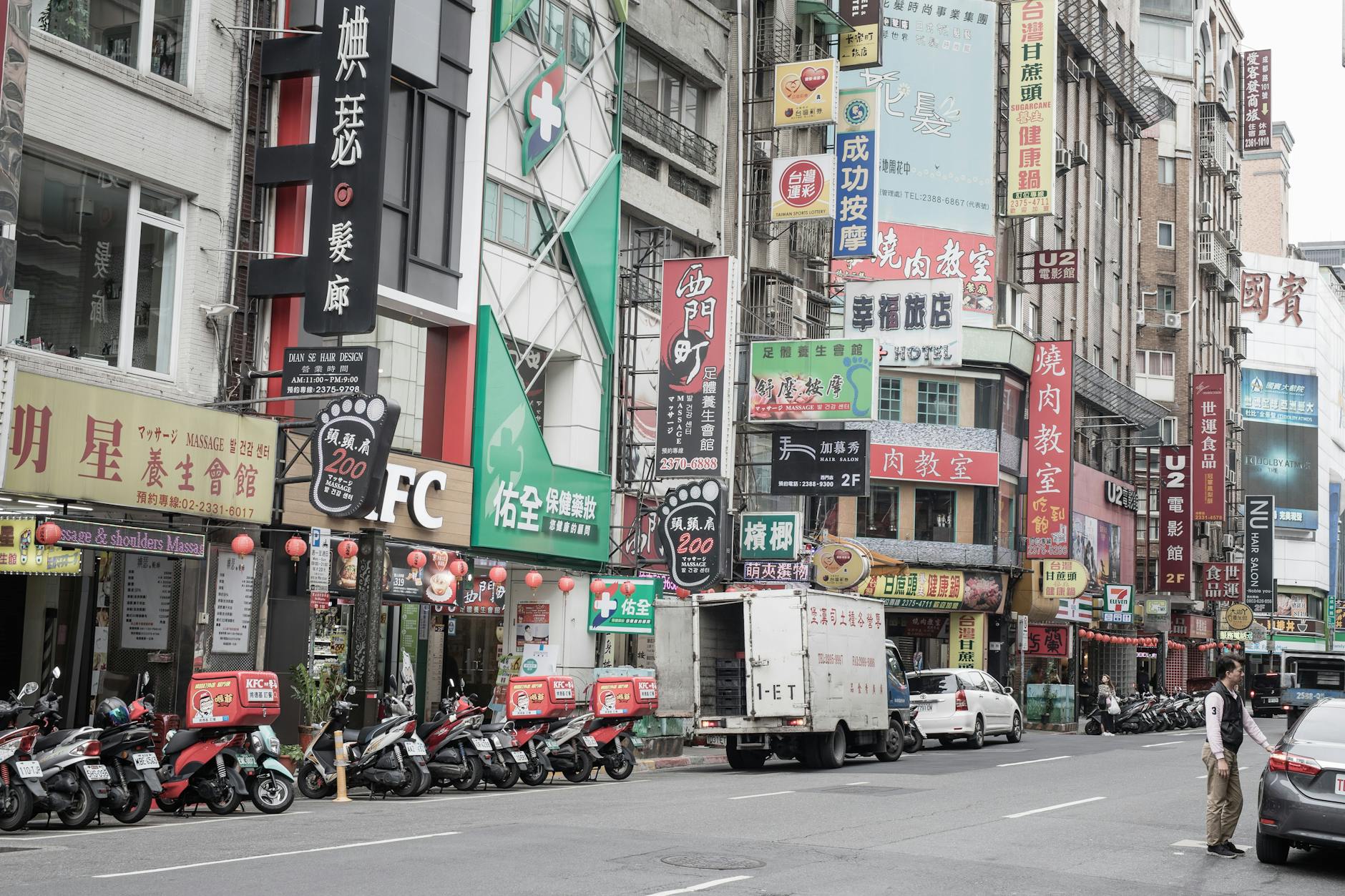
The pedestrianized youth district often compared to Tokyo’s Harajuku or Shibuya. Neon signs, streetwear shops, bubble tea stalls, manga cafes, buskers on every corner. It peaks in the evenings — arrive after 6pm, stay until 10 or 11. The Red House Theater is a beautiful octagonal Japanese-era building that anchors the district and hosts occasional craft markets.
Come hungry: Ay-Chung flour-rice noodle (mian xian) is a Ximending legend, as is the fried chicken at Hot Star. Full guide: Ximending, plus Ximending shopping.
17. Yongkang Street (Da’an District)
A leafy street in the Da’an district packed with Taipei’s most beloved food and coffee shops. Din Tai Fung’s original branch is at one end. Yongkang Beef Noodle is a short walk away. Smoothie House (mango shaved ice in summer) draws lines around the block. In between: smart cafes, independent bookstores, indie boutiques.
MRT: Dongmen Station (Red/Orange Line).
18. Qingtian Street
A quiet, tree-lined lane near Yongkang with a handful of beautifully restored wooden Japanese-era homes — now mostly cafes, galleries, and craft shops. The most atmospheric 15-minute walk in central Taipei.
19. Shida
The student neighborhood around National Taiwan Normal University. Indie bookstores, live music bars, cheap eats, vintage shops. Shida Night Market is smaller than the big ones but feels distinctly local. Guide: Shida Night Market.
20. Shilin (beyond the night market)
Most tourists see Shilin only at night. By day it has the Official Residence of Chiang Kai-shek (now a museum with lovely gardens), the Shilin Paper Factory (converted into a creative space), and access to Yangmingshan via Bus Red 5.
Shopping in Taipei
Taipei’s shopping ranges from traditional night markets and herb shops to mega-malls and boutique designer scenes. Worth the time:
- Eslite Spectrum Songyan — The flagship of Taiwan’s most famous bookstore chain, open 24 hours. Books, stationery, designer goods, food hall.
- Taipei 101 Mall — Six floors of luxury brands at the base of the tower.
- Dihua Street — Traditional herbs, teas, fabrics, dried goods. See above.
- Guanghua Digital Plaza — Multi-floor electronics market. Perfect for camera gear, audio equipment, and quirky gadgets. Full guide.
- Souvenirs: Pineapple cakes, sun cakes, oolong tea, hand-pulled noodle gift sets, silk fans. Our Taipei souvenirs guide has the full list.
Do not forget to claim Taiwan’s tourist tax refund on qualifying purchases.
Hidden Gems in Taipei
For travelers on their second or third visit — or those who want something different on a first trip — these underrated experiences deliver.
21. Airplane Alley (Songshan Airport Observation Area)
A small park at the end of Songshan Airport’s runway where aircraft pass directly overhead every ten minutes. Free, surreal, and almost entirely tourist-free. Bring good earplugs.
22. Houtong Cat Village
A former coal-mining town an hour northeast of Taipei that reinvented itself as a sanctuary for hundreds of street cats. Worth a half-day if you like cats, photography, or disused industrial landscapes. Full guide: Houtong.
23. Wulai
An indigenous Atayal village 45 minutes south of Taipei in a river valley. Natural hot springs (much less developed than Beitou), a dramatic waterfall, indigenous food, and a short mini-train that runs through the valley. Wulai day trip.
24. Bishanyan Temple (Neihu)
A mountainside temple in Neihu District with one of the best free views of Taipei — especially magical at sunset. A short but steep hike from the temple parking lot. Rarely any other tourists.
25. Huashan 1914 Creative Park and Songshan Cultural Park
Two former Japanese-era industrial complexes (a distillery and a tobacco factory) converted into creative hubs. Galleries, design shops, cafes, pop-up events, film screenings. Both are excellent for a rainy afternoon, and both host strong rotating exhibitions year-round.
26. Guandu Wetlands and Temple
A 57-hectare wetland reserve on the northern edge of the city with bird-watching towers, crab-viewing walkways, and tunneled tree paths. Adjacent is Guandu Temple, a cliff-face temple carved partly into the rock with tunnels you can walk through.
27. Beitou Hot Springs Museum (free)
A beautiful two-story wooden Japanese-era bathhouse converted into a free museum. It sits inside Beitou Park and is the perfect add-on to a Beitou hot springs visit — 30 minutes is plenty.
28. Zhongshan Park and the Miramar Ferris Wheel
The Miramar Entertainment Park has a 100-meter Ferris wheel on its roof with panoramic views of east Taipei. Go after dark for the full neon effect. Cheap, kitschy, fun.
Food Experiences Beyond Night Markets

The Taipei food guide covers the full menu. For experiences that are about doing rather than just eating:
- Take a cooking class — Several operators teach dumpling folding, beef noodle soup, and traditional Taiwanese breakfast. Half-day, ~USD 70.
- Tea tasting in Maokong — Walk-in teahouse tasting sessions, usually NT$300–500 for a two-hour session with multiple teas.
- Breakfast crawl — Traditional Taiwanese breakfast (dan bing, soy milk, scallion pancake) is a distinct meal tradition. Do a morning breakfast tour or DIY with our Taiwanese breakfast guide.
- Din Tai Fung lunch ritual — Line up, order the classic set, watch through the glass as the dumpling team pleats 18 folds per wrapper. Bucket-list Taipei meal.
- Michelin Bib Gourmand crawl — Taiwan’s Michelin guide awards Bib Gourmand status to dozens of cheap eats including night-market stalls. Our Michelin guide has the list.
- Bubble tea birthplace tour — Taiwan is where pearl milk tea was invented in the 1980s. Try the original at Chun Shui Tang if you venture to Taichung, or explore Taipei’s best bubble tea shops without leaving the city.
Family-Friendly Things to Do in Taipei
Taipei is an underrated family destination — safe, clean, extremely walkable, and packed with dedicated kid-friendly attractions. Our full pillar is at Taipei with kids. Standouts:
- Taipei Zoo — One of Asia’s largest, with giant pandas, koalas, and a dedicated formosan animal area. Cheap and excellent. Full guide.
- Taipei Children’s Amusement Park — Fun rides for under-10s at low prices. Guide.
- National Taiwan Science Education Center — Seven floors of hands-on exhibits. Kid-magnet on a rainy day. Guide.
- Maokong Gondola — Glass-bottom cable cars are a kid highlight.
- Miniatures Museum — Detailed dioramas of castles, airplanes, train sets. Tiny obsessives will love it.
- Yangmingshan’s grass fields — Qingtiangang is a flat, open grassland with buffalo — perfect for kids to run.
Rainy Day and Indoor Things to Do
Taipei rains a lot — 165+ rainy days a year on average. The good news: you can fill an entire week without ever leaving cover. Short list (full article: rainy day activities in Taipei):
- National Palace Museum (3 hours easily).
- Taipei 101 Mall and observatory (whole afternoon).
- Eslite Spectrum Songyan (books, design, food, 24h).
- Huashan and Songshan Creative Parks (galleries, shops).
- Beitou hot springs (rain makes it better).
- Cooking class.
- Traditional teahouse session.
- Jianguo Weekend Flower and Jade Markets (covered under a highway).
- Taipei Fine Arts Museum.
- A dedicated night-market crawl with good rain shoes.
Free Things to Do in Taipei
Taipei is unusually generous with free attractions. Full article: free things to do in Taipei. The highlights:
- Longshan Temple.
- Chiang Kai-shek Memorial Hall and Liberty Square (the museum floor is free; the hall itself is free to enter).
- Dadaocheng walk (free to wander).
- Elephant Mountain (free hike).
- Beitou Hot Springs Museum.
- Taipei Fine Arts Museum (Saturdays).
- Most temples (Bao’an, Xingtian, Confucius, Guandu, Xiahai).
- Bopiliao Historic Block.
- The Sun Yat-sen Memorial Hall and its park — the other ceremonial guard-changing.
- Songshan and Huashan Creative Parks (the spaces themselves).
- Riverside bike paths (YouBike hire costs less than a dollar).
Annual Events Worth Planning Around
If your dates are flexible, these festivals add enormous value:
- Pingxi Sky Lantern Festival (late Lunar New Year, usually February): Thousands of paper lanterns released into the night sky. One of the great photography experiences in Asia. Guide.
- Taiwan Lantern Festival (February – early March): Massive illuminated displays across the country.
- Cherry Blossom season (late January – March): Yangmingshan.
- Dragon Boat Festival (May/June): Boat races on the Keelung River.
- Mid-Autumn Festival (September): Street BBQs everywhere and mooncakes.
- Taiwan Pride (last Saturday of October): Asia’s biggest Pride parade — hundreds of thousands of attendees. Taiwan was the first country in Asia to legalize same-sex marriage.
- Taipei Fireworks at Taipei 101 (December 31): The signature New Year’s Eve event in East Asia after Sydney.
Full calendar: Taipei festivals calendar.
Sample Full Days: Putting It All Together
To make the above list practical, here are three themed day plans.
The Icon Day
- Morning: Longshan Temple and Bopiliao.
- Lunch: Din Tai Fung at Taipei 101.
- Afternoon: Taipei 101 observatory.
- Sunset: Elephant Mountain.
- Dinner: Tonghua (Linjiang) Night Market.
The Culture Day
- Morning: National Palace Museum.
- Lunch: Local restaurant in Shilin.
- Afternoon: Maokong Gondola + tea tasting.
- Sunset: Back down to the city.
- Dinner: Yongkang Street food crawl.
The Slow Day
- Late morning: Dadaocheng walk and coffee.
- Lunch: Traditional Taiwanese noodle shop.
- Afternoon: Beitou hot springs.
- Dinner: Ningxia Night Market (small, traditional).
- Evening: Teahouse on Yongkang Street.
Full itineraries: 3-day, 5-day, 7-day.
Practical Tips for Sightseeing in Taipei
- Start early. Most major sights are quiet before 10am and packed by 11.
- Temples close around 9pm. Plan accordingly.
- Many museums close Mondays. The National Palace Museum is open daily, but Taipei Fine Arts Museum and the Science Education Center close Mondays.
- Carry cash. Smaller attractions, temples, night markets, and taxis often do not take cards.
- Bring an umbrella. Year-round — Taipei is rainy.
- Download maps offline. Google Maps works well; Moovit is excellent for public transport; Pleco is useful for reading Chinese characters.
- Be earthquake-aware. Small tremors are common. Know the drop-cover-hold drill.
Explore more Taipei guides
Frequently Asked Questions
What is Taipei best known for?
Taipei is best known for Taipei 101 (its 508-meter skyscraper), its night markets, soup dumplings (xiao long bao), bubble tea (which was invented in Taiwan), and Beitou hot springs. Its combination of food, safety, and easy public transport is internationally celebrated.
Is Taipei worth visiting?
Yes. For most travelers it is one of the most rewarding capitals in Asia — exceptional food, strong public transport, genuine warmth, and excellent value. Most first-time visitors leave planning a second trip.
What should I not miss in Taipei?
If you only pick five: Taipei 101 at sunset, Elephant Mountain, a night market (Raohe is our pick), Longshan Temple, and a full Din Tai Fung meal or food tour.
How many days do you need in Taipei?
Three days for the icons, five days for the sweet spot with a day trip, seven days for a deeper exploration. Less than 48 hours is tight but doable. See how many days in Taipei.
Is Taipei expensive for tourists?
No — it is one of Asia’s better values. Most attractions are NT$30–600 (USD 1–20). Night markets feed you for under USD 10. Transport is cheap. Your biggest expense will be your hotel. See Taipei travel costs.
What is the best time of day to visit Taipei 101?
About 45 minutes before sunset. Arrive in daylight, watch the sun drop, and stay through blue hour to see the city light up. Avoid weekend afternoons — long lines.
Can you do Taipei in one day?
Tight but possible: Longshan Temple in the morning, Din Tai Fung for lunch, Taipei 101 in the afternoon, Elephant Mountain at sunset, Raohe Night Market for dinner. You will leave hungry for more, which is the point.
What is the best night market in Taipei?
For first-timers, Raohe strikes the best balance of size, food quality, and atmosphere. Shilin is the largest and most famous but also the most touristy. Ningxia is small, old-school, and locally beloved. See best night market in Taipei for the full comparison.
What is free to do in Taipei?
A lot. Longshan Temple, Chiang Kai-shek Memorial Hall, Dadaocheng, Elephant Mountain, Beitou Hot Springs Museum, most temples, Bopiliao, Sun Yat-sen Memorial Hall, and the Saturday-free Taipei Fine Arts Museum are all no-cost. Full list: free things to do in Taipei.
What are unique things to do in Taipei?
Airplane Alley, Houtong Cat Village, a Maokong tea ceremony, Bishanyan Temple at sunset, an indigenous Atayal meal in Wulai, or a river-mouth sunset in Tamsui all deliver something different from the standard tourist list.
Where to Go from Here
You now have every category of thing to do in Taipei covered. The next steps, depending on your planning stage:
- Planning dates? Read best time to visit Taipei.
- Deciding where to stay? Read where to stay in Taipei.
- Want an evening structure? Jump to Taipei night markets.
- Day-trip curious? Head to day trips from Taipei.
- Getting hungry? Start with the Taipei food guide.
Taipei is the kind of city that rewards the curious and the underplanned. Walk slow, eat constantly, look up often, and let the city do the rest.
Most of these sights make more sense once you see how the city fits together. Taipei grew from west to east — from the eighteenth-century river port around Longshan Temple, through the tea merchants’ Dadaocheng and the Japanese-era government quarter, to the post-war lanes of Da’an and the towers of Xinyi — and each district still feels like its era. Our guide to Taipei neighbourhoods goes district by district, with walks that join them together.