This article contains advertising. Our booking links are routed through a partner that adds commission tracking automatically, so if you book through one we earn a commission from the provider, at no extra cost to you. It never affects what we recommend. Affiliate disclosure
Taipei Weather & Best Time to Visit (2026): The Complete Month-by-Month Guide
Wondering about the best time to visit Taipei? As one of Asia’s most vibrant capitals, Taipei offers something remarkable in every season, but the weather you encounter can dramatically shape your experience. From steamy subtropical summers with afternoon thunderstorms to cool, misty winters perfect for soaking in hot springs, understanding Taipei’s climate is the single most important factor in planning a successful trip.
Taipei sits in a basin surrounded by mountains in northern Taiwan, and its humid subtropical climate brings hot summers and damp winters. With approximately 2,400 mm of rainfall a year, it is a city where an umbrella earns its place in your bag whatever the season. But do not let that discourage you. With the right timing and preparation, you can enjoy comfortable temperatures, clear skies, and far fewer crowds than many other Asian megacities.
In this comprehensive guide, we break down Taipei weather month by month, explore each season in detail, cover typhoon preparedness, and help you decide exactly when to visit Taipei based on your priorities, whether that is cherry blossoms, budget travel, hiking weather, or festival culture. This guide is part of our complete Taipei Travel Guide, where you will find everything you need to plan your trip from start to finish.
Quick Answer: When Is the Best Time to Visit Taipei?
The best time to visit Taipei is October through November and March through April. These shoulder-season windows offer the ideal balance of pleasant weather, manageable humidity, lower crowds, and compelling seasonal events. October and November bring relief from the summer heat, with average temperatures of about 25 degrees Celsius in October and 22 in November. March and April reward visitors with the last of the cherry blossoms in March, the calla lily fields of Zhuzihu on Yangmingshan at their peak, and mild averages of about 19 degrees Celsius in March and 22 to 23 in April.
That said, the “best” time depends entirely on what you value most:
- Best weather: October and November (clear, cool, dry)
- Best for cherry blossoms: Late February through mid-March
- Best for budget travelers: December through February (excluding Chinese New Year)
- Best for foodies: Summer for mango season; autumn for harvest festivals
- Best for families: March through April or October through November (see our Taipei with Kids guide for family-specific advice)
- Best for hot springs: December through February
- Best for hiking: October through November
Now let us dive into the details so you can pinpoint the perfect dates for your Taipei trip.
Month-by-Month Guide to Taipei Weather
The Taipei climate varies considerably across the twelve months. Below is a complete month-by-month breakdown of what to expect, including average temperatures, rainfall patterns, key events, and our honest assessment of pros and cons for travelers.
January in Taipei
Average temperature: about 16 degrees Celsius
January is one of the coolest months in Taipei, with average temperatures hovering around 16 degrees Celsius. The northeast monsoon dominates, bringing overcast skies and persistent light drizzle, particularly in the second half of the month. It rarely freezes in the city itself, though the surrounding mountains may see frost or even a light dusting of snow on the highest peaks.
This is low season for tourism, which means excellent hotel deals and short queues at popular attractions. However, if Chinese New Year falls in January (it shifts between late January and mid-February each year), expect a dramatic spike in domestic travel, restaurant closures, and a festive atmosphere with temple ceremonies, red lanterns, and traditional markets.
Pros: Lowest hotel prices, no crowds (outside CNY), hot spring weather, early cherry blossoms on warm years.
Cons: Grey skies, frequent drizzle, some businesses closed during CNY, shorter daylight hours.
February in Taipei
Average temperature: about 17 degrees Celsius
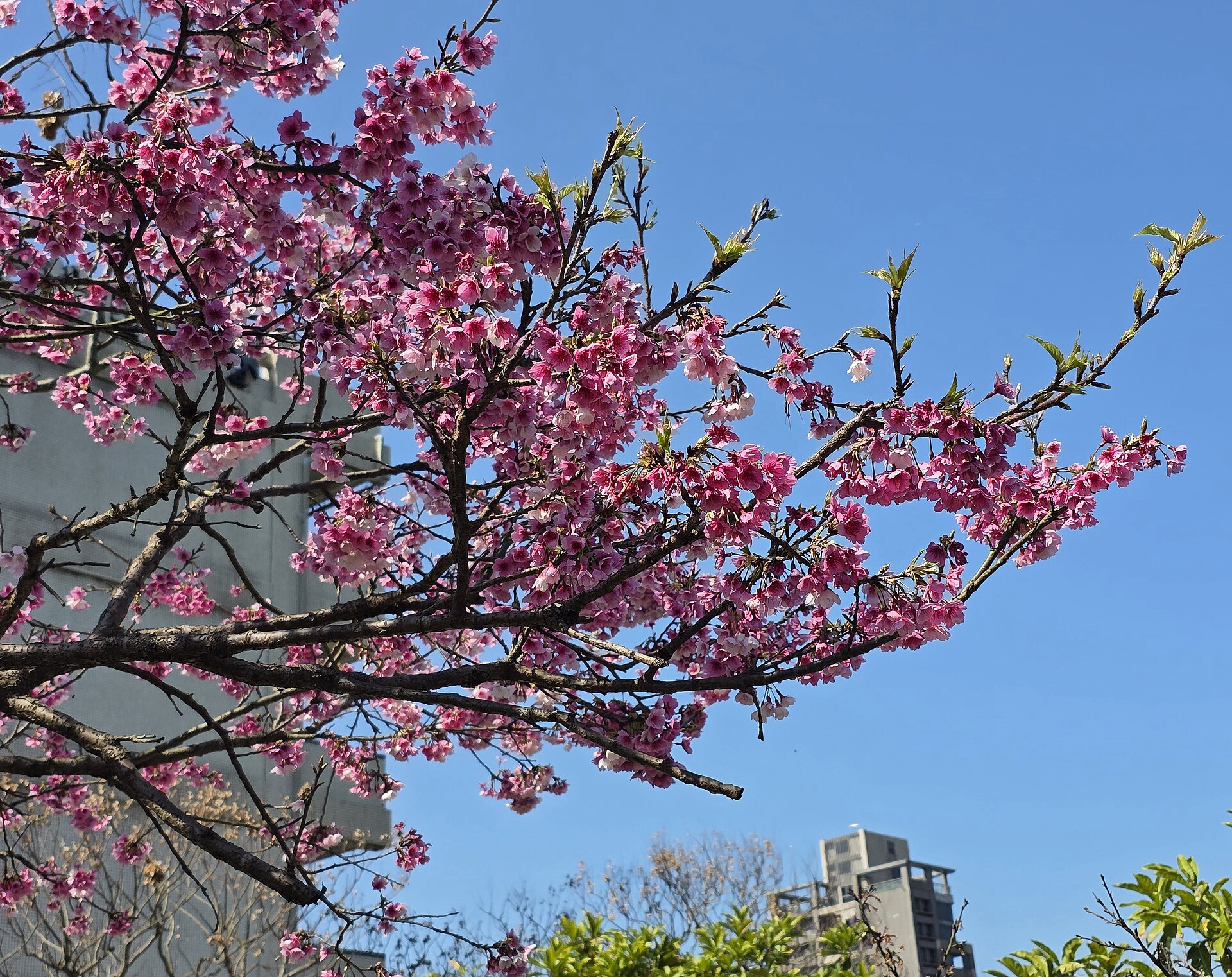
February continues the cool, damp pattern of January, with average Taipei temperatures climbing slightly to 17 degrees Celsius. The northeast monsoon persists, though there are more sunny breaks as winter begins to loosen its grip. Late February marks the beginning of cherry blossom season, particularly in Yangmingshan National Park, where the earliest-blooming Taiwanese cherry trees (the deep pink “mountain cherry” variety) start to flower.
The Taipei Lantern Festival, one of Taiwan’s most spectacular cultural events, often falls in February. Thousands of elaborate lantern displays illuminate the city, accompanied by parades, performances, and traditional food. If Chinese New Year lands in February, be prepared for crowded transport and pre-booked accommodations.
Pros: Early cherry blossoms, Lantern Festival, still relatively affordable, hot spring season continues.
Cons: Drizzle and overcast skies, Chinese New Year congestion, limited sunshine.
March in Taipei
Average temperature: about 19 degrees Celsius
March is when Taipei begins its transformation from winter grey to spring green. Average temperatures reach a comfortable 19 degrees Celsius, though rain is still common, so keep an umbrella handy. This is peak cherry blossom season, with Yoshino cherry trees (the classic pale pink variety) blooming throughout the city’s parks and along riverbanks.
Yangmingshan’s famous Calla Lily Festival begins in mid-March, drawing visitors to the mountain’s volcanic valleys where thousands of white calla lilies bloom against a backdrop of steaming fumaroles. The temperature is ideal for walking, sightseeing, and exploring Taipei’s many outdoor attractions. March is one of our top recommended months and an excellent time for day trips from Taipei to scenic spots around the region.
Pros: Cherry blossoms, calla lilies, mild temperatures, manageable crowds, transition to spring.
Cons: Increasing rain showers, some foggy days, temperatures can fluctuate.
April in Taipei
Average temperature: about 22 to 23 degrees Celsius
April brings Taipei into full spring mode, with average temperatures of about 22 to 23 degrees Celsius: warm enough for short sleeves on most afternoons, but well short of the summer heat. The calla lily season on Yangmingshan continues in full force, and the city’s parks are lush and green. Tomb Sweeping Day (Qingming Festival) in early April is a national holiday that can create short-term crowding at transport hubs.
Rain becomes more frequent as the plum rain season (meiyu) approaches, though April typically remains drier than May or June. This is an outstanding month for outdoor exploration, temple visits, and market wandering. Evenings are pleasantly cool, perfect for strolling through night markets without breaking a sweat.
Pros: Warm but not hot, beautiful spring scenery, calla lilies, excellent for outdoor activities.
Cons: Increasing rain probability, Qingming holiday crowds, humidity beginning to rise.
May in Taipei
Average temperature: about 26 degrees Celsius
May marks the arrival of the infamous plum rain season (meiyu), when a stationary front hovers over Taiwan and brings extended periods of rain. Taipei rainfall in May can be heavy and persistent, sometimes lasting for days. Average temperatures reach 26 degrees Celsius, and humidity climbs noticeably. Despite the rain, the city remains functional and vibrant; Taipei’s excellent MRT system and covered walkways make getting around in wet weather quite manageable.
The Dragon Boat Festival, one of Taiwan’s major holidays, falls in late May or June. Dragon boat races along the Keelung River are a thrilling spectacle, accompanied by the consumption of zongzi (glutinous rice dumplings wrapped in bamboo leaves). Mango season also begins in May, and the first stalls offering shaved ice topped with fresh mango start appearing at night markets.
Pros: Dragon Boat Festival, mango season begins, smaller crowds at outdoor attractions, lush greenery.
Cons: Heavy rain likely, high humidity, plum rain can dampen outdoor plans.
June in Taipei
Average temperature: about 28 degrees Celsius
June heralds the arrival of full tropical summer in Taipei. Average temperatures reach about 28 degrees Celsius, and the humidity makes the afternoons feel hotter still. The plum rain season usually ends in mid-June, giving way to the southwest monsoon pattern that brings intense afternoon thunderstorms. These storms are dramatic but usually brief, clearing the air and cooling things down for the evening.
June also marks the official start of typhoon season, though June typhoons affecting Taipei are relatively uncommon. Hotel prices begin to drop as the peak heat keeps some travelers away, making this a good month for budget-conscious visitors who can handle the warmth.
Pros: Budget hotel rates, peak mango season, vibrant street food scene, long daylight hours.
Cons: Intense heat and humidity, afternoon thunderstorms, typhoon season begins.
July in Taipei
Average temperature: about 30 degrees Celsius
July is Taipei’s hottest month, with an average temperature of about 30 degrees Celsius and extreme humidity that makes it feel significantly warmer. Afternoon thunderstorms are almost a daily occurrence, though mornings often begin with clear blue skies. This is peak typhoon season; statistically, July through September see the most typhoon activity affecting Taiwan.
Summer holidays bring domestic tourists and families, particularly to Taipei’s water parks and indoor attractions. The Ghost Month festival (Zhongyuan Festival) often begins in July or August, during which temples hold elaborate ceremonies to honor wandering spirits. Night markets are at their most energetic during summer evenings, when the heat of the day has subsided and locals pour out to eat, shop, and socialize.
Pros: Cheapest hotel rates, peak fruit season, energetic night market atmosphere, summer festivals.
Cons: Extreme heat, high typhoon risk, afternoon storms, uncomfortable for extended outdoor walking.
August in Taipei
Average temperature: about 30 degrees Celsius
August mirrors July in terms of heat and humidity, with Taipei temperature averages holding steady at about 30 degrees Celsius. Typhoon risk remains at its peak. When a typhoon approaches, the Taiwanese government issues well-organized alerts and may declare a “typhoon day” that closes schools and offices.
Father’s Day falls on August 8, and Ghost Month, which follows the seventh lunar month, usually takes in much of August; check the lunar calendar for its dates in the year you travel. While it lasts, temples hold elaborate ceremonies featuring burning joss paper and communal feasts. This remains a budget-friendly month for accommodations, and air-conditioned malls, museums, and indoor attractions provide ample refuge from the heat.
Pros: Low prices, ripe tropical fruits, cultural festivals, excellent museum weather.
Cons: Peak typhoon risk, stifling heat, outdoor activities limited to mornings.
September in Taipei
Average temperature: about 28 degrees Celsius
September is a transitional month where summer’s grip begins to loosen. Average temperatures drop to 28 degrees Celsius, though typhoon risk persists through October. The Mid-Autumn Festival (Moon Festival), one of Taiwan’s three major holidays, typically falls in September or October and is celebrated with mooncakes, barbecues, and family gatherings under the full moon.
International tourist numbers are relatively low in September, making it a quiet month to visit if you do not mind the residual heat and typhoon lottery. Late September often produces some beautifully clear days that hint at the magnificent autumn weather to come.
Pros: Decreasing heat, Mid-Autumn Festival, low crowds, good hotel deals, transition to autumn.
Cons: Typhoon risk persists, still quite humid, occasional heavy rain.
October in Taipei
Average temperature: about 25 degrees Celsius
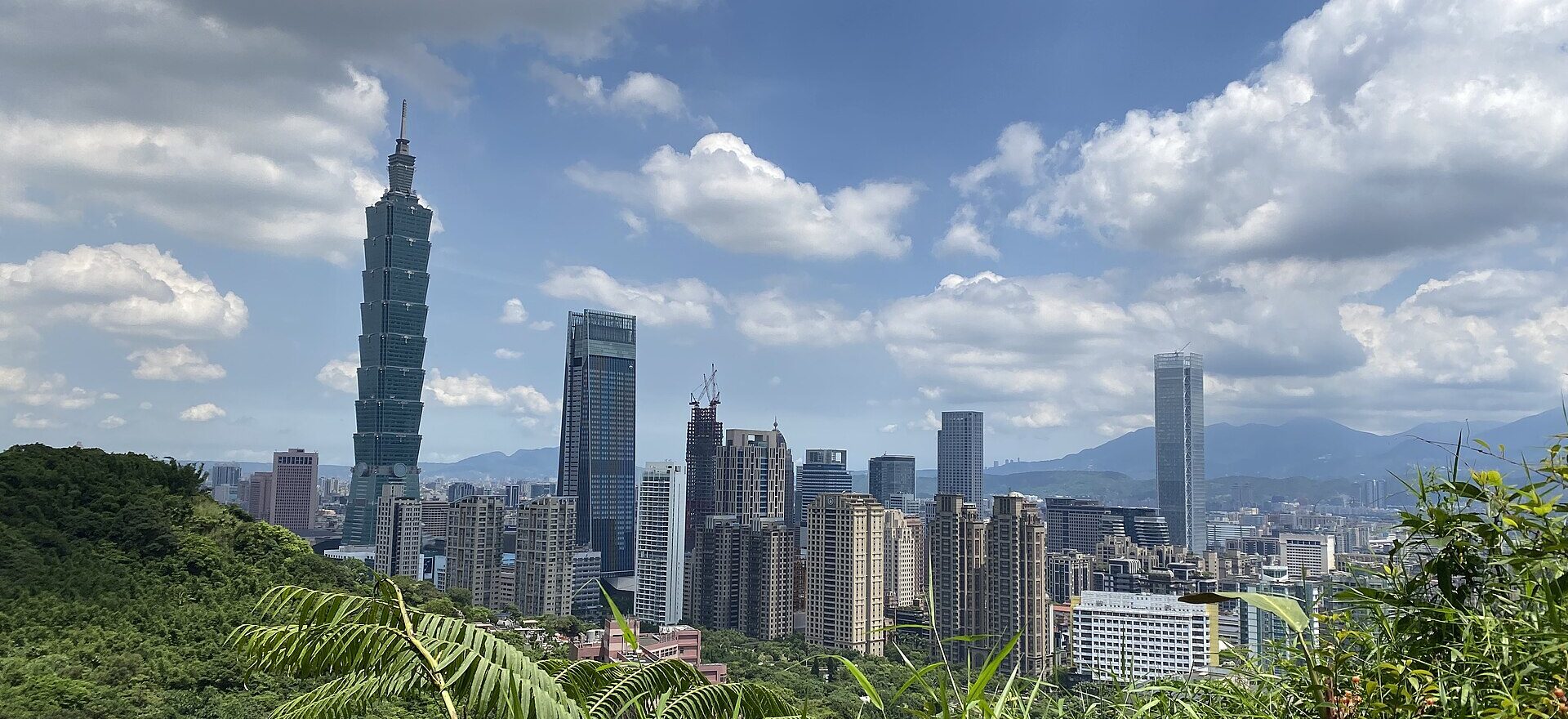
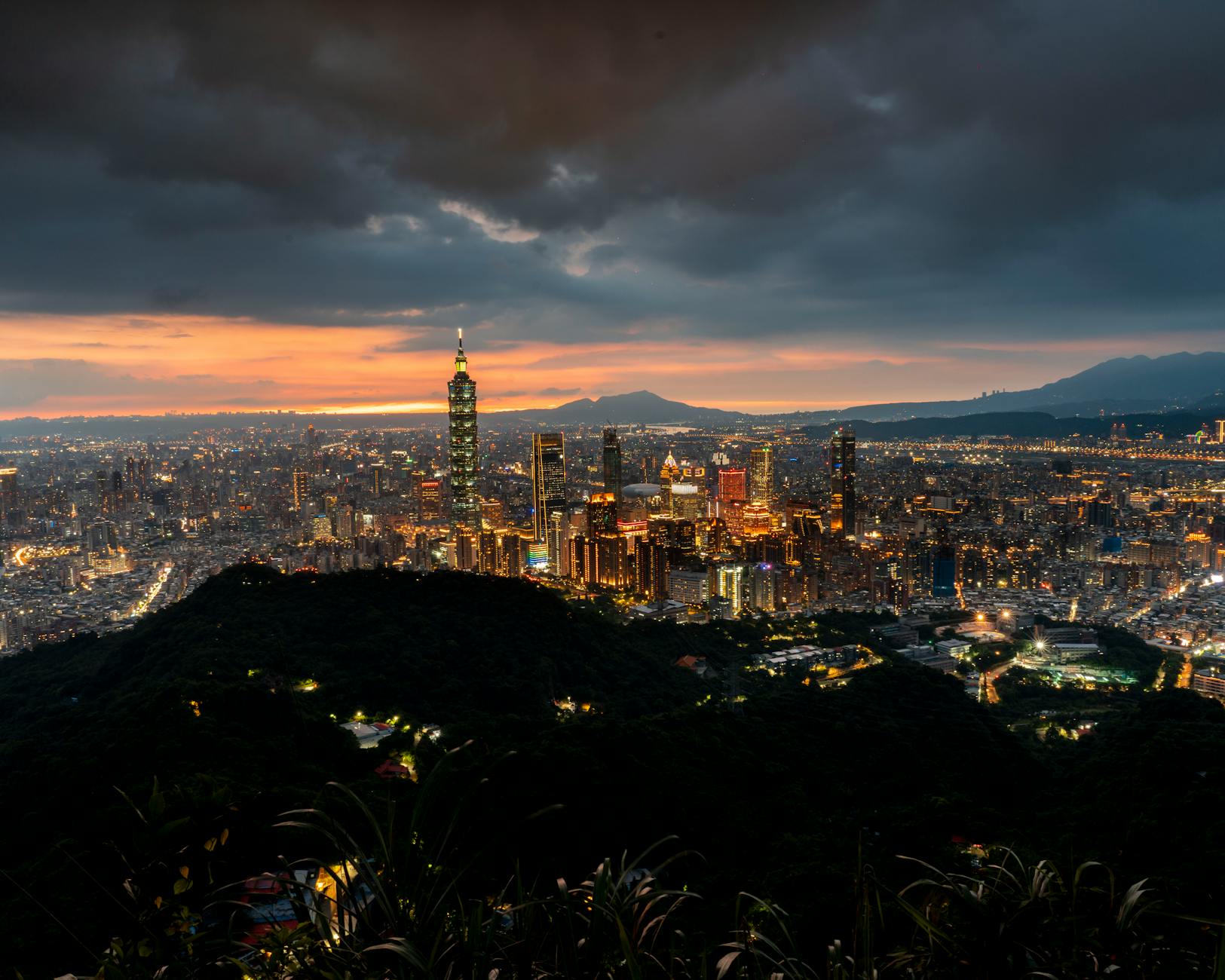
October is arguably the single best month to visit Taipei. Average temperatures settle at a comfortable 25 degrees Celsius, and the heaviest heat of the summer is behind you. On a clear day, the views of Taipei 101 and the surrounding mountains from the city’s hiking trails are superb.
National Day celebrations on October 10 (Double Ten Day) bring flag-lined streets and patriotic fervor. Hiking conditions are at their absolute best, making this the perfect time for day trips from Taipei to Jiufen, Yangmingshan, or the stunning Teapot Mountain trails. The city’s parks and riverside paths are at their most inviting.
Pros: Best weather of the year, clear skies, perfect hiking conditions, National Day celebrations.
Cons: Prices slightly higher than summer, increasing tourist numbers, some residual typhoon risk in early October.
November in Taipei
Average temperature: about 22 degrees Celsius
November continues October’s excellent weather pattern, with average temperatures of a very comfortable 22 degrees Celsius and comfortable conditions. It is an outstanding time for outdoor activities of all kinds. Early autumn foliage begins to appear in the city’s parks and on the surrounding mountainsides, though Taiwan’s subtropical latitude means the display is more subtle than in Japan or Korea.
November is the last month before winter brings its grey skies and drizzle, so it represents something of a final window for ideal Taipei weather. Hot spring resorts begin their peak season as the evenings cool down, and the city’s cultural calendar fills with art exhibitions and music festivals.
Pros: Excellent weather, autumn foliage, comfortable for all activities, reasonable prices.
Cons: Increasingly cool evenings, daylight hours shortening, popular month so book accommodation early.
December in Taipei
Average temperature: about 18 degrees Celsius
December marks the return of the northeast monsoon and the beginning of Taipei’s cool season. Average temperatures drop to around 18 degrees Celsius, and while it is not bitterly cold, the damp air can make it feel chillier than the number suggests. The first half of December often enjoys dry, pleasant weather before the monsoon pattern fully establishes itself.
Christmas is not a traditional Taiwanese holiday, but Taipei has embraced it as a commercial and social celebration, with dazzling light displays along Xinyi District and department store decorations. New Year’s Eve features one of Asia’s most iconic countdowns at Taipei 101, where a massive fireworks display launched from the building itself draws hundreds of thousands of spectators. Hot spring season is in full swing, making Beitou and Wulai perfect day trip destinations.
Pros: Low hotel prices, festive atmosphere, Taipei 101 New Year fireworks, excellent hot spring weather, few crowds.
Cons: Cooler temperatures, increasing drizzle, grey skies returning, shorter days.
Spring in Taipei (March to May): Cherry Blossoms and Calla Lilies
Taipei in spring is a revelation. After months of grey winter skies, the city bursts into color as cherry blossoms, azaleas, and calla lilies bloom across its parks and mountainsides. Average spring temperatures hover around 22 degrees Celsius, though the range is wide: March mornings can still be cool enough for a jacket, while late May afternoons may hit 30 degrees. Humidity is moderate and rising, but not yet at the oppressive summer levels.
The spring season in Taipei is bookended by two distinct weather patterns. March and early April still feel the tail of the northeast monsoon, which brings humid, rainy weather to northern Taiwan, so pack for showers even on a spring trip. By mid-April the pattern shifts, and May brings the plum rain season (meiyu), a period of extended overcast skies and persistent rain that can last for weeks.
Spring Highlights and Activities
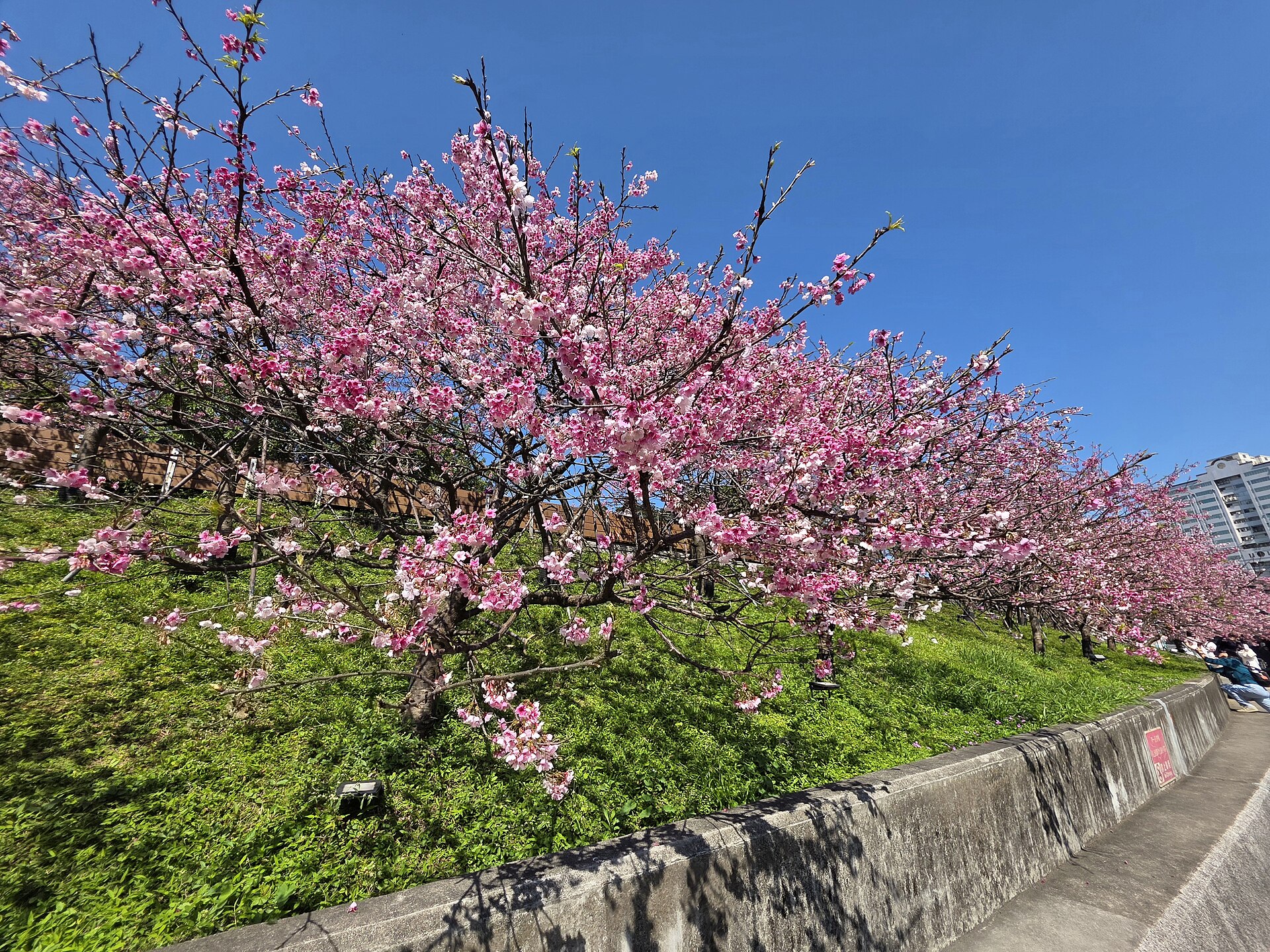
Cherry blossoms: Taiwan has its own cherry blossom season, peaking from late February through mid-March. Yangmingshan National Park is the most famous viewing spot, with thousands of trees in full bloom along the mountain trails. Tianyuan Temple in Tamsui and the banks of the Nehu Canal offer closer-to-the-city alternatives.
Calla Lily Festival: From mid-March through late May, the volcanic valleys of Zhuzihu on Yangmingshan transform into a sea of white calla lilies. Visitors can walk among the flower fields, pick their own blooms, and enjoy local sweet potato treats at nearby farm stalls.
Hiking: Spring is excellent for hiking before the summer heat arrives. The trails around Elephant Mountain, Maokong, and the various Yangmingshan loops are at their most beautiful. Plan your day trips from Taipei during this season for the best combination of comfortable temperatures and scenic beauty.
What to wear: Layers are essential in spring. Mornings may be cool enough for a light jacket, while afternoons can be warm enough for a t-shirt. Always carry a compact umbrella or rain jacket. For detailed packing recommendations, consult our What to Pack for Taipei guide.
Summer in Taipei (June to August): Heat, Monsoons, and Mangoes
Taipei in summer is an intense experience. The city transforms into a subtropical furnace, with monthly average temperatures of about 28 to 30 degrees Celsius and air so heavy with moisture that the middle of the day is hard going. The southwest monsoon brings moisture-laden air from the South China Sea, generating spectacular afternoon thunderstorms that roll in like clockwork, drench the city for an hour or two, and then vanish, leaving steaming streets and slightly cooler air.
Summer is also typhoon season in Taipei, with the peak risk running from July through September. Typically three to five typhoons affect Taiwan each year, though not all make direct landfall. The Taiwanese government has a well-practiced response system, and modern infrastructure handles typhoons effectively. However, flights, trains, and ferries can be disrupted for one to two days when a significant typhoon passes through.
Why Visit Taipei in Summer?
Despite the challenging weather, summer has genuine advantages for certain travelers. This is peak fruit season, when Taiwan’s extraordinary mangoes, lychees, dragon fruit, and pineapples flood the markets. A bowl of shaved mango ice at a night market stall is one of Taipei’s most iconic food experiences, and summer is when the fruit is at its sweetest and most abundant.
Summer evenings are magical in their own way. Once the afternoon storm clears and the temperature drops a few degrees, night markets come alive with an energy that is palpably different from other seasons. Families, couples, and groups of friends flood the streets, creating a vibrant social atmosphere that captures the essence of Taiwanese culture.
If you visit Taipei in summer, structure your days strategically. Head out early in the morning for outdoor sightseeing, retreat to air-conditioned museums, malls, or cafes during the midday heat, and emerge again in the late afternoon or evening for night markets and riverside walks. Staying hydrated is critical; carry water at all times and take frequent breaks in shade or air conditioning.
Summer Packing Essentials
Summer in Taipei demands specific gear: lightweight, moisture-wicking clothing, strong sunscreen (SPF 50+), a compact umbrella for sudden downpours, and a refillable water bottle. Many travelers also bring a small towel for wiping sweat and a light cardigan for aggressively air-conditioned indoor spaces. See our full What to Pack for Taipei guide for a complete summer packing list.
Autumn in Taipei (September to November): The Sweet Spot
If there is a single best season to visit Taipei, autumn makes the strongest case. The period from mid-October through November is far cooler than summer, with average temperatures of about 25 degrees Celsius in October and 22 in November, comfortable for long days on foot. After months of haze, heat, and rain, the city seems to exhale and reveal itself at its best.
September is still a transitional month, carrying residual summer heat and a meaningful typhoon risk. But by October, the northeast monsoon begins to assert itself in its dry early-season form, pushing away the moisture and clouds and bringing the brilliantly blue skies that make Taipei’s skyline photographs so striking. Visibility improves dramatically, and the surrounding mountains emerge in sharp detail.
Autumn Activities and Events
Hiking: Autumn is unquestionably the best hiking season in the Taipei area. The temperature is perfect for sustained effort, the trails are dry and well-maintained, and the views are at their clearest. Elephant Mountain, Jinmianshan, Teapot Mountain near Jiufen, and the Yangmingshan trail network are all at their most rewarding. These make for excellent day trips from Taipei.
Mid-Autumn Festival: Usually falling in September or October, the Moon Festival is one of Taiwan’s most beloved celebrations. Families gather for barbecues (a uniquely Taiwanese twist on the tradition), share mooncakes, and admire the full moon. Parks and riverside spaces fill with barbecue smoke and laughter, and visitors are often warmly invited to join in.
National Day (October 10): Double Ten Day is Taiwan’s national celebration, marked by a ceremony that is traditionally held in front of the Presidential Office Building. Fireworks are part of the day too, but the main show moves around: in 2026 it lit up Taitung rather than Taipei. The patriotic atmosphere is infectious, and the celebrations offer a unique window into Taiwanese national identity.
Autumn foliage: While not as dramatic as in temperate climates, Taipei does experience autumn color. The ginkgo trees along Dunhua South Road turn golden in November, and the higher elevations of Yangmingshan display splashes of red and orange among the subtropical greenery. The silvergrass (miscanthus) season on Yangmingshan in October and November creates sweeping fields of white plumes against blue skies, a uniquely Taiwanese autumn sight.
For families traveling with children, autumn’s mild weather and outdoor-friendly conditions make it the most comfortable season. Our Taipei with Kids guide has specific autumn recommendations for family-friendly activities.
Winter in Taipei (December to February): Cool Weather, Hot Springs, and Chinese New Year
Taipei winter is nothing like winter in northern Europe, North America, or even northern Japan. Average temperatures range from about 16 to 18 degrees Celsius, and it very rarely approaches freezing in the city proper. What makes Taipei winter feel colder than the numbers suggest is the combination of high humidity and raw wind, particularly when the northeast monsoon is blowing. Without central heating in most buildings (a feature of subtropical architecture), indoor temperatures can feel uncomfortably chilly.
The defining weather feature of Taipei in winter is persistent overcast skies and light drizzle. The northeast monsoon pushes moist air over the mountains and into the Taipei basin, creating a dreary grey blanket that can last for days or even weeks. This is a far cry from the crisp, sunny winters enjoyed by cities further south in Taiwan.
Why Winter Can Be the Best Time to Visit Taipei
Despite the grey skies, winter has compelling advantages for savvy travelers. Tourist numbers plummet to their lowest levels (Chinese New Year excepted), meaning shorter queues, easier restaurant reservations, and significantly lower accommodation prices.
Hot springs: Winter is the quintessential hot spring season in Taipei. The Beitou district, reached by MRT to Beitou and then the short Xinbeitou branch line, has a wide choice of hot spring hotels and public bathhouses where you can soak in naturally heated mineral waters while the cool air creates dramatic steam plumes. Wulai, a mountain village about an hour south of Taipei, offers more rustic riverside hot spring experiences. Few things in travel are as blissful as soaking in a steaming outdoor onsen pool on a cool, misty Taipei winter evening.
Chinese New Year: If your visit coincides with Chinese New Year (which falls between late January and mid-February depending on the lunar calendar), you will experience Taiwan at its most culturally vibrant. Temples overflow with worshippers, streets are festooned with red lanterns and decorations, and the traditional flower markets buzz with activity. Be aware, however, that many restaurants and shops close for several days, transportation is extremely crowded with domestic travelers, and hotel prices spike during this period.
Winter packing: Bring warm layers, a waterproof jacket, and an umbrella. A packable down jacket or warm fleece is advisable for evening temperatures and mountain excursions. Check our What to Pack for Taipei guide for a complete winter packing list.
Taipei Weather Table: Monthly Temperature and Rating
This table summarizes the key Taipei climate data to help you plan your trip at a glance. All temperatures are averages; actual conditions may vary from year to year.
| Month | Avg Temp (C) | Rating |
|---|---|---|
| January | 16 | Fair |
| February | 17 | Fair |
| March | 19 | Good |
| April | 22 | Good |
| May | 26 | Mixed |
| June | 28 | Mixed |
| July | 30 | Hot |
| August | 30 | Hot |
| September | 28 | Mixed |
| October | 25 | Excellent |
| November | 22 | Excellent |
| December | 18 | Good |
Key takeaways from the data: Summer’s warmth comes with the plum rains of May and June and afternoon thunderstorms through the hottest months, producing the muggy, shower-prone conditions that define Taipei summer. Autumn’s cooler temperatures make it the city’s most comfortable travel season. Taipei gets approximately 2,400 mm of rain in a year, so rain preparation is advisable regardless of when you visit.
Taipei Typhoon Season: What to Expect and How to Prepare
The Taipei typhoon season runs officially from June through October, with the peak risk concentrated in July, August, and September. Typhoons are a fact of life in Taiwan, and the island’s infrastructure, emergency services, and public awareness are among the best in the typhoon-prone world. Understanding what to expect can transform a potentially stressful situation into a manageable inconvenience.
How Often Do Typhoons Hit Taipei?
Typically three to five typhoons affect Taiwan in some way each year, but only a fraction of those make direct landfall on the northern part of the island where Taipei is located. In many years, Taipei experiences peripheral effects (heavy rain and strong winds for a day) rather than a direct hit. Complete city shutdowns lasting more than two days are uncommon.
What Happens During a Typhoon?
When a typhoon approaches, the Central Weather Administration issues detailed warnings well in advance. If the threat is significant, local governments declare a “typhoon day,” which functions as an official holiday. Schools, offices, and most businesses close. Buses and trains can be suspended, and the MRT may slow or suspend exposed sections such as the Wenhu Line while underground sections keep running with longer gaps between trains. Flights are cancelled. Hotels keep running, but don’t count on shops staying open once the storm arrives.
For travelers, a typhoon day means staying in your hotel, stocking up on snacks and water from convenience stores beforehand, and waiting for the all-clear. How long the disruption lasts depends on the storm, so follow the Central Weather Administration’s warnings and the city’s closure notices, and check with your airline before heading to the airport.
Typhoon Preparation Tips for Travelers
- Monitor the Central Weather Administration website and the Taiwan Typhoon Information Center for updates
- Download the Taiwan NCDR disaster prevention app for real-time alerts in English
- Stock up on water, snacks, and any necessary medications before the storm arrives
- Charge all electronic devices fully
- Keep your passport and important documents in waterproof bags
- Build one to two buffer days into your itinerary if traveling during peak typhoon season (July through September)
- Purchase comprehensive travel insurance that covers typhoon-related disruptions
- Contact your airline proactively if your flight is likely to be affected; most airlines offer free rebooking during typhoon events
The silver lining of typhoons is that the air quality in Taipei often improves dramatically after a storm passes, as the powerful winds clear out pollution and haze. Post-typhoon days can be spectacularly clear and beautiful.
What to Pack for Each Season in Taipei
Packing correctly for the Taipei climate can make the difference between a comfortable trip and a miserable one. Here is a season-by-season summary of essentials. For a complete, detailed packing list, visit our dedicated What to Pack for Taipei guide.
Spring (March to May) Packing List
- Lightweight layers (t-shirts plus a light jacket or cardigan)
- Comfortable walking shoes with good grip (trails may be wet)
- Compact umbrella or packable rain jacket
- Light scarf for cooler mornings (especially March)
- Sunscreen and sunglasses for clear days
- Moisture-wicking fabrics for late May when humidity rises
Summer (June to August) Packing List
- Lightweight, breathable, moisture-wicking clothing
- Strong sunscreen (SPF 50+) and a hat
- Compact umbrella (essential for daily thunderstorms)
- Refillable water bottle
- Light cardigan for air-conditioned spaces (they can be freezing)
- Waterproof sandals or quick-dry shoes
- Insect repellent (mosquitoes are active in summer)
- Small towel for wiping sweat
Autumn (September to November) Packing List
- Versatile layers for daytime warmth and evening cool
- Comfortable hiking shoes if you plan trail walks
- Light rain jacket (just in case)
- Sunglasses and sunscreen
- Long pants and a light sweater for November evenings
Winter (December to February) Packing List
- Warm layers including a packable down jacket or warm fleece
- Waterproof outer layer (rain jacket or trench coat)
- Umbrella (essential for monsoon drizzle)
- Warm hat and light gloves for mountain excursions
- Swimsuit for hot springs (some require them, some do not)
- Thermal underlayers for particularly cold spells
- Closed-toe waterproof shoes or boots
Taipei Festivals and Events Calendar by Month
One of the joys of visiting Taipei is the constant stream of festivals, holidays, and cultural events that punctuate the calendar. Timing your trip to coincide with a major festival can elevate your experience from memorable to unforgettable. Here is a month-by-month overview of the highlights.
January and February
- Chinese New Year (Lunar New Year): The biggest holiday in the Taiwanese calendar. Dates shift annually (late January to mid-February). Expect temple ceremonies, red decorations, fireworks, dragon dances, and traditional feasts. Many businesses close for several days.
- Taipei Lantern Festival: Held each year around the Lantern Festival, the 15th day of the first lunar month (February 20 in 2027), though the city’s exhibition dates vary from year to year. Elaborate lantern displays, parades, and cultural performances illuminate the city. Check the event calendar on travel.taipei for the next edition’s dates.
- Pingxi Sky Lantern Festival: While technically outside Taipei, this spectacular yearly event in the mountain village of Pingxi (accessible by train) sends fire-lit lanterns up into the night sky. An unforgettable experience and an easy day trip from Taipei. Dates appear about a month ahead on New Taipei City’s tourism site.
- Taipei International Book Exhibition: Held each February; the next edition runs February 16–21, 2027. Check the organizer’s site for visitor information.
March and April
- Cherry Blossom Season: Late February through mid-March. Yangmingshan National Park is the primary venue.
- Yangmingshan Calla Lily Festival: Held each spring in the flower fields of Zhuzihu, where the calla lilies peak in March and April. The festival dates change every year, so look them up on the city’s event calendar before you go.
- Tomb Sweeping Day (Qingming): Early April. National holiday with family cemetery visits. Transport is busy.
May and June
- Dragon Boat Festival: The fifth day of the fifth lunar month, in late May or June. Dragon boat races on the Keelung River at Dajia Riverside Park, zongzi eating. Race dates are set each year, so check the city’s event calendar.
- Taipei Film Festival: A summer festival of international and Taiwanese independent cinema, opening in late June; the festival’s own site posts each edition’s program and dates.
- Mango Season Begins: Night market stalls start offering shaved mango ice and fresh mango desserts.
July and August
- Ghost Month (Zhongyuan Festival): Elaborate temple ceremonies to honor wandering spirits. Night markets offer special foods. A fascinating cultural immersion.
- Summer Music Festivals: Various outdoor concerts and music events throughout the city.
September and October
- Mid-Autumn Festival (Moon Festival): September or October. Mooncakes, family barbecues, moongazing. Parks fill with barbecue gatherings.
- National Day (Double Ten Day, October 10): A ceremony is traditionally held in front of the Presidential Office Building. The national fireworks show isn’t always staged in Taipei (in 2026 it was in Taitung), so check the year’s plans.
- Taipei Arts Festival: Contemporary art, theater, and dance performances.
November and December
- Taipei Golden Horse Film Festival: November. The “Chinese-language Oscars,” one of Asia’s most prestigious film events.
- Hot Spring Season: Beitou and Wulai hot spring resorts enter peak season.
- Christmas Illuminations: Xinyi District and department stores display elaborate light installations.
- Taipei 101 New Year’s Eve Fireworks: December 31, at midnight, with fireworks launched from the tower itself. Details of each year’s show usually come out in early December.
Crowds and Prices by Season: When Is Taipei Cheapest?
Understanding the relationship between Taipei weather, tourist crowds, and prices can help you find the sweet spot that matches your budget and preferences.
Peak Season (October to November, Cherry Blossom Season)
October and November represent the weather peak but not necessarily the price peak. International tourist numbers increase as word spreads about autumn’s ideal conditions, but Taipei does not yet experience the extreme overtourism seen in some other Asian cities. Book ahead if you want a hotel in the Xinyi or Zhongshan districts during these months. Cherry blossom season (late February to mid-March) also draws visitors, particularly from Japan and Korea.
Shoulder Season (March to April, September, December)
These months offer a compelling balance of reasonable weather and moderate prices. March and April before the plum rains, September as summer fades, and December before the New Year holiday are all excellent value periods. Expect hotel rates roughly at baseline or slightly below.
Low Season (January to February excluding CNY, June to August)
The cheapest time to visit Taipei is during the hot summer months (June through August) or the drizzly winter months (January through February), excluding Chinese New Year. Budget travelers who do not mind heat or grey skies can stretch their money significantly during these periods.
Holiday Surges
Chinese New Year (late January to mid-February) is the single most expensive and crowded period in Taipei. Hotel rates double or triple, domestic flights sell out weeks in advance, and popular restaurants require reservations. Other holiday surges include the Tomb Sweeping Day weekend (April), Dragon Boat Festival (May/June), and Mid-Autumn Festival (September/October), though these are much smaller in impact than CNY.
For good value, look at early December or the weeks just after the Chinese New Year holiday. These windows offer low prices, manageable weather, and genuine cultural experiences without the holiday chaos.
Explore more Taipei guides
- Taipei in Autumn: The Best Weather of the Year
- Taipei in January: Weather, Lunar New Year & Crowds
- Taipei in July: Hottest Month Survival Guide
- Taipei in December: Christmas, Countdown & Weather
- Taipei in February: Cherry Blossoms & Cool Weather
- Taipei in March: Cherry Blossoms & Spring
- Taipei in April: Calla Lilies & Warm Spring
- Taipei in May: Hydrangeas, Plum Rain & What to Expect
- Taipei in June: Dragon Boat Festival & Plum Rain Peak
- Taipei in August: Typhoon Peak Survival Guide
- Taipei in September: Late Typhoons & Mid-Autumn Festival
- Taipei in October: Pride, Weather & Best Activities
- Taipei in November: The Best Month for Travel
- Taiwan Visa Requirements for Taipei Travelers
Frequently Asked Questions About Taipei Weather and Timing
What is the best month to visit Taipei?
October is widely considered the single best month to visit Taipei. It brings comfortable temperatures around 25 degrees Celsius once the summer heat has eased. November is a close second. For spring travelers, April offers warm but not hot conditions with beautiful scenery.
Is Taipei rainy all year round?
While Taipei receives significant annual rainfall (approximately 2,400 mm), the rain is not evenly distributed. Plum rains arrive in May and June and thunderstorms are common through the summer, while autumn is the more comfortable season. Even during the rainy season, precipitation often comes in intense bursts (afternoon thunderstorms) rather than all-day soaking rain. January and February see persistent but light drizzle from the northeast monsoon.
Should I avoid Taipei during typhoon season?
Not necessarily. Typhoon season runs from June through October, but many travelers visit during this window without any typhoon impact. The key is to build one to two buffer days into your itinerary, purchase travel insurance that covers weather disruptions, and monitor forecasts. If a typhoon does hit, it typically causes only one to two days of disruption before the city returns to normal.
How hot does Taipei get in summer?
Average July and August temperatures are about 30 degrees Celsius, but the real challenge is the humidity, which makes both months feel a good deal hotter. Air conditioning is ubiquitous in malls, restaurants, the MRT, and most indoor spaces, making it possible to manage the heat if you plan your day strategically.
Does it snow in Taipei?
Snow in Taipei city is extremely rare, occurring perhaps once every few decades. The surrounding mountains, particularly Yangmingshan and the higher peaks of the Central Mountain Range visible from Taipei, may see light snow or frost during cold snaps in January or February. If you want snow in Taiwan, head to high-altitude areas like Hehuanshan, which can get snow in winter when conditions allow; check the road and snow-season restrictions before you set off.
When is cherry blossom season in Taipei?
Taipei’s cherry blossom season typically runs from late February through mid-March, though the exact timing varies by a week or two depending on winter temperatures. The earliest blooms (Taiwan mountain cherry, a vivid deep pink) appear in late January or early February, while the classic pale pink Yoshino cherry trees peak in early to mid-March. Yangmingshan National Park is the premier viewing location.
Is Taipei good to visit in December?
December is a solid choice for budget travelers and those who enjoy cooler weather. Temperatures are comfortable at around 18 degrees Celsius. The Christmas illuminations in Xinyi District add festive charm, and the build-up to the spectacular Taipei 101 New Year’s Eve fireworks creates an exciting atmosphere in late December. The main drawback is the potential for overcast, drizzly days from the northeast monsoon.
What should I wear in Taipei?
This depends entirely on the season. Summer demands lightweight, breathable clothing and sun protection. Winter requires warm layers and waterproof outerwear. Spring and autumn call for versatile layers that can handle temperature swings throughout the day. In all seasons, comfortable walking shoes are essential as Taipei is a very walkable city. For a complete breakdown, see our What to Pack for Taipei guide.
When is the cheapest time to fly to Taipei?
Airfares to Taipei are generally lowest during the summer months (June through August) and the post-Chinese New Year period (late February through March). The most expensive periods are Chinese New Year, Golden Week (early October for travelers from mainland China), and the Christmas-New Year holiday season. Booking three to four months in advance typically yields the best prices regardless of season.
Can I visit Taipei with kids during any season?
Absolutely. Taipei is remarkably family-friendly year-round. However, the extreme summer heat can be challenging for young children, so spring and autumn are generally more comfortable for families. The city’s excellent public transport, numerous indoor attractions (museums, malls, indoor playgrounds), and family-friendly food culture make it adaptable to any season. Check our Taipei with Kids guide for age-specific recommendations and seasonal advice.
How many days do I need in Taipei?
Most travelers find four to five days ideal for exploring central Taipei’s highlights, including temples, night markets, museums, and neighborhoods. Adding day trips from Taipei to places like Jiufen, Beitou, Tamsui, or Yangmingshan extends the ideal visit to seven to ten days. If your visit coincides with a typhoon day, having extra buffer time prevents you from missing key experiences.
Final Thoughts: Planning Your Taipei Trip Around the Weather
Taipei’s climate may seem daunting on paper, with its heavy rainfall totals and summer heat, but the city has adapted beautifully to its weather. The world-class MRT system keeps you moving in any conditions, covered walkways and arcades protect you from rain, air conditioning is everywhere in summer, and the hot springs offer a uniquely Taiwanese response to winter chill.
The best time to visit Taipei ultimately depends on your personal priorities. October and November offer objectively the best weather, but every season has its rewards. Cherry blossoms in March, mango ice in July, moon festival barbecues in September, and hot springs in January are all quintessentially Taipei experiences that are only available at specific times of the year.
Whatever time you choose, pack smart (our What to Pack for Taipei guide will help), build flexibility into your itinerary, and embrace the weather as part of the adventure. A rainy afternoon at a Taipei tea house, watching the mist roll through the mountains while sipping high-mountain oolong, can be just as magical as a clear-sky hike to the top of Elephant Mountain at sunset.
Ready to start planning? Return to our comprehensive Taipei Travel Guide for everything you need, from transportation and neighborhoods to food and culture. And do not forget to check our guides on day trips from Taipei and traveling Taipei with kids for more detailed planning resources.
Weather data in this article is based on historical averages from the Central Weather Administration of Taiwan. Actual conditions may vary from year to year. Always check the latest forecast before your trip and consider travel insurance for weather-related disruptions, particularly during typhoon season.
Whichever month you settle on, the packing changes with it – a January trip and a July trip need genuinely different bags, and Yangmingshan needs a warm layer in both. Our what to pack for Taiwan guide breaks it down season by season, including the things worth buying on arrival rather than carrying.
Photo Credits
Taipei skyline in daylight: Skyline of Taipei 20220628 by Tzuhsun Hsu, CC BY-SA 2.0, via Wikimedia Commons.
Cherry blossoms at Lohas Park: Cherry blossoms in Lohas Park 02 20260213 by 阿道, CC BY-SA 4.0, via Wikimedia Commons.
Cherry blossoms at Lohas Park: Cherry blossoms in Lohas Park 30 20260213 by 阿道, CC BY-SA 4.0, via Wikimedia Commons.
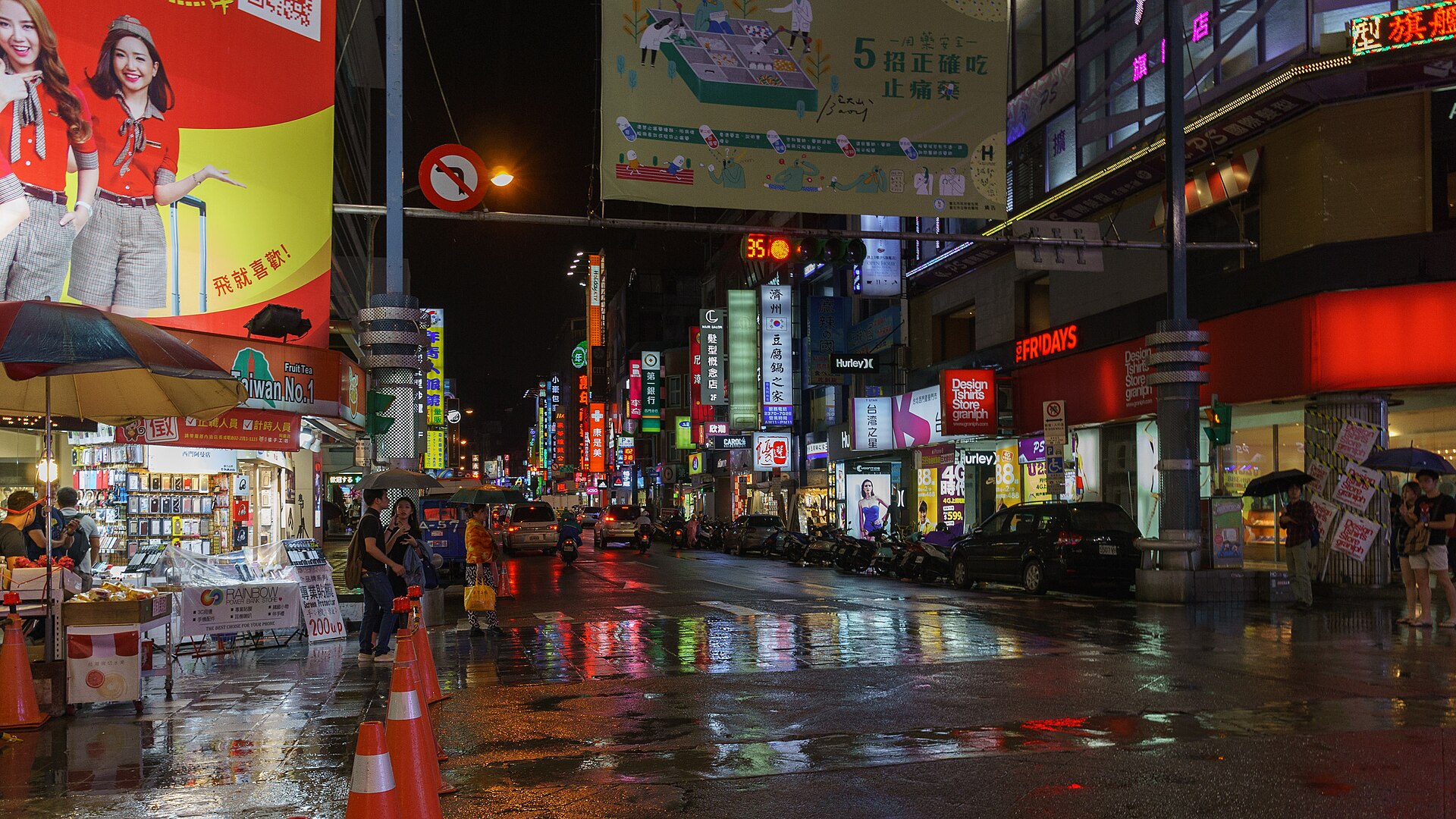
Ximending in the rain: 2017-10-18 Ximending 01 by eugene_o, CC BY 2.0, via Wikimedia Commons.