This article contains advertising. Our booking links are routed through a partner that adds commission tracking automatically, so if you book through one we earn a commission from the provider, at no extra cost to you. It never affects what we recommend. Affiliate disclosure
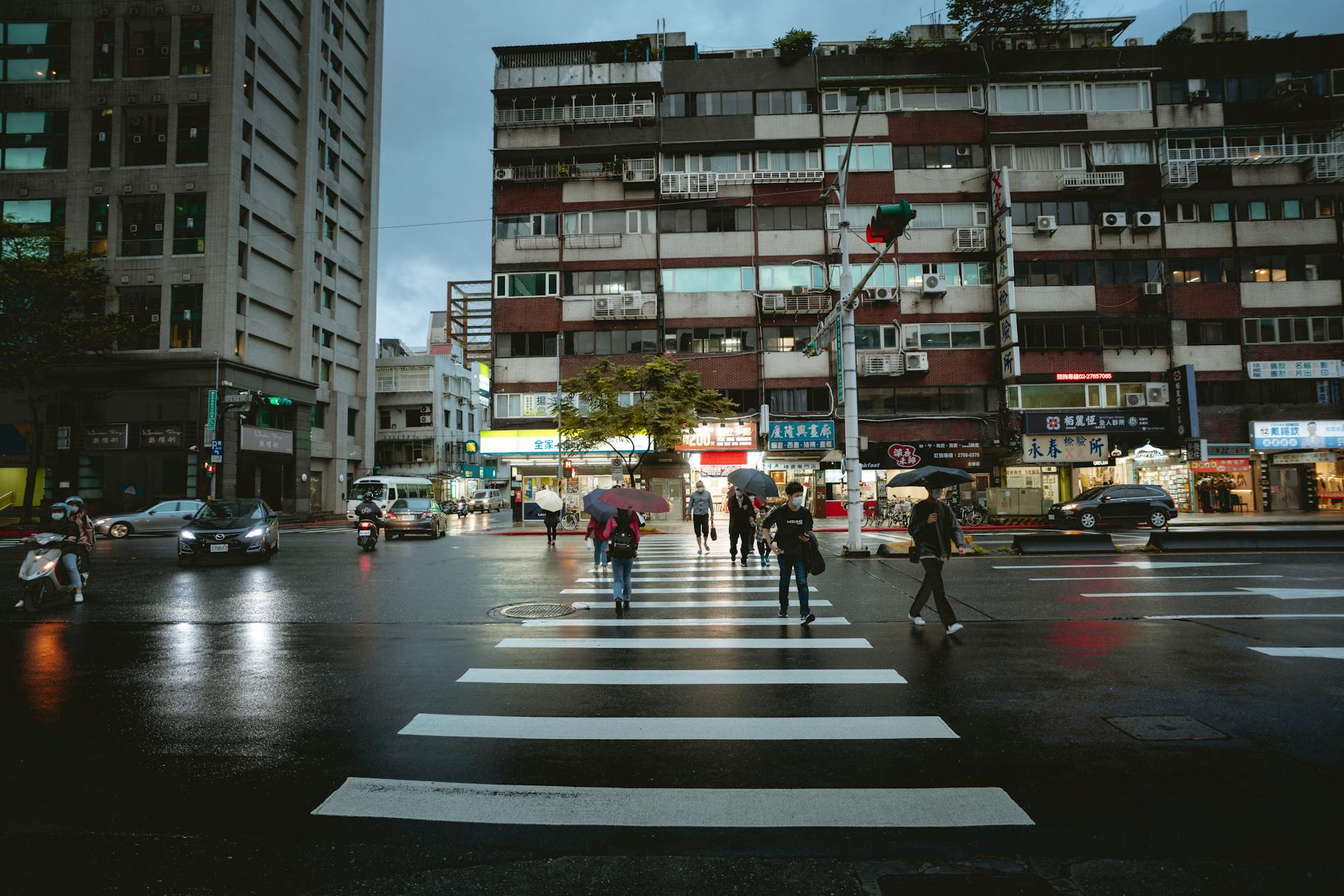
If you’re planning a Taipei trip in December, January, or February, you’ll get one of the cheaper, less-crowded windows for visiting the city — but you’ll also need to pack for weather that surprises many first-time visitors. Taipei isn’t tropical in winter. Temperatures regularly drop to 10–15°C (50–59°F), the rain is persistent, the wind off the river can be biting, and the famous humidity makes the cold feel sharper than the thermometer suggests. Local Taiwanese routinely wear winter coats, hats, and gloves in January and February, and visitors who come unprepared with light tropical clothes have a miserable time.
For travelers, Taipei in winter rewards visitors willing to plan around the weather. Hot springs come into their own. Indoor attractions (museums, malls, night markets) feel particularly welcoming. Hotel prices are generally lower than at the autumn peak. Cherry blossom season begins in February in nearby mountain areas. And clear sunny winter days — when they happen — are some of the best photography days of the year.
This guide covers Taipei in winter for 2026: month-by-month weather, what to wear, the best winter activities, hot spring options, and how to plan a trip that works around the cool damp weather.
Taipei in Winter at a Glance
- Months: December, January, February
- Temperatures: average highs about 19–21°C (66–70°F); average lows about 14–16°C (57–61°F), colder in cold spells
- “Feels like” temperature: Often cooler than thermometer due to humidity and wind
- Rain: Frequent; about 97mm in December, 94mm in January and 102mm in February
- Snow: Extremely rare in Taipei city; occasional on Yangmingshan summit
- Highlights: Hot springs (Beitou), beginning of cherry blossoms (late February), Lunar New Year
- Drawbacks: Cold, damp, gray-sky days
- Cost: Off-peak hotel pricing (below October-November levels)
- Crowd level: Lower than autumn; spikes around Lunar New Year (January or February)
Is Taipei Cold in Winter?
The short answer: yes, by Taipei standards. The longer answer: it depends what you’re used to.
Taipei’s winters are mild: average lows sit around 14–16°C, and the city’s record lows are only just below freezing. By Beijing, Tokyo, or Seoul standards, this is mild. By Bangkok, Singapore, or Manila standards, this is genuinely cold. For most Western travelers from temperate climates, Taipei in winter feels chilly and damp rather than truly cold.
What makes Taipei winter feel colder than the thermometer:
- High humidity (monthly averages around 76–78%). Cold humid air feels colder than cold dry air.
- Frequent rain. Wet clothes lose insulation fast.
- Wind off the Tamsui River and from Yangmingshan. Wind chill makes it feel colder than the thermometer says.
- Most Taipei buildings have minimal heating. Cafés, restaurants, hostels — often cool indoors. You stay in your jacket all day.
- The diurnal temperature range is small. Average highs and lows sit only five or six degrees apart. No real warm period to enjoy.
The cold isn’t dangerous — it’s just persistent. Pack accordingly.
Taipei Winter Weather: Month by Month
December in Taipei
Early winter onset. Average high 21°C (70°F), average low 16°C (61°F). The mildest of the three winter months. Often pleasant — sweater weather rather than coat weather. About 75mm of rain.
Highlights: Christmas season decorations in malls and on streets. Year-end markets. Lunar New Year preparation. Generally the most comfortable winter month.
Drawbacks: First cold rain spells. Sunny days are still possible.
January in Taipei
The coldest month. Average high 19.4°C (67°F), average low 14.2°C (58°F). Frequent cool damp spells. About 94mm of rain. Wind can be sharp.
Highlights: Lunar New Year (in January or February, depending on the year). Family travel and special events. Off-peak hotel pricing.
Drawbacks: Coldest of the year. Persistent rain. Many small businesses close for some or all of the Lunar New Year holiday.
February in Taipei
Cold and rainy. Average high 20.3°C (69°F), average low 14.4°C (58°F). Late February starts to warm slightly. About 102mm of rain — actually the wettest winter month.
Highlights: Cherry blossom season starts in late February (Yangmingshan, Tianyuan Temple). The Pingxi Sky Lantern Festival follows the lunar calendar, so its dates move each year. Valentine’s Day events.
Drawbacks: Wettest of the winter months. Cherry blossom crowds.
What to Wear in Taipei in Winter
The single rule: layers, with a real coat as the outer layer.
Daily Essentials
- Thermal underwear (essential for cold days): Long underwear top and bottom; Uniqlo Heattech or equivalent works well.
- Long-sleeve shirts (multiple): 4–5 for a week-long trip.
- Mid-weight sweaters or fleeces: 2–3 options.
- Real winter coat: A puffer jacket, wool coat, or down coat. Not a windbreaker.
- Long pants: Jeans, trousers, or thicker chinos. Avoid shorts entirely.
- Closed-toe shoes (waterproof if possible): Sneakers or boots with grip.
- Scarf: Useful for cold days.
- Hat / beanie: Often worn by locals in January and February.
- Gloves: Optional but appreciated on the coldest days.
- Waterproof jacket / packable rain layer: Essential.
- Compact umbrella: Always.
What NOT to Wear
- Shorts (you’ll be miserable)
- Tropical sandals or open shoes (cold feet, wet feet)
- Lightweight summer t-shirts as the only top layer
- Light windbreakers expecting them to be enough
What Locals Wear
Walking through Taipei in January, you’ll see:
- Heavy down jackets or wool coats
- Scarves and beanies
- Some people in gloves on cold days
- Long pants universally
- Closed-toe shoes
- Multi-layer outfits visible at café gatherings
If you arrive without warm enough clothing, Uniqlo and several department stores sell affordable winter wear (NT$500–1,500 for a usable jacket).
Best Things to Do in Taipei in Winter
Winter is the season to lean into indoor activities and hot springs.
Hot Springs (The Winter Headline)
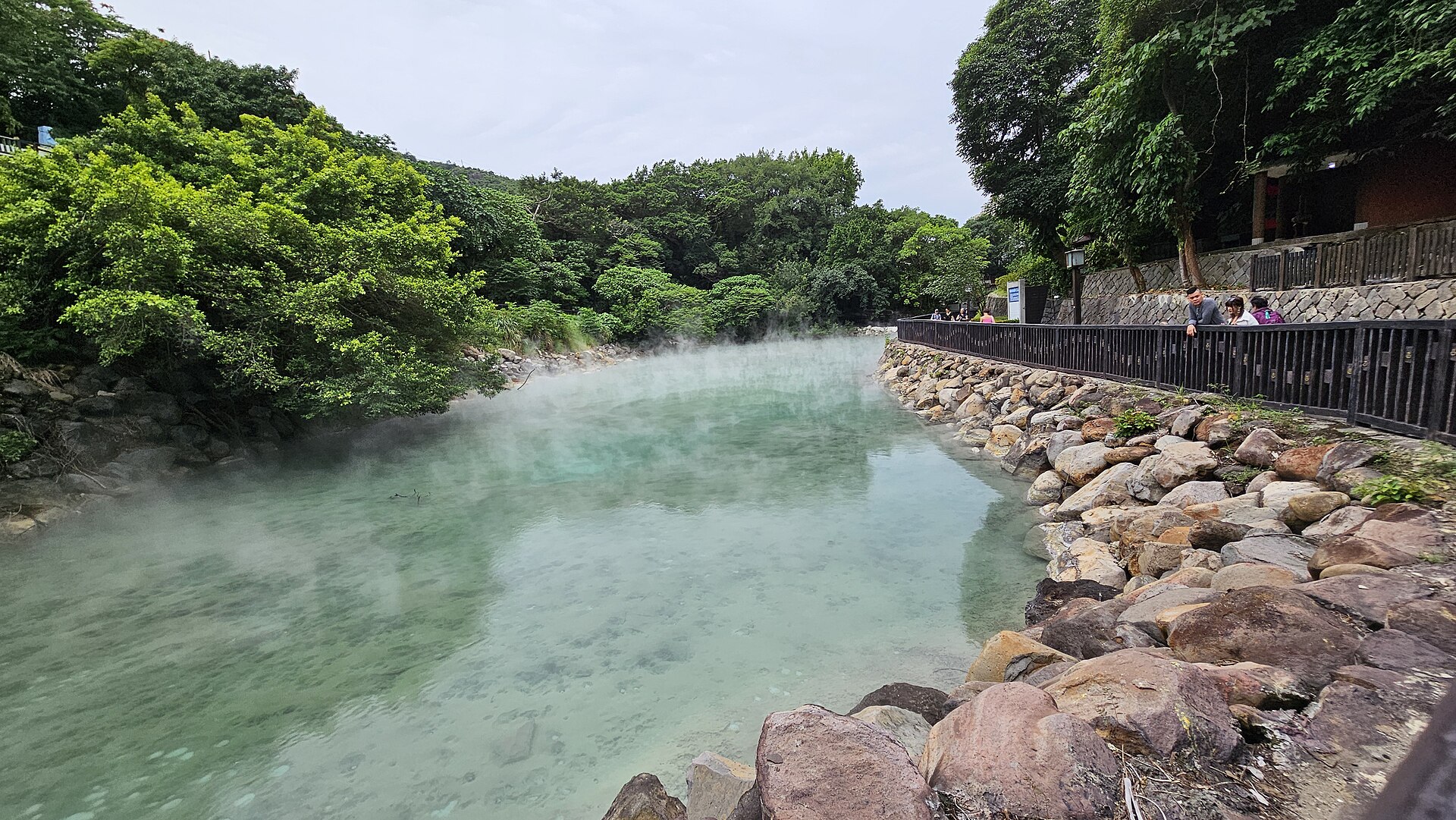
Beitou hot springs come into their own in winter. The contrast between cool air and hot mineral water makes the experience cathartic. Boutique hot spring hotels (NT$300–800 day-spa) work brilliantly. The Millennium Hot Spring public bath is closed for reconstruction, so check the Taipei Parks and Street Lights Office for its reopening before counting on it. Plan at least one Beitou afternoon during your winter trip.
Museums (Indoor and Wonderful)
The National Palace Museum and Taipei Fine Arts Museum become the ideal winter activity. Climate-controlled, hours of content, and the perfect refuge from gray-sky weather.
Indoor Markets and Department Store Food Halls
The B2 food court at Shin Kong Mitsukoshi A11, Taipei 101 mall, and Eslite Spectrum Songyan all work as long indoor browsing afternoons.
Night Markets (Bundle Up)
Shilin, Raohe, and Ningxia stay open in winter. Bundle up; the food becomes particularly comforting in the cold air. Hot broth dishes (beef noodle soup, oyster vermicelli, pork rib soup) are at their best on cold nights.
Cafés (Slow Mornings)
Taipei’s café culture is particularly inviting in winter. Da’an’s specialty coffee shops, the Eslite Spectrum café, and Maokong tea houses all become slow-morning refuges.
Eslite Spectrum Songyan (Late-Night Bookstore)
The third-floor bookstore took over 24-hour opening in January 2024, so check eslite.com for current hours; it makes a good rainy-day winter stop. Books, design, food, and the Songshan Cultural Park grounds.
Cherry Blossoms (Late February)
The cherry blossom season starts in late February in Yangmingshan and at Tianyuan Temple in Tamsui. Bundle up for the mountain weather.
Lunar New Year (If Your Trip Aligns)
Lunar New Year falls in January or February. It is a bigger family event than Mid-Autumn, and many small businesses close for some or all of the holiday, so check before you go. Temple visits during the holiday are atmospheric.
Yangmingshan Flower Festival (Late Winter)
Despite the cool weather, Yangmingshan blooms with cherry blossoms, plum blossoms, and azaleas in late winter, and the festival’s dates change from year to year. Bundle up for the mountain weather.
Maokong Gondola
The tea-village gondola is uncrowded in winter. Mountain tea houses with hot tea pots are particularly cozy. Wear warm clothes for the gondola (it gets cool at altitude).
Lunar New Year in Taipei
The great celebration of the Taipei winter is Lunar New Year (春節), which falls in January or February. In 2027, Lunar New Year’s Day is Saturday, February 6, 2027, and the official holiday runs from Thursday, February 4 to Wednesday, February 10.
What to Expect
- Many small restaurants, shops, and traditional businesses close for some or all of the holiday, and each sets its own schedule, so check before you go.
- Major tourist attractions stay open with adjusted hours.
- Department stores and chain restaurants stay open with special offers.
- Public transit (MRT, TRA, HSR) runs with extended hours and busier crowds.
- Hotel rates are higher during this week.
- Atmospheric — temple visits, family gatherings, special foods.
For Travelers Visiting During Lunar New Year
- Book hotels far in advance.
- Plan around the closures — check restaurant Instagrams for holiday hours.
- Try special Lunar New Year foods at hotels and chain restaurants.
- Visit Longshan Temple or other major temples during the first few days — atmospheric.
- Watch the firework displays — major ones in Taipei City around midnight on New Year’s Eve.
Sample Winter Itinerary
3-Day Winter Itinerary
- Day 1: Arrival + Da’an cafés + Longshan Temple evening visit.
- Day 2: National Palace Museum morning + Taipei 101 mall + Raohe Night Market.
- Day 3: Beitou hot springs full afternoon + Tamsui sunset.
5-Day Winter Itinerary
- Day 1: Arrival + Da’an exploration.
- Day 2: Modern Taipei (Taipei 101, Elephant Mountain bundled up).
- Day 3: Old Taipei (Longshan, Bopiliao, Ximending, NPM).
- Day 4: Yangmingshan + Beitou hot springs.
- Day 5: Jiufen + Shifen day trip (bundle up for mountain cold).
Late-February (Cherry Blossom) Variation
- Add a Yangmingshan or Tianyuan Temple cherry blossom day.
- If trip aligns with the Pingxi Sky Lantern Festival, build that into the schedule.
Hot Springs in Detail
Hot springs deserve their own section because they’re the defining winter Taipei experience.
Beitou (北投) — The Main Hot Spring Area
North of central Taipei: take the MRT Red Line to Beitou and change to the Xinbeitou branch. The historic hot spring district, with multiple options:
- Beitou Hot Spring Museum (free): Restored 1913 public bathhouse, now a museum.
- Hell Valley (free): The geothermal pool, surrounded by walking paths.
- Boutique hot spring hotels (NT$300–800 for day-spa): Private or semi-private hot springs with full amenities.
Wulai (烏來) — Mountain Hot Springs
South of Taipei, in the mountains of New Taipei. Smaller, less crowded, more mountain village atmosphere. Several hotels offer day-spa access.
Yangmingshan Hot Springs
The Yangmingshan National Park area has several hot spring options, often combined with hiking. Worth a half-day if you’re already in the park area.
What to Eat in Taipei Winter
Winter is when Taipei’s comfort foods shine:
- Beef noodle soup (牛肉麵): Hot, rich, perfect for cold days.
- Hot pot: Family-style or solo, hot pot becomes a near-religious experience in winter.
- Oyster vermicelli (蚵仔麵線): The starchy hot broth warms you immediately.
- Pork rib soup (排骨湯): Especially the herb-infused version.
- Mala stewed dishes: Spicy Sichuan-influenced foods come into their own.
- Sticky rice dumplings (湯圓): Sweet rice balls in warm soup. A winter classic.
- Hot tea and hot bubble tea: Standard cafés serve hot versions of everything.
Tips for a Winter Taipei Trip
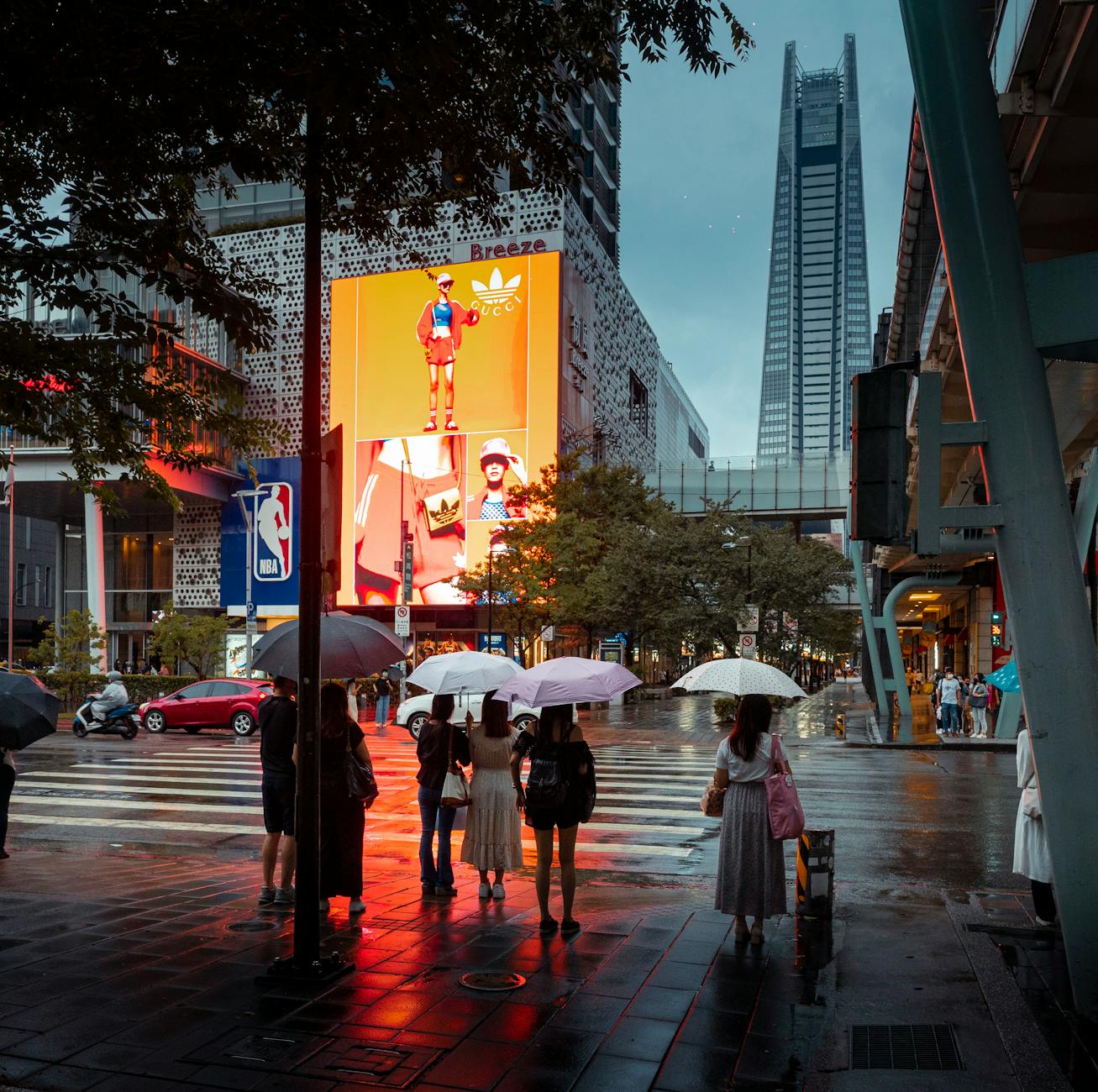
Bring real winter clothing. Multi-layer, waterproof outer shell, scarf, hat. Don’t underestimate the wet cold.
Plan indoor activities for cloudy/rainy days. Museum, mall, hot springs, café days work when it’s pouring.
Save outdoor day trips for sunny days. If the forecast shows a sunny window, prioritize Yangmingshan, Jiufen, or Tamsui then.
Book hotels with heating. Some smaller boutique hotels and hostels have minimal heating. Confirm before booking.
Carry a waterproof bag for electronics. Rain happens fast.
Eat hot food whenever possible. Hot broth, hot pot, hot tea — all warm you up.
Layer for indoor / outdoor swings. Heated indoor places are rare in Taipei; you’ll stay in your jacket inside cafés and restaurants.
Use the MRT. Climate-controlled and saves time outdoors.
Hot springs in afternoon, not evening. Wet hair walking back to the hotel in cold wind is unpleasant. Afternoon hot springs let you dry before sunset.
Lunar New Year planning. If your trip aligns with Lunar New Year, book hotels far ahead and research what’s open.
Common Winter Mistakes
Packing only summer clothes. The most common visitor mistake. You’ll need to buy winter clothes locally.
Going out without an umbrella. Rain happens daily.
Wearing thin canvas sneakers. Wet feet for the entire day are miserable.
Skipping hot springs. The winter highlight; don’t miss it.
Trying to do Yangmingshan in heavy rain. Trails get slick; mountain visibility drops to nothing.
Booking hotels without heating. Check before booking — some small boutique places are surprisingly cold.
Comparing to your home winter. Taipei winter is its own thing — damp cold, not deep cold.
Winter vs. Other Seasons in Taipei
Winter vs. Autumn: Autumn is dramatically more pleasant for weather. Winter wins on affordability, hot springs, and cherry blossoms (late winter).
Winter vs. Spring: Spring is warmer with the same flower-season appeal. Winter is colder but cheaper.
Winter vs. Summer: Completely different experiences. Summer is hot and stormy; winter is cool and damp. Winter is much more comfortable for outdoor sightseeing if you pack right.
Winter is the cheapest of Taipei’s four seasons to visit. The trade-off is real (cold, damp, gray skies) but the savings are significant.
Related Taipei guides
- Taipei Weather & Best Time to Visit: Month-by-Month Guide
- Taipei in Spring: Weather, What to Wear & Events
- Taipei in Summer: Heat, Typhoons & Survival Tips
- Taipei in Autumn: The Best Weather of the Year
- Taipei Typhoon Season: What Travelers Need to Know
- Taipei in July: Hottest Month Survival Guide
- Taipei in February: Cherry Blossoms & Cool Weather
- Taipei in June: Dragon Boat Festival & Plum Rain Peak
Frequently Asked Questions
Is Taipei cold in winter?
Yes by Taipei standards — temperatures regularly drop to 10–15°C (50–59°F) with high humidity making it feel colder. By Beijing or Tokyo standards, it’s mild. By tropical standards, it’s genuinely cold.
What is the weather like in Taipei in December?
Average high 21°C (70°F), average low 16°C (61°F). The mildest winter month. Often sweater weather with occasional cool rainy spells. About 97mm of rain.
What should I wear in Taipei in winter?
Layers — thermal base layer, long-sleeve shirts, mid-weight sweater or fleece, real winter coat, long pants, waterproof shoes. Scarf, hat, and gloves for the coldest days. Always pack a compact umbrella.
Does it snow in Taipei?
Extremely rare. The city proper hasn’t seen snow in decades. Occasional dusting on Yangmingshan summit (above 1,000m) during cold spells.
Is winter a good time to visit Taipei?
It can be — for hot springs, low hotel prices, fewer tourists, and beginning of cherry blossom season. The trade-off is cool damp weather. Best for travelers who plan around indoor activities and hot springs.
What festivals happen in Taipei in winter?
Lunar New Year (January or February; in 2027 it falls on February 6), the Pingxi Sky Lantern Festival (timed to the lunar Lantern Festival season, with dates posted on New Taipei City’s tourism site), the Yangmingshan Flower Festival (late winter; the Taipei Travel event calendar lists each year’s dates), and Christmas-season events.
How can I stay warm in Taipei in winter?
Layers, waterproof outerwear, hot springs visits, hot drinks at cafés, hot meals (beef noodle soup, hot pot, oyster vermicelli), and use of climate-controlled transit (MRT).
Are Taipei hotels heated?
Most major and mid-range hotels are. Some boutique hotels and hostels have minimal heating — confirm before booking. Heated rooms are NT$100–200 more per night at some smaller properties.
Can I see cherry blossoms in Taipei winter?
Yes — the cherry blossom season begins in late January and peaks in February-early March. Tianyuan Temple in Tamsui (late February-early March is peak) and various Yangmingshan spots are the best Taipei-area viewing.
Final Take
Taipei in winter is the affordable, less-crowded, hot-spring-friendly window for visiting — but you need to pack for the wet cold. Bring real winter layers, a waterproof coat, an umbrella, and embrace the indoor culture. Visit Beitou hot springs at least once, eat hot soup at the night markets, and watch for the late-February cherry blossoms. With the right preparation, winter is a quietly excellent time to be in Taipei.
Photo Credits
Beitou Thermal Valley: Thermal Valley by Ganmatthew, CC BY 4.0, via Wikimedia Commons.