This article contains advertising. Our booking links are routed through a partner that adds commission tracking automatically, so if you book through one we earn a commission from the provider, at no extra cost to you. It never affects what we recommend. Affiliate disclosure
Taipei in summer is the season most travel guides quietly suggest you avoid — and the season most experienced repeat visitors love anyway. Yes, the heat is real (mid-30s°C with humidity that pushes the “feels like” past 40°C). Yes, the typhoon season runs from late June through early autumn, and the occasional major storm can shut the city down for two days. Yes, afternoon thunderstorms are nearly daily in July and August. Yet despite all of it, summer in Taipei is also when the city’s mango shaved ice is at peak, when beach trips out to Fulong and the northeast coast actually make sense, when the Dragon Boat Festival fills the rivers with paddling teams, and when the night markets feel like the city is alive in a way no other season delivers.
For travelers, the question isn’t whether to visit — it’s whether you know how to plan around the heat and typhoon risk. Done well, a summer trip rewards with cheaper hotels (off-peak pricing), longer evenings, more festivals, and a Taiwan that feels distinctly itself. Done poorly, you’ll be miserable in the midday sun on day three and praying for the rain to stop.
This guide covers Taipei in summer in 2026 — month-by-month weather, typhoon season realities, what to wear and pack, the best heat-friendly itinerary, what to do when a storm hits, and the festivals and seasonal experiences that make summer worthwhile despite the discomfort.
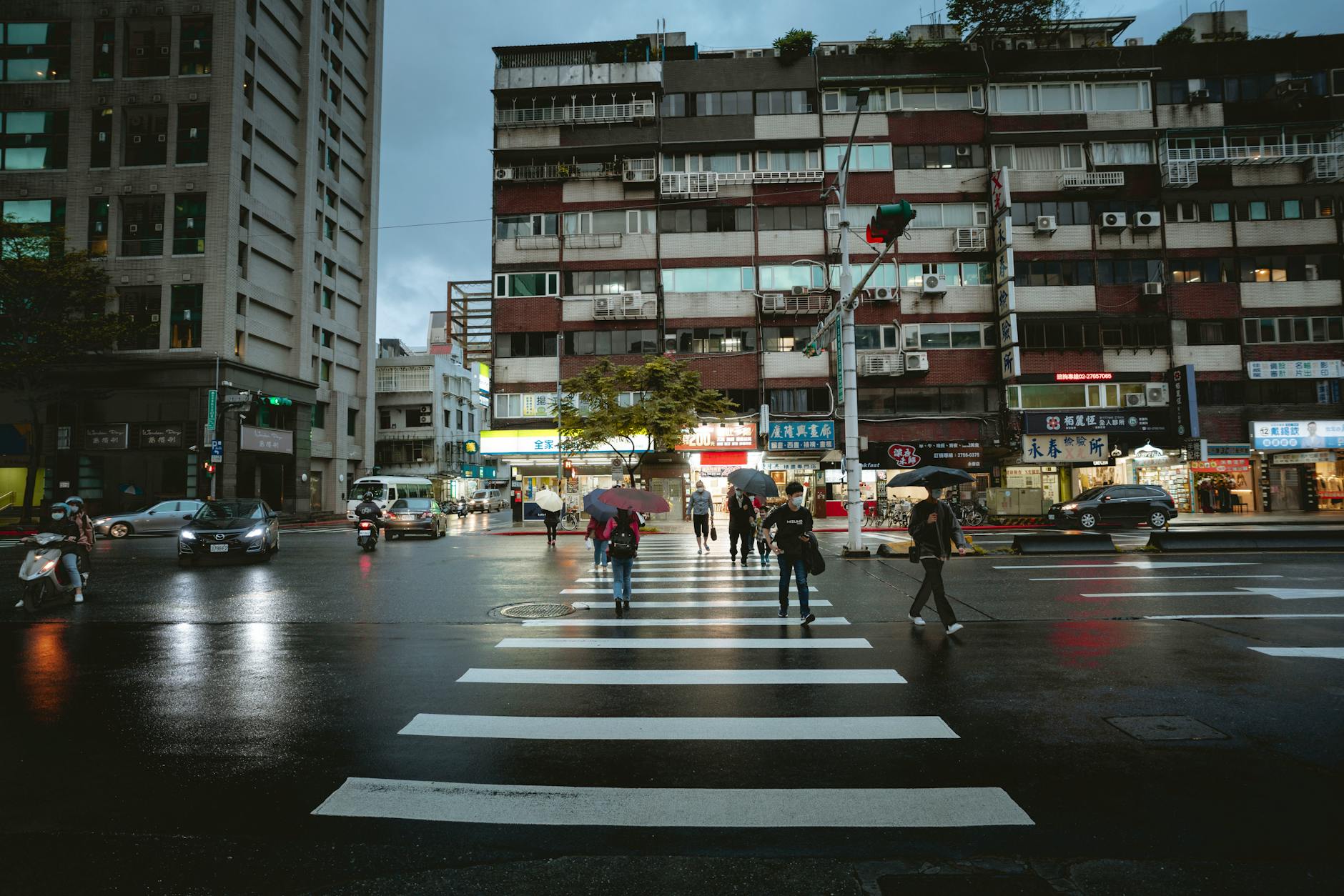
Taipei in Summer at a Glance
- Months: June through September (technically; June is mid-summer onset, September is post-peak)
- Temperatures: 28–35°C (82–95°F) daytime; 25–28°C overnight
- “Feels like” temperature: Often 38–42°C with humidity
- Rain: Frequent — 200–300mm/month, mostly afternoon thunderstorms
- Typhoon season: Late June through October; peak is August/September
- Highlights: Mango shaved ice, beach trips, Dragon Boat Festival (June), longer daylight hours
- Drawbacks: Heat exhaustion risk, typhoon disruption, daily storms, high humidity
- Cost: Off-peak hotel pricing — usually 15–25% lower than autumn rates
- Crowd level: Lower than autumn or Lunar New Year; Taiwanese school holiday in July boosts domestic crowds
Why People Still Visit Taipei in Summer
Several real reasons make summer worthwhile despite the discomfort:
The food is at peak. Mango shaved ice, the most iconic Taiwanese summer dessert, is in season May–September. Local fruits — papaya, lychee, dragon fruit, longan, custard apple, watermelon — are abundant and cheap. Cold noodle dishes (liang mian) and other summer-only items appear on menus.
Beach trips actually make sense. Fulong Beach (about 90 minutes northeast by train), the northeast coast around Bitou, and slightly further-flung beaches like Baisha (Penghu) become viable destinations rather than off-season disappointments.
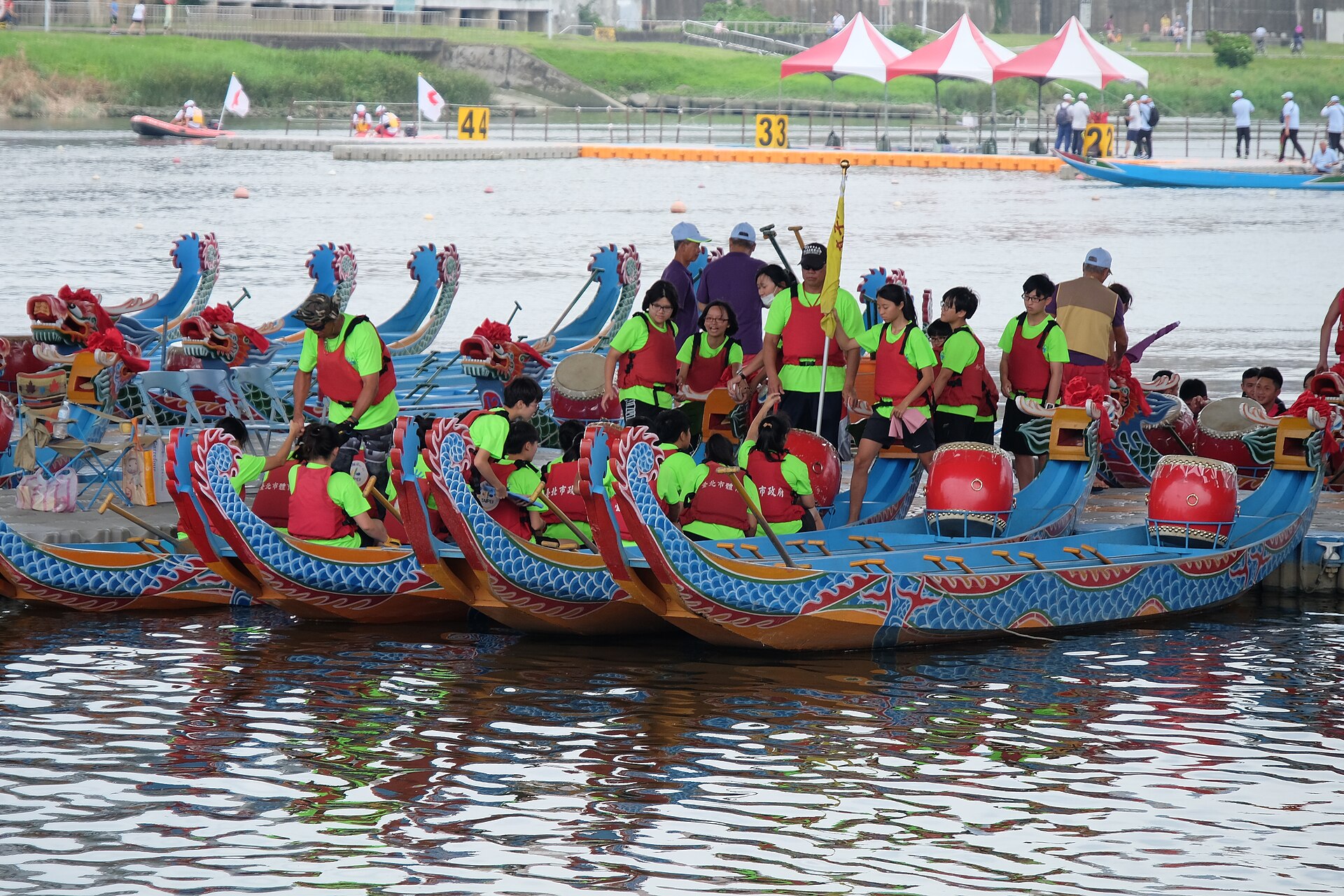
The Dragon Boat Festival. The Dajia Riverside Park in Taipei holds Taiwan’s most famous dragon boat races on the 5th day of the 5th lunar month. In 2026, this falls on June 19. Free, public, and a real local cultural moment.
Longer days. Sunset in late June is around 6:50 PM. Pre-dinner outdoor activities are possible until 7:30 PM.
Cheaper accommodation. Hotels run summer pricing 15–25% below autumn rates. Boutique stays and Airbnbs that book months ahead in October are widely available in July.
Fewer Western tourists. The city is dominated by Asian travelers (especially Hong Kong and mainland China visitors) in summer — a change of pace from the largely Western/European crowd of October–November.
Taipei Summer Weather: Month by Month
June in Taipei
Early summer onset. Average high 32°C (90°F), average low 24°C (75°F). The dry air of spring shifts to humid air. Daily afternoon thunderstorms begin. About 285mm of rainfall in the month.
Highlights: Dragon Boat Festival (mid-June). Lychee and mango season starts. Beach season opens.
Drawbacks: “Plum rain” (梅雨) season can bring multi-day periods of rain. First typhoon of the year may arrive late in the month.
July in Taipei
Peak heat. Average high 33°C (91°F), average low 26°C (79°F). Often hits 35°C+ during the day. Humidity routinely 80%+. Afternoon thunderstorms nearly daily — usually 3–5 PM. About 240mm of rain.
Highlights: Mango shaved ice at peak. Late-evening night markets are the only comfortable outdoor activity. Long days.
Drawbacks: Heat exhaustion is real. Outdoor sightseeing 11 AM–4 PM is brutal. Typhoon risk elevates.
August in Taipei
The hottest, most humid month. Average high 33°C (91°F), average low 26°C (79°F). Highs of 36–38°C are normal. Typhoon season at peak. About 305mm of rain.
Highlights: Beach trips at peak. Indoor museum visits at peak. Night markets are dense.
Drawbacks: Highest typhoon disruption risk. Heat exhaustion serious. Outdoor sightseeing requires creative scheduling.
September (Late Summer / Early Autumn)
Heat starts to ease but humidity persists. Average high 31°C (88°F), average low 25°C (77°F). Typhoon risk continues into mid-September. About 230mm of rain.
Highlights: Slightly cooler than July/August. Mid-Autumn Festival often falls in late September or early October — moon cakes, family gatherings.
Drawbacks: Last typhoon risk. Still hot.
Typhoon Season: What to Know
Typhoon season is the single biggest planning factor for summer in Taipei.
Risk Window
The official typhoon season runs from late June through October, with the highest concentration in August and September. Taipei averages about 3–6 typhoons per year, though most are minor. A serious typhoon directly hitting northern Taiwan is rare — usually 1–2 per year.
What a Typhoon Looks Like
When a typhoon approaches, Taiwan’s Central Weather Bureau issues warnings 48–72 hours in advance. Local government may declare a “typhoon day” — schools close, public transit reduces, government workers stay home, many businesses close. The MRT runs reduced service or stops entirely. Domestic flights may be cancelled. Tour groups suspended.
The typhoon itself is usually 24–36 hours of heavy rain and strong winds. Taipei’s geography (basin between mountains) typically protects it from the worst, but flash flooding in low-lying districts and landslides on mountain roads can happen.
How to Plan Around Typhoons
- Check the forecast before booking flights. If a typhoon is tracking toward Taiwan in your travel window, expect possible disruption.
- Buy travel insurance with weather coverage. Most policies cover trip cancellation due to typhoons.
- Build a buffer day into your itinerary. Especially in August/September.
- Stock up on water and snacks if a typhoon is imminent. Most stores remain open but lines get long.
- Stay indoors during the typhoon itself. Hotels are designed for typhoons; just stay put.
- Don’t try to be a “typhoon tourist.” Outdoor sightseeing during a typhoon is dangerous. Reschedule to the day after.
What Closes During a Typhoon
- Outdoor attractions (Yangmingshan, Maokong Gondola, hiking trails, beaches)
- Most museums and indoor attractions remain open
- Restaurants and night markets vary — most close
- The MRT may run reduced service
- Domestic flights and ferries

What to Wear in Taipei in Summer
The single rule: light, breathable, and quick-drying. Cotton works but takes long to dry; technical fabrics work better.
Daily Essentials
- T-shirts (multiple, breathable): You’ll want to change once a day; bring 5–6 for a 5-day trip.
- Shorts (technical, light): Quick-drying nylon or cotton blends.
- Light dress / sundress: Versatile and breathable for women.
- Sandals + walking sneakers: Sandals for casual; sneakers for actual walking and rain.
- Wide-brim hat or cap: Essential. The sun is direct.
- Sunglasses: Essential.
- Sunscreen: SPF 50+; reapply every 2 hours.
- Compact umbrella OR rain jacket: Both work; rain jacket better for active rain.
- Cooling towel: Wet, drape on neck. A summer-trip game-changer.
- Refillable water bottle: Free water fountains throughout MRT stations.
Evening / Night-Out
- Light long-sleeve cardigan or shirt for AC-cold restaurants and the MRT
- Slightly dressier shoes for restaurants and bars
- Compact umbrella always
Footwear note: Taipei in summer rains daily. Avoid suede, leather flats, or open shoes that can’t dry overnight. Closed-toe sneakers with grip handle wet streets best.
How to Plan a Day in Taipei Summer Heat
The single most important shift: avoid outdoor sightseeing 11 AM–4 PM. Plan outdoor activities for early morning (7–11 AM) and evening (4 PM onward), with indoor activities filling the brutal midday heat.
Sample Heat-Smart Day
- 7:30 AM: Breakfast at a traditional shop (early to beat the heat).
- 8:30 AM: Outdoor sightseeing (Chiang Kai-shek Memorial, walks, Dihua Street).
- 11:00 AM: Move to indoor or shaded — National Palace Museum, Taipei 101 mall.
- 12:30 PM: Lunch at a sit-down air-conditioned restaurant.
- 2:00 PM: More indoor — Pop Mart, themed café, hotel pool, hot spring spa.
- 4:00 PM: Mango shaved ice break.
- 4:30 PM: Optional outdoor — Da’an Forest Park, Tamsui sunset.
- 6:30 PM: Evening sightseeing — Elephant Mountain hike at sunset (cooler than midday).
- 8:00 PM: Night market dinner.
Best Indoor Activities for Hot Days
- National Palace Museum: Air-conditioned, large, three-hour minimum visit.
- Taipei 101 Mall and Observatory: Air-conditioned mall + climate-controlled deck.
- National Taiwan Museum: Smaller, free Sunday admission.
- Eslite Bookstore (multiple locations): Massive air-conditioned bookstores with cafés.
- Hot spring day spa in Beitou: Counter-intuitive but the cool indoor lobby is comfortable.
- Indoor amusement at Taipei Children’s Amusement Park: Indoor playground, AC food court.
- Themed cafés: Cat cafés, Pokémon cafés, design cafés in Da’an.
- Pop Mart and the Xinyi malls: Indoor shopping = AC + entertainment.
- Movie theaters in Ximending: English subtitles, NT$300 tickets.
Heat Health: How to Avoid Heat Exhaustion
Taipei’s heat is humid heat — your body sweats but the air doesn’t evaporate it well, so cooling is limited. Heat exhaustion is a real risk for visitors not used to humidity.
Signs of heat exhaustion: Headache, dizziness, nausea, profuse sweating, weakness, rapid pulse. Stop immediately, get to AC, drink water, rest 30+ minutes.
Prevention:
- Drink 3+ liters of water per day (more than you think).
- Add electrolyte drinks (Pocari Sweat, ION Supply) once or twice a day.
- Eat salt — don’t skip salty foods; you’re losing electrolytes.
- Take 30-minute AC breaks every 2 hours of outdoor activity.
- Avoid alcohol during the day — it dehydrates.
- Eat lighter meals; heavy food slows you down.
- Sleep 7+ hours; jet-lagged + heat = exhaustion.
Most 7-Eleven and FamilyMart stores sell Pocari Sweat, the standard local electrolyte drink. NT$30 a bottle.
What to Eat in Taipei Summer
Summer is when Taiwan’s seasonal foods peak.
Mango Shaved Ice (芒果冰)
The defining Taiwanese summer food. Mountains of shaved ice topped with fresh chunks of locally grown Aiwen mango, condensed milk, and mango syrup. NT$180–250. Best season: May to September. Famous spots: Smoothie King near Yongkang Street, Ice Monster (multiple locations), and dozens of mango ice specialists across the city.
Cold Noodles (涼麵)
Cold sesame-paste noodles with cucumber, chicken, and scallions. The lunch dish many locals eat in summer. NT$70 per bowl from any traditional breakfast shop.
Lychee, Longan, Dragon Fruit, Watermelon
Taiwan’s tropical and subtropical fruits at their seasonal peak. Sold by the kilo at fruit stalls and supermarkets. Cut-and-eat at home or buy fresh fruit cups (NT$80–120) at Shilin and other night markets.
Bubble Tea
Always good, but summer is when iced versions are most refreshing. Try a brown sugar pearl milk tea served over crushed ice. NT$60–80.
Cold Beer at Night Markets
Taiwan’s local beers (Taiwan Beer, Heineken Taiwan, Long Quan) are cold, cheap (NT$60–80 a bottle), and pair well with night-market grilling.
Summer Festivals and Events
Dragon Boat Festival (端午節)
Held on the 5th day of the 5th lunar month. 2026 date: June 19. Dajia Riverside Park hosts Taiwan’s most famous dragon boat races. Free to watch. Other traditions include eating zongzi (sticky rice dumplings wrapped in bamboo leaves), making scented sachets, and balancing eggs at noon.
Mid-Autumn Festival (中秋節)
Falls in September or early October depending on the lunar calendar. 2026 date: September 25. Locals gather for outdoor BBQ, eat moon cakes, and admire the full moon. Many city parks and rooftops fill with families. Some traffic disruption near major BBQ sites.
Father’s Day (父親節)
August 8 (the date is symbolic — pa-pa = “8-8” in Mandarin). Restaurants do family-celebration menus.
Ghost Month (鬼月)
The 7th lunar month, usually August. Cultural traditions of honoring ancestors and avoiding certain activities (no swimming after dark, no whistling at night, etc.). For travelers, this rarely affects the experience but is interesting cultural context.
Beach Day Trips from Taipei in Summer
Summer is when northern Taiwan’s beaches become viable. Three good options:
Fulong Beach (福隆海水浴場)
The classic. About 90 minutes northeast of Taipei by TRA train. Shallow, sandy, family-friendly. The annual Fulong Sand Sculpture Festival runs through the summer — in 2026 from 29 May to 26 October, included in the NT$220 beach ticket. Bento-box train lunches (Fulong is famous for these) are a must.
Get there: TRA train from Taipei Main Station to Fulong Station. About 90 minutes. Tap your EasyCard — Taiwan Railways fares rose in June 2025.
Bitou Cape and the Northeast Coast
About 60 minutes northeast. Rocky shore, less swimming, more dramatic landscape and viewpoints. Combine with Yehliu Geopark on a longer day.
Baisha Bay (白沙灣)
Closer (45 minutes north of Taipei by bus). Smaller, very popular with day-trippers. Worth a trip on a clear weekend.
Tips for Visiting Taipei in Summer
Book hotels with good AC and a pool. Pool access transforms a hot afternoon. Indoor pools at upper-mid-range hotels are common.
Use the MRT. AC, fast, cheap. Walking 15+ minutes between sights in midday is exhausting; the MRT covers most of it.
Carry tissue. Sweat-wiping is a constant.
Plan rest stops. Coffee shop or hotel break every 2–3 hours of activity.
Buy a light packable rain jacket. When the afternoon storm hits, you have 5 minutes’ warning.
Use convenience-store cooler bags. Buy ice cream from 7-Eleven; ask for a “ice bag” for cooler transport.
Skip Yangmingshan in midday. The trails are baking. Go at sunrise or evening.
Beitou hot springs in summer. Counterintuitive but the lobby and outdoor cool pools work; many hotels keep one cool pool for summer.
Embrace night markets. The most comfortable time to be outside is 7 PM onward.
Common Mistakes
Trying to do midday outdoor sightseeing in July/August. You’ll be miserable by 1 PM.
Underestimating heat exhaustion. First-time visitors who push too hard often crash by day 3.
Not buying travel insurance with weather coverage. A typhoon can blow up a $2,000 trip.
Wearing dark colors. Black absorbs heat. Light colors reflect.
Not carrying a hat or sunglasses. The sun is direct and intense.
Drinking only coffee or beer. Both dehydrate. Add 2+ liters of water/electrolyte drink per day.
Booking outdoor-heavy days during typhoon week. Rebuild itineraries around the typhoon if one is in the forecast.
Summer packing here is an exercise in subtraction: nothing black, nothing tight, no denim, and a change of shirt in the day bag. The counter-intuitive addition is a light long-sleeve layer, because indoor air conditioning is set colder than most visitors expect. Our Taipei packing list covers the full summer kit.
Related Taipei guides
- Taipei Weather & Best Time to Visit: Month-by-Month Guide
- Taipei in Spring: Weather, What to Wear & Events
- Taipei in Autumn: The Best Weather of the Year
- Taipei in Winter: Is It Cold? What to Pack
- Cherry Blossoms in Taipei: Where & When to See Them
- Taipei in January: Weather, Lunar New Year & Crowds
- Taipei in April: Calla Lilies & Warm Spring
- Taipei in August: Typhoon Peak Survival Guide
Frequently Asked Questions
Is summer a bad time to visit Taipei?
It’s not the best season — autumn is cooler and drier — but summer is far from terrible if you plan around the heat and typhoon risk. The food is at peak, prices are lower, and beach trips become viable. Mid-June and September are the most pleasant summer months.
How hot does Taipei get in summer?
Average daytime highs of 32–35°C (90–95°F) in July and August. Humidity routinely 80%+. “Feels like” temperatures often 38–42°C. Overnight lows around 26°C (79°F).
When is typhoon season in Taipei?
Late June through October, with peak risk in August and September. Taiwan averages 3–6 typhoons per year; major direct hits on Taipei are rare but possible.
What should I wear in Taipei in summer?
Light, breathable, quick-drying clothes (cotton or technical fabrics). T-shirts, shorts, sundresses. Wide-brim hat, sunglasses, sunscreen SPF 50+, comfortable walking shoes. Always carry a compact umbrella.
Is Taipei rainy in summer?
Yes. Daily afternoon thunderstorms, usually 3–5 PM, in July and August. Total monthly rainfall 240–305mm. The rain is intense but typically passes within 1–2 hours.
What should I do in Taipei when it’s too hot?
Move to indoor activities — National Palace Museum, Taipei 101 mall, Eslite bookstores, themed cafés, hot spring spas, indoor playgrounds. Plan outdoor activities for early morning (before 11 AM) or evening (after 4 PM).
Is Taipei safe during a typhoon?
Taipei is well-prepared for typhoons. Hotels are designed to weather them. Stay indoors during the typhoon itself. Outdoor activities are dangerous — flash floods, landslides, falling debris. Wait for the storm to pass before resuming sightseeing.
What festivals happen in Taipei in summer?
Dragon Boat Festival (mid-June, with races at Dajia Riverside Park), Father’s Day (August 8), Ghost Month traditions (August), and Mid-Autumn Festival (late September or early October).
Are hotels cheaper in Taipei summer?
Yes. Summer is off-peak season, with hotel rates typically 15–25% below autumn pricing. Taiwanese school holidays in July can boost domestic crowds, so prices ease in late August and September.
Final Take
Taipei in summer is a real test of how you travel — the heat is brutal in midday, the typhoon risk is real in August, and the daily 4 PM thunderstorm is a planning constant. But with mango shaved ice at peak, beach trips actually viable, the Dragon Boat Festival on the rivers, and hotel prices off-peak, it’s one of the most rewarding seasons for travelers willing to plan around the discomfort. Wake up early, hide indoors at midday, eat through the night markets in the evening, and let the city be Taipei in summer.
Photo Credits
Taipei dragon boat championship: Dragon Boat Race Team Rowers aboarding Boat before Race 20170530fb by 玄史生, CC0, via Wikimedia Commons.