This article contains advertising. Our booking links are routed through a partner that adds commission tracking automatically, so if you book through one we earn a commission from the provider, at no extra cost to you. It never affects what we recommend. Affiliate disclosure
Day Trips from Taipei: Best Nearby Escapes (2026)

One of the greatest advantages of choosing Taipei as your base in Taiwan is the sheer number of incredible destinations you can reach in under two hours. From misty mountain villages draped in red lanterns to volcanic national parks, indigenous hot spring towns, and dramatic coastal rock formations, the day trips from Taipei rival any capital city in Asia for variety and accessibility. Northern Taiwan packs an extraordinary amount of natural beauty, cultural heritage, and culinary adventure into a compact area, and the combination of efficient trains, affordable buses, and a world-class metro system means you can experience it all without renting a car.
Whether you have a single free day or an entire week to explore beyond the city limits, this guide covers every worthwhile escape within reach. We walk you through the top ten destinations, explain exactly how to get there and back, share the best times to visit, and offer practical itineraries that combine multiple stops into a single rewarding day. For a broader overview of planning your entire Taiwan trip, start with our Taipei travel guide, and for details on navigating the transit systems mentioned throughout this article, consult our guide to getting around Taipei.
Planning Your Day Trips from Taipei
Before diving into individual destinations, a few general planning tips will help you make the most of every outing. The best day trips from Taipei require some forethought around timing, transport, and packing, but none of them demand complicated logistics. Taiwan is one of the easiest countries in Asia for independent travel, and most of these trips are entirely doable without joining an organized tour.
When to Go: Timing and Seasons
Northern Taiwan has a subtropical climate with distinct wet and dry patterns. The best months for Taipei day tours are October through December, when skies are clearer, humidity drops, and temperatures hover around a comfortable 20-25°C. Spring (March through May) is also excellent, especially for cherry blossoms and calla lilies at Yangmingshan. Summer (June through September) brings intense heat, afternoon thunderstorms, and typhoon risk, though mornings are often clear and beautiful. Winter (January through February) is cool and sometimes rainy, but crowds thin dramatically at popular spots.
Regardless of season, aim to start early. Most destinations get crowded after 11 AM on weekends, and attractions like Jiufen become uncomfortably packed by midday on Saturdays. Departing Taipei by 8 or 9 AM gives you the best experience at nearly every destination covered in this guide.
Transport Options Overview
You have four main ways to reach day trip destinations from Taipei:
Train (TRA): Taiwan Railways Administration trains depart from Taipei Main Station and connect to Ruifang (gateway to Jiufen, Shifen, and Houtong), Keelung, and Hualien. Local trains are cheap (NT$50-80 for most destinations) and run frequently. Buy tickets at the station or use an EasyCard for automatic fare deduction.
Bus: Public buses serve Jiufen (route 965 and 1062), Yehliu (route 1815), Wulai (route 849 from Xindian MRT), and Yangmingshan (multiple routes from Jiantan MRT). Buses accept EasyCard and are very affordable, typically NT$15-90 per ride depending on distance.
MRT: The Taipei metro reaches Tamsui directly on the Red Line and Beitou via the Xinbeitou branch line. No additional transport needed for either destination. For details on the MRT system, see our getting around Taipei guide.

Organized tours: If you prefer a guided experience or want to combine multiple stops without navigating transit, half-day and full-day tours are widely available. They typically cost NT$1,200-2,500 per person and include transport, a guide, and sometimes lunch. These are most useful for destinations that are harder to combine independently, such as a Jiufen plus Shifen loop or a Yehliu plus Keelung combo.
What to Pack for a Day Trip
A small daypack with the following items will cover you for any destination in this guide: a reusable water bottle, a light rain jacket or compact umbrella (rain can appear suddenly in the mountains), comfortable walking shoes with good grip (many destinations involve stairs or uneven terrain), sunscreen, your EasyCard loaded with at least NT$200, a portable phone charger, and some cash in small bills for street food vendors who do not accept cards. If you are visiting hot springs at Wulai or Beitou, bring a swimsuit and a small towel.
Jiufen Old Street: A Hilltop Village Frozen in Time
No list of day trips from Taipei is complete without Jiufen. This atmospheric hilltop village, perched on the mountainside above the coast, was once a prosperous gold mining town during the Japanese colonial era. After the mines closed, Jiufen faded into quiet obscurity until the 1989 Taiwanese film A City of Sadness brought it back into the spotlight. International fame arrived when visitors noticed the village’s uncanny resemblance to the spirit world in Studio Ghibli’s Spirited Away, though director Hayao Miyazaki has never confirmed the connection. Regardless of its cinematic credentials, a Jiufen day trip delivers one of the most visually striking experiences in all of Taiwan.
What to See and Do in Jiufen
The heart of the village is Jiufen Old Street (Jishan Street), a narrow, covered alley lined with vendors selling local snacks, souvenirs, and handmade crafts. The street is barely wide enough for two people to walk side by side, which contributes to both its charm and its congestion. Key stops along the way include stalls serving Jiufen’s signature taro balls (yu yuan) in warm sweet soup, herbal jelly desserts, grilled sausages, and peanut ice cream rolls wrapped in fresh crepe.
The most photographed spot in Jiufen is the steep stairway of Shuqi Road, where red lanterns hang between traditional tea houses and the narrow stone steps descend toward the ocean. This is the scene that evokes the Spirited Away comparison, and it is especially magical at dusk when the lanterns glow against the fading sky. Plan to be here around 4:30 to 5:30 PM for the best light and atmosphere.
Beyond the main street, the Shengping Theater is a restored Japanese-era cinema worth a quick look. The Jiufen Gold Mining Museum offers context on the town’s industrial past. For panoramic views, walk to the viewing platform at the end of Jishan Street, where you can see the coastline stretching toward Keelung on clear days. Tea enthusiasts should budget at least an hour for a sit-down experience at one of the traditional tea houses, where you can sip oolong tea while gazing out over the mountain ridges and the Pacific Ocean below.
Getting to Jiufen from Taipei
The most popular route is bus 965, which departs from Taipei City Hall Bus Station (near MRT Taipei City Hall Station on the Blue Line). The ride takes approximately 90 minutes depending on traffic and drops you at the Jiufen Old Street bus stop. Alternatively, bus 1062 departs from near Zhongxiao Fuxing MRT. Both buses accept EasyCard.
A second option is to take a TRA train from Taipei Main Station to Ruifang Station (about 50 minutes on a local train, NT$76), then transfer to bus 788 or a shared taxi for the 15-minute ride up the mountain to Jiufen. This route is faster overall and lets you combine Jiufen with other stops on the railway line, such as Houtong Cat Village or Shifen.
Jiufen Tips and Timing
Weekends at Jiufen are notoriously crowded, especially between 11 AM and 3 PM when tour buses arrive in waves. If possible, visit on a weekday. The village is at its most atmospheric in the late afternoon and early evening when the lanterns are lit and the day-tripping crowds begin to thin. Plan to arrive by 3 PM and stay until after dark for the full experience. The last bus back to Taipei departs around 9 PM, so check schedules before you settle in.
Weather in Jiufen is noticeably cooler and wetter than Taipei, thanks to its mountain elevation. Bring a jacket and expect fog or drizzle, which honestly adds to the moody, cinematic atmosphere. Budget about 3-4 hours for a thorough visit, longer if you plan a tea house session.
Shifen and the Pingxi Line: Sky Lanterns, Waterfalls, and Railway Charm
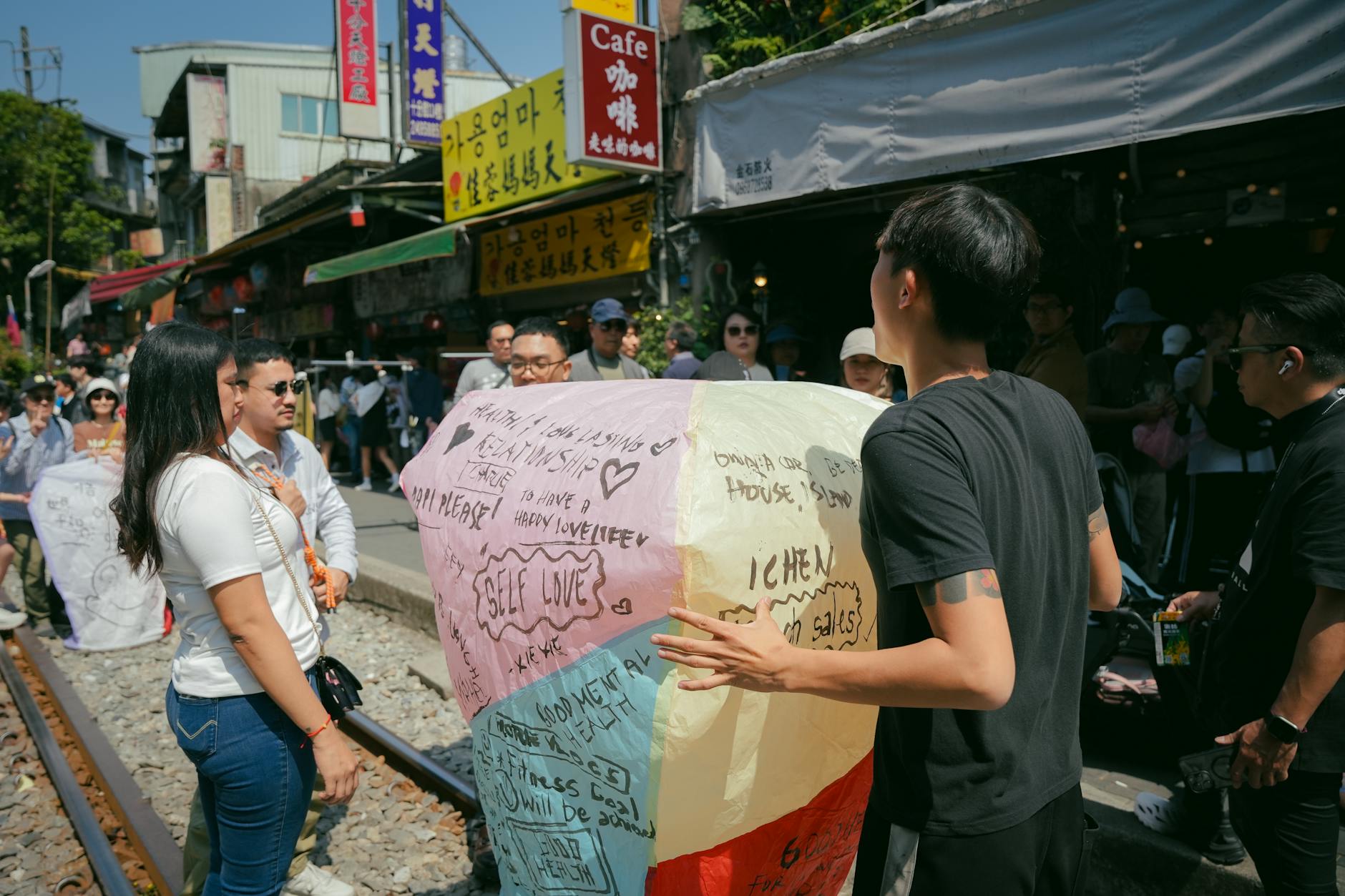
The Pingxi Line is a single-track branch railway that winds through the lush green valleys of northeastern New Taipei City, connecting a string of former coal mining villages that have reinvented themselves as charming tourist destinations. The star of the line is Shifen, famous worldwide for its sky lantern releases, but the entire route from Ruifang to Jingtong offers a wonderfully scenic half-day or full-day adventure. If you enjoy the combination of natural scenery, small-town atmosphere, and participatory cultural experiences, a Shifen sky lanterns trip should be near the top of your list.
Shifen Old Street and Sky Lanterns
Shifen Old Street is built directly along the railway tracks, with shops and restaurants flanking both sides of the rails. Trains pass through slowly several times per hour, and visitors casually step aside to let them through before returning to browsing, eating, and the main attraction: releasing sky lanterns. The Pingxi lanterns tradition has roots in a signal system used by early Chinese settlers to communicate safety across the mountains. Today, visitors write wishes on paper lanterns, light the fuel cell inside, and release them into the sky. It is a genuinely moving experience, even if you are not typically sentimental about such things.
Lanterns are available from shops all along the old street and cost NT$150 for a single-color lantern or NT$200 for a four-color version (each color represents a different type of wish: health, wealth, love, or career success). The shop staff will help you light the lantern and take photos of your release. The entire process takes about 15-20 minutes.
Note that the environmental impact of sky lanterns is a legitimate concern. The lanterns are made of rice paper and bamboo, which are biodegradable, and local cleanup crews collect the fallen lanterns from the surrounding hillsides. However, if you feel uncomfortable about the environmental aspect, you can still enjoy watching others release their lanterns without participating yourself.
Shifen Waterfall
A 20-minute walk from Shifen Old Street (follow the signs from the train station) brings you to Shifen Waterfall, often called the Niagara of Taiwan. While the comparison is generous in terms of scale, the waterfall is genuinely impressive: a broad, horseshoe-shaped cascade dropping about 20 meters into a misty pool surrounded by dense subtropical vegetation. The viewing platform at the base offers excellent photo opportunities and a refreshing spray on hot days. Allow about 45 minutes for the round-trip walk and viewing time.
Other Pingxi Line Stops
Beyond Shifen, the Pingxi Line offers several other worthwhile stops. Pingxi village itself is quieter and more authentically rustic, with a charming old street and the option to release lanterns without the heavy crowds of Shifen. Jingtong, the end of the line, has a beautifully preserved wooden Japanese-era train station and a peaceful atmosphere perfect for a short stroll. If you have a full day, hopping on and off the Pingxi Line makes for one of the most enjoyable railway experiences in Taiwan.
Getting to Shifen and the Pingxi Line
From Taipei Main Station, take a TRA local train to Ruifang (approximately 50 minutes, NT$76). At Ruifang, transfer to the Pingxi Line branch train. The Pingxi Line One-Day Pass costs NT$80 and allows unlimited rides between all stations on the branch, making it an excellent value if you plan to visit multiple villages. Trains on the Pingxi Line run approximately once per hour, so check the schedule at Ruifang station and plan your hops accordingly. For full transit details, our transportation guide has you covered.
Tamsui: Riverside Sunsets and Colonial History
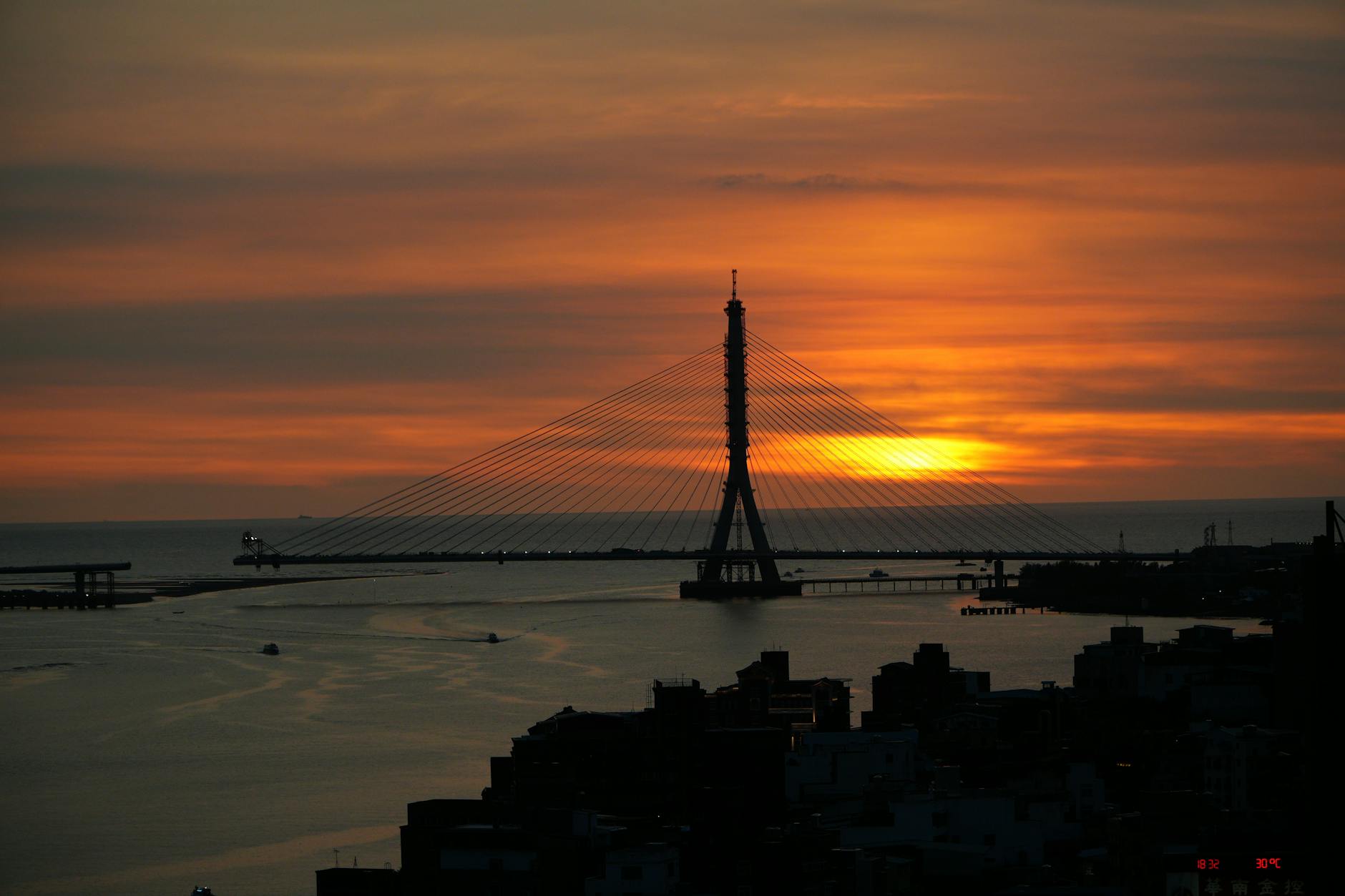
If you want an easy, relaxing escape from central Taipei without complicated logistics, Tamsui Taipei is the answer. This historic port town at the mouth of the Tamsui River is the final stop on the MRT Red Line, meaning you can reach it by simply tapping your EasyCard and riding the metro for about 40 minutes from Taipei Main Station. No buses, no trains, no transfers. It is the most effortless day trip in this entire guide, and it rewards you with waterfront promenades, fascinating colonial history, outstanding street food, and what many consider the best sunset view in the greater Taipei area.
What to See in Tamsui
Exiting Tamsui MRT station, you are immediately on the waterfront promenade that stretches along the river toward Fisherman’s Wharf. This tree-lined walkway is perfect for a leisurely stroll, with street food vendors, buskers, and cafes lining the path. The vibe is relaxed and distinctly different from the intensity of downtown Taipei.
The Tamsui Old Street, running parallel to the waterfront, is packed with food stalls and snack shops. Must-try items include ah-gei (tofu stuffed with glass noodles and topped with fish paste), iron eggs (eggs braised for hours until they turn dark brown and chewy), fish crackers, and fresh seafood. The old street is most lively on weekend afternoons and evenings.
History enthusiasts will appreciate Fort San Domingo, a 17th-century fortification originally built by the Spanish and later occupied by the Dutch, British, and Japanese. The fort and the adjacent Former British Consular Residence are well-preserved, with informative exhibits tracing four centuries of Tamsui’s history as a trading port. Nearby, the Tamsui Presbyterian Church and Oxford College are handsome examples of Western missionary architecture from the late 19th century. Together, these sites form a compact historical walking route that takes about 90 minutes to explore.
Fisherman’s Wharf and Lover’s Bridge
From Tamsui Old Street, you can walk (about 25 minutes along the river) or take bus R26 (10 minutes) to Fisherman’s Wharf, a modern waterfront development anchored by Lover’s Bridge, an elegant white pedestrian bridge that has become one of the most popular sunset-viewing spots in northern Taiwan. The wharf has restaurants, a boardwalk, and an unobstructed view westward across the river mouth. Arriving about 30-45 minutes before sunset gives you time to find a good spot and watch the sky transform through shades of orange and purple.
Getting to Tamsui and Practical Tips
Take the MRT Red Line (Tamsui-Xinyi Line) to Tamsui station, the terminus. The ride from Taipei Main Station takes about 40 minutes and costs approximately NT$50 with an EasyCard. Tamsui works well as a half-day trip (afternoon into evening for the sunset) or a full day if you want to explore the historical sites thoroughly and linger over street food. It combines naturally with a morning visit to Beitou Hot Springs, which is on the same MRT line just a few stops before Tamsui.
Yehliu Geopark: Nature’s Sculpture Gallery

The Yehliu Geopark is one of the most visually remarkable natural attractions in Taiwan and an easy day trip from Taipei for anyone interested in geology, photography, or simply seeing something you have never encountered before. Located on a narrow cape jutting into the ocean on the north coast, Yehliu displays thousands of rock formations carved by centuries of wind erosion, sea erosion, and weathering into surreal shapes that resemble mushrooms, candles, ginger roots, and even human heads.
The Queen’s Head and Other Formations
The park is divided into three sections along the cape. The first section contains the most famous formation: the Queen’s Head, a rock that naturally eroded into the profile of an elegant woman wearing a royal headdress. This formation has become an icon of Taiwan tourism, appearing on postcards, guidebooks, and even postage stamps. Be warned that the line to take a photo next to the Queen’s Head can stretch to 30-45 minutes on busy days. Park authorities have roped off the area to prevent touching, as the neck of the formation continues to thin and geologists estimate it may eventually break.
Beyond the Queen’s Head, the second and third sections of the park are equally fascinating but far less crowded. Look for Fairy’s Shoe, Sea Candles, the Ice Cream Rock, and the dramatic wave-cut platform at the far end of the cape, where the Pacific waves crash against the rocks with impressive force. The entire park can be explored in 1.5 to 2 hours at a comfortable pace.
Getting to Yehliu from Taipei
Bus 1815 (Kuo-Kuang Motor Transport) departs from Taipei Main Station and reaches Yehliu in approximately 90 minutes. The bus drops you a short walk from the geopark entrance. Admission is NT$120 for adults. Alternatively, many visitors combine Yehliu with a trip to Keelung, which is about 30 minutes further along the coast by local bus. This makes for an excellent full-day itinerary: Yehliu in the morning, Keelung for lunch and Miaokou Night Market in the afternoon and evening.
Yehliu Tips
Arrive early (before 10 AM) to beat the tour bus crowds, especially on weekends. The cape is fully exposed to sun and wind with almost no shade, so bring sunscreen, a hat, and water. Wear shoes with good grip, as some paths near the water can be slippery. Photography is spectacular in the golden hour light of late afternoon, but this is also when the park is busiest. The park closes at 5 PM (6 PM in summer), so plan accordingly.
Wulai: Hot Springs, Waterfalls, and Indigenous Culture
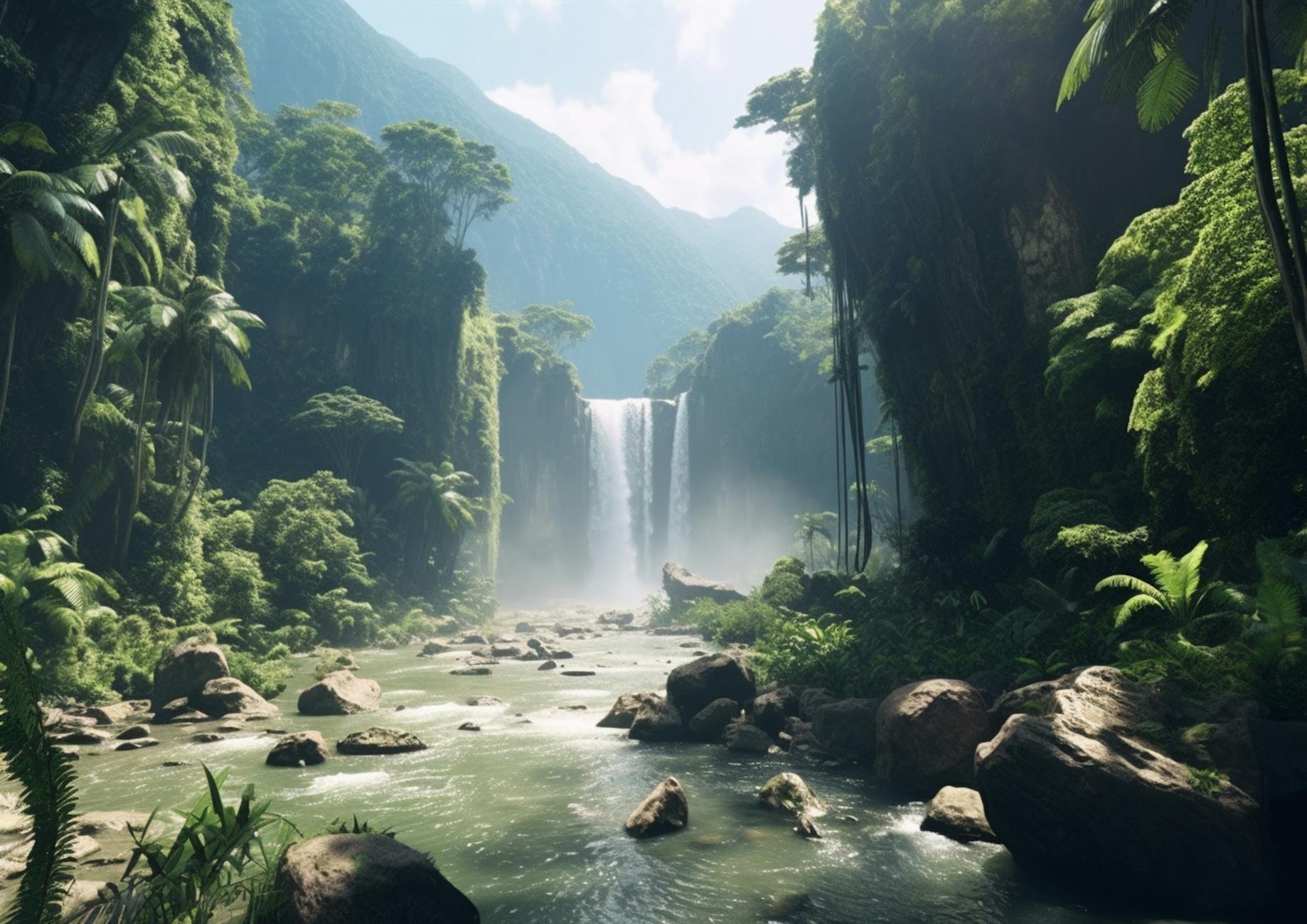
Tucked into a lush river gorge about 40 minutes south of Taipei, Wulai hot springs offer a completely different day trip experience: think steaming natural pools, a thundering waterfall, indigenous Atayal culture, and a pace of life that feels a world away from the capital. Wulai is one of the most rewarding day trips from Taipei for anyone who wants to trade urban energy for mountain tranquility, soak in mineral-rich thermal water, and learn about Taiwan’s indigenous heritage.
Wulai Hot Springs
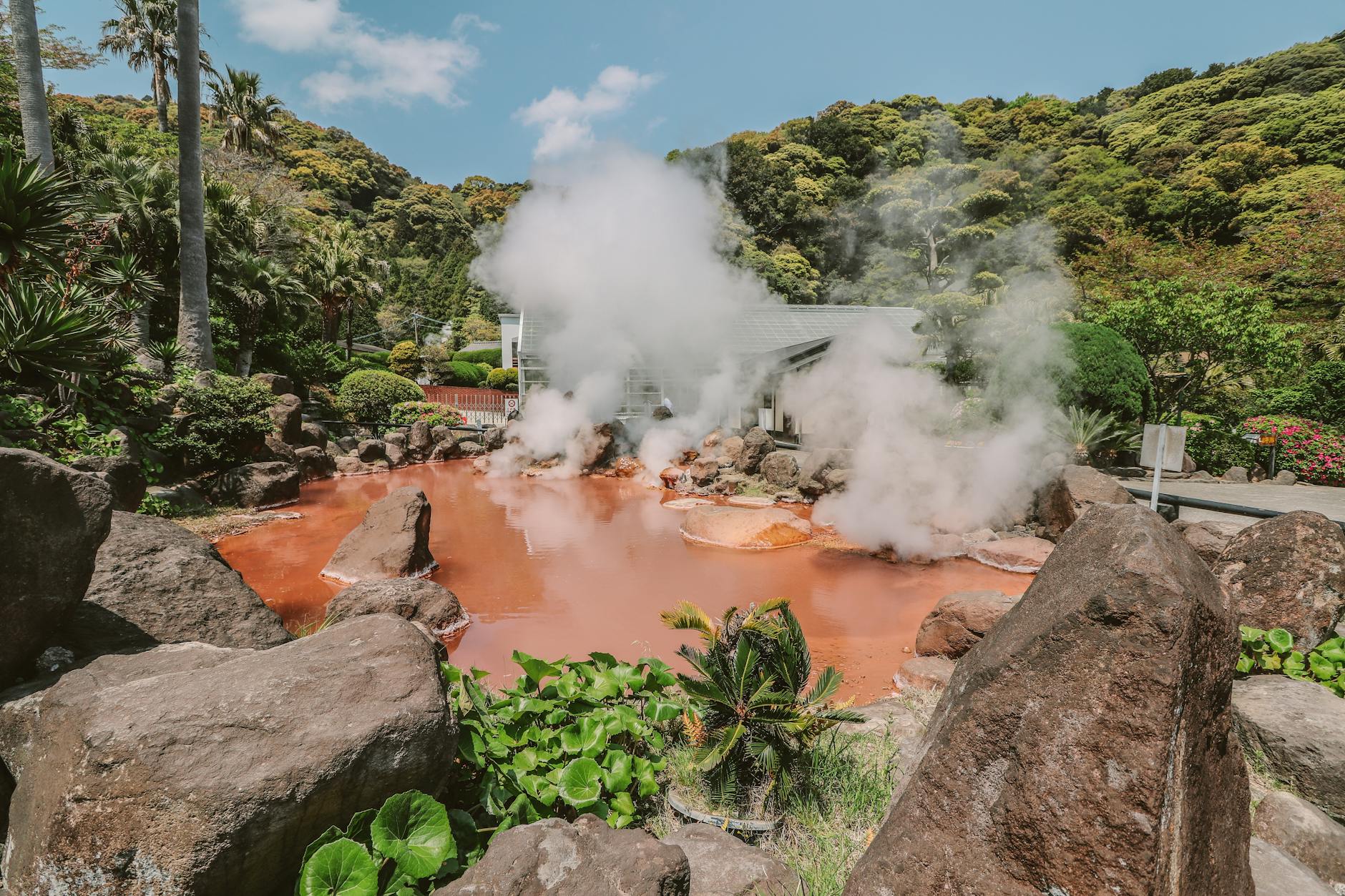
Wulai sits atop a geothermal zone that feeds multiple hot spring sources throughout the village. The springs here are colorless, odorless sodium bicarbonate springs, known for their silky feel on the skin. You have several options for soaking. The most budget-friendly is the free public hot spring foot bath located along the riverside walkway near the bridge. For a more immersive experience, several hotels and bathhouses offer private rooms and communal pools, with prices ranging from NT$200-500 per person. Some riverside sections allow you to soak in natural rock pools right next to the creek, mixing the cold river water with hot spring water to find your perfect temperature.
Wulai Waterfall and Log Cart
At the far end of Wulai Old Street, you will find the Wulai Waterfall, an 80-meter cascade visible from the village and reached via a short walk across a bridge. The waterfall is most impressive after rainfall, when the volume of water turns it into a roaring spectacle. Near the base of the waterfall, a historic log cart (a small open-air train on narrow-gauge tracks, originally used for transporting timber) carries visitors on a brief but scenic ride along the clifftop to Wulai Dreamland, a small amusement area with an aerial tramway offering panoramic views of the gorge.
Atayal Culture in Wulai
Wulai is an Atayal indigenous community, and the village takes pride in preserving and sharing its cultural heritage. The Wulai Atayal Museum (free admission) provides an excellent introduction to Atayal history, weaving traditions, hunting practices, and the significance of facial tattoos in their culture. Along Wulai Old Street, you can sample indigenous food including mountain boar sausage, bamboo tube rice (sticky rice cooked inside a bamboo tube over an open flame), and mochi-like millet dumplings. Several shops sell handwoven Atayal textiles and crafts.
Getting to Wulai
Take the MRT Green Line to Xindian Station (the terminus), then transfer to bus 849, which runs directly to Wulai village in approximately 40 minutes. The bus winds through a scenic river gorge for the final stretch, with views that set the tone for your visit. Buses run every 15-20 minutes. Wulai is also beautiful during cherry blossom season (late January to February), when the trees along the main road explode in pink and white blooms.
Yangmingshan National Park: Volcanoes, Hot Springs, and Seasonal Blooms

Yangmingshan National Park sits just north of Taipei’s urban boundary, its volcanic peaks visible on clear days from many parts of the city. This is the most accessible national park in Taiwan, reachable by public bus in about 30-40 minutes, yet it feels remarkably wild once you are on the trails. Volcanic craters, steaming fumaroles, hot spring streams, grassland plateaus, and dense subtropical forests create a landscape unlike anything else near the capital. For nature lovers, a day at Yangmingshan is one of the most rewarding Taipei day tours available.
Hiking Trails at Yangmingshan
The park offers trails for every fitness level. The most popular is the Xiaoyoukeng Trail, a well-paved path leading to a dramatic fumarole area where sulfurous gases hiss from vents in the volcanic rock. The entire walk takes about 30-40 minutes each way and is suitable for families. For a more challenging hike, the Qixing Mountain Trail climbs to the summit of Qixingshan (1,120 meters), the highest point in the Taipei metropolitan area. The ascent takes about 90 minutes and rewards you with sweeping views of Taipei to the south and the Pacific to the north. On clear days, you can see all the way to the Keelung coast.
Other excellent trails include the Menghuan Pond Trail (a gentle loop through marshland that is especially beautiful during the calla lily season from March to May) and the Lengshuikeng area, which has a free public hot spring bathing pool fed by natural geothermal water. The Erziping Trail is a quieter option that passes through forest and grassland with far fewer visitors than the main routes.
Seasonal Highlights
Yangmingshan is spectacular year-round, but each season brings distinct attractions. Cherry blossoms bloom from late January through March, with the Yangmingshan Flower Festival drawing large crowds to admire the pink canopy along the park’s main roads. Calla lilies bloom in Zhuzihu from March through May, when the terraced fields of white flowers against green hillsides create postcard-perfect scenery. Autumn brings silvergrass (miscanthus) that covers the mountain slopes in waves of white plumes, particularly beautiful on the Qingtiangang Grassland. Even summer has its appeal, as the elevation keeps temperatures several degrees cooler than downtown Taipei.
Getting to Yangmingshan
Take the MRT Red Line to Jiantan Station, then transfer to bus 260 or the Yangmingshan-bound shuttle (Red 5) from the station exit. The bus climbs the mountain in about 30 minutes and stops at the park’s main bus terminal, where you can transfer to intra-park shuttle buses that connect major trailheads and scenic spots. An EasyCard covers all bus fares. If you plan to hike Qixingshan, start early and bring layers, as the summit temperature can be 5-10 degrees cooler than Taipei with wind chill.
Keelung: Port City, Seafood, and One of Taiwan’s Best Night Markets
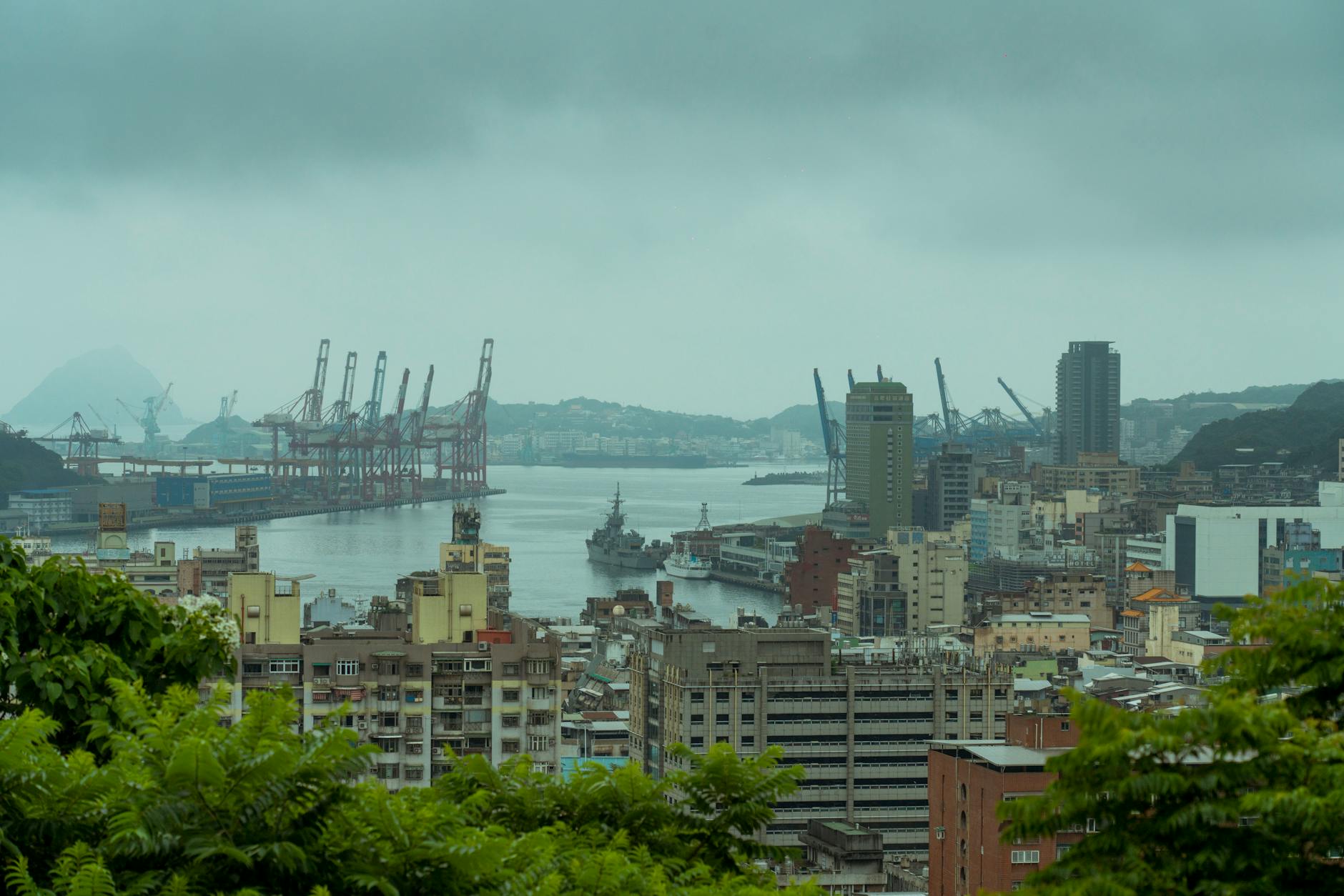
Keelung from Taipei is a quick and rewarding trip that most visitors overlook in favor of flashier destinations. This working port city on the northeastern coast has a gritty, authentic energy that contrasts with the polished tourist sites elsewhere in northern Taiwan. It also has one of the best night markets in the entire country, a colorful fishing port that has become an Instagram sensation, and genuinely excellent seafood at prices lower than Taipei.
Miaokou Night Market
Keelung’s Miaokou Night Market, centered around the Dianji Temple near the harbor, is consistently ranked among Taiwan’s top three night markets. Unlike Taipei’s more tourist-oriented night markets, Miaokou is a food-focused destination where the stalls have been perfected by families running them for decades. The market is particularly famous for its seafood: peppery crab soup, tempura (locally called tian bu la), fried sandwiches, nutritious sandwiches (a Keelung specialty with a somewhat misleading name), braised pork rice, and bubble tea. Many stalls have numbers that correspond to recommended walking-tour lists, making it easy to navigate the greatest hits.
While Miaokou Night Market technically opens in the afternoon, the full experience begins around 5 PM when all stalls are operating. However, because Keelung offers plenty of daytime attractions, you can easily fill an entire day here before ending at the market.
Zhengbin Fishing Port
About a 10-minute bus ride from downtown Keelung, Zhengbin Fishing Port has gained fame for its row of vividly painted houses lining the waterfront. The colors range from electric blue and sunshine yellow to coral pink and mint green, creating a scene that pops in photographs. Behind the painted facades, the port is still a working fishing harbor, and you can watch boats unloading their catch. The nearby Zhengbin Park offers a pleasant waterfront path and views of the rocky coastline.
Heping Island Park
Heping Island Park, connected to Keelung by a short bridge, is a lesser-known alternative to Yehliu Geopark with similar wind-and-sea-eroded rock formations but significantly fewer tourists. The park also features tidal pools, a natural seawater swimming pool (open in summer), and walking trails along dramatic cliff edges. Admission is NT$120 for adults. Combining Heping Island with downtown Keelung and Miaokou Night Market makes for a satisfying full-day itinerary.
Getting to Keelung
TRA local trains from Taipei Main Station reach Keelung in approximately 40 minutes and cost around NT$64. Trains run frequently throughout the day. The train station is centrally located, within walking distance of both Miaokou Night Market and the harbor area. Keelung also combines well with a morning trip to Yehliu Geopark, which is about 30 minutes away by local bus 790.
Houtong Cat Village: A Purrfect Quick Detour
The Houtong cat village is one of the most unique day trips from Taipei, and one of the quickest. This former coal mining settlement along the Yilan railway line has been transformed into a cat lover’s paradise, with dozens of friendly resident cats roaming freely through the village streets, sleeping on walls, and generally living their best lives while visitors snap photos and offer gentle chin scratches. CNN once listed Houtong among the world’s top cat destinations, and the village has since embraced its feline identity wholeheartedly.
What to Expect at Houtong
Exiting Houtong train station, a cat-shaped pedestrian bridge leads you across the tracks to the main village area. Cat-themed murals, sculptures, signage, and even cat-shaped benches line the walking paths. The cats themselves are semi-feral but accustomed to human visitors and generally approachable. Signs throughout the village remind visitors not to feed the cats human food (proper cat food is available from vending machines and shops), not to use flash photography, and not to pick up cats that do not want to be held.
Beyond the cats, Houtong has genuine historical interest. The remains of the Ruisan Coal Mine, including the processing plant, rail tracks, and mining equipment, are visible along the riverside trail. Information boards explain the mining history and the village’s decline after the mines closed in the 1990s. The Coal Mine Museum provides additional context. The combination of feline charm and industrial archaeology makes Houtong more engaging than you might expect from a village whose primary selling point is cats.
Getting to Houtong
Houtong station is on the main Yilan line, just one stop before Ruifang. A TRA local train from Taipei Main Station takes about 45 minutes and costs approximately NT$76. Because of its location, Houtong is extremely easy to combine with other nearby destinations. A popular day trip route is Houtong in the morning (1-2 hours is sufficient), then train to Ruifang and the Pingxi Line for Shifen and Pingxi in the afternoon, or a bus up to Jiufen for the evening.
Beitou Hot Springs: The Closest Escape from Taipei
Technically still within Taipei city limits, Beitou deserves a place in any day trips from Taipei guide because it feels like a completely different world from the downtown core. This hot spring district at the foot of Yangmingshan has been a bathing destination since the Japanese colonial era, and it retains a genteel, spa-town atmosphere with tree-lined streets, steam rising from creek beds, and the faint scent of sulfur in the air.
Hot Spring Options in Beitou
Beitou offers hot spring experiences at every price point. The most budget-friendly option is the outdoor public hot spring at Millennium Hot Spring (NT$40 admission), a series of tiered pools at different temperatures in a park-like setting. For more privacy and comfort, numerous hotels and bathhouses offer private rooms with hot spring tubs, typically ranging from NT$400-1,500 per person for a 90-minute soak. High-end resorts like Villa 32 and the Grand View Resort provide luxurious spa experiences for those willing to spend more.
The Beitou Hot Spring Museum, housed in a beautifully restored Japanese-era public bathhouse, is free to enter and offers a fascinating look at the history and science of the area’s geothermal activity. Nearby, the Thermal Valley (Beitou Geothermal Valley) is a steaming, turquoise-green pool where the water temperature reaches nearly 100°C. You cannot bathe here, but the sulfurous steam and eerie color make it one of the most photographed spots in Beitou.
Other Beitou Attractions
The Beitou branch of the Taipei Public Library is an award-winning green building made of wood and glass, tucked among trees in a park. It is one of the most beautiful libraries you will encounter anywhere and worth a visit even if you have no intention of reading. The surrounding Beitou Park is lovely for a stroll, and the Ketagalan Culture Center offers exhibits on the indigenous peoples of the Taipei basin. Several excellent restaurants and cafes in the Beitou area serve Taiwanese comfort food and tea.
Getting to Beitou
Take the MRT Red Line to Beitou Station, then transfer to the Xinbeitou Branch Line (one stop). The entire journey from Taipei Main Station takes about 25 minutes and is covered by your EasyCard. Beitou is perfect for a half-day trip and combines naturally with an afternoon in Tamsui, which is further along the Red Line. Alternatively, use Beitou as a relaxing finale to a morning hike at Yangmingshan, since buses from the national park descend to the Beitou area.
Taroko Gorge: The Ambitious Day Trip
Let us be upfront: Taroko Gorge is not a conventional day trip from Taipei. The journey to Hualien, the gateway city to Taroko National Park, takes 2 to 2.5 hours by express train or about 3 hours by slower services. That means 4 to 6 hours of travel time alone, leaving you with a limited window to explore one of Taiwan’s most spectacular natural wonders. However, many visitors attempt it when their Taiwan itinerary is short, and it is possible to have a meaningful, if abbreviated, experience.
Making It Work as a Day Trip
If you are determined to see Taroko in a single day, book the earliest Puyuma or Taroko Express train from Taipei Main Station to Hualien (departing around 6:30-7:00 AM, arriving around 8:30-9:30 AM). From Hualien, you will need to either rent a scooter, hire a taxi for the day (NT$3,000-4,000 for a full day), or join a half-day guided tour. Public buses run into the gorge but on a limited schedule that makes it difficult to see more than one or two stops.
The must-see highlights if you have limited time are the Shakadang Trail (an easy 1-2 hour riverside path with turquoise water), the Swallow Grotto trail section (a road carved through marble cliffs), and Eternal Spring Shrine (a picturesque temple built into the cliff face above a waterfall). Realistically, you can experience two or three of these before needing to head back to Hualien for your return train. Book your return train in advance, as seats on popular departure times sell out.
Should You Do It?
Our honest recommendation: if you have two or more days to spare, an overnight trip to Hualien and Taroko Gorge is vastly superior to the day trip. You will see more, feel less rushed, and actually have time to hike the longer trails that make Taroko truly extraordinary. But if a day trip is your only option, it is still worth doing. Even a few hours in Taroko’s marble canyon will leave a lasting impression. For detailed planning, see our Taroko Gorge guide.
Multi-Stop Itineraries: Combining Day Trip Destinations
Several of the destinations in this guide are close enough to each other that you can combine two or even three in a single day. Here are the most practical and enjoyable Taipei day tours that link multiple stops into one seamless route.
The Northeast Coast Loop: Houtong + Shifen + Jiufen
This is the most popular multi-stop day trip from Taipei, and with good reason. It combines three distinct experiences (cats, lanterns, and a hilltop village) along a single railway corridor. Start early with a train from Taipei Main to Houtong (45 minutes). Spend 1-1.5 hours with the cats, then take the train one stop to Ruifang and transfer to the Pingxi Line for Shifen. Release a sky lantern, walk to the waterfall, and grab lunch. In the mid-afternoon, return to Ruifang by train and take bus 788 up to Jiufen for tea, taro balls, and the magical lantern-lit evening atmosphere. Catch the last bus back to Taipei around 9 PM.
The North Coast Route: Yehliu + Keelung
Take the 1815 bus from Taipei to Yehliu Geopark in the morning. Spend 1.5-2 hours exploring the rock formations, then catch a local bus to Keelung (about 30 minutes). Explore Zhengbin Fishing Port and Heping Island Park in the afternoon, then end your day at Miaokou Night Market for dinner. Return to Taipei by train from Keelung station.
The MRT Hot Springs and Sunset Route: Beitou + Tamsui
This is the easiest multi-stop day trip because both destinations are on the MRT Red Line. Start with a morning soak in Beitou’s hot springs and a visit to the Thermal Valley and Hot Spring Museum. After lunch, continue on the Red Line to Tamsui for waterfront strolling, Fort San Domingo, street food, and a sunset at Fisherman’s Wharf. The entire day requires nothing more than your EasyCard and the metro.
Mountain and Valley: Yangmingshan + Beitou
Start early with a bus from Jiantan MRT up to Yangmingshan National Park. Hike the Qixingshan summit trail or explore the Xiaoyoukeng fumarole area in the morning when the air is cool and the skies are clearest. Descend in the afternoon via a bus that drops you in the Beitou area, where you can reward your tired legs with a hot spring soak before heading back to central Taipei on the MRT.
The Full Pingxi Line Experience: Jingtong + Pingxi + Shifen
For a more relaxed pace focused on the railway villages, take the Pingxi Line One-Day Pass and ride the entire line. Start at Jingtong (the terminus), walk the quiet old street and admire the wooden station, then hop back on the train to Pingxi village for lanterns and old-town atmosphere. Finish at Shifen for more lanterns, street food, and the waterfall. This itinerary works well for travelers who prefer a slower, less tourist-saturated experience than the Houtong-Shifen-Jiufen combo.
Practical Tips for Day Trips from Taipei
These tips apply to all the destinations covered in this guide and will help you avoid common frustrations that trip up first-time visitors to northern Taiwan.
EasyCard Is Essential
If you take away one piece of advice from this article, let it be this: get an EasyCard (or iPASS) and load it with sufficient credit before heading out. This rechargeable IC card works on the MRT, all city and intercity buses, TRA local trains, convenience stores, and many taxis. It eliminates the need to buy individual tickets, ensures you always get the correct fare (which is often discounted compared to cash), and speeds up your boarding time on buses. You can purchase and recharge EasyCards at any MRT station or convenience store. For a full day trip, having NT$300-500 loaded on your card should be ample for transport. More details on this are in our getting around Taipei guide.
Avoid Weekend Crowds
Jiufen, Shifen, and Yehliu can be overwhelmingly crowded on Saturdays and Sundays, as they are popular with both international tourists and domestic day-trippers from Taipei. If your schedule allows, visiting these destinations on weekdays dramatically improves the experience. Tamsui and Keelung are less affected by weekend crowds but are still noticeably busier. Wulai and Yangmingshan are the best options if you can only do weekend trips, as they tend to absorb visitors more easily thanks to their larger footprint and multiple dispersed attractions.
Check Weather Before Mountain Trips
Yangmingshan and Wulai are mountain destinations where weather can change quickly and differ significantly from Taipei’s city center conditions. Check the forecast before committing to a mountain hike. Dense fog is common at Yangmingshan, which can turn scenic viewpoints into walls of white. Rain makes the Wulai gorge road slippery. Both destinations are best on clear or partly cloudy days. If the weather is poor in the mountains, pivot to a low-elevation coastal destination like Tamsui, Keelung, or Yehliu instead.
Food and Water Strategy
All destinations in this guide have food available, but the range and quality vary. Jiufen, Shifen, Tamsui, and Keelung’s Miaokou Night Market have abundant food options and you can easily eat your way through the day without sitting down at a formal restaurant. Yehliu and Houtong have more limited food choices, so consider eating before you arrive or bringing snacks. Wulai has a good old street with indigenous food worth trying. Yangmingshan has very few food vendors on the trails, so pack a lunch and plenty of water for hiking days.
Language and Navigation
English signage at major tourist destinations and on public transport is generally good. Train stations, MRT stations, and buses all have English announcements and displays. Google Maps works reliably in Taiwan for public transit directions, including bus routes and train schedules. Download offline maps before you head out in case mobile signal is weak in mountain or rural areas. A few useful Mandarin phrases for day trips: “Qǐng wèn, zhè shì qù [destination] de chē ma?” (Excuse me, is this the bus/train to [destination]?) covers most situations.
Cash vs. Cards
While Taipei is increasingly card-friendly, most day trip destinations are still predominantly cash-based. Street food vendors, small shops, hot spring foot baths, and local buses require cash or EasyCard. Bring at least NT$500-1,000 in small bills beyond what you have loaded on your EasyCard. ATMs are available at convenience stores (7-Eleven, FamilyMart) in all the towns covered here, but having cash ready avoids hunting for an ATM when you are hungry and a stall of taro balls is beckoning.
Returning to Taipei at Night
Most public transport options run until 9-10 PM, but schedules vary by destination. The MRT runs until midnight (making Tamsui and Beitou the most flexible for late returns). The last bus from Jiufen departs around 9 PM. Pingxi Line trains stop running around 8-9 PM. TRA trains from Keelung run later, with the last service around 11 PM. Always check the last departure time for your specific route before settling in for dinner or a sunset viewing session. If you miss the last public transport, taxis and ride-hailing apps like LINE Taxi are available in all these areas, though expect to pay NT$500-1,000 for a return to central Taipei.
Explore more Taipei guides
- Tamsui Day Trip from Taipei: Sunsets, Seafood & Ferries
- Wulai Day Trip from Taipei: Waterfalls & Atayal Culture
- Yangmingshan Day Trip: Hiking & Hot Springs
- Alishan from Taipei: Sunrise, Tea & Forest Trains
- Sun Moon Lake from Taipei: Complete Day Trip Guide
Frequently Asked Questions About Day Trips from Taipei
What is the best day trip from Taipei for first-time visitors?
For first-time visitors, the Houtong-Shifen-Jiufen loop offers the most variety in a single day: cat village, sky lanterns, a waterfall, and a lantern-lit hilltop town. If you prefer an easier, more relaxed outing, Tamsui on the MRT Red Line is effortless and charming. Both are among the best day trips from Taipei and deliver quintessential Taiwan experiences.
Can I do day trips from Taipei without speaking Mandarin?
Yes. Public transport signage and announcements are bilingual (Mandarin and English). Google Maps handles transit routing accurately. Tourist destinations have English information. Many food stalls have picture menus. You may encounter limited English at smaller rural stops, but pointing, smiling, and a translation app will get you through. Taiwan is one of the most welcoming countries in Asia for non-Mandarin-speaking travelers.
How much should I budget for a typical day trip?
A comfortable budget for most day trips is NT$500-800 (US$16-26) per person, covering transport, admission fees, and street food meals. Jiufen and Shifen may cost slightly more if you buy lanterns (NT$150-200) and multiple snacks. Wulai adds bathhouse costs (NT$200-500) if you want a private soak. Taroko Gorge is the most expensive day trip due to the longer train journey (NT$440 each way for reserved seats) and taxi costs within the park.
Is it better to join a tour or go independently?
Most destinations in this guide are easy to reach independently using public transport, and independent travel gives you more flexibility with timing. Organized tours make the most sense for multi-stop itineraries like Jiufen plus Shifen (where the logistics of combining bus and train with tight schedules can be tricky), Yehliu plus Keelung, or Taroko Gorge (where a driver solves the in-park transport challenge). Solo travelers and couples often enjoy the freedom of independent travel, while families with young children may appreciate the convenience of a guided tour.
What day trips are best in rainy weather?
Keelung’s Miaokou Night Market is covered, making it the best food destination in wet weather. Beitou hot springs are actually more atmospheric in the rain, with extra steam and mist. Jiufen’s covered old street protects you from rain while browsing, though the outdoor viewpoints and stairway are less pleasant when wet. Avoid Yehliu, Yangmingshan hiking, and outdoor activities at Wulai in heavy rain.
Can I combine a day trip with a half-day in Taipei?
Absolutely. Tamsui and Beitou are close enough that you can explore Taipei in the morning and head out after lunch. Keelung works well as an afternoon-into-evening trip focused on the night market. Houtong is quick enough (1-2 hours) to combine with a morning of Taipei sightseeing before hopping on the train. The key is choosing a destination with short travel time so you are not spending your entire afternoon on transport.
Are these day trips suitable for families with young children?
Most are family-friendly. Tamsui (flat waterfront walking, street food), Beitou (hot springs, library, park), and Houtong (cats, short visit) are particularly easy with young children. Shifen sky lanterns are a memorable family activity. Yangmingshan’s shorter trails like Xiaoyoukeng are paved and stroller-accessible. Jiufen’s narrow, crowded old street and steep stairs can be challenging with a stroller, so consider a baby carrier instead. Yehliu requires supervision near cliff edges and wave-cut platforms.
What is the best time of year for day trips from Taipei?
October through December offers the best combination of dry weather, comfortable temperatures, and manageable crowds. Late February through April is ideal for cherry blossoms at Yangmingshan and Wulai. Avoid typhoon season (July-September) if possible, as storms can cancel transport and close mountain trails. Winter (December-February) is cooler and occasionally drizzly but far less crowded than peak season.
Do I need to book anything in advance?
For most day trips, no advance booking is needed. Simply show up at the bus stop or train station with your EasyCard. The exceptions are Taroko Gorge (book express train seats at least a few days ahead, especially on weekends) and organized tours (reserve online one or two days before). Popular hiking permits for certain Yangmingshan trails during cherry blossom season may need to be obtained through the national park website.
Where can I learn more about getting around for these day trips?
Our comprehensive getting around Taipei guide covers the MRT, bus, train, taxi, and ride-hailing systems in detail, including how to buy and use an EasyCard, how to read TRA train schedules, and tips for navigating the bus network. For broader trip planning, including itinerary suggestions that incorporate these day trips, visit our main Taipei travel guide.
There is a line beyond which a day trip stops making sense, and it sits at about ninety minutes each way. Tainan, Kaohsiung, Hualien, Alishan and Sun Moon Lake are all technically reachable and back in a day, and all of them are a waste of the journey — the high speed rail will put you in Kaohsiung in a hundred minutes and then you will spend the afternoon sprinting round a city built for slowness. For everything past that threshold, start with our hub on Taiwan beyond Taipei.
Hualien comes up often enough as a proposed day trip that it deserves a straight answer: don’t. It is two hours each way on a train you have to book weeks ahead, in a place whose entire quality is space and slowness, and an afternoon there is the least rewarding version of the east coast available. Two nights is the minimum — our guide to Taipei to Hualien explains how to get there and what to do when you stay.
Yilan is the day trip that most rewards a change of plan. The bus through the Hsuehshan Tunnel takes about an hour and a quarter and costs NT$131–140, so it is easy to reach, but the county is spread across a whole plain — surf beach, volcanic island, hot springs, night market — and the people who enjoy it most pick one corner or stay the night. Our Yilan guide sets out three day routes that work, and when to take the train instead of the bus.
One day trip got noticeably easier in 2026. Sanxia, with its red-brick old street and extraordinary Zushi Temple, and Yingge, Taiwan’s ceramics town, are now linked to each other and to the MRT Blue Line by the new Sanying Line — metro out, local train home from Yingge, no buses to decipher. Our guide to Sanxia Old Street and Yingge has the route, the prices and what to skip.