This article contains advertising. Our booking links are routed through a partner that adds commission tracking automatically, so if you book through one we earn a commission from the provider, at no extra cost to you. It never affects what we recommend. Affiliate disclosure
Yangmingshan National Park (陽明山國家公園) is the rare thing every great capital should have but few actually do: a major national park sitting directly inside the metropolitan boundary, reachable by city bus, with volcanic peaks, hot springs, seasonal flower displays, and 100+ kilometres of hiking trails – all 30 minutes from downtown. Taipei locals treat Yangmingshan as their backyard, escaping there for weekend hikes, hot spring weekends, calla lily picking, and the famous cherry blossom festival. For visitors, it is one of the most rewarding half-day or full-day side trips you can do from anywhere in central Taipei. This 2026 guide covers the trails worth hiking, the seasonal flowers, the hot springs inside the park, how to get there, and what to combine the visit with.
What Is Yangmingshan National Park?
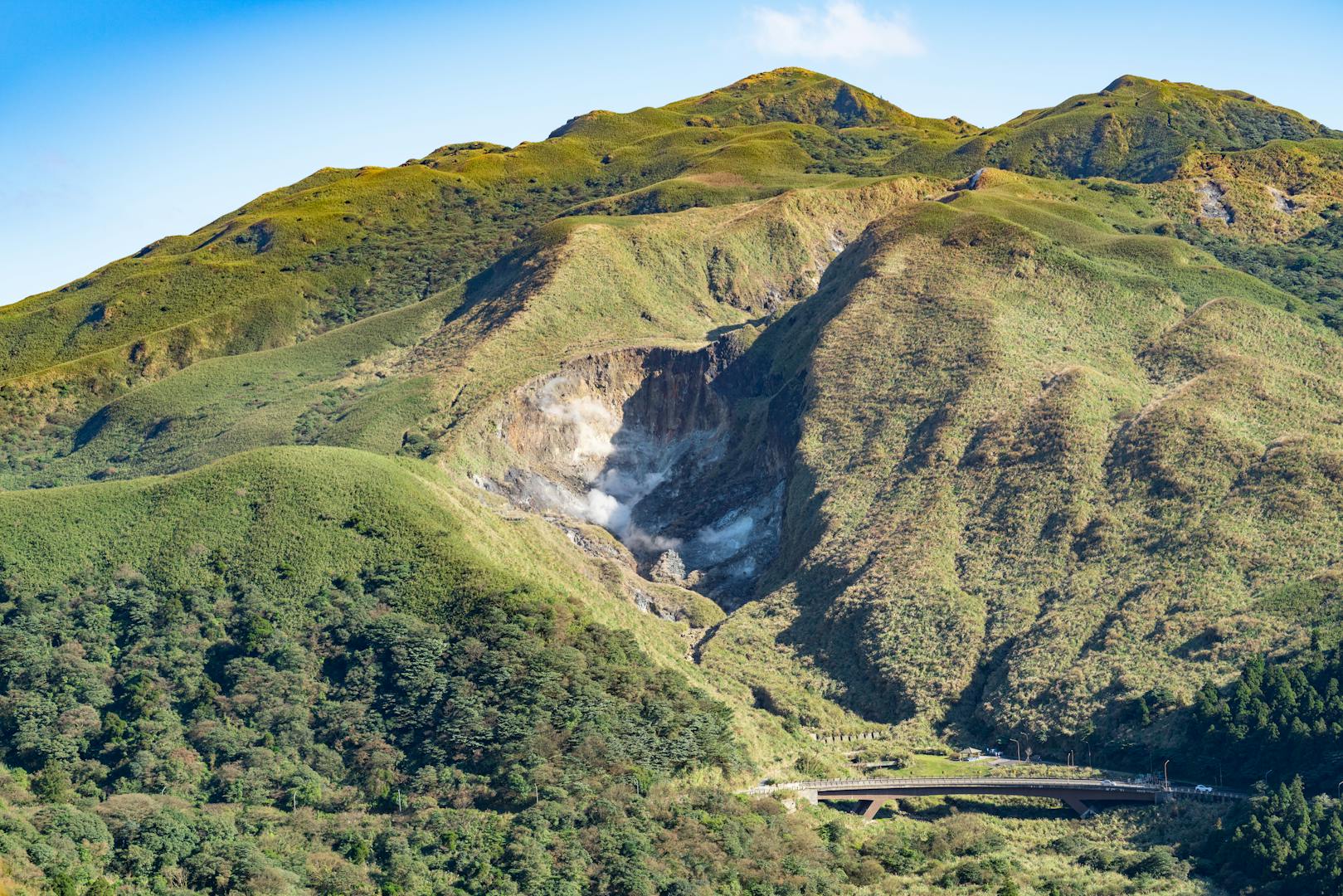
Yangmingshan National Park is a 115-square-kilometre volcanic park covering the Datun Volcano Group in northern Taipei. The park was established in 1985 to protect the unique geology, hot springs, and ecosystems of this dormant (but still active) volcanic zone. The highest peak, Qixingshan (Seven Star Mountain) at 1,120 metres, is also the highest point in Taipei City. Most of the park sits between 200 and 1,000 metres elevation, with cool weather, frequent fog, and a flora dramatically different from the subtropical city below.
The park’s name “Yangmingshan” means “Bright Sun Mountain” – a name given by Chiang Kai-shek in 1950 after the Ming Dynasty philosopher Wang Yangming. Before that it was called “Caoshan” (Grass Mountain). The summer retreat residence of Chiang Kai-shek and his family is preserved in the park as the Yangmingshan Chung-Shan Hall, now a museum.
Three things make Yangmingshan exceptional. First, the geology – active geothermal vents, hot springs, sulfur-stained rocks, and the famous “Hell Valley” steam fields. Second, the seasonal flower displays – cherry blossoms in February, calla lilies in March-May, hydrangeas in summer, rhododendrons in autumn, silver grass in winter. Third, the proximity to Taipei – what other capital lets you hike a 1,000-metre volcanic peak before lunch and be back in your downtown hotel by 5pm?
How to Get to Yangmingshan from Taipei
Multiple public transport options reach the park:
Bus R5 (紅5) from Jiantan MRT: The main route. Buses run very frequently from Jiantan Station (Red Line) up to the Yangmingshan bus terminal, taking roughly 30-50 minutes depending on traffic. Tap your EasyCard. The most popular and reliable option.
Bus 260 from the Taipei Main Station area: Runs to the same Yangmingshan bus terminal – handy if you are staying downtown and would rather not change at Jiantan.
Bus S15 from Beitou MRT: Alternative starting point if you are coming from northern Taipei. 30-minute ride.
Bus 1717 from Taipei Main Station: Direct express bus during peak times (cherry blossom and calla lily seasons). Travel time 50-60 minutes.
Bus 108 (park shuttle): From the Yangmingshan bus terminal, the 108 shuttle bus loops within the park to the major trailheads, flower areas, and Lengshuikeng. NT$15 per ride.
Taxi from central Taipei: NT$400-600 to the visitor center. Convenient for groups; useful for early arrival before buses.
Uber/Line Taxi: Same pricing as taxis, NT$400-700 depending on starting point.
Driving: 30-45 minutes from central Taipei. Free parking at visitor center; limited at trailheads. Avoid driving on cherry blossom and calla lily weekend peaks – the access roads jam.
Main Trails in Yangmingshan
Qixingshan / Seven Star Mountain (七星山)
The signature Yangmingshan hike and the highest peak in Taipei City. Two main trail routes:
Main trail from Lengshuikeng: The most popular route. Starts from the Lengshuikeng visitor center, climbs to the main and east peaks in 2-3 hours total round trip. Stone steps throughout, well-marked, no scrambling. Difficulty: moderate (about 500m elevation gain). Best views at the main peak – panoramic over Taipei City on clear days. The most-hiked trail in the park. Our Qixing Mountain guide compares every route up, including the shorter climb from Xiaoyoukeng.
Miaopu Trailhead: An alternative starting point near Xiaoyoukeng, slightly steeper but shorter (1.5-2 hours round trip).
Best time: Morning before clouds build up. Bring layers – the summit is often 5-10 °C cooler than the city and frequently windy.
Datunshan (大屯山)
The second-highest peak in the park at 1,092 metres. Distinguished by its perfect grassland summit – the top is a flat open area covered in silver grass that turns golden in winter. Reachable by car to the upper parking lot, then a 30-minute walk to the summit. Lower-effort than Qixingshan with similar views. Excellent sunset spot.
Lengshuikeng (冷水坑)
Not really a trail – a thermal area featuring milky-blue sulfur pools, a free public foot bath (open to all), and several shorter walks. The “Cold Water Hot Spring” name reflects the unique relatively low temperature (40 °C – actually warm but cool by hot spring standards). Family-friendly area with a visitor center, restrooms, and food stalls. Free entry.
Xiaoyoukeng (小油坑)
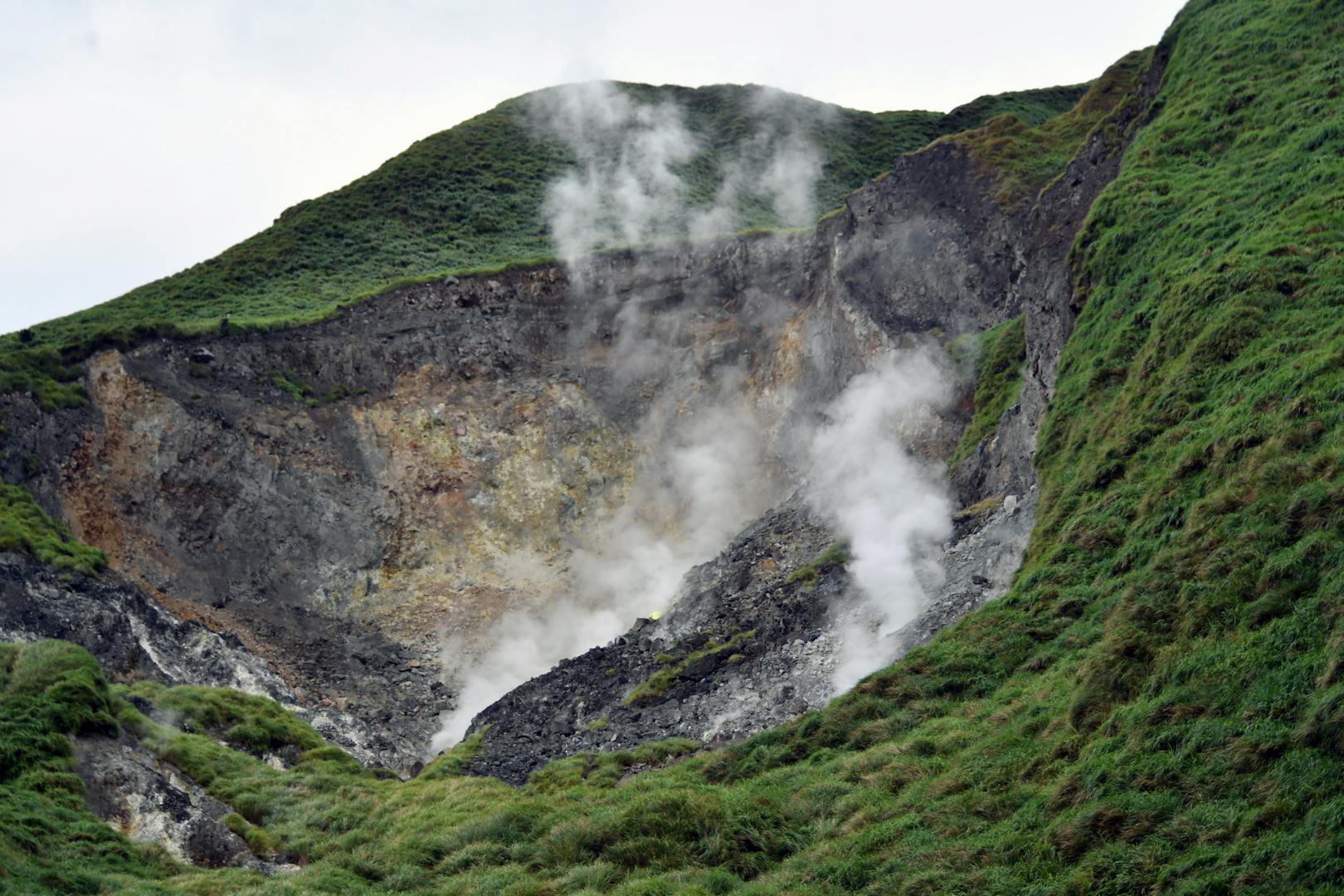
An active fumarole field where sulfur steam vents and rocks are stained yellow with crystallized sulfur. Short boardwalk visit (15 minutes); also the trailhead for the steeper Qixingshan ascent. Smells strongly of sulfur. Visually striking – the closest thing to Iceland’s geothermal areas you can see near a major city. Free.
Qingtiangang (擎天崗)
Higher-altitude grasslands with feral water buffalo, panoramic mountain views, and gentle walks. The “alpine meadow” feel is unique in the park. Best in autumn for silver grass, in spring for wildflowers. Easy 1-2 hour stroll along marked paths. Watch for the water buffalo – they are friendly but ear-tagged-and-tracked and should not be approached.
Zhuzihu (竹子湖)
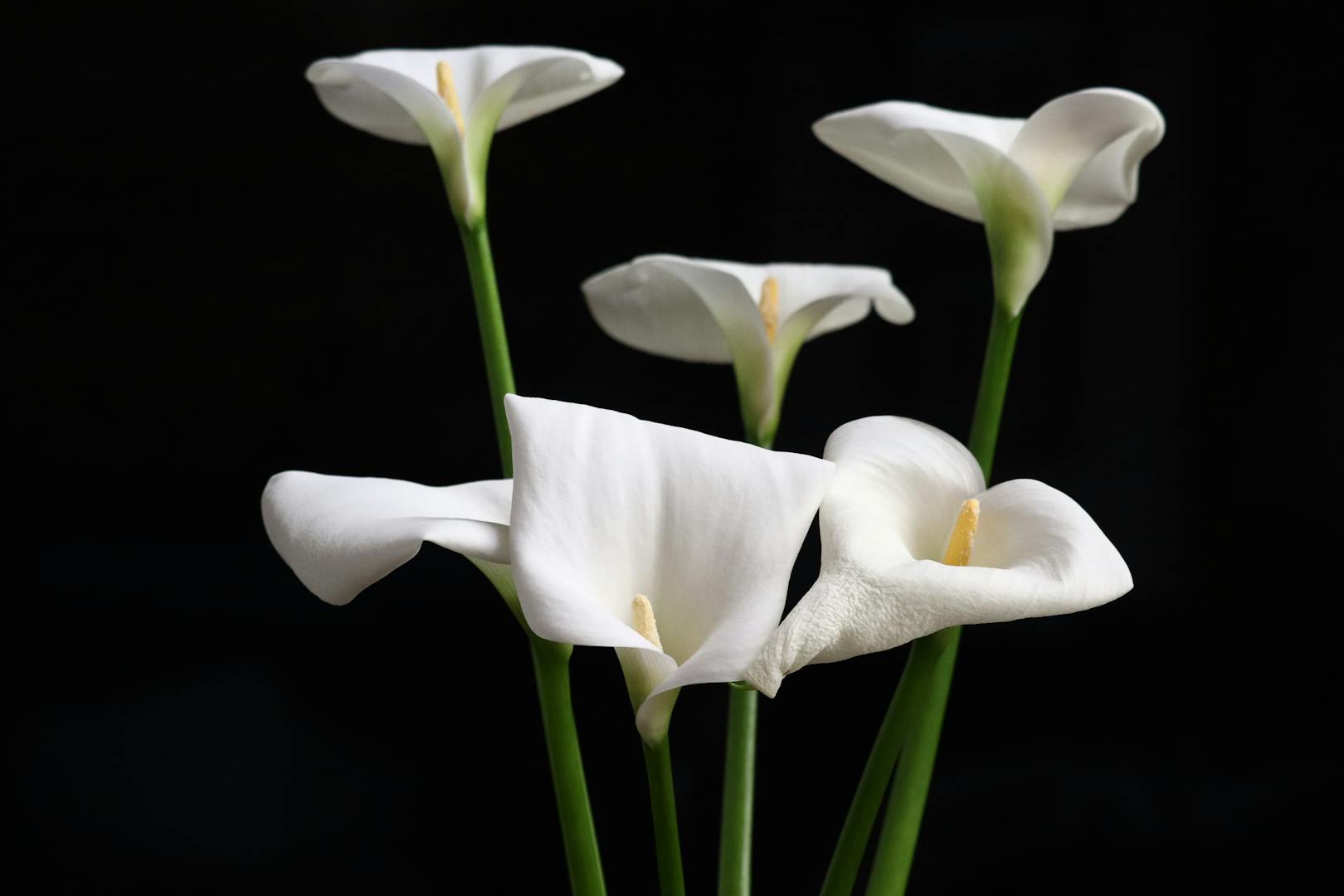
Calla lily and hydrangea fields tucked into a small valley between Yangmingshan’s peaks. Mid-altitude (700m). Calla lily picking from March-May; hydrangeas June-August. Multiple farms offer paid picking sessions for NT$100-200 per visit; you take home a bouquet. The valley also has several cafes and restaurants for lunch with views. Very photogenic.
Erziping (二子坪)
Accessible 1.8km flat trail along a former water source. Stroller-friendly. The trail passes through diverse forest with several pools and viewing platforms. Excellent option for families and visitors who do not want a strenuous climb. 60-90 minutes round trip.
Seasonal Flowers in Yangmingshan
One of the park’s signature features is its rotating flower display. Each season has its highlight:
Cherry Blossoms (February-March)
Native Taiwan cherry from late January, Yoshino cherry in February-March. Concentrations at the Yangmingshan Flower Clock, Pingdeng Village, and around the visitor center. See our cherry blossoms Taipei guide for full details.
Calla Lilies (March-May)
The Zhuzihu valley becomes a sea of white calla lilies. Picking farms charge NT$100-200 per visit and let you take a bouquet home. Peak bloom is late March to mid-April. Combine with hydrangeas if visiting late in the season.
Azaleas and Rhododendrons (March-April)
Scattered throughout the park, particularly along the Qixingshan trail. Bright pink and orange blooms.
Hydrangeas (May-July)
Blue and pink hydrangea fields at Zhuzihu valley. Peak bloom June. The blue-against-grey-rock photos are excellent.
Lilies and Sunflowers (June-August)
Smaller plantings at the Yangmingshan Flower Clock and surrounding fields. Summer color when other flowers have faded.
Silver Grass (October-December)
Vast meadows turn pale gold-white. Best at Qingtiangang and Datunshan summits. Spectacular at sunset.
Plum Blossoms (December-January)
Less famous than cherry blossoms but the plum trees bloom 2-3 weeks earlier, white-pink against a cool winter landscape. Mature plum trees near Yangmingshan Chung-Shan Hall.
Hot Springs Inside Yangmingshan
Yangmingshan has multiple natural hot springs – distinct from the more developed Beitou district below:
Lengshuikeng public foot bath: Free outdoor foot bath using the milky white sulfur spring water at 40°C. Open all day. Bring a towel.
Yangmingshan Tienlai Resort and Spa: Premium hot spring resort within the park. Day-use packages NT$1,200-2,500 per person; overnight stays NT$5,000-12,000+. Both indoor and outdoor pools with panoramic mountain views.
Lalashan Hot Spring (smaller): Less developed natural pools further from the visitor center. Reach via taxi or driving.
Most Yangmingshan visitors do not soak inside the park itself – they hike here in the morning and head down to Beitou for hot springs in the afternoon. The combination of mountain hiking and hot spring soaking is the classic local-favorite full day.
What to Bring to Yangmingshan
Layers of clothing: Temperatures can vary 10-15 °C between the city and the peaks. A light sweater plus a windproof jacket covers most conditions. Add a fleece in winter.
Sturdy walking shoes: Many trails are stone-step paved but some are dirt and rocky. Sneakers are usually OK; hiking boots are better for Qixingshan or longer trails.
Rain protection: Yangmingshan is wetter than the city below. Compact umbrella or light rain jacket year-round.
Water and snacks: Limited food at trailheads. Stock up at convenience stores before leaving central Taipei, or grab a meal at the visitor center.
Cash: Most park amenities are cash only. NT$500-1,000 in small bills sufficient for most days.
Sunscreen and hat: Even on cooler days, UV at altitude is strong.
Camera: Phone is fine; bring extra battery for long days. Photography here rewards good gear.
Towel: If you plan to use the Lengshuikeng foot bath.
Best Times to Visit Yangmingshan
The park is year-round but each season offers a different experience:
Spring (February-May): Cherry blossom peak, calla lily peak, mild weather (15-22 °C), some fog. Most popular season – book early for weekend hotels nearby.
Summer (June-August): Hot but cooler than the city below. Hydrangeas, lush green forests, frequent afternoon rain. Avoid days with typhoon warnings.
Autumn (September-November): Best balance – mild weather, clear days, autumn foliage, fewer crowds. Highly recommended for first-time visitors.
Winter (December-February): Cold by Taipei standards (8-15 °C at the peaks). Silver grass, plum blossoms, sometimes light snow at the highest peaks. Hot springs feel best in this season.
Best day: A clear weekday morning in October or November. Light crowds, good visibility, comfortable hiking weather.
Worst day: A peak weekend during cherry blossom festival in early March. Bus lines, crowded trails, packed restaurants.
Full-Day Yangmingshan National Park Itinerary
If you want to do Yangmingshan properly in a single day:
8am: MRT to Jiantan Station. Bus R5 (紅5) to the Yangmingshan bus terminal (30-50 min, depending on traffic).
9am: Arrive at the visitor center. Use restrooms, grab snacks. Check trail conditions board for any closures.
9:30am: Take the 108 shuttle bus to Lengshuikeng (15 min).
10am: Start Qixingshan hike from Lengshuikeng trailhead. Allow 2.5-3 hours up and back.
1pm: Lunch back at Lengshuikeng food stalls or visitor center cafe.
2pm: Shuttle to Xiaoyoukeng – 15-minute boardwalk visit to the fumarole field.
3pm: Shuttle to Zhuzihu valley for seasonal flower viewing (calla lilies, hydrangeas, or cherry blossoms depending on month). Pick a bouquet if in season.
4:30pm: Free Lengshuikeng foot bath to relax tired feet.
5pm: Shuttle back to the bus terminal, then Bus R5 down to Jiantan MRT (or the 260 towards Taipei Main Station).
6pm: Optional Beitou hot spring stop on the way back (Xinbeitou MRT – 30 min from city center).
Total cost: NT$200-400 in transport, NT$200-500 in food, NT$0-500 in flower picking. Hugely rewarding day for under NT$1,500 per person.
Combining Yangmingshan With Other Taipei Activities
Yangmingshan + Beitou hot springs: The classic combination. Morning hike, afternoon soak. Easy bus connection.
Yangmingshan + Shilin Night Market: Both reachable from Jiantan MRT. Hike all day, descend to Shilin for dinner.
Yangmingshan + Tianmu shopping: Tianmu (the international expat district) is at the southern base of Yangmingshan. Combine afternoon shopping with morning hiking.
Yangmingshan + cherry blossoms: February-March – dedicate a full day to the park during cherry blossom peak.
Yangmingshan + photography day: Photographers can spend a full day on the peaks plus thermal areas. Sunrise at Datunshan summit (4-5am wake), Qixingshan day hike, sunset at Qingtiangang or Datunshan.
Tips for First-Time Visitors
Check the weather first. Yangmingshan can be socked in clouds when central Taipei is sunny. The Yangmingshan weather webcam (search Yangmingshan visitor center webcam) shows real-time conditions.
Start early. Clouds and fog often build by midday. Morning hikes have the best visibility.
Use the visitor center as your hub. Modern facility with English staff, free maps, free restrooms, and a small cafe. Plan your routes from here.
Hydrate early. Altitude (relatively mild) plus dry air plus exercise dehydrates faster than you expect. Drink before climbing.
Be respectful of plants. Do not pick or trample protected flowers. Calla lily and hydrangea picking is only allowed at paid farms in Zhuzihu.
Wildlife. Macaque monkeys live in the park. Do not feed them; secure your food in zipped bags. They are not dangerous unless approached.
Public transport over driving. Driving up is fine on weekdays; on weekends during peak seasons, traffic jams the access roads. Buses get priority lane access.
Where to Eat at Yangmingshan
Visitor center cafe: Simple coffee, sandwiches, instant noodles. Convenient.
Lengshuikeng food stalls: Beef noodle soup, dumplings, hot food. Local-favorite.
Zhuzihu valley restaurants: Multiple farmhouse restaurants serving set meals (NT$400-700 per person) with views over the calla lily fields.
Tienlai Resort restaurant: Upmarket dining inside the hot spring resort. Set lunch NT$1,500-2,500.
Picnic options: Bring food from a 7-Eleven or FamilyMart in the city. Many trails have benches and rest areas.
Dress for the mountain, not the city. Yangmingshan runs five to eight degrees cooler than Taipei with wind and fast-moving fog, and Qingtiangang in particular can turn from warm sunshine to zero visibility inside twenty minutes. Our Taipei packing list covers what to add to a day bag before you get on the bus.
The mountain’s western slopes come down into Beitou, Taipei’s hot spring district, where the walk up the valley from Xinbeitou station passes the Hot Spring Museum, the green library and the steaming lake of Thermal Valley. It is the natural place to end a day on Yangmingshan with a soak; see our Beitou district guide.
Yangmingshan is the biggest of Taipei’s outdoor playgrounds, but not the only one. For the city ridges you can reach by MRT, the waterfall trails along the Pingxi Line, the coastal walks above Jiufen and Jinguashi, and advice on heat, typhoons and trail safety, see our guide to hiking in Taipei.
Related Taipei guides
- Things to Do in Taipei: 45+ Must-See Attractions & Experiences
- Taipei 101 Observatory: Tickets, Tips & What to Expect
- National Palace Museum Taipei: Must-See Artifacts & Guide
- Longshan Temple Taipei: History, Etiquette & Tips
- Elephant Mountain Hike: Best Sunset in Taipei
- Maokong Gondola: Tea Plantations & Scenic Views
Frequently Asked Questions
How do I get to Yangmingshan National Park from Taipei?
The main route is Bus R5 (紅5) from Jiantan MRT Station (Red Line), which runs very frequently to the Yangmingshan bus terminal and takes roughly 30-50 minutes depending on traffic; tap your EasyCard. Bus 260 runs to the same terminal from the Taipei Main Station area. Alternative buses include S15 from Beitou and 1717 from Taipei Main Station during peak seasons.
Is Yangmingshan National Park free?
Yes – entry to the park itself is free. You pay only for transport (bus and shuttle), food, hot spring access, and optional flower picking. The free attractions inside the park (Lengshuikeng foot bath, Xiaoyoukeng fumaroles, all hiking trails) make it one of the most accessible national parks in Asia.
What is the highest peak in Yangmingshan?
Qixingshan (Seven Star Mountain) at 1,120 metres, also the highest point in Taipei City. The main hiking route from Lengshuikeng takes 2.5-3 hours round trip with about 500 metres of elevation gain.
When is the best time to visit Yangmingshan?
Spring (February-May) for cherry blossoms, calla lilies, and azaleas. Autumn (September-November) for clear weather and silver grass. Winter for hot springs. Summer (June-August) is hot and rainy but offers hydrangeas at Zhuzihu valley.
Can I see calla lilies at Yangmingshan?
Yes. The Zhuzihu valley grows extensive calla lily fields with peak bloom from late March to mid-April. Several farms offer paid flower picking (NT$100-200 per visit) where you take home a bouquet. Hydrangea picking continues into summer.
How long should I plan for a Yangmingshan visit?
Half-day minimum (visitor center + Lengshuikeng + one trail), full-day for the classic experience (multiple trails + flower viewing + Lengshuikeng foot bath). Add another half-day if combining with Beitou hot springs.
Are there hot springs inside Yangmingshan?
Yes. Lengshuikeng has a free public foot bath using the milky white sulfur spring at 40°C. The Tienlai Resort and Spa offers full hot spring facilities (day-use NT$1,200-2,500). Most visitors combine Yangmingshan with Beitou hot springs below the park for the full experience.
Is Yangmingshan stroller-friendly?
Partially. The Erziping flat trail and the Lengshuikeng visitor center area are stroller-friendly. The main hiking trails (Qixingshan, Datunshan) are not. Zhuzihu valley has paved sections but uneven terrain elsewhere. Plan with a baby carrier as backup.
What should I wear to Yangmingshan?
Comfortable walking shoes (sneakers OK for most trails, hiking boots better for Qixingshan), layers (sweater plus windproof jacket), a hat for sun, and rain protection. Temperatures at the peaks are 5-10 °C cooler than central Taipei.
Are there food options in Yangmingshan?
Yes – the visitor center has a cafe, Lengshuikeng has food stalls and a small restaurant, and Zhuzihu valley has multiple farmhouse restaurants. Tienlai Resort has upscale dining. Bringing snacks and water is recommended; meal options are limited and prices slightly higher than the city.
The Bottom Line
Yangmingshan National Park is one of the best half-day or full-day side trips available from any Asian capital city. Volcanic peaks, hot springs, seasonal flower displays, and 100+ kilometres of trails – all 30 minutes by city bus from downtown Taipei. Time your visit around cherry blossoms in February, calla lilies in April, or silver grass in autumn for the most photogenic conditions. Combine with Beitou hot springs below the park for the classic mountain-and-soak local-favorite day. Bring layers, sturdy shoes, and a small budget for transport and food, and you have a NT$1,500-per-person experience that rivals anything in Asia’s more expensive national parks.