This article contains advertising. Our booking links are routed through a partner that adds commission tracking automatically, so if you book through one we earn a commission from the provider, at no extra cost to you. It never affects what we recommend. Affiliate disclosure
Taiwan is 394 kilometres long. You can cross it end to end in an afternoon, which is why so many people never leave the capital: if everywhere is close, nowhere feels urgent. But the country changes character faster than almost any island its size — an hour and a half south of Taipei’s rain and neon you are in a Dutch colonial port city eating oyster omelettes in thirty-degree sun, and three hours east you are on a coast road with the Pacific on one side and a 1,000-metre cliff on the other. Planning taiwan beyond taipei is less about distance than about deciding which of several quite different countries you want.
This is the hub for everything outside the capital: how the transport actually works, what each region is for, honest itineraries at four, seven, ten and fourteen days, and the places that are genuinely worth the journey against the ones that are four hours on a train for a photograph. Everything was checked in September 2026 — treat prices as the right order of magnitude, and check anything time-sensitive before you travel, because one of the biggest destinations on this island is still recovering from an earthquake.
The one thing to understand first: the island is a ring
Taiwan’s geography is simple once you see it. A spine of mountains — 268 peaks over 3,000 metres, which is extraordinary for somewhere this size — runs down the middle, slightly east of centre. Everything west of it is flat, densely populated, industrial and fast to travel through. Everything east of it is a narrow strip between mountain and ocean, thinly populated, slow, and the most beautiful part of the country.
That single fact determines your whole trip:
| West coast | East coast | |
|---|---|---|
| Cities | Taichung, Chiayi, Tainan, Kaohsiung | Yilan, Hualien, Taitung |
| Transport | High Speed Rail — fast, frequent, easy | Conventional rail only, slower, books out |
| Taipei to the far end | 1 h 40 to Kaohsiung | 3 h+ to Taitung |
| What it is for | Cities, food, history, temples, night markets | Landscape, coast, cycling, Indigenous culture |
| Population density | Very high | Low |
| Difficulty | Effortless | Needs planning and advance tickets |
The classic Taiwan trip goes down one side and up the other. The classic Taiwan mistake is trying to do both in five days.
Getting around: what to book and what to ignore
High Speed Rail — the west coast in a straight line
The Taiwan High Speed Rail runs the length of the western plain from Taipei to Zuoying in Kaohsiung, calling at Banqiao, Taoyuan, Hsinchu, Miaoli, Taichung, Changhua, Yunlin, Chiayi and Tainan. Taipei to Taichung is under an hour with three or more departures an hour; Taipei to Kaohsiung is about 1 hour 40, which remains faintly absurd for the length of the country.
The single most important fact on this page: the HSR does not go to Hualien, Taitung or anywhere on the east coast. The line is west coast only. A remarkable number of travel articles imply otherwise, and it is the mistake that ruins itineraries. For the east you use conventional rail, a bus, or a flight.
Two more HSR realities. Several stations — Taichung, Chiayi, Tainan, Hsinchu — are well outside the city centres and require a connecting shuttle or local train of fifteen to thirty minutes, so build that in. And the foreign-passport THSR Pass (a 3-day flexible or consecutive-day version) can be excellent value if you are making several long hops, and poor value if you are making one. Do the arithmetic on the operator’s own site before buying.
Conventional rail — everything else
Taiwan Railways runs the full loop around the island, including the east coast that the HSR does not reach, and it is where the country’s best train journeys are. Express services (Tze-Chiang) do Taipei to Hualien in around two hours and Taipei to Taitung in three and a half to four. Local trains stop everywhere and cost very little.
Book ahead. This is the recurring complaint in every account of travelling Taiwan and it is not exaggerated. East coast express seats on Fridays, Sundays, long weekends and any national holiday genuinely sell out weeks in advance. Reserved seats open 28 days ahead. Standing tickets exist and are miserable for three hours.
Buses
Intercity coaches are cheap, comfortable, frequent and hugely underrated. Taipei to Taichung or Kaohsiung by bus costs a fraction of the HSR and takes two to three times as long, which for an overnight service is a feature rather than a bug. For the north-east — Taipei to Jiaoxi and Yilan through the Xueshan Tunnel — the bus is faster than the train and runs constantly.
Domestic flights
Only worth it for one route and two islands. Songshan Airport to Hualien is about fifty minutes and roughly US$56, with limited frequency, and it is worth considering when the trains are full. Flights to Penghu, Kinmen and Matsu are the only sensible way to reach the outlying islands.
Driving and scooters
Renting a car makes sense in exactly two places: the east coast, where public transport between the sights is thin, and the high mountain roads. Everywhere else it is a liability — city parking is scarce and expensive and the traffic is intense. You need an International Driving Permit alongside your home licence; see our car rental guide. Scooter rental is the local default in places like Hualien and Kenting, and requires a licence category most visitors do not have, whatever a rental shop tells you.
The regions, and what each one is actually for
Taichung — the easy first stop
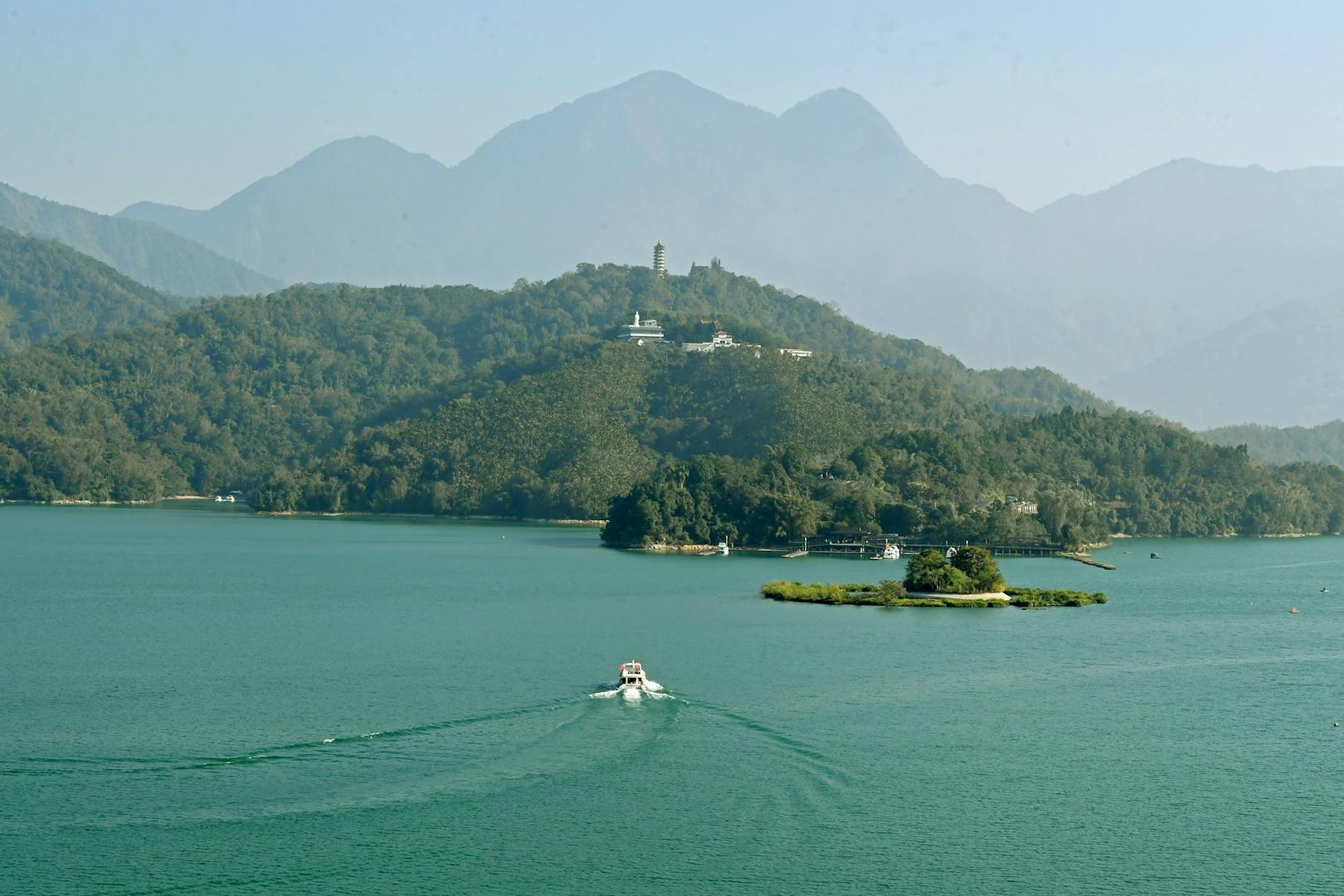
Under an hour from Taipei and consequently the softest possible landing. Taiwan’s second city is flat, spacious, warmer and dryer than the capital, and it is where the country’s café and dessert culture is at its most inventive — this is where bubble tea was invented, depending on which of two competing claims you believe.
What it is for: the Rainbow Village, the National Taichung Theater, Fengjia Night Market (the largest in Taiwan), and above all as the gateway to Sun Moon Lake and the mountains of Nantou. Two nights is right, and the high speed rail makes it the least demanding hop in the country. Our guide to Sun Moon Lake from Taipei covers the lake itself, which is the real prize.
Tainan — the one everyone underestimates
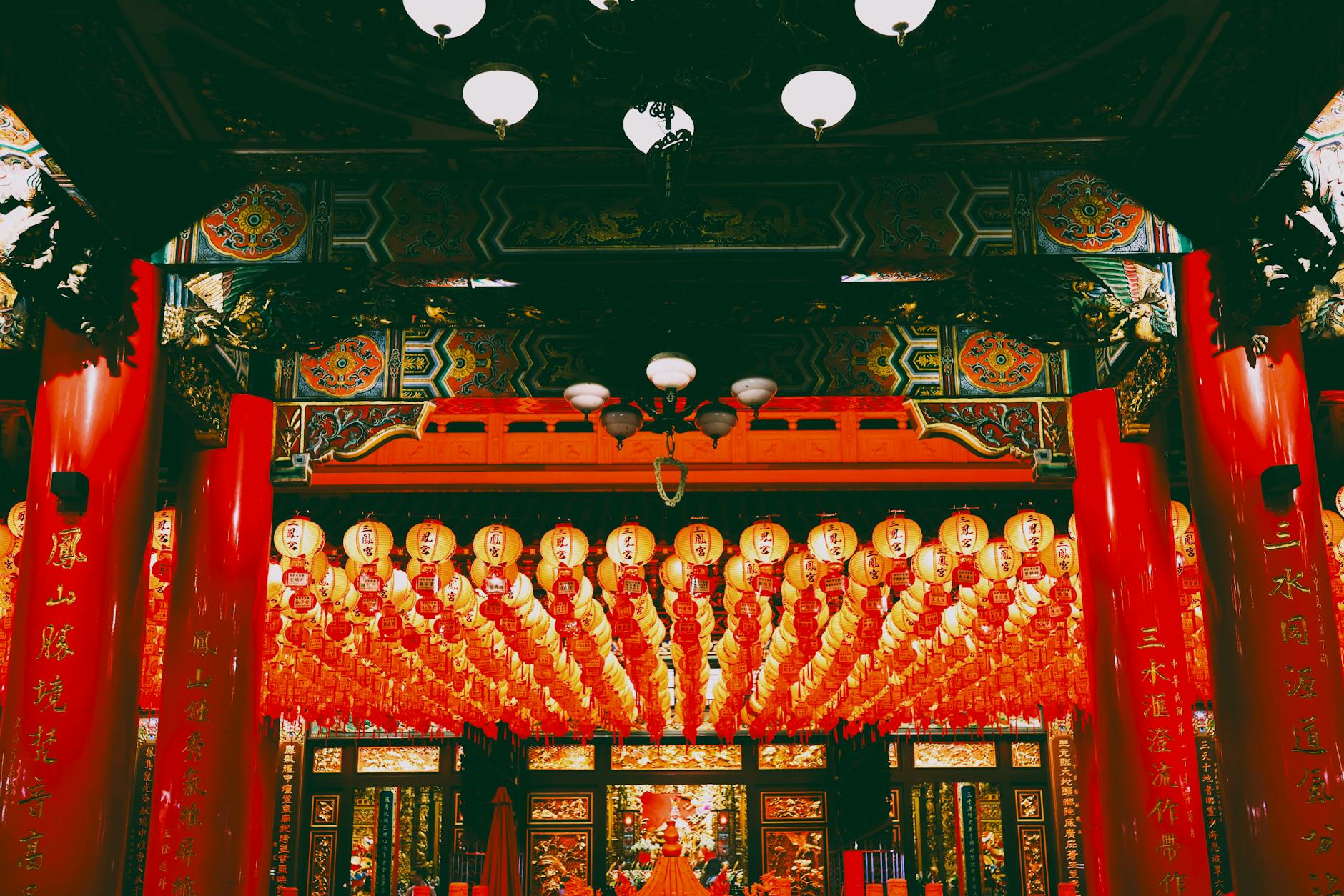
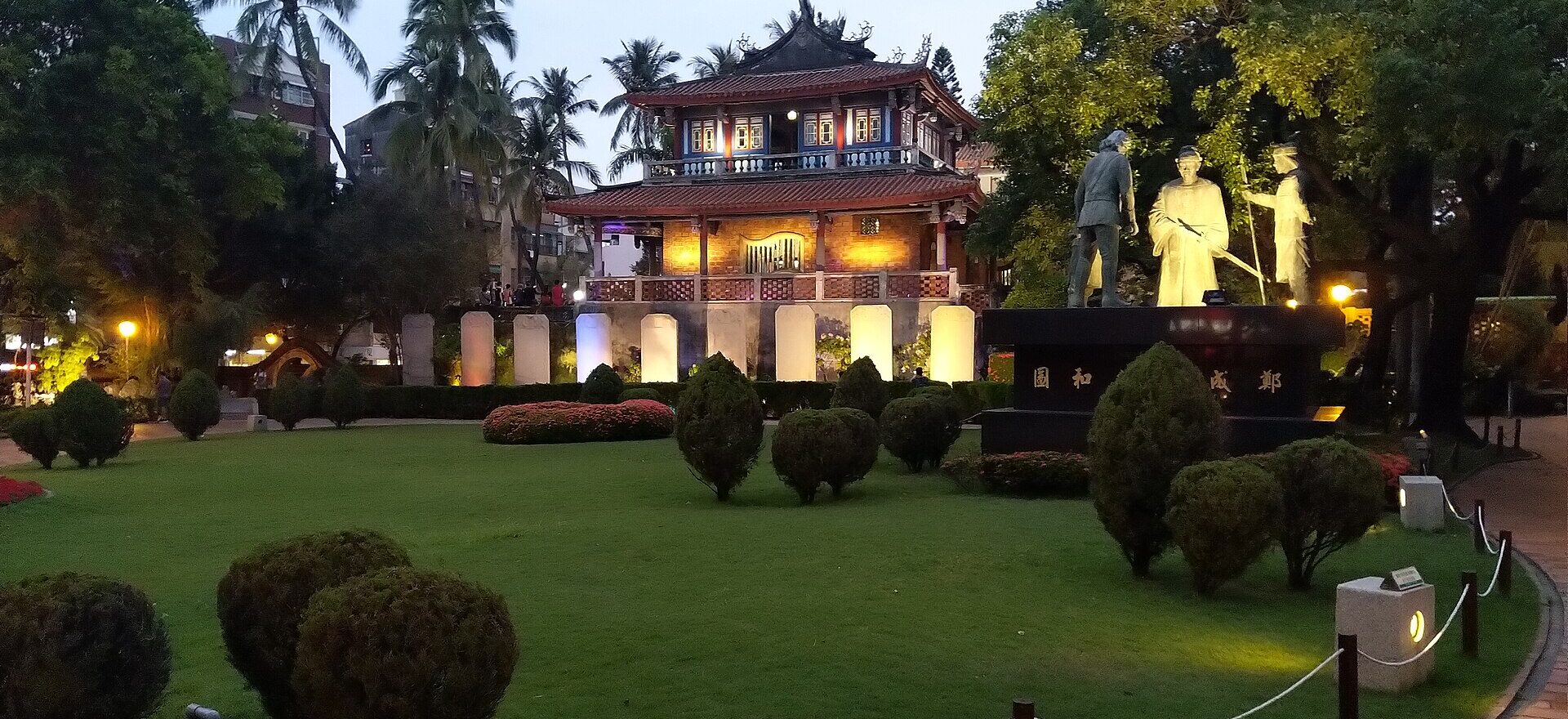
If you have four days and can only leave Taipei once, come here. Tainan was Taiwan’s capital from the seventeenth century until 1885, it is the oldest city on the island, and it has more historic temples than anywhere else in the country by a wide margin — over a thousand.
It is also, by consensus among Taiwanese people, where the best food is. Tainan cuisine is its own tradition: danzai noodles, milkfish soup for breakfast, coffin bread, shrimp rolls, and a sweetness that runs through everything and startles first-timers. The city is walkable, low-rise, hot, and full of small alleys with a two-hundred-year-old temple at the end of them.
Two nights minimum; three is better.
Kaohsiung — the port city
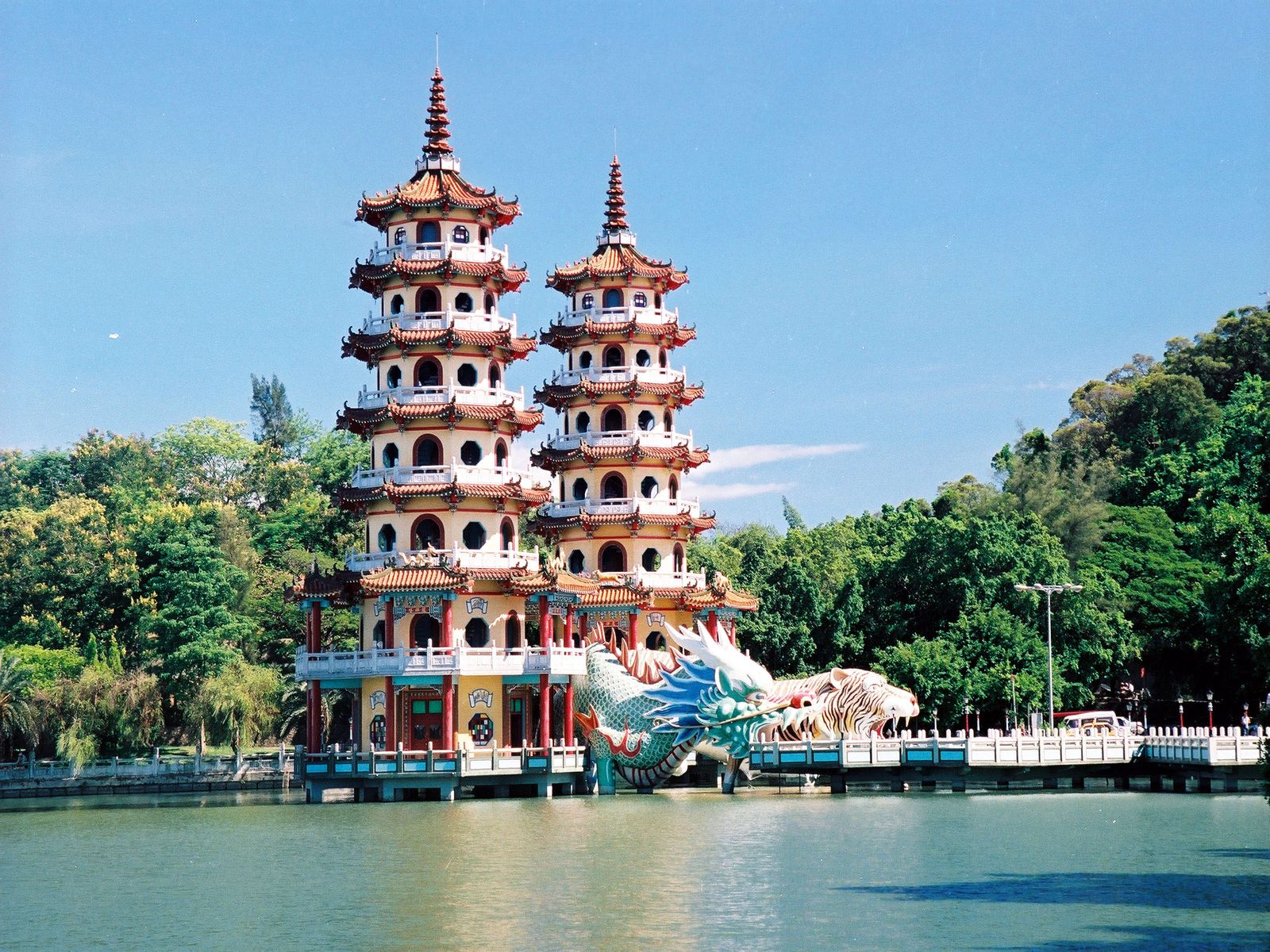
Taiwan’s biggest harbour and second-largest metropolitan area, and a completely different mood from Taipei: wide boulevards, palm trees, an unhurried subtropical pace, and a waterfront that has been comprehensively remade over the past two decades. The Pier-2 Art Center, the Dome of Light at Formosa Boulevard station, Cijin Island by ferry, Lotus Pond and its temples, and the night markets — Liuhe and Ruifeng — are the core.
It is also the launchpad for Kenting at the island’s southern tip, and the terminus of the HSR, so it slots naturally into the end of a southbound trip. Two nights, and take the high speed rail rather than flying.
Hualien and the east coast — the reason to come
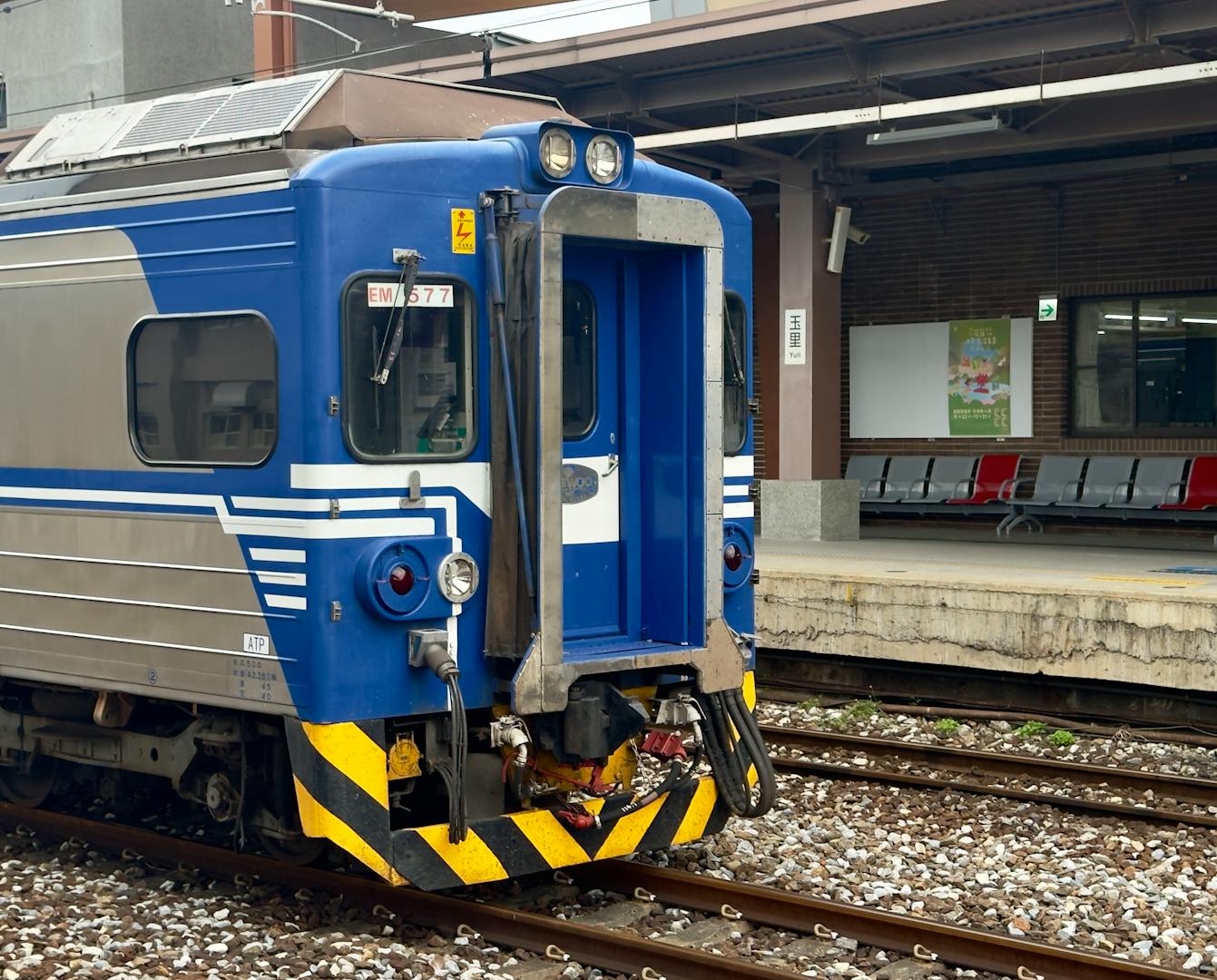
The east is where Taiwan stops being a dense subtropical island and becomes something closer to a Pacific frontier. Two or three hours from Taipei by train and the population thins to almost nothing, the mountains come down to the sea, and the light changes.
An important, unwelcome caveat. Taroko Gorge — the marble canyon that was the east coast’s headline attraction — was severely damaged by the magnitude 7.4 earthquake of 3 April 2024 and by typhoons since. As of September 2026 the park is open but heavily restricted: the visitor centre and the Tianxiang trails are open, Lushui Recreation Area partially reopened in February 2026, but the Swallow Grotto and Eternal Spring roads are blocked, the Tunnel of Nine Turns is closed, and the Zhuilu Old Road is closed indefinitely and may never reopen. The through-road to Hehuanshan runs on a convoy system a handful of times a day for private vehicles. Full recovery is estimated at up to another decade. Check the current status before you plan a day around it, and do not book a trip to Hualien solely for Taroko.
The good news is that the east coast was never only Taroko. The Huatung Valley — the rift valley between the two mountain ranges, running from Hualien down to Taitung — is farmland, hot springs, paragliding at Luye and some of the best cycling in Asia. The coastal Highway 11 is one of the great drives. Taitung is the base for whale watching, the Amis and Puyuma Indigenous cultures, and the ferry to Green Island and Orchid Island. Getting there means a Taiwan Railways express, a bus or a short flight from Songshan — never the high speed rail.
Yilan and Jiaoxi — the close one
Just through the Xueshan Tunnel, under an hour from Taipei by bus, and the easiest escape on this list. Jiaoxi is a hot spring town with free public foot baths in the middle of it, clear odourless sodium bicarbonate water, and Jimmy Liao’s picture-book sculptures scattered around the park. Yilan County beyond it has the National Center for Traditional Arts, the Kavalan whisky distillery, and a coastline that leads to Turtle Island.
It is a comfortable overnight rather than a base for a week, and it is best from October to March when a hot spring is a pleasure rather than an ordeal.
Alishan and the high mountains
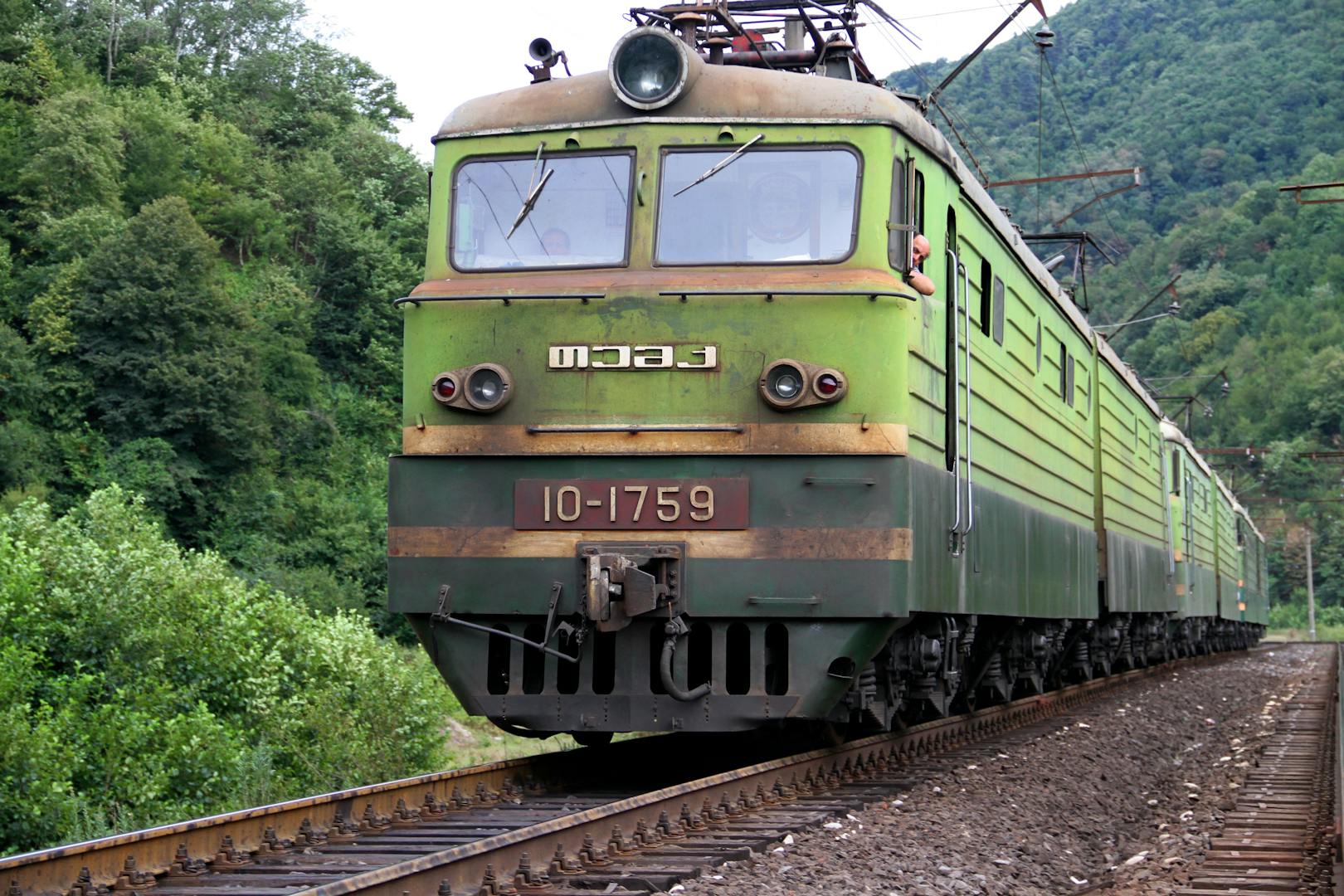
The mountain forest recreation area above Chiayi, reached by a narrow-gauge railway built by the Japanese to bring cypress down the hillside. The full main line from Chiayi to Alishan reopened in July 2024 after fifteen years of closure, which is genuinely good news and not yet reflected in a lot of older guidebooks.
What people come for is the sunrise above a sea of cloud, the ancient cypress groves, and the tea. What people get, if they plan badly, is a five-hour journey for a wet grey morning. Alishan needs an overnight stay in the recreation area to see the sunrise, and it needs luck with the weather. Our Alishan from Taipei guide is honest about both.
Kenting and the south
The southern tip: a national park, coral coastline, proper beaches, and Taiwan’s only genuinely tropical climate. Reached via Kaohsiung, and roughly two hours further by bus. It is the country’s summer holiday destination, which means it is busy in July and August, quiet and lovely in shoulder season, and windy from October to March when the north-east monsoon funnels down the island.
Worth it if you want beach days. Not worth a long detour if you are coming from a country with better beaches, which is most of them.
The outlying islands
Penghu — an archipelago in the Taiwan Strait, basalt columns, empty beaches, coral-stone houses and serious wind. Best May to September; the winter is genuinely inhospitable. Green Island and Orchid Island, off Taitung, are for diving, hot springs and Tao Indigenous culture respectively, and both need commitment and settled weather. Kinmen and Matsu sit just off the Chinese coast and are military history and Fujianese architecture rather than beach holidays.
All of these are additions to a second trip rather than a first one.
How long do you need?
The honest answer for a first visit is that Taipei plus one region done properly beats four regions done badly, every time. Here is how the arithmetic works out.
Four days beyond Taipei
Pick one. Tainan and Kaohsiung together as a southern pair — HSR down, two nights in Tainan, two in Kaohsiung, HSR back. Or Hualien and the Huatung Valley as a single east coast run. Do not attempt both coasts.
Seven days beyond Taipei
The southern loop with room to breathe: Taichung and Sun Moon Lake (2 nights), Chiayi and Alishan (2 nights), Tainan (2 nights), Kaohsiung (1 night), HSR home in 100 minutes. All on the fast line, all easy, no advance-booking anxiety.
Ten days
Now the full circuit becomes possible, and this is the sweet spot. Down the west coast by HSR, across the south, and back up the east coast by train. Down the west coast by high speed rail with stops at Taichung, Chiayi, Tainan and Kaohsiung, across the south, then back up the east coast through Taitung and Hualien by conventional train.
Fourteen days
The same circuit, plus either the outlying islands or — much better — enough slack to stay put when somewhere turns out to be good. Two weeks in Taiwan is the length at which you stop travelling and start being somewhere.
When to go
| Season | North (Taipei, Yilan) | South (Tainan, Kaohsiung, Kenting) | East (Hualien, Taitung) |
|---|---|---|---|
| Mar–May | Warming, plum rain May–June | Excellent | Excellent |
| Jun–Aug | Hot, humid, typhoon season | Very hot, afternoon storms | Hot; typhoons land here first |
| Sep–Nov | The best months | Excellent | Excellent from October |
| Dec–Feb | Cool, grey, persistently wet | Warm, dry, the best time to be here | Cool and clear |
The pattern that matters: winter reverses the country. Taipei in January is a damp, grey, 15-degree city, while Tainan and Kaohsiung are 22 degrees and sunny. If you are visiting between December and February, weight your itinerary heavily to the south — it is the single most effective trip-planning decision on this page. Our guides to the best time to visit and typhoon season cover the capital’s own weather, and the Central Weather Administration’s forecasts are the source to trust once you are here.
Avoid Lunar New Year for travel — the whole country moves at once, tickets vanish, and prices double. Long weekends and Tomb Sweeping Day have the same effect in miniature.
What it costs
Taiwan outside Taipei is meaningfully cheaper than Taipei, which is already inexpensive by developed-country standards. Rough daily figures, per person, checked September 2026:
| Budget | Mid-range | Comfortable | |
|---|---|---|---|
| Accommodation | NT$600–1,200 (hostel/guesthouse) | NT$2,000–3,500 | NT$5,000+ |
| Food | NT$400–600 | NT$800–1,200 | NT$2,000+ |
| Local transport | NT$100–200 | NT$300 | Taxis as needed |
| Intercity (per long hop) | Bus, NT$300–500 | HSR, NT$700–1,500 | HSR business class |
The two things that will surprise you: food is extraordinarily good value everywhere on this island, and the HSR is the single largest discretionary cost of a Taiwan trip. If you are travelling on a budget, take the bus overnight and spend the difference on food. Our what a trip costs guide covers the capital in detail, and money in Taipei covers cards, cash and ATMs — all of which work the same way island-wide.
Practical things that change once you leave Taipei
- English thins out fast. Taipei is bilingual; Tainan and Hualien are noticeably less so, and rural areas much less. A translation app moves from useful to essential. Our Mandarin phrases guide earns its keep here.
- Your EasyCard still works on the Kaohsiung and Taichung metros, on Taiwan Railways, on most city buses and in convenience stores nationwide. Keep it topped up. See our EasyCard guide.
- Mobile coverage is excellent in the west and patchy in the mountains and on the east coast, which is the practical argument for Chunghwa Telecom over the cheaper carriers — see SIM cards and eSIMs.
- Convenience stores are as ubiquitous outside Taipei as inside it, and become genuinely important in small towns where they may be the only thing open. Our convenience store guide explains what else they do.
- Accommodation books out at weekends in a way it does not in Taipei, particularly in Hualien, Kenting and around Sun Moon Lake. Taiwanese domestic tourism is the dominant force in these places.
- The etiquette is the same everywhere — see our guide to Taiwan etiquette. So is the tap water situation; see drinking the tap water, with the caveat that outside Taipei the supply is Taiwan Water Corporation’s rather than the capital’s enhanced standard.
Day trip or overnight? The line we draw
This is the question that decides whether you enjoy Taiwan or spend it on trains. Our rule:
- Under 90 minutes each way: day trip. Jiufen, Pingxi, Yehliu, Tamsui, Wulai, Keelung, Jiaoxi, and Taichung at a push. All covered in our day trips from Taipei guide.
- Ninety minutes to three hours: overnight, minimum. Tainan, Kaohsiung, Hualien, Alishan, Sun Moon Lake. Technically day-trippable; genuinely not worth it.
- Over three hours: two nights or don’t go. Taitung, Kenting, the outlying islands.
The specific traps: Alishan as a day trip — you will spend ten hours travelling to miss the sunrise, which is the only reason to go. Taroko as a day trip from Taipei — an even longer day now that the gorge is restricted. And Kaohsiung as a day trip, which is technically possible in 100 minutes each way and means seeing a large, slow, warm city at a sprint.
The honest verdict: what is worth it, and what is not
Genuinely worth the journey: Tainan, for the food and the temples and because it is the most distinctive place in the country. The east coast between Hualien and Taitung, for the landscape. Sun Moon Lake, if you stay a night and cycle the shore. Alishan, if you commit to the overnight and accept the weather gamble. Kaohsiung, for a completely different Taiwanese urbanism.
Overrated for most visitors: Kenting, unless you specifically want a beach holiday — the coastline is good rather than remarkable, and it is a long way. Taichung’s city attractions, which are pleasant but rarely the reason people remember Taichung. The Rainbow Village, which is one small painted settlement that photographs far better than it visits.
Handle with care: Taroko Gorge, for the reasons above. Green Island and Orchid Island, which are magnificent and can be cut off by weather for days. Any mountain destination in typhoon season.
The thing most people regret: not staying longer in one place. Taiwan’s small size makes constant movement feel free, and it is not — every hop costs a morning, a check-in, an orientation and a meal you ate at a station. The best Taiwan trips have fewer stops than their owners planned.
Ten days is where all of this comes together, because it is the length at which the full island loop stops being a forced march. Down the west coast by high speed rail through Taichung, Sun Moon Lake, Alishan and Tainan, across the south at Kaohsiung, and back up the east through the Huatung Valley by conventional train. Our 10-day Taiwan itinerary lays it out day by day, with real journey times, what to book the moment reservations open, and a gentler four-base version we would take ourselves.
Taichung is the softest possible landing outside the capital — fifty minutes on the high speed rail, or two and a bit hours on a TRA express for half the fare, with the one catch that the fast train stops out at Wuri rather than in the city. Our guide to Taipei to Taichung compares all four routes with 2026 fares, sets out one good day hour by hour, and gives the honest verdict on Rainbow Village.
If the argument above persuades you of only one thing, make it this one: go to Tainan. An hour and three quarters on the high speed rail plus a twenty-minute local train from Shalun, and you are in a city that was Taiwan’s capital for two centuries, has more than a thousand historic temples, and is where Taiwanese people agree without argument that the best food is. Our guide to Taipei to Tainan covers the fares, the station catch and two days done properly.
Kaohsiung is the easiest long hop on the island and the one that most rewards ignoring the clock: ninety-four minutes on the fastest high speed rail expresses, then fifteen on the metro from Zuoying, and you are in a warm, flat port city with a waterfront built for evenings. Our guide to Taipei to Kaohsiung has the fares, the Zuoying connection, a two-day plan and a straight answer on whether to pick it or Tainan.
The east coast has one planning trap and it is worth repeating in bold: there is no high speed rail to Hualien, and a surprising number of travel articles imply there is. What you want is a Puyuma or Taroko express — 170 kilometres in about two hours for NT$583 — booked the day reservations open, four weeks out, because these seats genuinely sell out. Our guide to Taipei to Hualien covers the alternatives when they have, and what the east coast is for now that the gorge is restricted.
The easiest step beyond the capital is also the one people most often underestimate. Yilan is an hour from Taipei through the Hsuehshan Tunnel, or a little longer on the train round the north-east coast, and it holds more than a weekend can use — Turtle Island, the surf at Wai’ao, the hot spring hotels of Jiaoxi and the night market in Luodong. Our guide to Yilan from Taipei sorts the county into corners you can actually see in a day, and explains why the Sunday bus home is the one thing to avoid.
If you are still deciding how to move between regions, start with the fundamentals: the high speed rail covers the west coast and nothing else, Taiwan Railways goes everywhere including the east, and the coaches undercut both. Our Taiwan train travel guide compares all three route by route, with the fares after Taiwan Railways’ June 2025 rise and the 28-day booking window that decides whether you get an east coast seat.
The east coast is the one region where hiring a car is the right call rather than an indulgence: Highway 11 along the Pacific and Highway 9 up the rift valley make a natural loop between Hualien and Taitung, and the best stops on both sit between the stations. Our Taiwan east coast road trip guide sets out a five-day loop, what it costs, and why it should start with a train to Hualien rather than a drive down the Suhua Highway.
Not every good trip out of the capital needs a long-distance ticket. Sanxia and Yingge, facing each other across the Dahan River in New Taipei, have been joined since June 2026 by the driverless Sanying Line from the end of the Blue Line — one town with the most finely carved temple in northern Taiwan, the other with two centuries of pottery. Our guide to Sanxia Old Street and Yingge sets out a day that does both without backtracking.
The closest escape of all is barely beyond the city limits. Around the top of the island from Tamsui, the north coast strings together Taiwan’s northernmost lighthouse at Cape Fugui, the green-algae grooves of Laomei, the white sand of Baishawan and an open-air sculpture park above Jinshan. Our guide to Taiwan’s north coast explains how to join them up by the 716 shuttle or by car, and why the season changes everything.
Kenting, at the tropical southern tip of the island, is the destination people most often underestimate the distance to. It is four and a half to five hours from Taipei by high speed rail and bus, which makes it a poor choice for a night away and a good one for two or three as part of a southern loop. Our guide to Kenting from Taipei gives an honest verdict, the transport, the costs and a three-day plan.
Related Taipei guides
- The Taipei Travel Guide
- The Taiwan High Speed Rail
- Day Trips from Taipei
- Sun Moon Lake from Taipei
- Alishan from Taipei
- Taroko Gorge from Taipei
- How Many Days Do You Need in Taipei?
- The Best Time to Visit Taiwan
- Taipei Travel Essentials
Frequently Asked Questions
Is it worth leaving Taipei on a first trip to Taiwan?
Yes, if you have more than about five days. Taipei is excellent and it is also not representative — the south is a different climate and cuisine, the east is a different landscape entirely. One region done properly, with two nights minimum, is the right first step.
Does the high speed rail go to Hualien or Taroko Gorge?
No. The HSR is west coast only, running from Taipei down to Zuoying in Kaohsiung. For Hualien and the east coast you take a Taiwan Railways express (about two hours), a bus, or a short flight from Songshan. A lot of travel articles get this wrong.
Is Taroko Gorge open in 2026?
Partially. The park is open but heavily restricted after the April 2024 earthquake and subsequent typhoons: the visitor centre and Tianxiang trails are open and Lushui partially reopened in February 2026, but Swallow Grotto, Eternal Spring, the Tunnel of Nine Turns and the Zhuilu Old Road are all closed, some indefinitely. Check the national park’s current status before planning a day around it.
Where should I go if I only have time for one place outside Taipei?
Tainan. It is the oldest city in Taiwan, has the best food in the country by broad local consensus, is walkable, is 90 minutes away by HSR, and feels least like the capital.
How many days do you need for Taiwan?
Ten is the sweet spot for a full island circuit — down the west by high speed rail, across the south, back up the east by conventional train. Seven works well for the west coast alone. Fourteen lets you slow down, which is what most people wish they had done.
Can you do a day trip from Taipei to Kaohsiung or Tainan?
Physically yes — 100 minutes each way to Kaohsiung on the HSR — but it is a poor use of the journey. Both cities are slow, warm and spread out, and both reward an overnight. Under 90 minutes is our threshold for a day trip; over it, stay.
Is a Taiwan High Speed Rail pass worth it?
Only if you are making several long hops. The foreign-passport 3-day passes pay back on something like a Taipei–Taichung–Tainan–Kaohsiung–Taipei run inside three days, and lose money on a single return trip. Price your actual itinerary on the operator’s site first.
Do I need to book Taiwan train tickets in advance?
For the east coast, absolutely — Hualien and Taitung express seats sell out weeks ahead at weekends and holidays, with reservations opening 28 days before departure. On the HSR you can usually turn up and travel, though booking gets you an early-bird discount.
Which is better, the east coast or the west coast of Taiwan?
Different trips. The west is cities, food, temples and effortless fast transport. The east is landscape, coast, cycling and Indigenous culture, with slower trains and more planning required. First-timers with limited time usually get more out of the west; people who fall in love with Taiwan tend to fall in love with the east.
What is the best time of year to travel around Taiwan?
October and November, comfortably — warm, dry and past the worst of typhoon season nearly everywhere. December to February is excellent in the south and grey and wet in the north, so weight a winter trip southwards. Avoid Lunar New Year for travel entirely.
Is it cheaper to travel outside Taipei?
Yes, noticeably, on accommodation and food. The offsetting cost is intercity transport, and the high speed rail is the biggest single discretionary expense in most Taiwan itineraries. Overnight buses cut that dramatically if the budget is tight.
Can I use my EasyCard outside Taipei?
Yes. It works on the Kaohsiung and Taichung metro systems, on Taiwan Railways, on most city buses nationwide and in convenience stores across the island. Keep it topped up and it removes most of the friction of moving between cities.
Is it safe to travel around Taiwan independently?
Very. Taiwan is among the safest countries in the world, transport is reliable and well signposted, and people are consistently willing to help. The realistic risks are weather-related — typhoons in summer and autumn, and mountain roads after heavy rain.
Should I rent a car in Taiwan?
Only for the east coast or the high mountain roads, where public transport between the sights is thin. In the western cities a car is a liability — parking is scarce and expensive and the rail network is better than driving. You need an International Driving Permit with your home licence.
Are the outlying islands worth visiting?
On a second trip. Penghu is genuinely lovely from May to September and inhospitable in winter; Green Island and Orchid Island reward the effort but can be weather-locked for days. None of them belong in a first two-week itinerary that also wants to see the main island.
The Bottom Line
Taiwan is small enough to feel like a single destination and varied enough that it is really four or five. The west coast gives you the fast, easy version — high speed rail, great cities, extraordinary food, no planning required beyond turning up. The east gives you the landscape, and asks for advance tickets and patience in return. Winter flips the whole country, and the south becomes the obvious place to be.
If you take one thing from this page: the HSR does not go east, and you should go to Tainan. If you take two: stay two nights everywhere rather than one. The island’s size makes constant movement feel free, and the trips people remember are the ones where they stopped somewhere long enough to have a second breakfast at the same shop and be recognised.
Photo Credits
Lotus Pond, Kaohsiung: Dragon and Tiger Pagodas in Lotus Pond, Kaohsiung by Water Resources Bureau, Kaohsiung City Government, Attribution, via Wikimedia Commons.
Chihkan Tower, Tainan: Chihkan Tower, Tainan at dusk by Kdm852, CC BY-SA 4.0, via Wikimedia Commons.