This article contains advertising. Our booking links are routed through a partner that adds commission tracking automatically, so if you book through one we earn a commission from the provider, at no extra cost to you. It never affects what we recommend. Affiliate disclosure
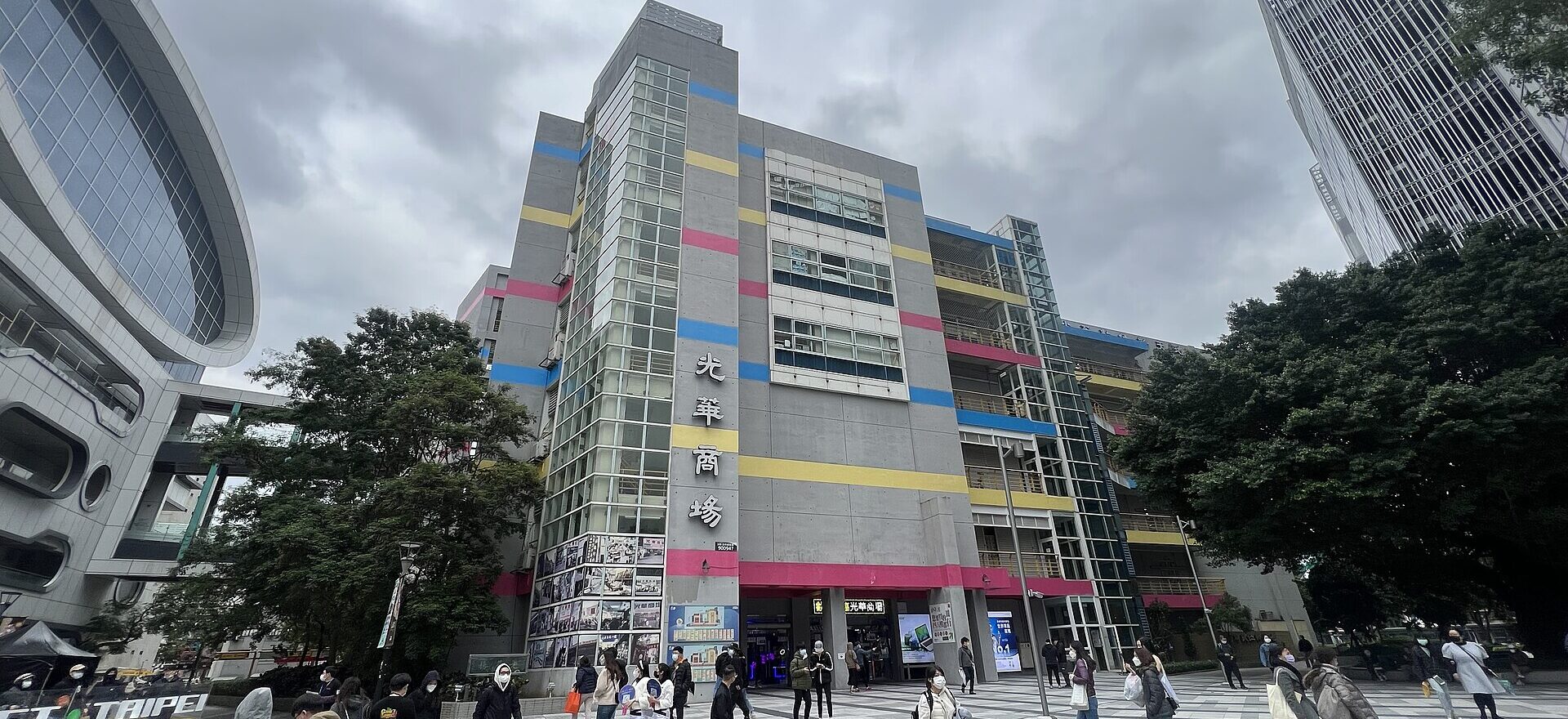
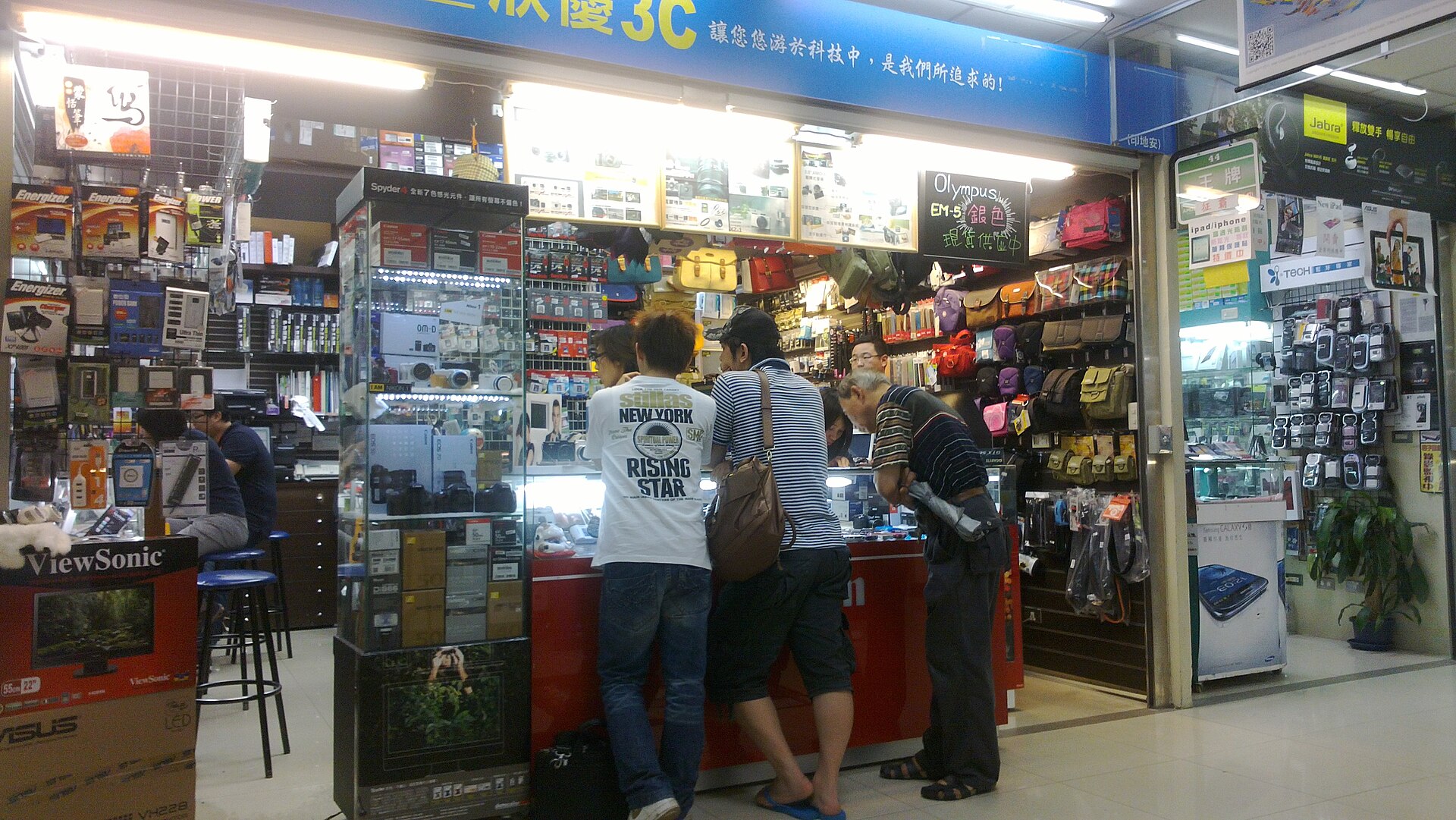
Guanghua Digital Plaza is Taipei’s electronics shopping mecca – a multi-floor commercial complex in Zhongzheng District where the entire country’s tech retail concentrates. Computers, components, mobile phones, accessories, gaming gear, drones, audio equipment, and second-hand electronics fill 11+ floors of small shops competing on price and selection. For tech-curious tourists, Guanghua is one of the most distinctive Taipei experiences. This 2026 guide covers what you can buy at Guanghua Digital Plaza, what’s worth your time, what’s not, how to negotiate, and how to handle electronics customs for the return trip.
What Is Guanghua Digital Plaza?
Guanghua Digital Plaza (光華商場) is the modern reincarnation of the historic Guanghua Market, a tech-shopping bazaar that operated in Taipei from the 1970s to 2008. The original market was demolished in 2008 due to building safety concerns, and the modern Guanghua Digital Plaza opened in the same area in 2008-2009 as a 11-floor commercial building hosting hundreds of small electronics shops.
The plaza is in Zhongzheng District, near Zhongxiao Xinsheng MRT Station. Each floor specializes in different electronics categories – computers and laptops on some floors, components on others, gaming on others, mobile phones on others. Most shops are small (5-15 square metres) and family-operated, competing aggressively on price and selection.
The surrounding streets – Xinsheng South Road, Civic Boulevard – also host independent electronics shops, second-hand markets, and tech services (repair, software). The total Guanghua electronics zone covers about 4-5 city blocks.
Why does this matter for visitors? Three things make Guanghua distinctive:
Price competition: 200+ small shops in one building means aggressive pricing on most electronics. Often 10-30% below Western retail.
Selection depth: Specific components, niche products, and discontinued items are available here that you cannot find at chain stores.
* Negotiation possibility: Unlike chain stores, Guanghua shops often allow modest bargaining and offer cash discounts.
What You Can Buy at Guanghua
Computers and Laptops
Multiple shops sell new laptops (mostly Asus, Lenovo, MSI, plus Apple/Mac stores). Prices comparable to Taiwan retail (slightly cheaper than US prices on some Taiwanese brands). Custom-built desktops a specialty. Used and refurbished laptops at 30-50% off new prices.
Computer Components
RAM, SSDs, GPUs, motherboards, power supplies – the deepest selection in Taipei. Specialty shops on the 3rd-5th floors. Good for builders or repair needs. Prices generally competitive with online prices.
Gaming Gear
Mechanical keyboards, gaming mice, headsets, monitors. Multiple gaming-focused shops. Many Taiwan-made gaming peripherals (Ducky, Vortex, Topre keyboards) at lower prices than international retailers.
Mobile Phones and Accessories
Apple iPhones, Samsung Galaxy, Xiaomi, Vivo, plus accessories (cases, screens, chargers, AirPods alternatives). Pricing varies – new phones at standard retail; accessories and refurbished phones at significant discounts.
Audio Equipment
Headphones (Sony, Bose, Sennheiser, plus Taiwanese audio brands like Audio-Technica), speakers, audio interfaces, microphones. Specialty audio shops on certain floors with quality DJ and recording equipment.
Drones and Photography
DJI drones (especially), DSLR and mirrorless cameras (Canon, Sony, Nikon, Fuji), lenses, accessories. Camera-specific shops on dedicated floors.
Tablets, E-Readers, Wearables
iPad alternatives, Kindle and other e-readers, Apple Watch and similar wearables, fitness trackers. Standard new-product retail plus refurbished options.
Cables, Chargers, Adapters
Comprehensive selection. Universal travel adapters NT$200-500. Charging cables NT$100-400. USB-C hubs, dongles, adapters for every standard.
Second-Hand Electronics
Bottom floors and surrounding streets have second-hand specialists. Refurbished laptops, used phones, salvaged components. Strong for budget travelers or vintage tech enthusiasts. Prices 40-70% off new.
Niche Products
Vintage cameras and lenses, retro gaming consoles (NES, SNES, original Game Boy), arcade gear, electronic music equipment. Specialty shops scattered through the plaza.

What Tourists Actually Should Buy
Travel-Friendly Electronics (Worth Buying)
Universal travel adapters: NT$200-500. Useful for Asia travel.
Mobile phone cases and accessories: NT$100-500. Variety beyond chain store options.
Quality headphones: Better selection than chain stores, often 10-20% cheaper.
Mechanical keyboards (Taiwanese-made): Better selection of Taiwanese brands like Ducky and Vortex than international shopping.
DJI drones (with caveats): Sometimes priced lower than chain stores. Verify customs rules for your country (some restrict drone imports).
Apple accessories: Cables, chargers, AirPods, MagSafe accessories often 15-25% cheaper than US Apple Store.
Audio equipment for serious enthusiasts: Quality DACs, amps, microphones, and music equipment with depth of selection.
Probably Skip (Buy Elsewhere)
New laptops or phones: Pricing not dramatically different from international online retailers. Warranty issues abroad. Better to buy in your home country.
Custom-built desktops: Heavy, hard to transport, customs issues. Build at home.
Anything with a lithium battery for international flight: Some batteries are flight-restricted. Verify before buying.
Counterfeit branded goods: Some shops sell fakes – usually obvious. Avoid.
Premium electronics you’d buy from official retailers: Apple, Samsung have official stores in Taipei (Mitsukoshi, SOGO, dedicated boutiques) with full warranty support. Use those for major purchases.
How to Get to Guanghua Digital Plaza
The plaza is at the intersection of Xinsheng South Road and Civic Boulevard in Zhongzheng District.
MRT: Take the Blue Line (Bannan Line) to Zhongxiao Xinsheng Station. Take Exit 1 or 2. 5-minute walk south along Xinsheng South Road to the plaza building.
Bus: Multiple buses serve the Zhongzheng area. 0 South, 65, 261, and others stop on Civic Boulevard near the plaza.
Taxi: NT$100-200 from central Taipei. Tell the driver “Guanghua Shang Chang” or show the Chinese name 光華商場.
Driving: Limited parking. Use public transit.
Opening Hours and Best Time to Visit
Most Guanghua shops operate 11am-8pm. Some open earlier (10am); some close later (9pm). Sundays often see slightly later opening.
Closed Mondays: Some shops close one day weekly, typically Tuesday or Wednesday. Most shops are open Monday.
Best time: Weekday afternoons (2-5pm). Less crowded than weekends. Most shops open and staff ready to negotiate.
Avoid: Sundays. Crowded with weekend shoppers and tourists. Pricing pressure may be slightly higher.
Negotiation and Bargaining
Unlike most Taipei shopping, Guanghua allows mild bargaining at most shops:
Listed prices are starting points. Modest discount (5-15%) often possible.
Pay cash for better deals. Credit card processing fees make cash payments preferable to many shops. Ask “Xian jin” (cash) when finalizing.
Compare prices. Walk through multiple shops selling the same item before deciding. The same RAM or SSD may be NT$200-500 cheaper one floor down.
Buy bundles. Buy multiple items at the same shop for better overall discount.
Don’t be aggressive. Friendly polite negotiation gets results. Aggressive haggling is awkward and unusual in Taipei.
Know going rate. Look up online prices before arriving. Lets you negotiate from knowledge.
Walk away if unhappy. Walking away often gets you a better offer. Many shops will follow you with lower prices.
Be patient. Some shops are slower with negotiations than others. Don’t rush.
Receipts and Warranties
For electronics purchases:
Get a written receipt. Even for cash transactions. Most shops will provide one if asked. Critical for warranty.
Verify warranty terms. Taiwan-purchased electronics typically have 1-year warranty applicable only in Taiwan. International warranty depends on the manufacturer (Apple has global warranty; smaller brands often don’t).
Apple products with Taiwan warranty: Apple offers limited international warranty. Generally service available globally for Apple products bought anywhere.
DJI drones: Usually have global warranty.
Local brands: Typically Taiwan-only warranty. Don’t expect international service.
Refunds: Most shops don’t offer refunds after purchase. Returns within a few days for defects are sometimes accepted.
Defective products: Bring the item back to the same shop within the warranty period. The shop facilitates manufacturer warranty service.
Customs and Import Rules
Bringing electronics home can have complications:
USA
Electronics for personal use are allowed without duty. Declare anything over US$800 in total value. Drones may require FAA registration before flying.
EU
VAT applies on imports over €430 for tourists. Personal-use electronics typically allowed. Drones may require EASA registration.
UK
Similar to EU. Allowance £390 in tax-free imports.
Australia
Declare on customs card. Personal electronics under AU$900 generally duty-free. Drones may need CASA registration.
Canada
Similar to USA. Personal-use electronics allowed.
Japan and Korea
More restrictions on imports. Verify before traveling.
General Rules
Bring receipts. Customs may ask. Original packaging helps but isn’t always required. Don’t transport multiple identical items (looks like resale). Limit drone imports to one per person to avoid scrutiny.

Specific Shops Worth Visiting
Floor 1 (Ground Level): Mobile Phones
Multiple Apple Premium Reseller stores, Samsung dealers, Xiaomi shops. Latest phones at standard retail. Accessories at competitive prices.
Floors 2-3: Computers and Laptops
Larger laptop showrooms. Asus and Lenovo dealers. Custom-build desktops. Most knowledgeable staff for technical questions.
Floor 4-5: Components
RAM, SSDs, GPUs, motherboards. Deep specialty selection. Best for system builders.
Floor 6-7: Audio and Accessories
Headphones, speakers, audio interfaces. Quality audio shops with private listening rooms.
Floor 8: Gaming and Peripherals
Mechanical keyboards, gaming mice, monitors. Taiwanese gaming brands.
Floor 9-10: Cameras and Drones
Camera specialty shops with lenses, accessories. DJI drone dealers. Used camera market.
Floor 11: Misc and Repair Services
Repair shops, vintage electronics, specialty items.
Tips for Visiting Guanghua
Wear comfortable shoes. 11 floors of small shops means significant walking. Sneakers ideal.
Bring cash. Multiple ATMs in the building but cash transactions get better prices. Bring NT$5,000-15,000 for serious electronics shopping.
Know what you want. Browse online before arriving. Have model numbers, specs, and target prices.
Have a translator app. Google Translate for technical specs and bargaining.
Verify model numbers. Some shops sell international vs Taiwan-version products. Verify which you’re buying.
Check the box. Open the box at the shop to verify contents. Most shops allow this.
Test before buying. Plug in headphones, test mechanical keyboards, take photos with cameras. Confirm working order.
Ask about return policy. Most don’t offer returns. Defective products covered by warranty only.
Buy from established shops. Larger shops with stable storefronts are safer than smaller pop-up stalls.
Read shop reviews. Google Maps reviews are available for most Guanghua shops.
Don’t overspend. Stick to a budget. The aggressive pricing can encourage impulse buys.
Photograph receipts. Take photos of all receipts for customs and warranty.
Weight your luggage. Don’t exceed airline weight limits. Some items (large monitors, custom PCs) cannot be reasonably transported.
Sample Visit to Guanghua
If you’re a tech-curious tourist wanting to experience Guanghua:
2pm: MRT to Zhongxiao Xinsheng. Walk to plaza.
2:15pm: Explore floor 1 – mobile phone shops, basic accessories. See variety.
3pm: Floor 4 – components. Even if not buying, see the depth of specialty electronics.
3:30pm: Floor 6-7 – audio. Try some headphones in private listening rooms.
4pm: Floor 8 – gaming and keyboards. Test mechanical keyboards. Photograph favorite designs.
4:30pm: Buy: a universal travel adapter (NT$300), a mechanical keyboard (NT$2,500-4,000), and a quality phone case (NT$300). Total NT$3,100-4,600.
5pm: Walk surrounding Civic Boulevard for vintage electronics. Browse second-hand camera market.
5:30pm: Snack at a nearby cafe. Walk back to MRT.
6pm: Return to hotel.
Total time: 3-4 hours. Total spend: NT$3,000-6,000 depending on purchases.
What Makes Guanghua Different from Other Electronics Markets
If you’ve been to electronics markets in Bangkok (Pantip Plaza), Shenzhen (Huaqiangbei), Hong Kong (Sham Shui Po), or Seoul (Yongsan):
vs Pantip: Guanghua is similar in size and structure but feels more modern and slightly more upscale. Less aggressive pricing pressure. More polished retail experience.
vs Huaqiangbei: Huaqiangbei is dramatically larger and cheaper but more chaotic. Guanghua is smaller, more orderly, with better-curated selection.
vs Sham Shui Po: Sham Shui Po has more outdoor street market vibe and cheaper prices. Guanghua is indoor and more orderly.
vs Yongsan: Yongsan is bigger but more diffuse – multiple buildings across a district. Guanghua is concentrated in one tall building.
For visitors who have done these markets, Guanghua is a familiar concept with Taiwanese specifics.
Combining Guanghua With Other Activities
Guanghua + Dihua Street: Both in central Taipei. Morning at Dihua Street for traditional shopping, afternoon at Guanghua for electronics. Different vibes; same neighborhood.
Guanghua + Eslite Spectrum: Books-and-design at Eslite, electronics at Guanghua. Connect via MRT Brown Line.
Guanghua + Lin Tian: Lin Tian (a smaller electronics market) is also in Zhongzheng District. Walking distance.
Guanghua + Taipei Main Station: 10-minute MRT ride. Combine with food at Q Square Mall or Caesar Park area.
Guanghua + Wanhua exploring: Different neighborhoods. Combine for a half-day cultural-plus-tech walking tour.
One very common reason visitors end up here is the least glamorous: they arrived from Europe or Australia without a plug adapter. Guanghua will sell you a far better one than the airport did, along with cables, chargers and power banks at prices worth the trip. Our guide to Taiwan power plugs, voltage and adapters explains what you actually need before you start browsing.
Related Taipei guides
- Shopping in Taipei: Best Malls, Markets & Souvenirs
- Ximending Shopping Guide: Fashion, K-Pop & Streetwear
- Taipei 101 Mall: Brands, Floors & What to Buy
- Eslite Bookstore: The Most Famous in Taiwan
- Best Taipei Souvenirs to Bring Home: A Shopping Guide
- Buying Tea in Taipei: Where, What & How Much
Frequently Asked Questions
Where is Guanghua Digital Plaza in Taipei?
Zhongzheng District at the intersection of Xinsheng South Road and Civic Boulevard. Take the MRT Blue Line (Bannan Line) to Zhongxiao Xinsheng Station, Exit 1 or 2. 5-minute walk to the plaza building.
What can I buy at Guanghua Digital Plaza?
Computers, laptops, mobile phones, components (RAM, SSDs, GPUs), gaming peripherals (mechanical keyboards, gaming mice), audio equipment, cameras and drones, accessories (cables, chargers, cases), and second-hand electronics. 11+ floors of small specialized shops.
Is Guanghua cheaper than chain electronics stores?
Generally yes, 10-30% cheaper than chain retail on most items. Specialty components, niche products, and refurbished items are significantly cheaper. Major products (Apple, latest iPhones) are similar to chain pricing but with possible cash discounts.
Can I negotiate at Guanghua Digital Plaza?
Yes – mildly. Most shops accept modest discounts (5-15%) and prefer cash payments. Compare prices across multiple shops, ask politely, and be willing to walk away. Aggressive haggling is unusual and counterproductive.
What about warranty on Guanghua electronics?
Taiwan-purchased electronics typically have 1-year warranty applicable only in Taiwan. International warranty depends on manufacturer (Apple, DJI, Samsung have global warranty; smaller Taiwanese brands often don’t). Always get a written receipt for warranty claims.
Is Guanghua Digital Plaza tourist-friendly?
Moderately. Some shop staff speak English, others rely on gestures and translation apps. Google Translate handles most language situations. Signage is mostly Chinese; bring your phone for navigation.
What time does Guanghua open?
Most shops 11am-8pm. Some open earlier (10am), some close later (9pm). Sundays slightly later opening. Most shops are open Monday through Sunday. Best time: weekday afternoons.
Can I bring electronics home from Guanghua?
Yes for most items. Customs rules vary by destination (US allows personal-use electronics duty-free up to US$800; EU allows €430). Drones may need home-country registration before use. Avoid multiple identical items (looks like resale). Keep receipts for customs.
Is Guanghua Digital Plaza like Pantip or Akihabara?
Smaller and more orderly than Pantip Plaza (Bangkok). Different from Akihabara (Tokyo) – Guanghua is more general electronics, Akihabara is more anime/gaming/specific subcultures. Comparable in concept to Sham Shui Po (Hong Kong) but more modern.
What should I buy at Guanghua?
For tourists: travel adapters, phone accessories, quality headphones, mechanical keyboards (especially Taiwanese-made Ducky or Vortex), and refurbished electronics for budget travelers. Skip major laptops or phones unless you specifically need them – chain retail pricing isn’t dramatically different.
The Bottom Line
Guanghua Digital Plaza is Taipei’s electronics hub – 11 floors of small specialized shops where you can find anything tech-related at competitive prices. Best for component buyers, gaming gear shoppers, audio enthusiasts, and budget electronics travelers. Bring cash, compare prices across multiple shops, negotiate modestly, and verify warranty terms before buying. For most tourists, a 3-4 hour visit yields useful accessories at 10-30% below chain retail. Even non-shoppers find the experience worth seeing as a distinctly Taiwanese version of the Asian electronics market tradition.
Photo Credits
Guang Hua Digital Plaza: Guang Hua Digital Plaza rear view 20221218 by 玄史生, CC0, via Wikimedia Commons.
Electronics shopping inside Guang Hua Digital Plaza: 2012-06-04 at the Guanghua Market in Taipei by Teo Romera, CC BY-SA 2.0, via Wikimedia Commons.