Shopping in Taipei: Malls, Markets & Souvenirs (2026)
Few cities in Asia can rival Taipei when it comes to sheer shopping variety. From glittering luxury malls and underground fashion corridors to atmospheric night markets and century-old apothecary streets, shopping in Taipei is as much a cultural experience as it is a retail one. Whether you are hunting for the perfect box of pineapple cakes to bring home, browsing rare oolong teas in a quiet Dadaocheng shop, or rifling through racks of streetwear in Ximending after midnight, the Taiwanese capital delivers something for every budget, taste, and curiosity.
This comprehensive Taipei shopping guide covers every district, mall, market, and souvenir category you need to know about in 2026. We will walk you through the best shopping districts, explain where to find Taiwan’s most iconic gifts, compare pineapple cake bakeries, demystify the tourist tax refund process, and share the practical tips that make a shopping trip smooth and rewarding. If you are planning your first visit, pair this guide with our full Taipei Travel Guide for a complete picture of the city.
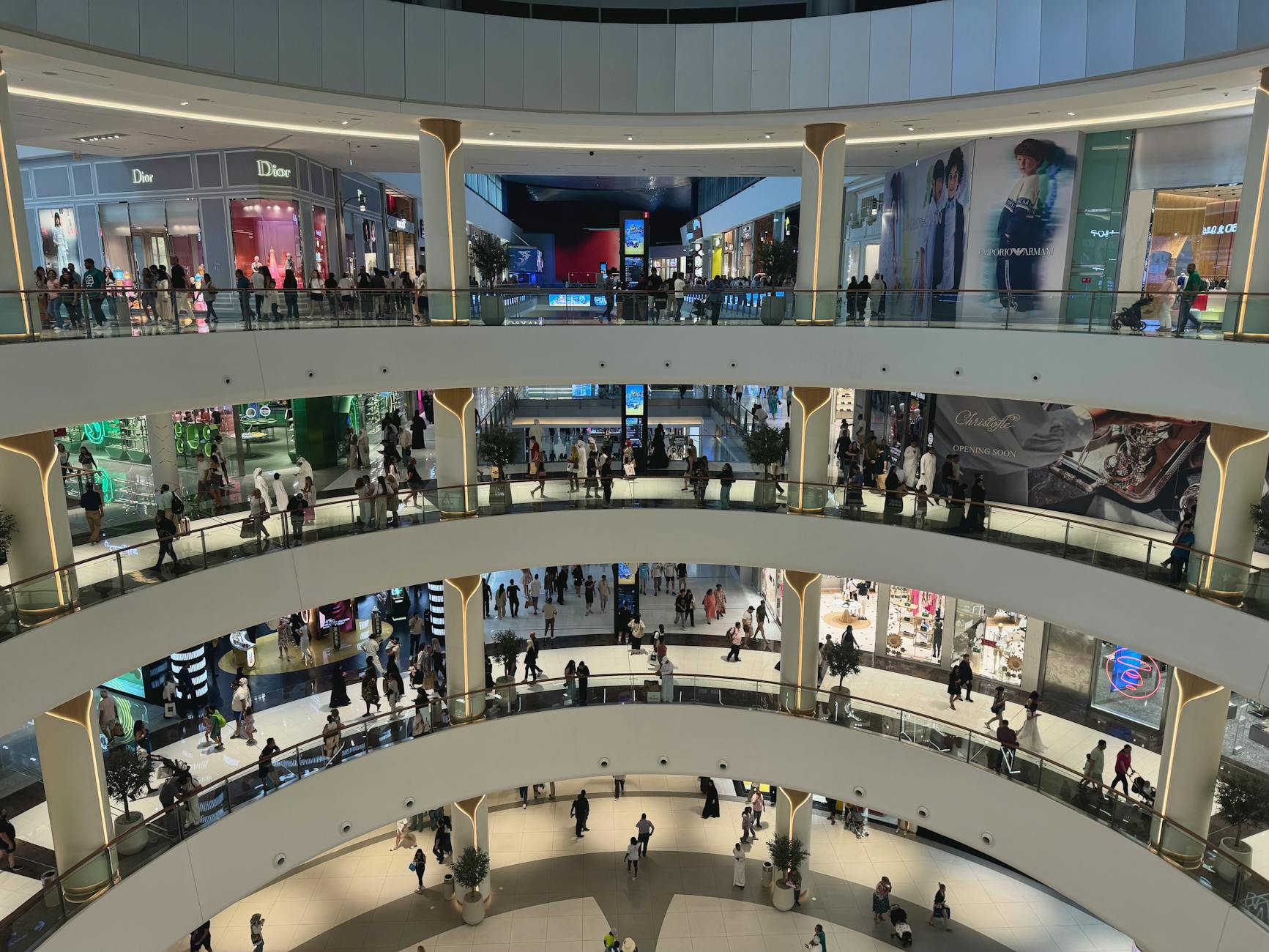
Taipei Shopping Districts: Where to Go
Taipei is organized into distinct neighborhoods, each with its own shopping personality. Understanding these districts before you arrive saves time and helps you target exactly what to buy in Taipei based on your interests. For a deeper look at each area and where to base yourself, see our Where to Stay in Taipei guide.
Ximending: Taipei’s Youth Fashion Capital
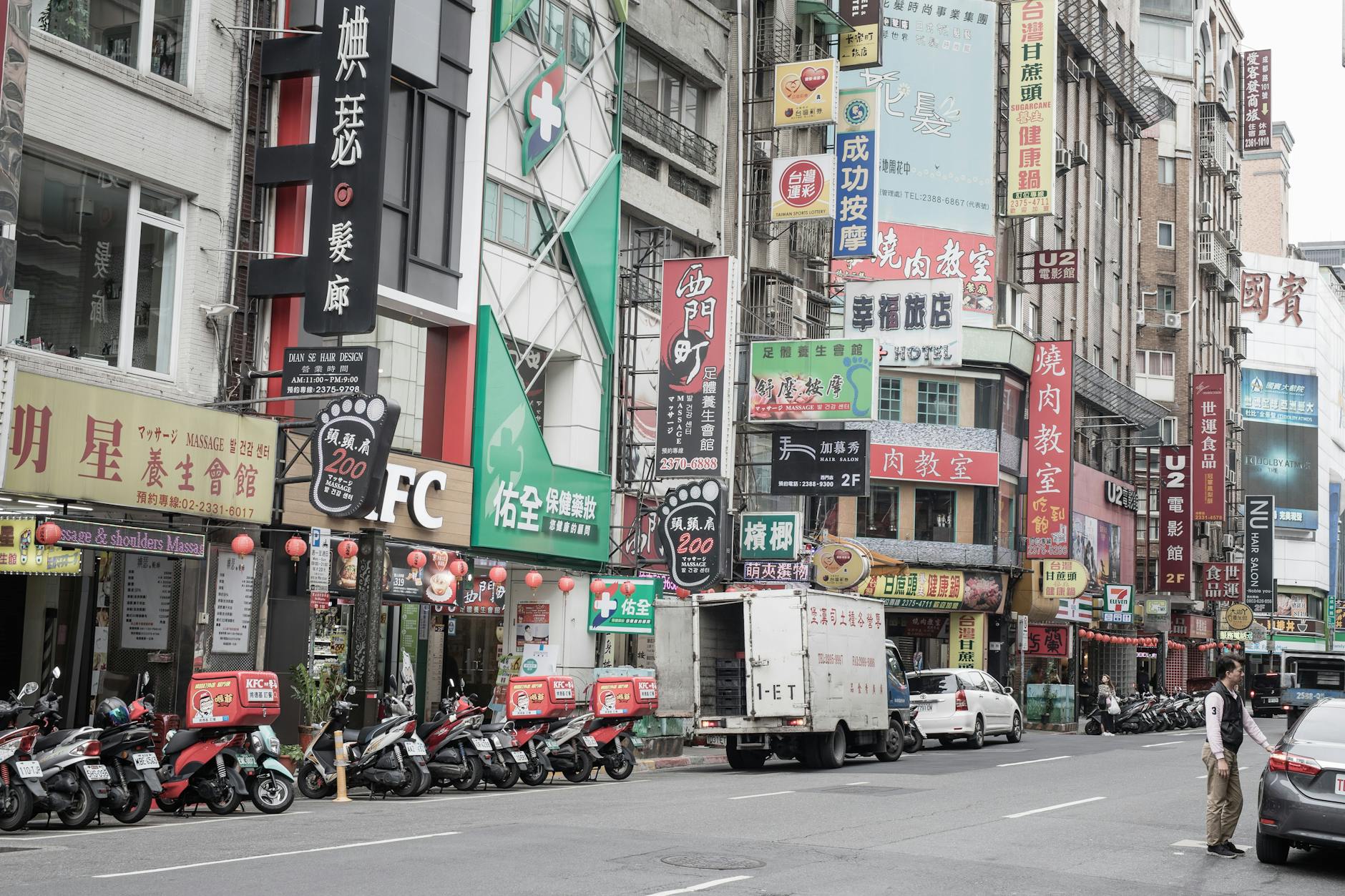
Ximending shopping is the most energetic retail experience in the city. Often compared to Tokyo’s Harajuku or Seoul’s Myeongdong, this pedestrianized district in Wanhua comes alive from late afternoon and stays buzzing well past midnight. The streets are lined with independent boutiques, sneaker stores, cosmetics chains, souvenir stalls, and flagship outlets. If you love streetwear, K-beauty products, anime merchandise, or affordable accessories, Ximending is where you should start.
A major draw is the Don Don Donki store, the famous Japanese discount chain that operates 24 hours a day. It stocks everything from Japanese snacks and cosmetics to quirky household gadgets, making it perfect for last-minute souvenir shopping at any hour. Ximending is also home to numerous souvenir shops selling Taiwan-themed magnets, T-shirts, and packaged treats at competitive prices. The area is directly accessible via MRT Ximen Station on the Blue and Green lines.

Xinyi District & Taipei 101: Luxury and Lifestyle
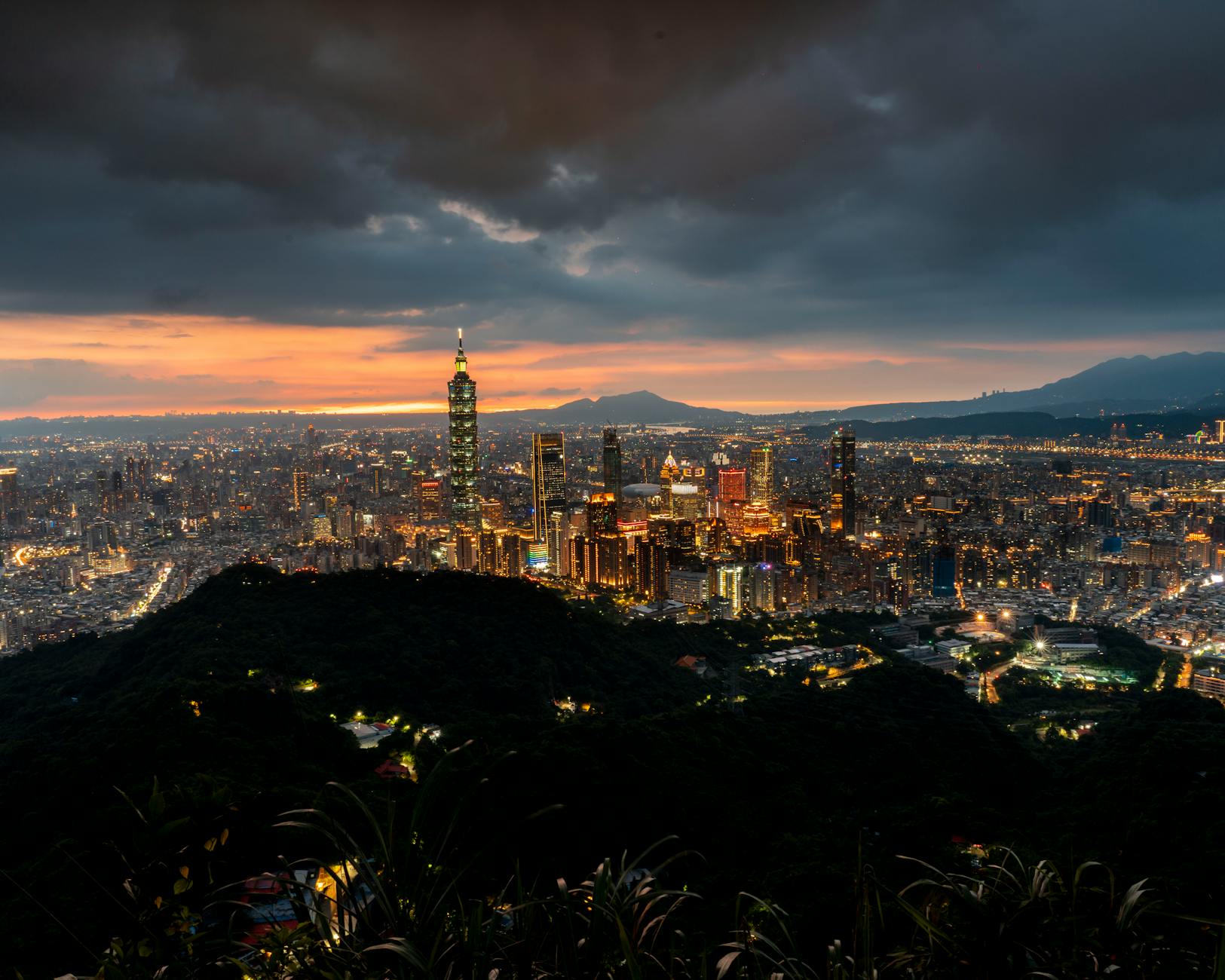
The Xinyi District is Taipei’s modern downtown core, dominated by the iconic Taipei 101 skyscraper and surrounded by department stores, upscale malls, and flagship boutiques. This is where you head for luxury and designer shopping, international brands, and a polished retail environment. The area includes the Taipei 101 Mall, Shin Kong Mitsukoshi, Breeze Center, ATT 4 Recharge, and the massive Eslite Spectrum Songyan store just a short walk east.
Beyond the malls, the Xinyi district offers a pleasant urban walking experience, with wide sidewalks, public art installations, and seasonal markets in the plaza areas between buildings. It is especially atmospheric in the evenings when the towers light up. The Xinyi area is one of the most convenient bases for shoppers who want easy access to modern retail.
Zhongshan District: Art, Design & Boutique Finds
The Zhongshan district, stretching between MRT Zhongshan and Shuanglian stations, has quietly become one of Taipei’s most stylish shopping corridors. The streets here are quieter and more curated than Ximending, with an emphasis on independent Taiwanese designers, specialty coffee shops, concept stores, and gallery spaces. The Zhongshan Metro Mall, an underground corridor connecting the two MRT stations, adds another layer of retail with small fashion and accessory shops.
This is also where you will find the flagship Eslite Bookstore on Dunhua South Road, as well as several excellent tea shops and artisanal gift stores. Zhongshan appeals to shoppers who prefer a slower pace and enjoy discovering local brands rather than international chains.
Yongkang Street: Curated Souvenirs and Tea
Yongkang Street, near MRT Dongmen Station, is beloved for its dining scene but also hides some of the finest souvenir shopping in Taipei. The standout is Lai Hao Taiwan Gift Shop, a beautifully curated store selling artisanal Taiwanese products: locally sourced teas, handcrafted ceramics, fridge magnets featuring Taiwanese motifs, fabric goods, and specialty foods. It is the kind of place where every item feels thoughtful enough to be a gift.
The surrounding lanes offer additional independent shops, tea houses, and bakeries. Yongkang Street is a compact area, so you can combine a shopping trip with lunch at one of the famous dumpling or noodle restaurants nearby.
Dadaocheng & Dihua Street: Old-World Taipei Shopping
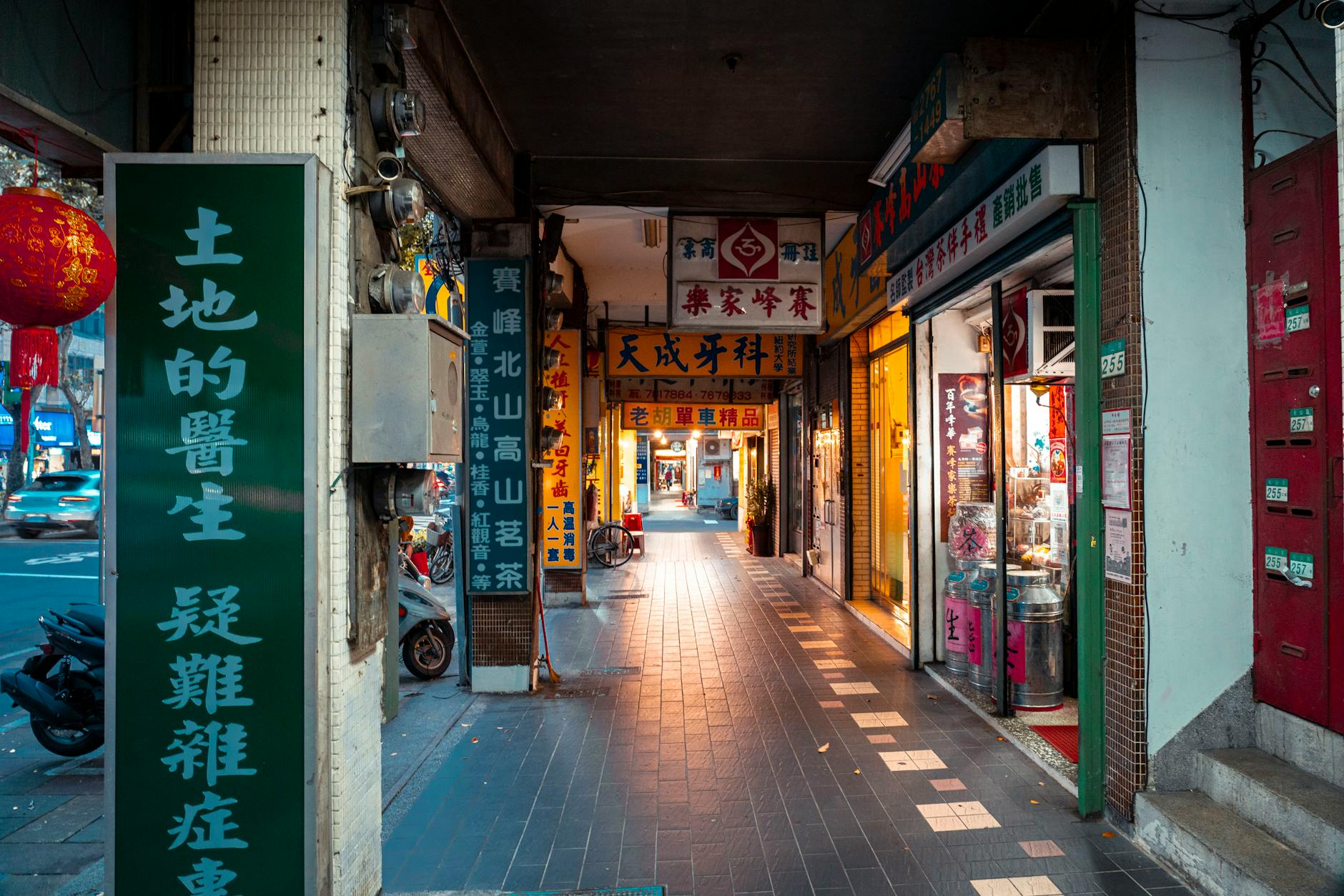
For a shopping experience steeped in history, head to Dihua Street in the Dadaocheng neighborhood. This atmospheric street has been a commercial hub since the late 1800s. Today the restored red-brick shophouses sell dried goods, traditional Chinese herbal medicine, specialty teas, dried fruits, fabric, and ceremonial supplies. During the Lunar New Year season, Dihua Street transforms into a massive festive market, but it is worth visiting year-round for its authentic character.
In recent years, younger entrepreneurs have opened modern craft shops, coffee roasters, and design studios alongside the traditional vendors, creating an intriguing blend of old and new. If you are interested in traditional Taiwanese crafts, herbal remedies, or high-quality dried seafood, Dadaocheng belongs on your itinerary.
Best Shopping Malls in Taipei
Taipei’s malls are far more than standard department stores. Many double as entertainment hubs, dining destinations, and cultural experiences. Here are the top malls for visitors in 2026.
Taipei 101 Mall
The Taipei 101 Mall occupies the lower floors of the world-famous skyscraper and is Taipei’s premier luxury shopping destination. International fashion houses, jewelry brands, and high-end watchmakers line the gleaming corridors. Even if luxury shopping is not your priority, the basement food court is excellent, offering everything from Din Tai Fung dumplings to Japanese desserts. The Taipei 101 Observatory gift shop on the upper floors also carries premium Taiwan-themed souvenirs that make unique keepsakes.
The mall connects directly to MRT Taipei 101/World Trade Center Station on the Red Line, making it one of the most accessible malls in the city. Plan to combine a visit with the observatory for the best experience.
Shin Kong Mitsukoshi (Xinyi)
The Shin Kong Mitsukoshi complex in Xinyi is actually a series of connected buildings labeled A4, A8, A9, and A11, spanning an enormous range of retail. The complex covers mid-range to high-end fashion, cosmetics, household goods, children’s departments, and some of the best department-store food halls in Asia. Basement-level food courts feature Taiwanese specialties alongside international cuisine. Seasonal sales events here are legendary, drawing huge crowds during the anniversary and end-of-year clearance periods.
Breeze Center & Breeze Nanshan
Breeze Center on Fuxing South Road is a favorite among Taipei locals for its refined selection of fashion, accessories, and gourmet food. The newer Breeze Nanshan, adjacent to Taipei 101, has quickly become one of the most popular lifestyle malls in the Xinyi area. It houses international fashion labels, a cinema, a superb food hall, and several Instagram-worthy concept spaces. Breeze Nanshan appeals to shoppers who want a curated, design-forward experience rather than a sprawling department store.
Syntrend Creative Park
Syntrend Creative Park is a 13-floor tower near Guanghua Digital Plaza dedicated to technology, gaming, anime, and creative culture. The building houses electronics retailers, gaming lounges, a Pop Mart store for collectible figurines, manga and anime merchandise shops, and maker spaces. If you are into gadgets, retro gaming, model kits, or Japanese pop culture, Syntrend can easily consume an entire afternoon. Several floors also host rotating exhibitions and product launch events.
Miramar Entertainment Park
Miramar, located in the Dazhi area near MRT Jiannan Road Station, is best known for its rooftop Ferris wheel and IMAX cinema. But it is also a substantial shopping destination with fashion outlets, a large food court with over 500 stalls and dining options, and dedicated souvenir sections. Miramar tends to be less crowded than the Xinyi malls, making it a good choice for a relaxed shopping and entertainment outing. The Ferris wheel ride at sunset is a bonus that few other malls can match.
ATT 4 Recharge
ATT 4 Recharge in Xinyi targets a younger demographic with trendy fashion labels, lifestyle brands, and an entire floor dedicated to dining. The mall frequently hosts pop-up events and brand collaborations, giving it a fresh, ever-changing atmosphere. It sits right in the heart of the Xinyi nightlife zone, so it works well as a pre-dinner shopping stop before exploring the nearby restaurants and bars.
Underground Shopping in Taipei
One of the most distinctive aspects of shopping in Taipei is the network of underground malls built into the MRT system. These subterranean corridors offer climate-controlled browsing in any weather and give you access to affordable fashion, accessories, electronics, and entertainment.
Taipei Underground Mall (Taipei City Mall)
The Taipei Underground Mall stretches beneath Zhongxiao West Road from Taipei Main Station toward Beimen Station. It is one of the longest underground shopping corridors in Asia. The mall is divided into themed zones: fashion and accessories, electronics and phone cases, anime and manga merchandise, and an entertainment zone with arcades and karaoke rooms. Prices are generally lower than street-level malls, and the variety is staggering. It is a great place to pick up affordable souvenirs, phone accessories, and trendy clothing. Note that some shops may not open until late morning, so plan your visit accordingly.
Zhongshan Metro Mall
Running underground between MRT Zhongshan and Shuanglian stations, the Zhongshan Metro Mall has a more curated, indie feel compared to the sprawling Taipei Underground Mall. You will find small boutiques run by local designers, accessory shops, vintage stores, and stationery outlets. The corridor is also dotted with art installations and rotating exhibitions, reflecting the creative character of the Zhongshan neighborhood above ground. It is a pleasant underground stroll that pairs well with exploring the area’s cafes and galleries at street level.
Markets and Bazaars in Taipei
Taipei’s open-air and covered markets offer a more adventurous shopping experience. Bargaining is common at some (though not all) of these venues, and you will often discover unique items that you simply cannot find in malls.
Jianguo Weekend Jade and Flower Markets
Every Saturday and Sunday, the space beneath the Jianguo Elevated Expressway transforms into two adjacent markets. The Jade Market features dozens of vendors selling jade jewelry, Buddhist amulets and charms, semi-precious stones, calligraphy supplies, antiques, and carved trinkets. Prices vary widely, and experienced shoppers know to compare stalls before buying. The adjacent Flower Market is a riot of color, selling tropical plants, orchids, succulents, and dried flower arrangements. Even if you cannot bring plants home, the Flower Market is a sensory delight worth visiting.
The markets operate from roughly 9 AM to 6 PM on weekends and are located near MRT Daan Station. They are a wonderful way to spend a Saturday morning before heading to nearby Yongkang Street for lunch.
Dadaocheng and Dihua Street Market
As mentioned in our districts section, Dihua Street functions as an ongoing market for traditional goods. The permanent shops sell dried fruits, nuts, herbal medicines, dried mushrooms, specialty teas, and fabrics. Several stores specialize in traditional wedding supplies and ceremonial goods. The area is especially bustling during holiday periods but maintains a steady flow of both locals and tourists throughout the year. Prices at the established shops tend to be fair and fixed, though you may find room for negotiation at smaller stalls.
Yongkang Street and Surrounding Lanes
While not a market in the traditional sense, the cluster of shops around Yongkang Street operates like an open-air boutique district. Beyond the Lai Hao gift shop mentioned earlier, you will find stores selling handmade leather goods, ceramics, specialty coffee beans, and locally designed clothing. The lanes branching off from the main street often hide the most interesting discoveries. This area rewards slow, exploratory browsing.
Night Market Shopping: Beyond the Food
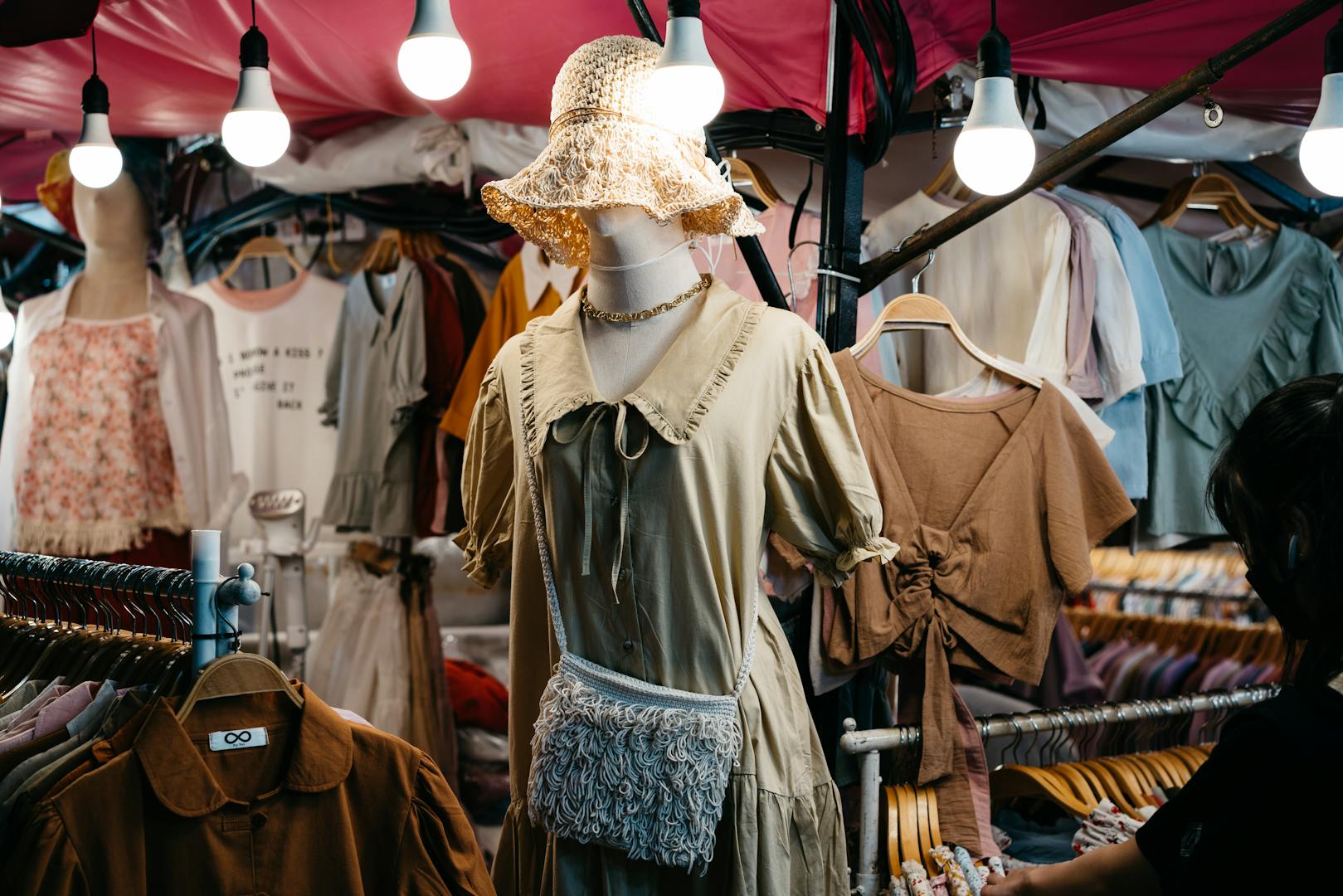
Taipei’s night markets are famous for their food, but Taipei night market shopping for goods is equally rewarding if you know what to look for. Most major night markets have a significant section dedicated to clothing, accessories, and novelty items. For our full guide to Taipei’s night markets, including the best stalls for food, see Taipei Night Markets.

Shilin Night Market
Shilin is the oldest and largest night market in Taipei, and its shopping section is enormous. You will find stalls selling inexpensive clothing, phone cases, costume jewelry, hair accessories, socks, bags, and novelty items. It is the place to pick up fun, low-cost gifts and quirky items you would never find in a department store. The electronics stalls carry phone accessories, portable chargers, and earbuds at bargain prices. Bargaining is expected at many stalls, especially when buying multiple items.
Raohe Street Night Market
Raohe is more compact and linear than Shilin, making it easier to browse without getting lost. The shopping stalls here lean toward accessories, scarves, handmade jewelry, and small crafts. The atmosphere is slightly more manageable than Shilin, which makes it a good choice if you prefer a calmer market experience. Raohe is located near the Songshan area, close to the Eslite Spectrum Songyan store and the Songshan Cultural and Creative Park.
Tonghua (Linjiang Street) Night Market
Tonghua Night Market near MRT Xinyi Anhe Station is popular with locals and has a good mix of clothing, shoes, and accessories alongside its food stalls. It is smaller than Shilin but benefits from a loyal local crowd and competitive prices. This market is convenient if you are staying in the Daan or Xinyi areas.
What to Buy at Night Markets
Night markets are best for affordable, fun purchases rather than premium goods. Look for unique socks and stockings with Taiwanese motifs, phone cases, inexpensive watches, hair clips and accessories, novelty T-shirts, small toys and games, Taiwan-branded snacks in market packaging, and seasonal items like hand fans in summer or warm accessories in winter. Night market prices are generally the lowest you will find in Taipei, but quality varies, so inspect items before purchasing.
Best Souvenirs from Taipei: What to Buy
Knowing what to buy in Taipei before you arrive helps you make the most of your shopping time. Taiwan produces distinctive souvenirs that are hard to find elsewhere, and many of the best items are edible. Here is our guide to the best souvenirs Taipei has to offer.

Pineapple Cakes (Feng Li Su)
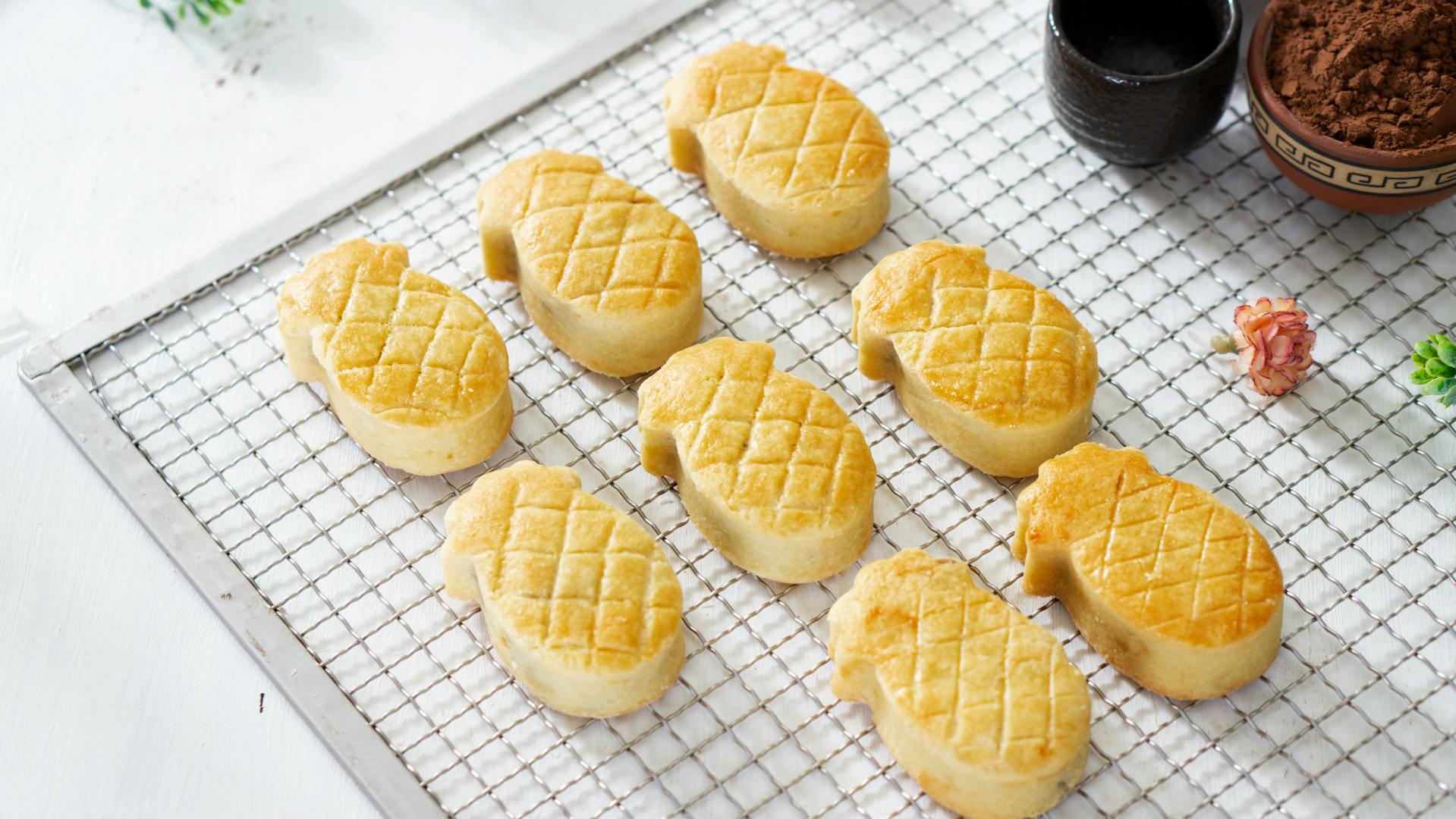
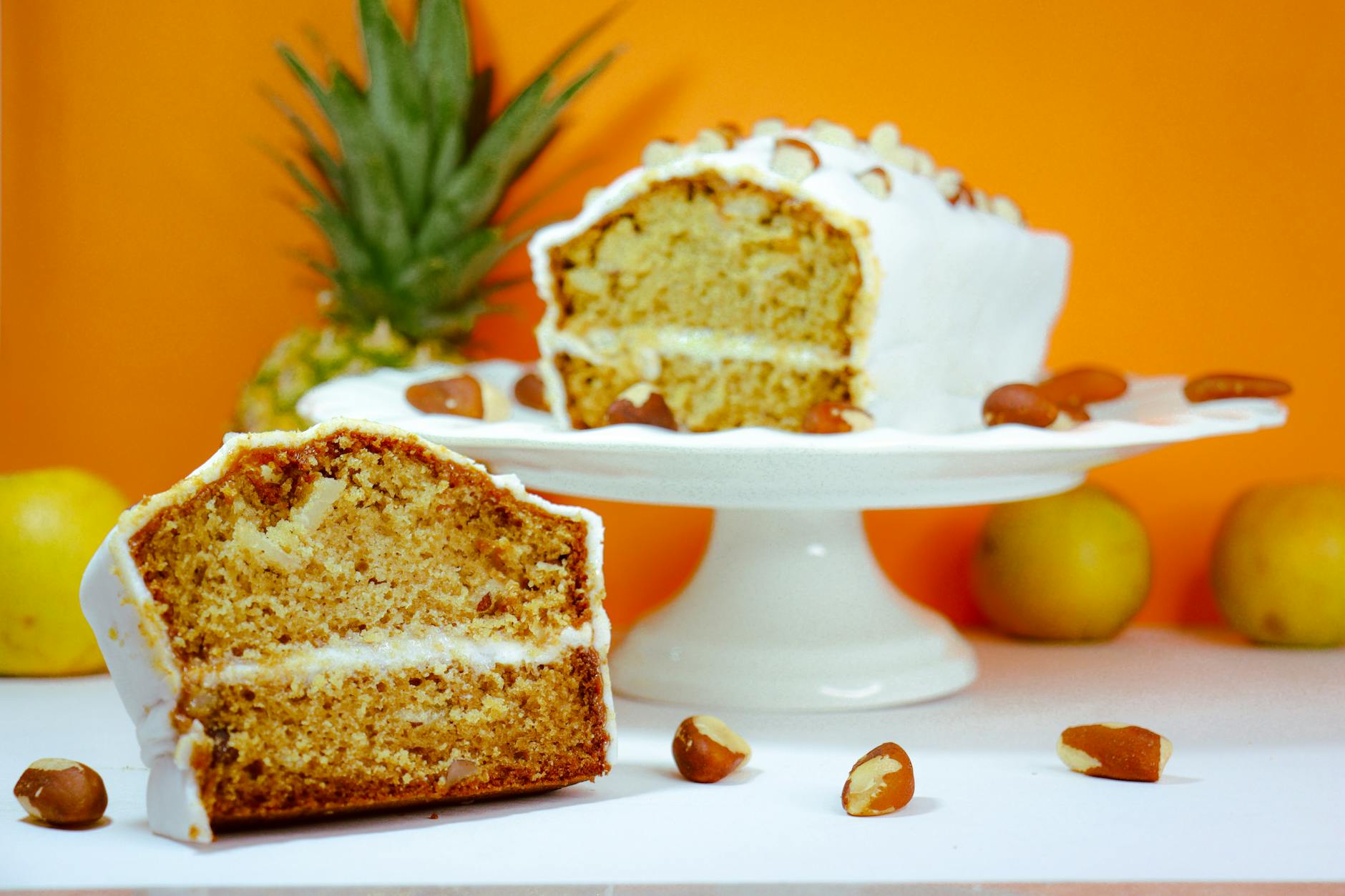
Taiwan pineapple cake is the number one souvenir from the island, and for good reason. These buttery pastries filled with sweet, tangy pineapple jam are individually wrapped, travel well, and taste delicious. Virtually every visitor to Taiwan takes at least one box home. We cover the best bakeries in detail in the dedicated section below.
Taiwanese Tea
Taiwan produces some of the finest oolong tea in the world, along with excellent black teas and unique varieties like Oriental Beauty and Sun Moon Lake Ruby Black Tea. A tin of high-mountain oolong or a beautifully packaged tea sampler makes a sophisticated and lightweight souvenir. We cover tea shopping in Taipei in its own section further in this guide.
Nougat and Mochi Snacks
Taiwanese nougat, made with milk, butter, and often cranberries or green onion, is another popular edible souvenir. Mochi-style treats filled with taro, peanut, or sesame are equally giftable. Many bakeries sell variety packs designed specifically for travelers, with beautiful packaging suitable for gifting.
Dried Fruit and Snack Boxes
Dried mango, guava, and pineapple from Taiwan are exceptionally good. You can find premium packs at Dihua Street shops or at airport duty-free. Other popular snack souvenirs include Taiwan Beer-flavored snacks, shrimp crackers, and sun cake (tai yang bing), a flaky pastry originally from Taichung but widely available in Taipei.
Handmade Crafts and Artisan Goods
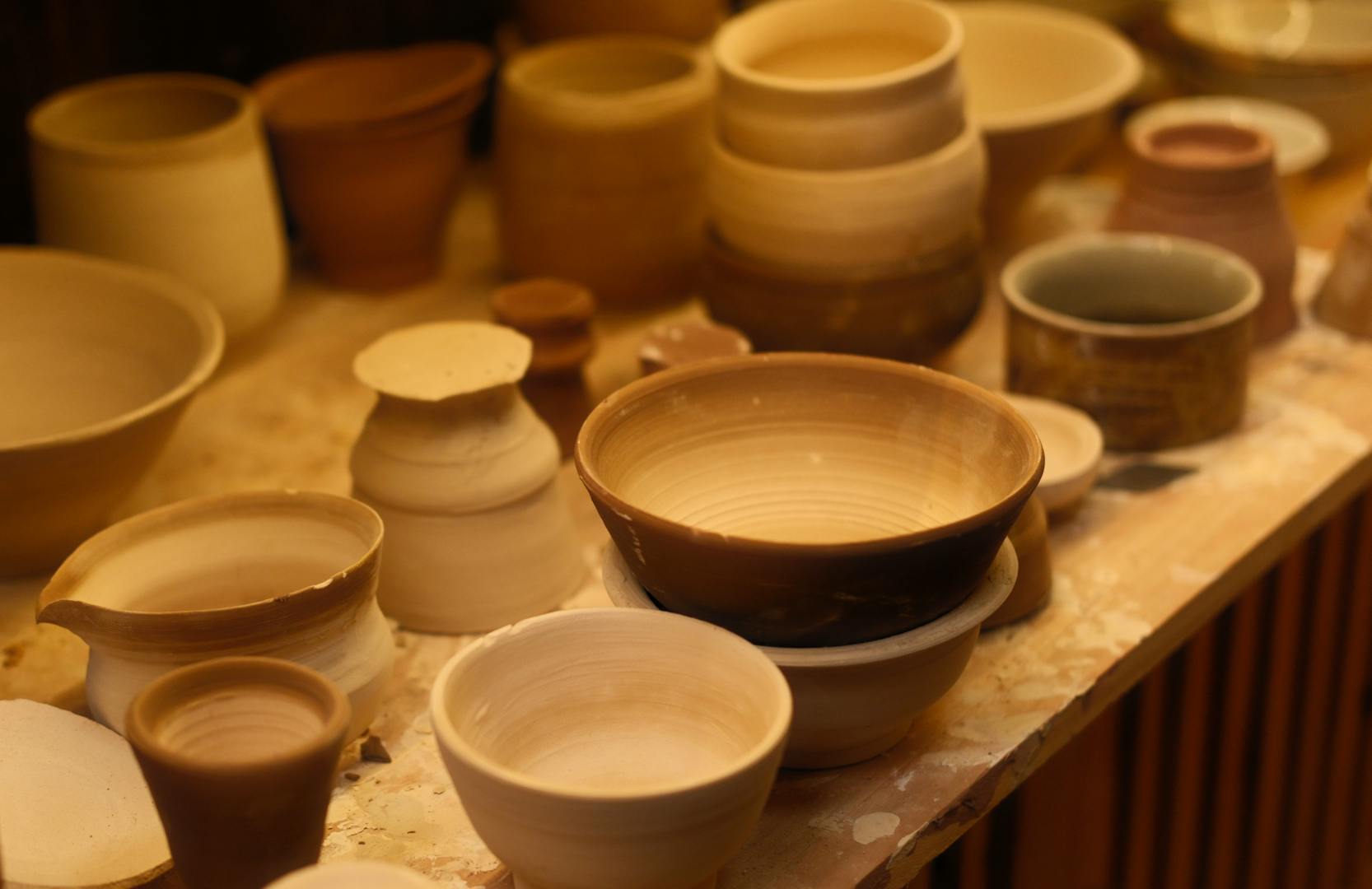
Look for ceramics from Yingge (a pottery town south of Taipei), handwoven bamboo goods, lacquerware, and glasswork. The National Palace Museum gift shop sells high-quality reproductions of famous artifacts from the museum collection, including the iconic jade cabbage in various forms. CKS Memorial Hall and Taipei 101 Observatory also have gift shops with curated Taiwanese crafts and souvenirs.
Taiwanese Stationery and Design Goods
Taiwan has a thriving stationery and design culture, and Eslite Bookstore is the best place to explore it. Look for beautifully designed notebooks, washi tape sets (Taiwan rivals Japan for washi tape quality and creativity), stamps, postcards, and lifestyle accessories by local designers. Stores like Lai Hao and the museum gift shops also carry well-designed Taiwanese goods suitable for gifts.
Traditional Fabrics and Hakka Prints
Taiwan’s Hakka community has a distinctive floral print tradition that appears on bags, pouches, table linens, and clothing. Dihua Street is a good place to find traditional fabrics, while modern interpretations of Hakka-inspired designs are available at gift shops like Lai Hao and at the various cultural parks around the city.
Where to Buy Pineapple Cakes in Taipei
No Taipei shopping guide is complete without a serious discussion of pineapple cakes. These beloved pastries are the single most-purchased souvenir in Taiwan, and the quality difference between a great pineapple cake and a mediocre one is enormous. Here are the bakeries that consistently top the rankings.
ChiaTe Bakery
ChiaTe is widely considered the gold standard for pineapple cakes in Taipei. The bakery on Nanjing East Road regularly has a queue out the door, especially on weekends and during holiday seasons. Their pineapple cakes have a rich, buttery shortcrust with a dense, genuinely pineapple-flavored filling. The texture balance is near perfect. ChiaTe also makes excellent nougat and other pastries. Be prepared to wait, and consider visiting on a weekday morning for shorter lines. The cakes come in elegant boxes that are ready for gifting.
SunnyHills
SunnyHills takes a purist approach, using 100 percent pineapple filling without added winter melon (which cheaper brands use to extend the filling). The result is a tangier, fruitier cake that many connoisseurs prefer. Their Taipei shop in the Songshan district is housed in a striking cross-laminated timber building designed by Japanese architect Kengo Kuma, and visitors receive a complimentary pineapple cake and a cup of tea upon arrival. It is one of the most pleasant shopping experiences in the city, and the staff are warm and unhurried. SunnyHills also has a counter at the Eslite Spectrum Songyan store.
LeeChi Bakery
LeeChi is the insider’s pick for those who want excellent quality without the long waits of ChiaTe. Located near MRT Songjiang Nanjing Station, LeeChi produces pineapple cakes with a tender crust and a well-balanced filling that sits between ChiaTe’s richness and SunnyHills’ fruit-forward tang. The shop is less crowded, the prices are competitive, and the quality is consistently praised by locals who bake-shop regularly. If you are short on time and want to skip the queues, LeeChi is the smart choice.
Other Notable Pineapple Cake Shops
Several other bakeries deserve honorable mentions. Bull Sugar Patisserie offers creative variations on the classic recipe. The Taipei 101 basement food court carries multiple brands if you want to compare. Airport duty-free shops carry the major brands, but selection can be limited during peak travel times, so buying in the city is always the safer bet. Budget-friendly options are available at most supermarkets and convenience stores, though the quality is a step below the specialty bakeries.
Tea Shopping in Taipei
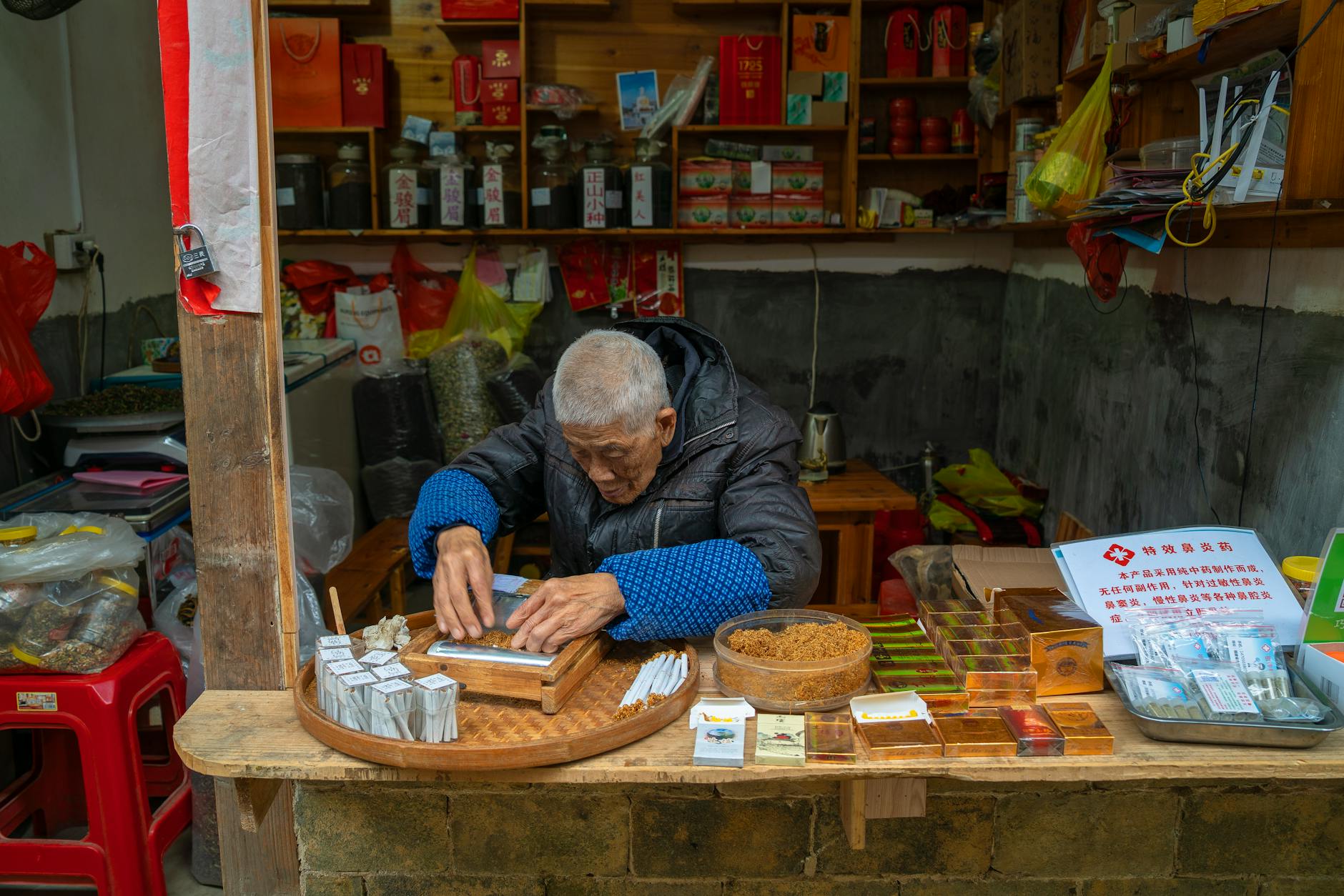
Taiwan is one of the world’s great tea-producing regions, and buying tea directly in Taipei connects you with centuries of cultivation expertise. The country is especially renowned for its oolong teas, but the range extends to black teas, green teas, and unique local varieties.
Types of Taiwanese Tea to Look For
High Mountain Oolong (Gao Shan Cha): Grown at elevations above 1,000 meters in areas like Alishan and Lishan, these teas are prized for their floral aroma, creamy texture, and clean finish. They are the flagship of Taiwanese tea and make exceptional gifts.
Dong Ding Oolong: A medium-roast oolong from Nantou County with a rich, toasty flavor and subtle sweetness. A Taiwanese classic.
Oriental Beauty (Dongfang Meiren): A heavily oxidized oolong with a unique honey-like sweetness, naturally created by tea jassid insects that bite the leaves during growing. It is one of Taiwan’s most distinctive teas.
Sun Moon Lake Ruby Black Tea (Hong Yu): A full-bodied black tea with notes of cinnamon and mint, grown near Sun Moon Lake in central Taiwan. It has won international awards and is gaining global recognition.
Best Tea Shops in Taipei
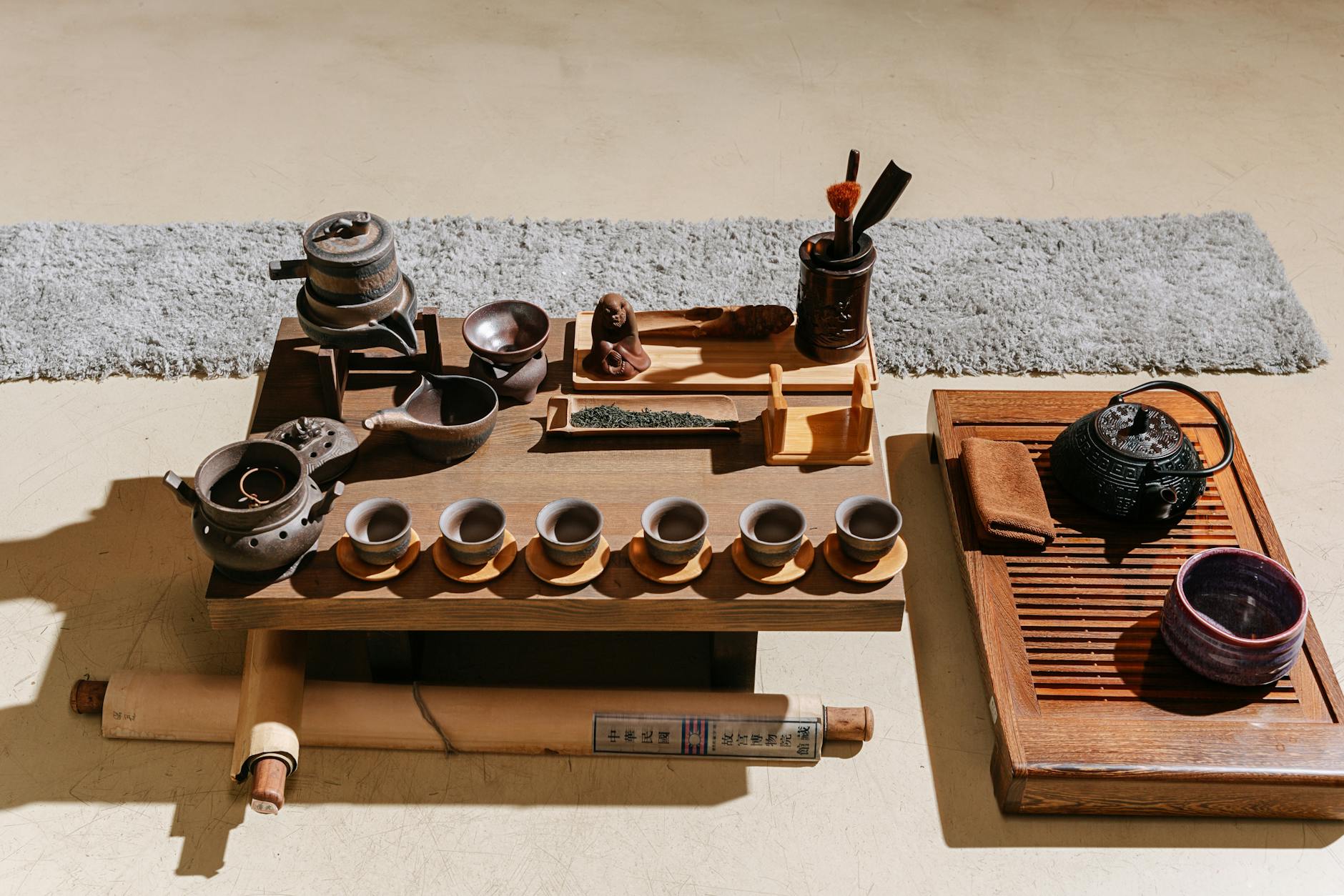
For a traditional tea-buying experience, visit the shops along Dihua Street in Dadaocheng, where vendors have been selling tea for generations. Many offer tasting sessions where you can sample before buying. Lin Hua Tai Tea Company, founded in 1883, is one of the oldest and most respected. Wang De Chuan and Wistaria Tea House provide refined settings where tea culture meets elegant presentation. In the Yongkang Street area, several small tea shops cater to tourists with well-packaged samplers and English-speaking staff.
Eslite Bookstore branches often carry a curated selection of premium Taiwanese teas, and the Lai Hao gift shop on Yongkang Street stocks attractively packaged tea sets perfect for souvenirs. For the widest selection and the most competitive prices, however, a dedicated tea shop on Dihua Street is hard to beat.
Tips for Buying Tea in Taipei
Always taste before buying when possible. Reputable shops welcome this and often insist on it. High Mountain Oolong can range from NT$500 to NT$5,000 or more per 150 grams depending on origin and quality, so tasting ensures you get a tea you genuinely enjoy. Look for vacuum-sealed packaging to preserve freshness, and ask the vendor about storage recommendations. If you are new to Taiwanese tea, a sampler pack with three to four varieties is the best way to explore the range without committing to a large quantity of a single tea.
Electronics and Tech Shopping in Taipei
While Taipei is no longer the bargain-basement electronics destination it once was, it remains an excellent place to shop for certain tech categories, especially if you know where to look.
Guanghua Digital Plaza
Guanghua Digital Plaza is Taipei’s primary electronics market, a multi-story building near MRT Zhongxiao Xinsheng Station filled with computer component shops, gaming peripherals, camera stores, and repair services. If you are building a PC, need a specific adapter, or want to compare prices on gaming mice and keyboards, Guanghua is your destination. Prices are competitive with online retail, and the staff at most shops are knowledgeable and accustomed to helping foreign customers.
The surrounding streets also host smaller electronics shops and the adjacent Syntrend Creative Park mentioned earlier. Together, the Guanghua area forms Taipei’s tech district, and a combined visit to both buildings can fill a satisfying afternoon for gadget enthusiasts.
Syntrend Creative Park for Pop Culture Tech
While Syntrend sells electronics, it distinguishes itself from Guanghua through its focus on creative technology, gaming culture, and collectibles. The Pop Mart store is a major draw for collectors of designer toys and blind box figurines. The upper floors host VR experiences and maker workshops. If your interests lean more toward gaming, anime, and design-oriented tech, Syntrend will appeal to you more than the component-focused shops at Guanghua.
Camera and Photography Gear
Taipei has a healthy market for camera equipment, with authorized dealers for all major brands. The area around Boai Road near Taipei Main Station has historically been a camera-shopping corridor. Prices on current-generation camera bodies and lenses are similar to international pricing, but you may find deals on older models, used equipment, and accessories. Always check warranty terms, as some items sold in Taiwan carry regional warranties that may not apply internationally.
Eslite: Taipei’s Iconic Bookstore
No discussion of shopping in Taipei would be complete without a dedicated section on Eslite Bookstore. What began as a bookshop has evolved into a cultural institution and one of Taiwan’s most recognizable brands. Eslite stores blend books, stationery, design goods, fashion, food, and lifestyle products into immersive retail spaces that feel more like cultural centers than shops.
What Makes Eslite Special
Eslite stores are designed for lingering. Wide aisles, warm lighting, comfortable seating areas, and a policy of encouraging customers to read before buying create an atmosphere that is rare in retail. The book selection spans Chinese, English, and Japanese titles, with particularly strong sections on design, architecture, art, photography, and Taiwanese literature. Beyond books, Eslite’s own-brand stationery, curated gift sections, and rotating exhibitions make every visit an opportunity for discovery.
Best Eslite Branches for Visitors
Eslite Spectrum Songyan: Located next to the Songshan Cultural and Creative Park, this is the largest and most comprehensive Eslite location. It includes a massive bookstore, a cinema, dozens of independent shops and restaurants, a performing arts space, and extensive sections for Taiwanese crafts and design goods. This branch alone could occupy several hours.
Eslite Dunnan (Dunhua South Road): The original flagship store, known for its late-night hours. The Songshan branch (Eslite Songshan Store at MRT Taipei City Hall Station) previously operated 24 hours, and while hours may have adjusted, Eslite locations generally stay open later than most Taipei retail, making them ideal for evening shopping.
Eslite Xinyi: Situated in the Xinyi shopping district, this branch integrates well with a mall-hopping itinerary. It has a strong selection of English-language books and international magazines.
What to Buy at Eslite
Top picks for tourists include: washi tape and stationery sets by Taiwanese designers, beautifully illustrated postcards and prints, Taiwanese coffee table books on architecture and food culture, locally designed leather goods and bags, curated tea and snack gift sets, and Eslite’s own-brand notebooks and pens. The Eslite Spectrum locations also host independent vendors selling handmade jewelry, ceramics, and clothing, so every visit yields slightly different discoveries.
Luxury and Designer Shopping in Taipei
For travelers seeking high-end brands and luxury goods, Taipei offers a polished and increasingly global shopping experience concentrated in the Xinyi district.
Taipei 101 Mall: The Luxury Flagship
The Taipei 101 Mall is the epicenter of luxury shopping in Taiwan. The ground and upper floors house flagship boutiques from brands including Louis Vuitton, Gucci, Cartier, Tiffany, Chanel, Hermes, and Rolex, among many others. The mall maintains an elegant, spacious atmosphere, and the service standard is exceptionally high. VIP shopping services are available for high-spending customers, and many brands offer tax-free shopping directly at the point of sale for foreign passport holders.
Xinyi Luxury Corridor
Beyond Taipei 101, the broader Xinyi district hosts additional luxury retail at Shin Kong Mitsukoshi’s A4 building, Breeze Nanshan, and standalone boutiques along Songren Road and Songshou Road. The district functions as a cohesive luxury shopping zone where you can walk between high-end retailers in a pleasant, pedestrian-friendly environment. International brands frequently launch limited-edition Asia-exclusive items through their Xinyi locations.
Zhongshan North Road
Zhongshan North Road between Nanjing and Minquan has historically been a luxury corridor with several high-end boutiques and the Regent Taipei hotel’s underground shopping arcade. While the Xinyi district has overtaken it as the primary luxury destination, Zhongshan North Road still offers a more intimate, less crowded alternative for brand shopping, and the surrounding area has excellent dining.
Tax Refund for Tourists in Taiwan
Foreign visitors to Taiwan can claim a refund on the 5% Value Added Tax (VAT) on purchases, making shopping in Taipei even more rewarding. Understanding the tax refund Taiwan process before you shop ensures you do not miss out on savings.
Eligibility and Minimum Spend
To qualify for a tax refund, you must be a foreign national who has been in Taiwan for fewer than 183 days. The minimum qualifying purchase is NT$2,000 (approximately US$65) in a single transaction at a store displaying the TRS (Tax Refund Shopping) label. Most major department stores, malls, electronics retailers, and many standalone shops participate in the TRS program. Look for the TRS sticker at the entrance or near the cash register.
How the Tax Refund Process Works
There are two methods for claiming your refund:
In-Store Refund: Some larger department stores and malls have on-site tax refund counters where you can claim your refund immediately after purchase. You will need your passport, the receipt, and the purchased goods. The refund is typically processed as cash or a credit card reversal minus a small handling fee.
Airport Refund: If the store does not offer on-site refunds, request a Tax Refund Form (TRS form) at the time of purchase. At the airport before departure, visit the tax refund counter in the departure hall. Present your passport, TRS forms, receipts, and the purchased goods (customs officers may ask to inspect them). The refund is issued in New Taiwan Dollars. Process your tax refund before checking your luggage, as you may need to show the goods to the customs officer.
Tax Refund Tips
Always carry your passport when shopping, as you will need it to fill out tax refund forms. Keep all receipts organized in one place. If you are making multiple purchases at the same store or mall, try to consolidate them into a single transaction to meet the NT$2,000 threshold. Allow extra time at the airport for the refund process, especially during peak travel periods. The handling fee for airport refunds is typically around 14% of the refund amount, so in-store refunds, when available, are usually more favorable.
Practical Shopping Tips for Taipei
A few practical considerations will make your Taipei shopping experience smoother and more enjoyable.
Payment Methods
Taiwan is still more cash-oriented than some other developed Asian economies, though the situation is improving rapidly. Major malls, department stores, and chain shops accept international credit cards (Visa, Mastercard, JCB). However, many smaller shops, night market stalls, and traditional market vendors are cash-only. Mobile payment options like LINE Pay and Apple Pay are increasingly accepted in larger establishments. We recommend carrying a mix of cash and cards. ATMs are widely available at convenience stores throughout the city.
Bargaining Etiquette
Bargaining is generally not practiced in malls, department stores, brand shops, or fixed-price retail establishments. It is sometimes possible at night markets, jade markets, and small independent stalls, especially if you are buying multiple items. When bargaining, keep it friendly and reasonable. A modest discount of 10 to 15 percent is a realistic target. If a vendor says the price is fixed, respect that and move on.
Opening Hours
Most malls and department stores open between 11:00 AM and 10:00 PM or 10:30 PM. Eslite Bookstore branches tend to stay open until 10:00 PM or later. Night markets typically start around 5:00 PM or 6:00 PM and run until midnight or later. Morning markets and the Jianguo Weekend Markets operate from around 9:00 AM to 5:00 PM or 6:00 PM. Underground malls may not open until 11:00 AM or noon. The Don Don Donki in Ximending and select convenience stores operate 24 hours.
Carrying and Shipping Purchases
Taiwan’s convenience stores (7-Eleven, FamilyMart) offer domestic and some international shipping services. For larger purchases, many stores offer international shipping at the point of sale. If you buy ceramics, tea sets, or fragile items, ask the shop to pack them securely. Most reputable souvenir shops are experienced at packing items for air travel. Consider bringing a foldable extra bag in your luggage to accommodate souvenirs on the return trip.
Language and Communication
English signage is common in major malls and tourist areas. Staff at department stores, Eslite, Taipei 101, and most brand shops typically speak at least basic English. At night markets and traditional shops, English is less common, but pointing, smiling, and using a translation app on your phone will get you through most transactions. Learning a few Mandarin phrases like “Duo shao qian?” (How much?) and “Tai gui le” (Too expensive) adds a personal touch that vendors appreciate.
Best Times to Shop
For the most comfortable mall experience, visit on weekday mornings when crowds are thin. Night markets are busiest on Friday and Saturday nights; Tuesday or Wednesday evenings offer a more relaxed atmosphere. Major sale periods include the anniversary sales at department stores (typically in autumn), Lunar New Year sales (January/February), and the mid-year sales in June and July. During these periods, discounts of 20 to 50 percent are common at major retailers.
Explore more Taipei guides
- Taipei 101 Mall
- Eslite Bookstore
- Best Taipei Souvenirs to Bring Home
- Buying Tea in Taipei
- Best Pineapple Cakes in Taipei
- Taiwanese Designer & Indie Shops in Taipei ( Guide)
- Taiwan Tax Refund for Tourists
- Things to Do in Taipei: 100+ Attractions & Activities
- Taipei Travel Guide: Complete Planning Resource
Frequently Asked Questions About Shopping in Taipei
What are the best souvenirs to bring home from Taipei?
The most popular and universally appreciated souvenirs are pineapple cakes, high-mountain oolong tea, nougat, and dried fruit. For non-food items, look for Taiwanese-designed stationery, ceramics, Hakka-print fabrics, and jade jewelry. Museum gift shops and curated stores like Lai Hao on Yongkang Street are the best places for unique, high-quality gifts.
Is shopping in Taipei expensive?
Taipei offers excellent value across most shopping categories. Night market goods and underground mall items are very affordable. Mid-range fashion and electronics are generally cheaper than in Japan, Hong Kong, or Singapore. Luxury goods are priced comparably to other Asian capitals but benefit from the tourist tax refund. Overall, you will find that your shopping budget stretches further in Taipei than in many other Asian cities.
Can I bargain at Taipei markets?
Bargaining is acceptable at night market stalls, jade market vendors, and some small independent shops, particularly when buying multiple items. It is not practiced at malls, department stores, supermarkets, or fixed-price retail establishments. When bargaining, be polite, smile, and keep your expectations reasonable.
How do I claim a tax refund on purchases in Taiwan?
Spend at least NT$2,000 in a single transaction at a store displaying the TRS (Tax Refund Shopping) label. Present your passport to receive a tax refund form. Claim your refund either at the store’s in-house refund counter or at the airport tax refund counter before your departure. Allow extra time at the airport during busy travel periods.
What are the best areas for fashion shopping in Taipei?
Ximending is the top destination for streetwear, youth fashion, and affordable clothing. The Xinyi district centers luxury and international brands. Zhongshan offers indie designers and boutique finds. The underground malls provide budget-friendly fashion options. Each area caters to a different style and price point, so your best district depends on your personal taste.
Where can I buy electronics in Taipei?
Guanghua Digital Plaza is the main hub for computer components, peripherals, and camera equipment. Syntrend Creative Park adds gaming, anime, and creative tech products. The Taipei Underground Mall has small electronics and accessory stalls at lower prices. For mainstream consumer electronics like phones and tablets, authorized brand stores in major malls are the safest bet for warranty coverage.
Is the Taipei Underground Mall worth visiting?
Yes, especially if you enjoy browsing for affordable fashion, anime goods, or phone accessories. The Taipei Underground Mall is one of the longest underground shopping corridors in Asia and offers a unique experience. It is also a practical option on rainy days when outdoor markets are less appealing. Visit after noon for the best selection of open shops.
What time do shops close in Taipei?
Most malls and department stores close between 10:00 PM and 10:30 PM. Night markets run from around 5:00 PM until midnight or later. Eslite Bookstore branches stay open until at least 10:00 PM. Don Don Donki in Ximending operates 24 hours. Many convenience stores are open around the clock and sell basic souvenirs and snacks.
Where should I buy pineapple cakes in Taipei?
ChiaTe Bakery is the most famous and widely considered the best, though expect queues. SunnyHills offers a premium, 100% pineapple version with a beautiful shop experience. LeeChi is an excellent alternative with shorter waits and great quality. All three are located in central Taipei and easily reached by MRT.
Can I use credit cards at Taipei night markets?
Most night market vendors are cash-only, though a growing number accept mobile payments like LINE Pay. Bring sufficient New Taiwan Dollar cash when visiting night markets. ATMs are available at convenience stores near all major night markets if you need to withdraw cash.
What makes Eslite Bookstore worth visiting?
Eslite is far more than a bookstore. It combines a world-class book selection with curated stationery, Taiwanese design goods, fashion, food courts, and cultural programming. The Eslite Spectrum Songyan location is the most impressive, functioning as a cultural complex with independent shops, a cinema, and exhibition spaces. Even if you are not a book buyer, the stationery, gifts, and design goods sections are worth exploring.
Plan Your Taipei Shopping Trip
Shopping in Taipei rewards the curious and the prepared in equal measure. The city layers centuries of trading heritage with cutting-edge retail innovation, creating a shopping landscape unlike anywhere else in Asia. From the aromatic tea houses of Dadaocheng to the neon-lit corridors of Ximending, from the luxury galleries of Taipei 101 to the joyful chaos of Shilin Night Market, every shopping district tells a different story about Taiwan’s culture, creativity, and generosity of spirit.
Start by identifying what matters most to you: souvenirs and gifts, fashion and accessories, tech and electronics, or simply the experience of exploring a vibrant Asian city through its shops and markets. Use this guide to build an itinerary that matches your interests, and leave room for spontaneous discoveries because Taipei always has something unexpected waiting around the next corner.
For more on planning your trip, return to our comprehensive Taipei Travel Guide, explore the Taipei Night Markets guide for food and after-dark fun, or check out Where to Stay in Taipei to find the perfect neighborhood for your visit.