This article contains advertising. Our booking links are routed through a partner that adds commission tracking automatically, so if you book through one we earn a commission from the provider, at no extra cost to you. It never affects what we recommend. Affiliate disclosure
Most Taipei night market guides focus on Shilin, Raohe, and Ningxia — the three big-name markets. But if you spent any time in Taipei in the mid-2000s, you’d have heard about Shida Night Market (師大夜市) — the relaxed, student-friendly market next to National Taiwan Normal University (NTNU) that was once one of the city’s coolest hangout spots. After a city crackdown on zoning violations that began in November 2011, Shida lost most of its pushcart vendors and many of its shops, and became a smaller, quieter market than it used to be. Today it’s a different kind of stop — calmer, cheaper, more student-cafe neighbourhood than spectacle.
For travelers, Shida Night Market works as an alternative to the bigger markets. The food is genuinely excellent and cheaper than Shilin, several surviving stalls have been running since the 1970s and 1980s, and the surrounding NTNU area gives the evening a different energy — more like a quiet cafe neighborhood you stumbled into than a packed tourist spot.
This guide covers Shida Night Market for 2026: what’s still worth visiting, the best stalls by name and by lane, the cheap-fashion shopping, and how it fits into a Taipei trip. Most competing articles still describe the market as it was before 2012. This one doesn’t.

Shida Night Market at a Glance
- Location: Lane 39 of Shida Road, plus Longquan Street (龍泉街) and Lanes 49 and 59, Da’an District, just east of the NTNU campus
- Hours: most food stalls roughly 5:00 PM to midnight; the biggest anchor shops open from midday and trade past midnight
- Closures: several anchor businesses rest on Mondays — Lantern Braised Foods lists Monday as its closing day. Monday evenings are noticeably thin
- Get there: MRT Songshan–Xindian (Green) Line to Taipower Building Station, Exit 3, then walk north along Shida Road for 7–10 minutes
- Alternative: Guting Station (Green and Orange lines), Exit 4, east on Heping East Road then south down Shida Road — about 10–12 minutes past the university
- Best for: student-priced food, cheap fashion, cafes, a low-crowd night market
- Size: a few short lanes; comfortably done in 45–90 minutes
- Cost: NT$50–150 per dish; a full dinner NT$200–400 per person
- Best night: Tuesday–Thursday around 6:30 PM
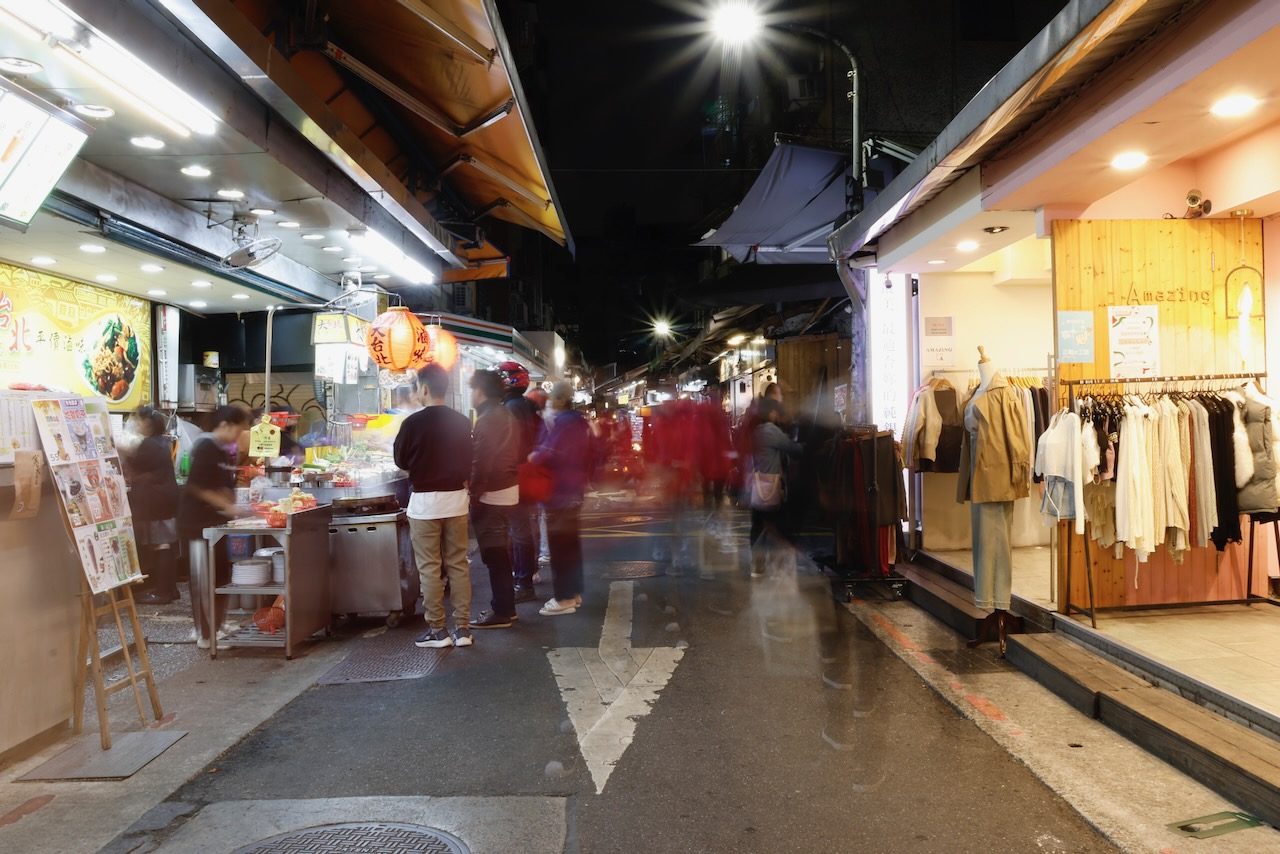
What Is Shida Night Market?
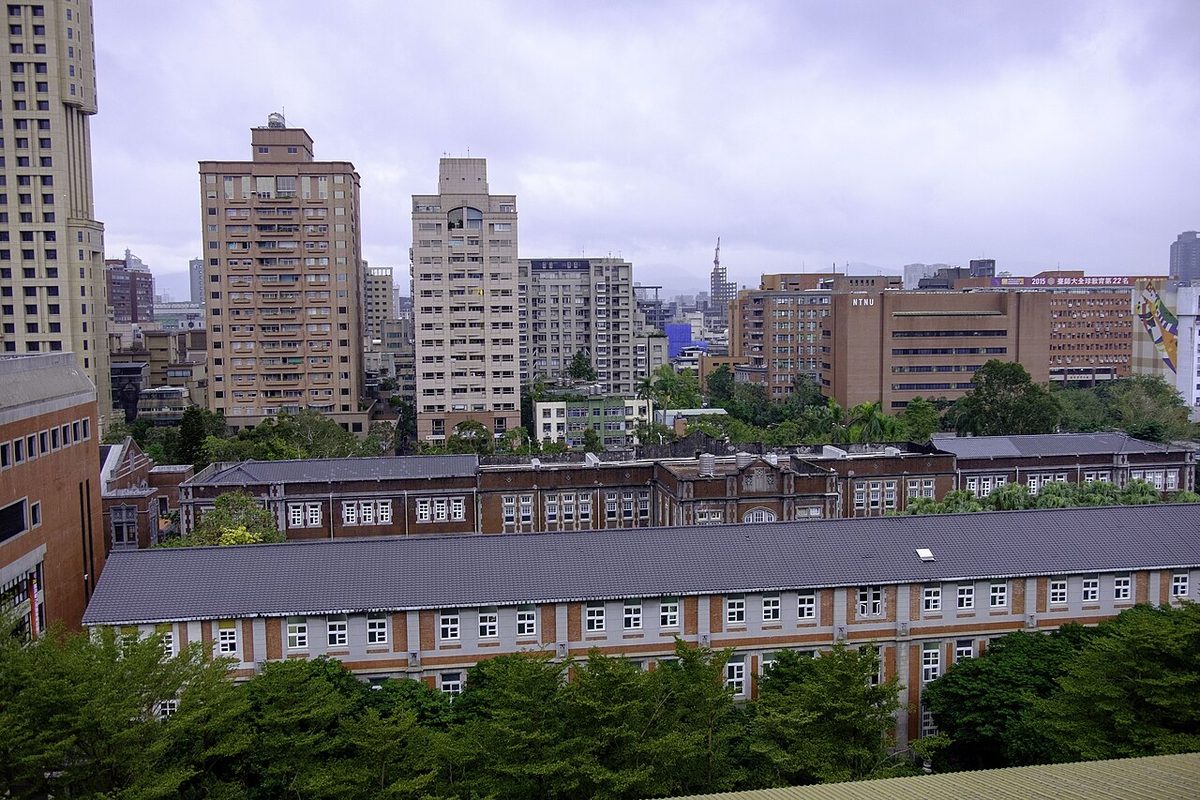
Shida Night Market is named for National Taiwan Normal University (師範大學, shifan daxue, shortened to 師大 or Shida). NTNU is Taipei’s second-largest university after National Taiwan University, and was founded in 1946 on Heping East Road, two minutes from the market lanes. Its Mandarin Training Center has taught Chinese to foreign students for decades, which is a big part of why this neighbourhood feels unusually foreigner-friendly.
The market’s roots go back to the 1960s, when vendors set up illegally in the long, thin Shida Park alongside Shida Road. When the city cleared them out in the late 1980s, some moved west and helped form what is now Nanjichang Night Market; others shifted into the narrow lanes just east of the park, where Shida sits today. Artsy cafes filled the area in the 1990s, fashion boutiques followed in the 2000s, and by around 2008 Shida was packed every night of the week.
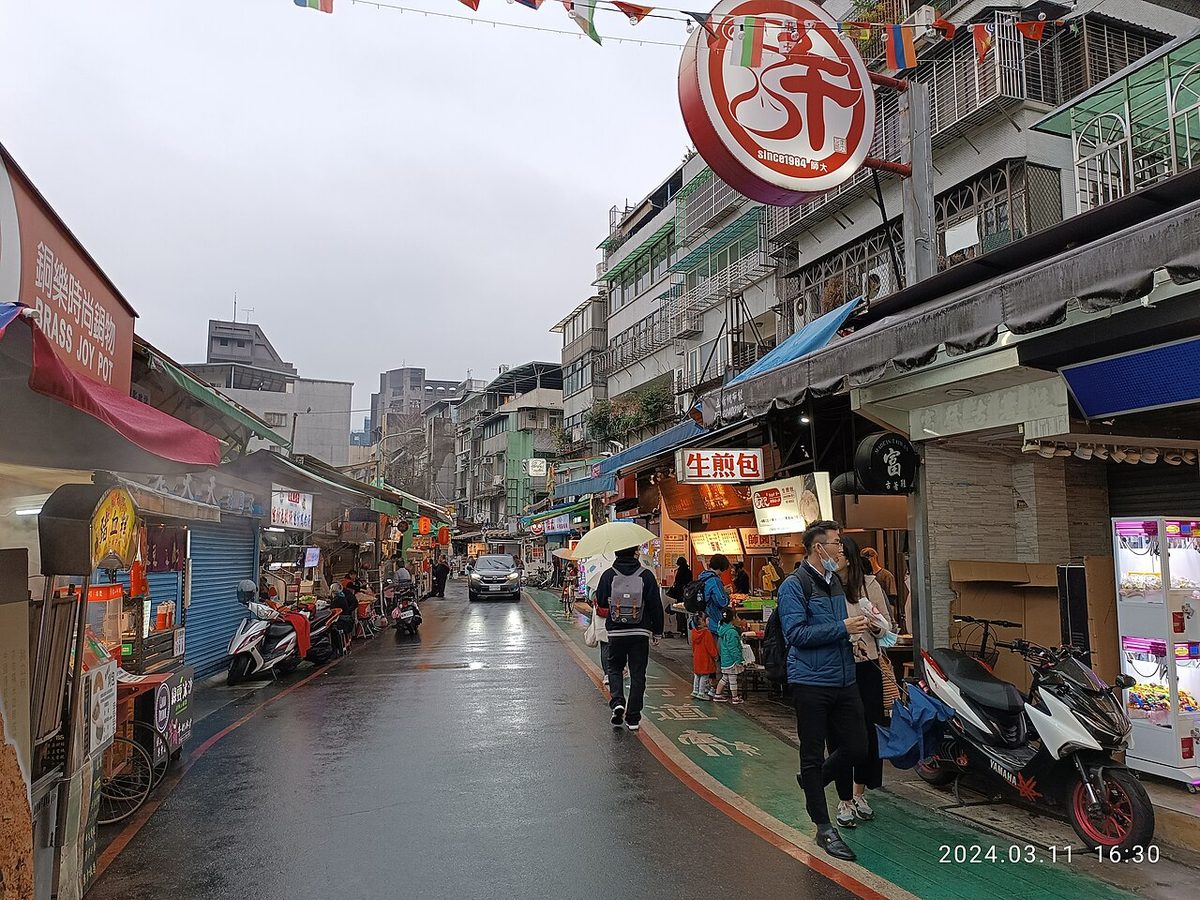
It is still several connected lanes rather than one dense street, which is why first-timers get lost. Lane 39 is the main event and holds the densest run of food stalls. Longquan Street runs parallel to Shida Road and crosses it, mixing food in the north with clothing shops in the south. Lanes 49 and 59 are quiet now — small restaurants, cafes and boutiques rather than street food.
What Actually Happened to Shida in 2011–2013
Almost every other guide gets this wrong. Shida didn’t drift smaller; it was regulated down, and the reason shapes what you’ll see.
The trigger: residents in surrounding apartment blocks complained for years about noise, cooking fumes, grease and rubbish from a commercial district that had spread into a legally residential zone.
The rule: under Taipei’s land-use regulations, premises on roads less than 6 metres wide in a residential zone cannot be used commercially. That single clause caught a large share of Shida’s lane-side shops.
The timeline: in November 2011 then-mayor Hau Lung-bin announced the market would not be allowed to expand further. In February 2012, around 30 restaurants on Pucheng and Longquan streets shut during lunch in protest and roughly 400 businesses turned their lights off for 30 minutes; the city’s Construction Regulation Office had by then issued violation notices to 91 shops. Pushcart vendors largely vanished over the following year.
The result: Shida never regained its peak, and it doesn’t appear on the Taipei City Market Administration Office’s list of managed night markets, while nearby Gongguan does. What survived is the core — the oldest shops on Lane 39 and Longquan Street, most in proper shopfronts rather than carts. That isn’t bad news: the stalls still standing are the ones good enough to survive a decade of pressure.
How to Get to Shida Night Market
By MRT
- Take the Songshan–Xindian (Green) Line to Taipower Building Station (台電大樓).
- Use Exit 3, which puts you on Roosevelt Road.
- Find Shida Road (師大路) and walk north — a straight 7–10 minutes.
- Shida Park is on your left; the market lanes (59, then 49, then 39) open off your right.
- Aim for Lane 39. Look for the Watsons on the corner.
Locals often approach from Guting Station instead, on both the Green and Orange lines: Exit 4, east along Heping East Road past the NTNU buildings, then south down Shida Road. Allow 10–12 minutes, and you walk past the university itself.
Reckon on 15 minutes from Taipei Main Station, 12–15 from Ximending, and 25–30 from Taipei 101 with one transfer. If you’re new to the network, our Taipei MRT guide covers fares, line colours and exit signage; trains stop shortly after midnight, so check the official first and last train times before a late finish.
By taxi and bike
A taxi from most central neighbourhoods runs NT$150–250. YouBike docks sit along Shida Road and around the park. Several bus routes stop at “Shida” or “Longquan Market,” but the MRT is simpler.
What to Eat at Shida Night Market
Shida’s reputation rests on what Taiwanese call high CP — high cost performance. Portions are large, prices are student prices, and the surviving stalls are old.
1. Lantern Braised Foods (燈籠滷味)
The flagship sits on the corner of Shida Road and Lane 39, under a Watsons, marked by big red lanterns. Open since 1992. Take a basket and tongs, pick from dozens of ingredients — dried tofu, kelp, quail eggs, pig’s blood cake, tripe, lotus root, mushrooms — and hand it over; they simmer it in a soy-and-spice broth. NT$30–100 per item, NT$120–200 for a decent pile. Indoor seating. Closed Mondays.
2. Taipei Soy Sauce Braised Foods (大台北平價滷味)
The other half of Shida’s famous pair, and arguably the more iconic. Dating to 1988, on Longquan Street just south of Lane 59, with an enormous selection — local write-ups count over 70 ingredients. No English menu; point and smile. Say nei yong (內用) to eat in, wai dai (外帶) to take away.
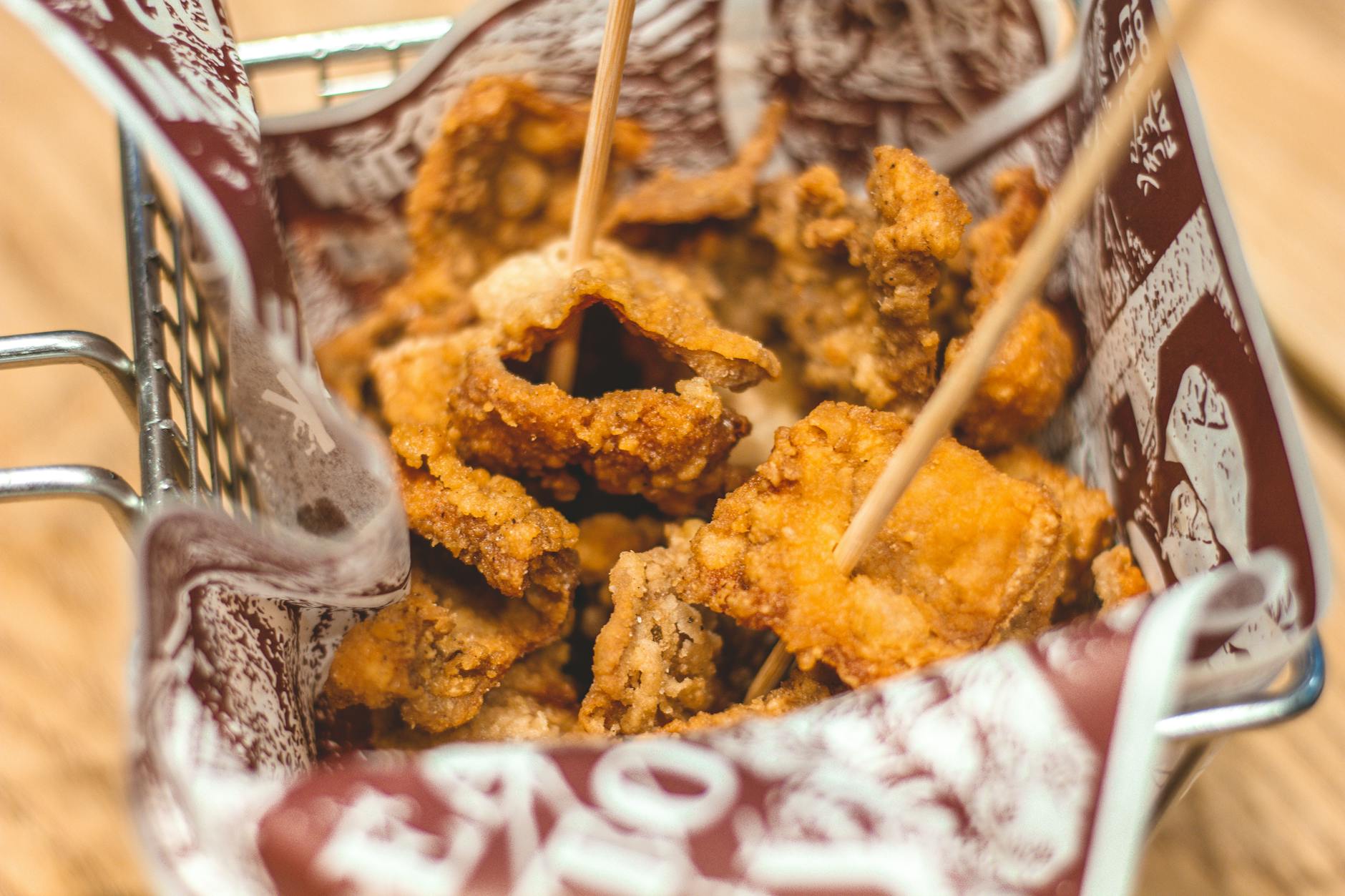
3. Shi Yuan Salt-Crispy Chicken (師園鹽酥雞)
The Lane 39 main store claims a 1984 founding and is Shida’s best-known fried stall — garlic-forward yan su ji plus taro chunks, green beans, cuttlefish, king oyster mushrooms and baiye tofu, chosen from a front display. Say yes when they offer fresh garlic, nine-layer basil and chilli powder. Two things to know: items are sold by the portion, not the piece, so three or four items feed two people, and there’s a small dine-in minimum of around NT$90 a head.
4. Hsu Ji Sheng Jian Bao (許記生煎包)
Pan-fried pork-and-cabbage buns, steamed then crisped underneath, sesame on top — moved from Lane 39 to Longquan Street but otherwise unchanged since 1984. Smaller than the usual sheng jian bao, which is the point: each is one bite of soft, juicy and crunchy at once. Recently around NT$15 each, cheaper by five or twelve. Look for the red-and-white 生煎包 sign and the round 許 logo.
5. Shida Raw-Fried Cuttlefish Stew (師大夜市生炒花枝羹)
On Lane 39, opposite the fried chicken shop, with a sign claiming 1975. Thick bonito-based stew loaded with big chunks of cuttlefish, cabbage and bamboo, finished with black vinegar and chilli — slightly sweeter than the Taipei norm. Around NT$80 a bowl, NT$90 with noodles. A few stools let you eat it hot.
6. Zuozhimei Taiwanese Tempura (佐之味甜不辣)
At the Lane 39 / Longquan corner. Taiwanese tianbula is nothing like the Japanese version — boiled fish-paste cake, blood rice cake, tofu and radish in a paper bowl with broth and a sweet-savoury, faintly peanutty sauce. Cheap, mild, a good opening dish.
7. Hohomei Pineapple Buns (好好味冰火菠蘿油)
North on Longquan Street. Hong Kong-style bolo bao — no pineapple, just a craggy sweet crust — split hot and stuffed with a slab of butter, three grades at roughly NT$45–65. Eat it immediately.
8. Classical Tea Shop (古早茶坊)
Between Lanes 39 and 49 on Longquan Street, an old-fashioned shopfront doing traditional iced herbal teas. Mandarin-only menu, so ask for one of three: wintermelon with grass jelly (冬瓜仙草蜜), smoked longan and jujube (桂圓紅棗茶), or sour plum soup (酸梅湯). Better than another bubble tea.
9. Jiao Tang Feng Barbecue (焦糖楓串燒)
At the end of Lane 59 facing Shida Road. Self-select skewers — lamb, taro, tofu, bacon-wrapped oddities — brushed with a caramel-sweet sauce. The skewers are kept refrigerated rather than in open air, and there’s a small air-conditioned seating area with cold beer.
10. Rice noodle soup, teppanyaki, and dessert
Further along Lane 39, Shida Rice Noodle Soup (師大米粉湯) serves short rice noodles in a mild pork broth with a tray of braised sides, and there’s a busy, good-value teppanyaki restaurant at the lane’s far end. For sweets, bubble tea runs NT$45–80 and mango shaved ice NT$120–200 in season (roughly May to September).
Worth walking a block for
- Wenzhou Street Radish Pancake (溫州街蘿蔔絲餅達人) — deep-fried shredded-radish cakes and scallion pancakes, a local legend a few blocks away.
- Longquan Fish Soup (龍泉深海鮮魚湯) — fish soup, braised pork rice and oyster congee in the traditional market toward Taipower Building.
- Yong Fung Sheng (永豐盛) — steamed buns; the Sanxing scallion bun is the one to get.
A Suggested Eating Route Through Shida
Start at the corner of Shida Road and Lane 39 and work this order to keep the hot things hot and the sweet things last.
- 1. Zuozhimei tianbula at the Lane 39 / Longquan corner. Share one bowl.
- 2. Shi Yuan salt-crispy chicken on Lane 39. Three items maximum: chicken, taro, green beans.
- 3. Cuttlefish stew directly opposite while the fryer works. Eat standing.
- 4. Hsu Ji sheng jian bao on Longquan Street. Five buns between two.
- 5. Braised foods — Lantern on the corner or Taipei Soy Sauce further south. Pick one, not both. Five or six items, not fifteen.
- 6. Classical Tea Shop sour plum soup to cut the grease.
- 7. Pineapple bun or shaved ice, eaten on a bench in Shida Park.
That’s roughly NT$350–450 a head over about 90 minutes. For the wider playbook, our guide to must-try night market foods covers the dishes you’ll meet across the city.
Shopping at Shida Night Market
Shopping is a real reason to come, but calibrate: this is cheap student fashion, not designer retail.
Cheap fashion and accessories
Longquan Street south of Lane 59, and the quieter parts of Lanes 49 and 59, are lined with small clothing shops aimed at students — roughly NT$200–800 a top, fast turnover, Korean- and Japanese-influenced styling. Bring cash and expect no fitting rooms in the smallest shops.
Vintage, indie and cute shops
Several shops in the wider Shida area do second-hand and retro Japanese pieces at NT$200–2,000, though stock rotates fast. A handful of independent boutiques run by young Taiwanese designers survive in the lanes, alongside plush-toy shops and stationery stores stocked with washi tape and calligraphy supplies. For serious local design, head to the dedicated Taiwanese designer and indie shops elsewhere in Da’an and Zhongshan.
What to skip
Souvenirs. Pineapple cakes, tea and gift-boxed snacks are better and cheaper elsewhere — see our guide to what’s actually worth buying at Taipei night markets first.
Cafes, Bars and the NTNU Neighbourhood
The biggest thing separating Shida from other Taipei night markets is that the neighbourhood is worth arriving early for. The 1990s cafe boom left a dense, still-thriving scene of independent coffee shops in the lanes around campus — including a couple of cat cafes just north of the market — plus foreign restaurants that grew up around the Mandarin Training Center: Indian, Mexican, burgers, Thai, around NT$200–400 a meal. A few blocks east, Qingtian Tea House (青田茶館) occupies a Japanese-era wooden house and does proper gongfu tea service. Our roundup of the best cafes in Taipei has more entries in this neighbourhood than any other.
For drinks afterwards, the market itself has almost no bar scene left; the famous expat pubs of the 2000s are gone. Walk 10–15 minutes east into central Da’an District for craft beer and cocktails.
Shida vs Shilin, Raohe and Ningxia
Every Taipei night market answers a different question.
- Shilin: biggest and most famous. Right for a first visit, maximum variety, and teenagers who want games as well as food. Also the most crowded and most tourist-priced.
- Raohe: the food specialist. One 600m lane, a temple at one end, famous pepper buns at the other. Highest concentration of must-eat dishes with the least walking.
- Ningxia: oldest and most old-school. 170m, family stalls going back 50–60 years, several Michelin Bib Gourmand names. For serious eaters on their second or third market.
- Shida: cheapest and calmest. Right if you’ve already done a big market, want a neighbourhood evening rather than a spectacle, are on a tight budget, or find crowds stressful.
Shida also differs in kind: it isn’t a city-designated tourist night market, so there’s no arch, no visitor centre and no souvenir infrastructure — just a neighbourhood that eats outside. If you’re only picking one market on a short trip, Shida shouldn’t be it; our comparison of the best night market in Taipei ranks them by traveller type.
Best Time to Visit Shida
Best arrival: 6:00–6:30 PM. Stalls are set up, crowds still light. The biggest shops open around midday, so a late-lunch visit genuinely works here in a way it doesn’t at Raohe.
Peak: 7:30–9:00 PM. Students and residents after class and work — still manageable.
Late: after 10 PM. Quieter; some stalls sold out, but the anchors trade past midnight.
Best days: Tuesday to Thursday. Thinnest: Monday, when several key shops rest.
Best months: mid-September to mid-November, when NTNU is in session and the weather is at its best. University holidays — roughly late January to mid-February and July to early September — visibly drain the crowd. Avoid Lunar New Year week, when many family stalls close for days.
Money, Seating and Other Practicalities
Cash is king. Almost every stall is cash-only. Bring NT$400–500 per person in small notes; a NT$1,000 note is awkward at a NT$60 stall. A few larger shopfronts take EasyCard, most don’t — our EasyCard guide covers where it works. Tipping isn’t expected. Budget NT$200 for a light graze, NT$350–450 for a proper dinner, NT$600 with drinks and a shirt — one of the cheapest nights out in the city, which is why it turns up in most budget Taipei plans.
Seating is better than you’d expect. Both braised-food shops, Shi Yuan and the teppanyaki restaurant have indoor tables; the barbecue place has air conditioning. Failing that, Shida Park has benches. That’s a real advantage over Raohe, where you eat standing.
English menus are mixed. Shi Yuan has one on request. The braised-food shops don’t — point, or learn wo yao zhege (我要這個), “I want this one.” Staff are used to foreign students and are patient.
Vegetarians do well here, because the braised and fried stalls are self-select: fill a basket with tofu, taro, mushrooms, corn, seaweed and greens. Two caveats — the broth and frying oil are shared with meat, and Taiwanese “vegetarian” snacks often contain egg or dairy. Strict vegans should look at dedicated vegetarian restaurants in Taipei.
Accessibility: Taipower Building Station has lifts and the walk up Shida Road is flat with proper pavements, but the lanes are narrow, uneven in places, and shared with scooters. A wheelchair or walker is workable before 7 PM and difficult after.
With kids: calmer than Shilin, with familiar food and somewhere to sit. There are no rides or arcades, so children hoping for that will be bored. Strollers are awkward at peak; arrive before 7 PM.
If it rains: much of surviving Shida is in shopfronts rather than under awnings, so it holds up better than open-air markets. In a downpour, retreat to the campus cafes or ride four stops north to Chiang Kai-shek Memorial Hall for covered halls and galleries.
Sample Shida Itinerary
Half-Evening Shida Visit (2 hours)
- 6:00 PM: Arrive at Taipower Building MRT, Exit 3.
- 6:15 PM: Walk north on Shida Road to Lane 39.
- 6:30 PM: Tianbula, then salt-crispy chicken.
- 7:00 PM: Cuttlefish stew or rice noodle soup.
- 7:30 PM: Braised foods at one of the two big shops.
- 8:00 PM: Browse Longquan Street clothing shops.
- 8:30 PM: Herbal tea or a pineapple bun in Shida Park.
- 9:00 PM: MRT back.
Full Da’an Evening (4 hours)
- 4:30 PM: Coffee near the NTNU campus, or tea at Qingtian Tea House.
- 5:30 PM: Da’an Forest Park.
- 6:30 PM: Shida, following the eating route above.
- 8:30 PM: East into Da’an for craft beer or cocktails.
- 11:00 PM: Last MRT, or a short taxi.
Common Mistakes
Over-ordering. Fried and braised items are priced per portion, and portions are big. Three or four items feed two.
Coming on a Monday. Several anchor shops rest.
Expecting the 2008 market. Old posts describe a sprawl that no longer exists.
Only walking Shida Road. The road is mostly chains; the market is in the lanes off it, especially Lane 39.
Ignoring scooters. The lanes aren’t pedestrianised. Keep to one side.
Skipping the daytime. Arrive at 4 PM, not 8 PM — the cafes and tea houses are half the reason to come.
One MRT stop south, or a twenty-minute walk through the café lanes around Wenzhou Street, Gongguan is Shida’s bigger, scruffier sibling: another student quarter, with cheaper food that runs from lunchtime until late, right next to the NTU campus and Treasure Hill Artist Village. Our Gongguan guide covers it.
Related Taipei guides
- Shilin Night Market: The Complete Guide for Tourists
- Raohe Night Market: Why Locals Call It the Best
- Tonghua Night Market: The Local-Favorite Taipei Market
- Nanjichang Night Market: Hidden Local Favorite
- Huaxi Street Night Market (Snake Alley) Guide
- Night Market Etiquette: How to Order Like a Local
Frequently Asked Questions
What is Shida Night Market?
A small, student-oriented night market in Taipei’s Da’an District, in the lanes beside National Taiwan Normal University. It is far smaller and less touristy than Shilin or Raohe, and known for cheap, generous braised and fried street food plus low-budget student fashion.
How do I get to Shida Night Market?
Take the Songshan–Xindian (Green) Line to Taipower Building Station, Exit 3, then walk north along Shida Road for 7–10 minutes. The market lanes open off your right, with Lane 39 the main one. Guting Station Exit 4 is a slightly longer alternative past the NTNU campus.
What time does Shida Night Market open and close?
Most food stalls run from about 5:00 PM to midnight, and the biggest shops open from midday and trade past midnight. There is no single official closing time, because Shida is not a city-designated tourist night market. Peak is 7:30–9:00 PM.
Is Shida Night Market closed on Mondays?
Not entirely, but several anchor businesses take Monday off, including Lantern Braised Foods. Monday evenings feel noticeably thin. Come Tuesday to Thursday if you can.
Is Shida Night Market still worth visiting after the crackdown?
Yes, with adjusted expectations. Enforcement of residential zoning rules from late 2011 removed most pushcart vendors and the market never regained its peak size. What survived is the oldest core, so food quality stays high even though the footprint is small.
What’s the best food at Shida Night Market?
The two braised-food institutions, Lantern Braised Foods (燈籠滷味) and Taipei Soy Sauce Braised Foods (大台北平價滷味), plus Shi Yuan salt-crispy chicken (師園鹽酥雞), Hsu Ji pan-fried buns (許記生煎包), the Lane 39 cuttlefish stew and Taiwanese tianbula. Finish with a pineapple bun or a traditional herbal tea.
How much does dinner at Shida Night Market cost?
Dishes run NT$50–150, and a satisfying multi-stall dinner is NT$200–400 per person. It is among the cheapest night markets in Taipei because it is priced for students rather than tourists. Bring cash in small notes.
How is Shida different from Shilin Night Market?
Shida is far smaller, calmer, cheaper and aimed at local students rather than visitors. Shilin is the biggest and most famous, with the widest variety and the biggest crowds. Choose Shilin for a first night market and Shida for a quiet second or third.
Is Shida Night Market good for vegetarians?
It is easier than most Taipei markets, because the braised-food and fried-food stalls let you pick your own ingredients — tofu, taro, mushrooms, corn, seaweed, greens. Broths and frying oil are shared with meat, so strict vegetarians and vegans should ask first or eat elsewhere.
Can I pay by card at Shida Night Market?
Assume not. Almost all stalls are cash-only and only a few larger shopfronts accept EasyCard or credit cards. Withdraw NT$400–500 per person beforehand, ideally in NT$100 notes and coins.
How long should I spend at Shida Night Market?
Forty-five to 90 minutes covers the market itself. Add the cafes, the NTNU campus and Shida Park and you have a comfortable three- to four-hour evening.
Can I visit Shida Night Market with kids?
Yes. It is calmer than Shilin, the food is child-friendly, and there is seating plus a park to retreat to. There are no fairground games or arcades, so children hoping for those will be disappointed. Bring a stroller only if you arrive before 7 PM.
Which other night market should I combine with Shida?
Don’t attempt two in one night. On a longer trip, pair Shida with Raohe or Ningxia on separate evenings, or with Gongguan, the National Taiwan University market a short ride south.
The Bottom Line
Shida Night Market is the alternative night market most tourists miss, and the one most guidebooks describe wrongly. The zoning crackdown that began in 2011 genuinely shrank it, but what survived was the good part: braised-food shops from 1988 and 1992, a fried chicken stall from 1984, a cuttlefish stew stand claiming 1975, and a neighbourhood of cafes with no equivalent at any other Taipei market. Go on a Tuesday or Wednesday, arrive around 6:30 PM with NT$500 in small notes, eat four or five things along Lane 39 and Longquan Street, and finish with a herbal tea in Shida Park. It won’t give you the spectacle of Shilin. It will give you a cheap, unhurried, genuinely local Taipei evening — which, on night three or four of a trip, is often exactly what you want.