This article contains advertising. Our booking links are routed through a partner that adds commission tracking automatically, so if you book through one we earn a commission from the provider, at no extra cost to you. It never affects what we recommend. Affiliate disclosure
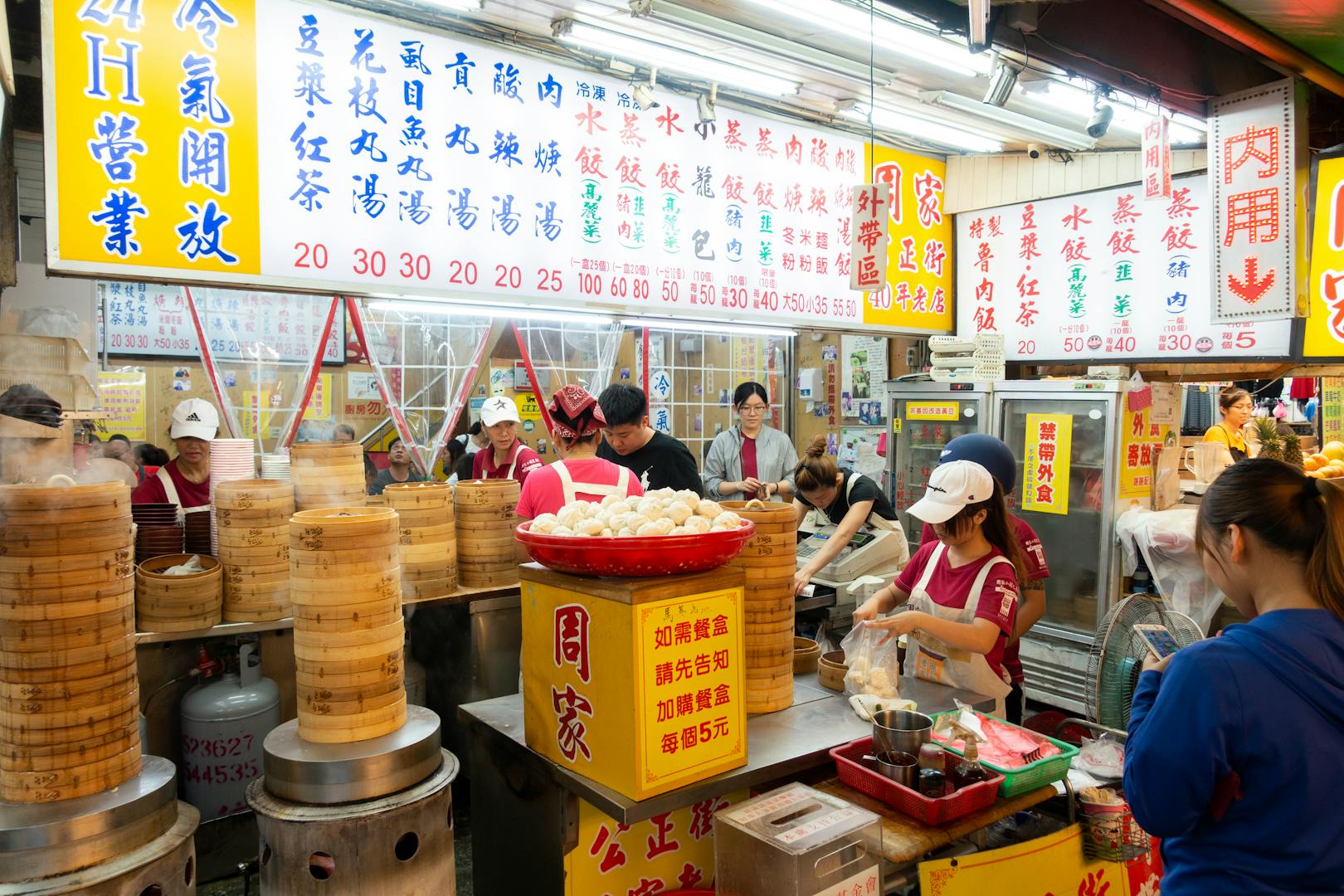
Taiwanese street food is the foundation of Taipei’s identity as one of Asia’s best food cities. Generations of families operating night-market stalls and small storefronts have created a cuisine of intense flavors, unbeatable value, and exceptional variety – from soup dumplings to fried chicken cutlets the size of your face, from stinky tofu to scallion pancakes, from bubble tea to shaved ice. This 2026 guide of Taiwanese street food covers 30 essential dishes every visitor should try, where to find them, what they cost, and which ones make the best introduction for first-time travelers.
Why Taiwanese Street Food Is Special
Taipei’s street food evolved from waves of culinary tradition – indigenous Taiwanese, Hokkien fishermen, mainland Chinese refugees post-1949, Japanese colonial influences, and modern fusion – all condensed into the night markets and small shophouses of the city. The result is more diverse than typical “Chinese food” stereotypes suggest. You will find Japanese-style fried snacks alongside Cantonese dim sum alongside Hakka mountain cooking alongside aboriginal grilled meats – often in the same night market.
What makes Taiwanese street food stand out globally: the consistent quality of small family-run stalls (many operating 40+ years with unchanged recipes), the obsession with texture (crispy outside, soft inside, chewy noodles), and the cheap prices (most snacks NT$50-150, complete meals NT$200-400). Visitors can sample 5-10 distinct dishes for under NT$500 in a single night market visit.
30 Must-Try Taiwanese Street Food Dishes
Soup and Noodles
1. Beef Noodle Soup (牛肉麵 niu rou mian): Taiwan’s signature dish. Hand-pulled or thick noodles in a rich beef broth with tender braised beef. Best at Yong Kang Beef Noodle, Lin Dong Fang, and Yi Tiao Lung Beef Noodle. NT$180-280 per bowl.
2. Lu Rou Fan (滷肉飯): Braised pork rice. Glossy ground pork over rice. The everyday Taiwanese meal. Best at Jin Feng (Yongkang Street), Formosa Chang. NT$60-120 per bowl.
3. Oyster Vermicelli (蚵仔麵線 ou a mi sua): Thick brown soup of vermicelli with fresh oysters and intestines. The signature Taiwanese soup. Try at Yuan Huan Pien at Huaxi Street and Tian Tian Li in Ximending. NT$80-150 per bowl.
4. Wonton Noodle Soup (餛飩麵): Clear broth with wontons and noodles. Comfort food. NT$80-180.
5. Ding Bian Cuo (鼎邊銼): Keelung specialty. Rice noodle soup with mussels, shrimp, pork, and vegetables. Available at Miaokou Night Market and Dingbianzuo King.
Dumplings and Buns
6. Xiao Long Bao (小籠包): Soup dumplings. The famous Taiwanese specialty. Din Tai Fung is the international flagship; Hangzhou Xiao Long Bao and Gao Ji are local favorites. NT$10-30 per dumpling.
7. Sheng Jian Bao (生煎包): Pan-fried dumplings with crispy bottoms and juicy fillings. Excellent at Kao Chi in Yongkang Street. NT$25-50 each.
8. Black Pepper Bun (胡椒餅): Pork-and-pepper filling in a charcoal-baked bun. Crispy outside, juicy inside. The Raohe Night Market signature at Fu Zhou Black Pepper Bun. NT$60-80 each.
9. Mantou (饅頭): Steamed buns. Plain or filled. Daily breakfast staple. NT$15-40 each.
10. Cong Zhua Bing (蔥抓餅): Hand-pulled scallion pancake. Layered, flaky, often topped with egg or cheese. NT$45-70 per pancake.

Fried and Grilled
11. Fried Chicken Cutlet (雞排 ji pai): The famous “Taiwanese fried chicken” – a chicken cutlet the size of a face, marinated and double-fried. NT$80-150 per piece. Hot-Star at Shilin Night Market is the classic.
12. Salt and Pepper Squid / Chicken (鹹酥雞 yan su ji): Crispy fried bits of chicken or squid with basil, garlic, and chili powder. NT$80-150 per portion.
13. Stinky Tofu (臭豆腐 chou dou fu): Fermented tofu, deep-fried, served with pickled cabbage and chili. Polarizing but iconic. Best at Stinky Tofu Lai’s (Nanjichang). NT$60-80 per portion.
14. Oyster Omelet (蚵仔煎 ou a jian): Egg omelet with fresh oysters, sweet potato starch, and greens, topped with sweet-savory sauce. NT$80-130. Ningxia and Shilin specialty.
15. Grilled Mochi (烤麻糬): Sticky rice cake grilled over charcoal. Sweet and chewy. NT$40-80.
Rice and Grain Dishes
16. Bian Dang (便當): Taiwanese lunch box. Rice with pork chop, cabbage, egg, and vegetables. Excellent train-station food. NT$80-150 per box.
17. Jia Tien Mi (假田泥): Hot mochi balls in sweet ginger soup. Winter specialty. NT$50-80 per bowl.
18. Sticky Rice in Bamboo (竹筒飯): Sticky rice with pork and mushrooms steamed in a bamboo tube. Atayal indigenous specialty available at Wulai. NT$80-120.
19. Glutinous Rice Roll (飯糰): Breakfast rice ball with pork floss, dried radish, egg, and yu tiao inside. NT$50-80.
Sweet Snacks
20. Pineapple Cake (鳳梨酥 feng li su): Butter pastry filled with pineapple jam. Taiwan’s signature souvenir. SunnyHills and Chia Te are the famous brands. NT$30-50 per piece.
21. Shaved Ice (剉冰): Mountain of shaved ice with fruit, condensed milk, and toppings. Mango shaved ice (芒果冰) is the summer classic. NT$150-300 per portion.
22. Tofu Pudding (豆花 dou hua): Silky cold tofu with sweet syrup and toppings (taro, peanuts, red beans). NT$50-90 per bowl.
23. Tang Yuan (湯圓): Sticky rice dumplings in sweet ginger broth. Traditional and modern versions. NT$50-100.
24. Sun Cake (太陽餅 tai yang bing): Flaky pastry filled with malt sugar. Best at Yu Jan Shin. NT$30-50 per cake.
25. Castella Cake (蜂蜜蛋糕): Tall, jiggly sponge cake, fresh-baked. Best at Nanjichang Night Market. NT$80-150 per slice.
Drinks
26. Bubble Tea (珍珠奶茶 zhen zhu nai cha): The original. Tea with milk and chewy tapioca pearls. Best at Chun Shui Tang (the original inventor) and Chen San Ding. NT$50-120.
27. Sugar Cane Juice (甘蔗汁 gan zhe zhi): Fresh pressed sugar cane. Sweet and refreshing. NT$40-60 per cup.
28. Soy Milk (豆漿 dou jiang): Hot or cold, sweet or savory. Yong He Soy Milk King is the famous chain. NT$30-60.
29. Aiyu Lemon Drink (愛玉檸檬): Fig-jelly with lemon. Cooling summer drink. NT$30-60.
30. Wintermelon Tea (冬瓜茶): Sweetened wintermelon drink. Traditional cool refreshment. NT$25-50.
Where to Find Taiwanese Street Food
Night Markets
The classic destinations. See our individual night market guides for details:
Shilin Night Market: The largest. Best for first-time visitors. Wide variety.
Raohe Night Market: Famous for black pepper buns. Cleaner walking experience than Shilin.
Ningxia Night Market: Smaller, food-focused, all-Taiwanese specialties.
Nanjichang Night Market: Most authentic local. Michelin Bib Gourmand recognitions.
Huaxi Street (Snake Alley): Historic medicinal food. Combined with Longshan Temple visit.
Tonghua Night Market: Small residential market, authentic local feel.
Shida Night Market: University-area, younger crowd, modern fusion.
Famous Stand-Alone Shops
Yong Kang Beef Noodle: The legendary beef noodle shop. NT$200-300.
Jin Feng Braised Pork Rice: Yongkang Street, the lu rou fan classic.
Fu Hang Soy Milk: Most famous traditional breakfast in Taipei. Queue out the door.
Hot-Star Large Fried Chicken: Shilin original. NT$80-150 per piece.
Chun Shui Tang: The bubble tea inventor.
Din Tai Fung: Xiao long bao chain.
Department Store Food Halls
Mitsukoshi Xinyi B1, Eslite Spectrum food courts, Breeze Nan Shan basements all have curated Taiwanese food selections – cleaner environment, English menus, slightly higher prices than night markets but excellent quality.
Eating Like a Local: Practical Tips
Bring cash. Night markets and traditional stalls are cash-only. Bring NT$500-1,000 in small bills.
Eat at busy stalls. Lines mean quality. The most-photographed stalls usually deserve their popularity.
Try less famous spots. Quietest stalls often serve the best food. Walk slowly, follow your nose.
Order in small amounts. Most snacks are NT$50-100. Order several different ones rather than filling up on one dish.
Stand and eat. Most night market food is walking food. Find a free spot to stand and eat between stalls.
Use Google Translate camera mode. For Chinese-only menu boards.
Watch the cooking process. Many stalls cook in front of you. Choose stalls where the cook is visibly engaged and the line is moving.
Communication tips. Point at what you want; learn “Zhe ge” (this one) and “Yi ge” (one) for ordering.
Spice level. Most Taiwanese food is mild. “Bu yao la” (no spicy) for ultra-mild; “Yi dian la” (a little spicy) is the standard. True Sichuan-style spice is rare outside specialty restaurants.
Vegetarian options. Look for “素” (vegetarian) signs. Most night markets have at least a few vegetarian stalls. Stinky tofu is often vegan (check the cooking oil and broth).
Allergies. Print a Chinese-language allergy card. Peanuts, sesame, shellfish, and gluten are commonly used.
Hygiene. Taiwanese food safety is generally excellent. Choose busy stalls with high turnover for the safest food.

One-Night Taiwanese Street Food Crawl
If you want to taste-test the breadth of Taiwanese street food in one night:
6:30pm: Arrive at Ningxia Night Market.
7pm: Start with savory: black pepper bun + oyster omelet + sticky rice roll. NT$200.
7:30pm: Move to dumplings: xiao long bao or sheng jian bao at a famous stall. NT$200.
8pm: Mid-walk snack: fried chicken cutlet + salt crispy chicken. NT$200.
8:30pm: Try something challenging: stinky tofu. NT$80.
9pm: Drink: bubble tea or sugar cane juice. NT$80.
9:30pm: Dessert: shaved ice with mango or tofu pudding. NT$150.
10pm: Final stop: castella cake to take home. NT$120.
Total per person: NT$1,000-1,200. You will have tasted 8 different dishes representing the range of Taiwanese street food.
Taiwanese Street Food vs Other Asian Cuisines
How does Taiwan’s street food compare to other Asian capitals?
Vs Bangkok: Taipei is generally cleaner and more polished. Bangkok has more variety in seafood and curries; Taipei excels at dumplings, soups, and bakery.
Vs Singapore: Singapore is more standardized through hawker centers. Taipei is more diverse with both night markets and small storefronts.
Vs Hong Kong: Hong Kong has stronger Cantonese dim sum culture. Taipei has stronger noodle and soup culture.
Vs Tokyo: Tokyo has more refined specialty restaurants. Taipei has more accessible cheap eats.
Taiwanese street food sits in a unique position – cleaner than Bangkok, more varied than Singapore, more accessible than Tokyo, with prices below all of them.
Related Taipei guides
- Michelin Restaurants in Taipei: The Guide
- Best Taipei Food Tours: Which One to Book
- Best Cafes in Taipei: Coffee, WiFi & Aesthetics
- Things to Do in Taipei: 45+ Must-See Attractions & Experiences
Frequently Asked Questions
What is the most famous Taiwanese street food?
Beef noodle soup (niu rou mian), xiao long bao soup dumplings, lu rou fan braised pork rice, oyster vermicelli (ou a mi sua), and bubble tea (zhen zhu nai cha) are the top five. Each has multiple variations across Taipei and an active fan culture among locals.
Where can I find the best Taiwanese street food?
Night markets are the classic destinations – Shilin (largest), Raohe (famous for black pepper buns), Ningxia (food-focused), Nanjichang (most authentic, Michelin recognitions). Famous stand-alone shops include Yong Kang Beef Noodle, Fu Hang Soy Milk, and Din Tai Fung.
Is Taiwanese street food spicy?
Mostly no. The default Taiwanese flavor profile is mild and slightly sweet, with savory umami from braising. Sichuan-style spicy food exists but is not the norm. Most night market dishes are kid-friendly mild; spice is optional add-on at the table.
How much does Taiwanese street food cost?
Individual snacks NT$30-150. A complete meal from multiple stalls NT$200-400 per person. Premium items like fresh oyster omelet or grilled crab NT$300-500. A full night market crawl with 5-8 dishes typically lands at NT$500-800 per person.
Is Taiwanese street food safe?
Yes, broadly. Food safety standards are high at night markets and traditional stalls. Choose busy stalls with high turnover. Sticking to cooked-to-order items reduces any minor risk. Most tourists eat freely without issues.
Are there vegetarian Taiwanese street food options?
Yes. Vegetarian stalls cluster at most night markets with “素” signs. Common vegetarian options: scallion pancakes, oyster mushroom omelet, stinky tofu (usually vegan), shaved ice, tofu pudding, fresh fruit juice. Ningxia and Shilin have the most vegetarian options.
What is the best Taiwanese street food for first-time visitors?
Start with: xiao long bao (universally loved), beef noodle soup (signature dish), scallion pancake (easy walking food), bubble tea (drink), and mango shaved ice (dessert). These five give you a strong introduction without challenging flavors.
What about stinky tofu?
The most famous “challenging” Taiwanese street food. Smell is intense (the fermented odor is unmistakable). Taste is much milder than the smell – savory, slightly bitter, with the texture of crispy fried tofu. Try at least once at a reputable stall like Stinky Tofu Lai’s. Many fall in love after the first bite.
How do I order Taiwanese street food without speaking Chinese?
Point at what you want and say “Zhe ge” (this one). Use Google Translate camera mode for Chinese-only menus. Use numbers for quantities. Most vendors understand basic English food terms. Pointing and gesturing works fine at almost every stall.
Can I bring Taiwanese street food home as a souvenir?
Some yes, most no. Pineapple cake, sun cake, and castella cake all travel well in checked luggage. Bubble tea and shaved ice obviously do not. Sealed dried foods (tea, mochi, salt crispy mix) work for souvenirs. Most fresh street food should be eaten in Taiwan.
The Bottom Line
This guide of Taiwanese street food covers 30 dishes that define Taipei’s food identity – from beef noodles to bubble tea, from xiao long bao to stinky tofu. Visit a night market in the evening, try 5-8 small portions across savory and sweet categories, and bring NT$500-1,000 in cash. The breadth, quality, and value of Taiwanese street food make it one of the best food destinations in Asia, particularly for travelers who want to eat well without spending a fortune.