This article contains advertising. Our booking links are routed through a partner that adds commission tracking automatically, so if you book through one we earn a commission from the provider, at no extra cost to you. It never affects what we recommend. Affiliate disclosure
The short answer to “is Taipei safe for tourists” is yes – dramatically so. Taipei consistently ranks among the top 10 safest large cities in the world, ahead of every other major Asian capital, with violent crime rates lower than most Western cities of comparable size. Tourists can walk back to hotels at 2am, take public transport at any hour, leave bags briefly unattended at cafes (though we don’t recommend this), and travel solo without significant safety concerns. This 2026 guide covers what tourists actually need to know about safety in Taipei – crime rates, common scams, health risks, transit safety, and emergency contacts.
How Safe Is Taipei?
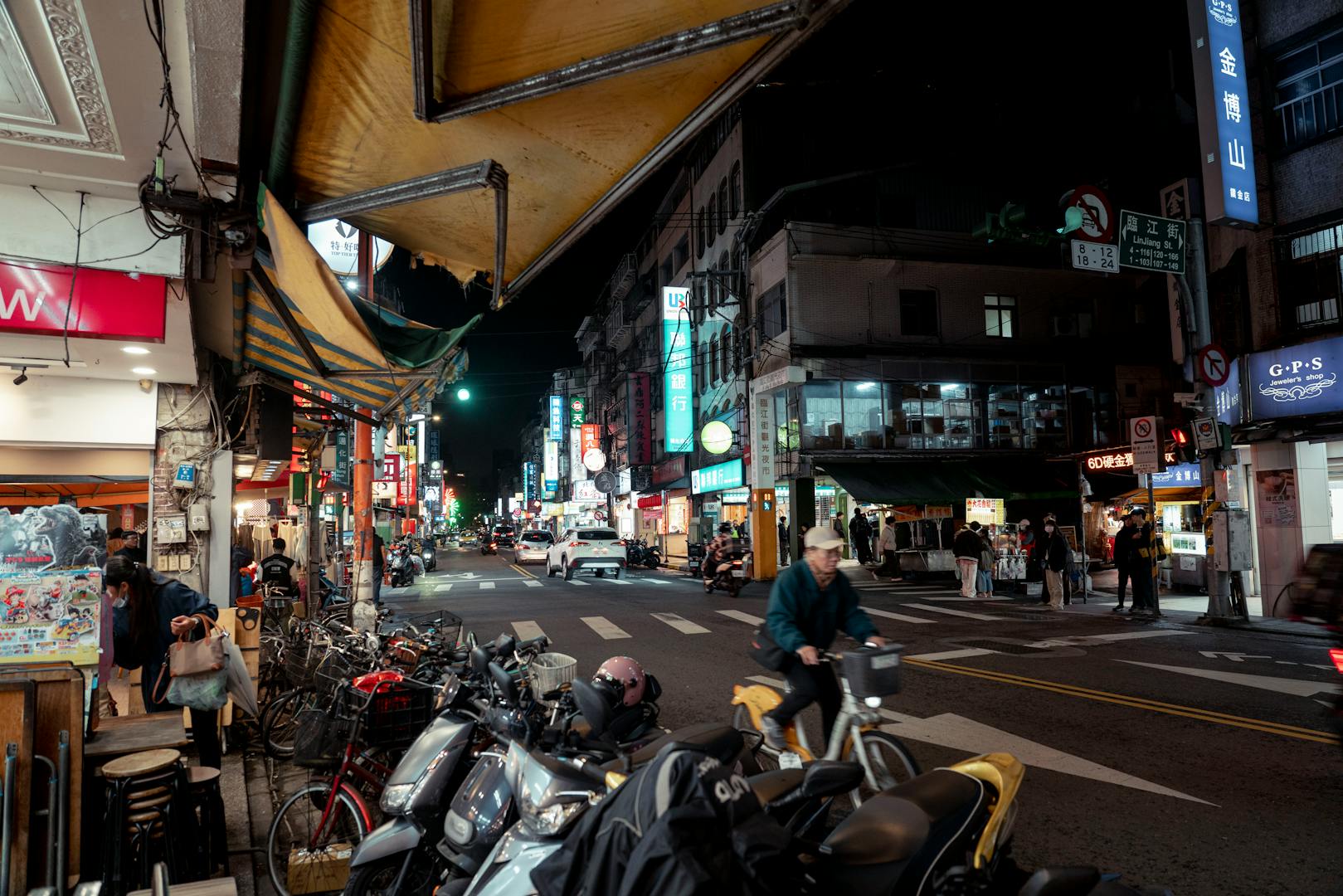
Quantitatively: Taipei is one of the safest large cities globally. The Numbeo Safety Index ranks Taipei in the top 10 of major world cities, ahead of Tokyo, Seoul, Singapore, Hong Kong (all very safe by global standards) and dramatically ahead of every Western European or North American capital. The Economist’s Safe Cities Index also ranks Taipei highly across all four categories (digital, health, infrastructure, personal).
Qualitatively: locals leave bicycles unlocked outside convenience stores, cafe customers leave laptops at tables when they go to the bathroom, women walk solo at 3am with no concern, and tourists report consistently positive safety experiences. Even high-crime activities in other cities (taking the late-night subway home, walking through unfamiliar neighborhoods, leaving bags at restaurant tables) are routinely safe in Taipei.
None of this means zero risk – petty theft, scams, and accidents happen. But the baseline is unusually safe, and tourists who use normal urban precautions have very low risk of serious incidents.
Violent Crime in Taipei
Extremely rare. The 2024 murder rate in Taipei was approximately 0.6 per 100,000 – among the lowest of any major world city. Violent crime against tourists is essentially non-existent – the FCO, US State Department, and other government travel advisories rank Taiwan as low-risk.
Specific notes:
Mugging is extremely rare. Walking late at night in any district is generally safe.
Sexual assault against tourists is rare but does happen, particularly in nightlife situations. Standard precautions apply.
Gang and organized crime exists in Taiwan but operates primarily in business and gambling contexts; tourists almost never encounter it.
Political violence is essentially zero. Demonstrations occur but are peaceful and well-managed.
Mass shootings, terrorism, and large-scale violence are statistically negligible in Taipei.
Petty Crime: What Actually Happens
Petty crime is also low by international standards but more common than violent crime. Things tourists should be aware of:
Pickpocketing: Rare but possible in extremely crowded settings – peak-hour MRT, night market crushes during major events, popular tourist sites during Chinese New Year. Use standard precautions: zip your bags, don’t put valuables in back pockets, be aware of your surroundings in dense crowds.
Phone snatching: Rare. Most reported incidents involve scooter-riding thieves grabbing phones from cafes or pedestrians; Taipei has very few of these compared to Bangkok or Manila.
Hotel theft: Almost never. Most reported incidents are simple misplacement of items, not actual theft. Use in-room safes for cash and valuables but you don’t need to be paranoid about hotel staff.
Restaurant and cafe bag theft: Rare. Locals routinely leave bags at tables when they go to bathrooms. Some moderate caution at very busy tourist cafes (Yongkang Street, Ximending area). Best practice: don’t leave bags unattended in tourist-heavy areas.
Taxi scams: Almost never. Taxi drivers are licensed, metered, and trustworthy. Some occasional charging higher rates to foreigners; metered fares prevent this. Uber and Line Taxi use the same metered pricing without driver-discretion.
Counterfeit money: Almost never. Modern Taiwanese banknotes have multiple security features. Foreign currency exchange counters and ATMs are legitimate.
Common Scams to Avoid
Taipei has fewer scams than most tourist destinations, but a few do exist:
“Friendly stranger” tea ceremony scam: A friendly local approaches you, invites you to a tea ceremony or to “practice English,” and then leads you to a tea house where you are pressured to buy overpriced products. Extremely rare in Taipei but exists. Politely decline if you sense pressure.
“Karaoke bar” scam: Rare in Taipei but occasionally reported. A friendly local invites you to a “fun bar” that turns out to charge extreme prices for drinks and “hostess” company. Avoid by staying with known venues; check Google reviews of any unfamiliar bar before going.
Overpriced tourist transactions: Some night market vendors and traditional shops charge higher prices to foreigners. Counter with simple comparison shopping and the phrase “Tai gui le” (too expensive). Most vendors offer fair prices; the worst overcharging is 30-50% over local price.
Fake monks asking for donations: Some “monks” at temples or tourist sites ask for donations – they may not be authentic. Real monks rarely solicit publicly. Skip donations to anyone you do not recognize as legitimate.
Online dating scams: Some travelers report meeting locals through apps who turn out to be scammers. Standard precautions apply – meet in public places, watch for inconsistent stories, do not send money.
Tour booking scams: Use established booking platforms (Klook, KKDay, Booking.com) rather than random street-corner tour offerings. Established platforms have refund protections.
Overall scam risk in Taipei is dramatically lower than in Bangkok, Ho Chi Minh, or most European tourist capitals.
Transit Safety in Taipei
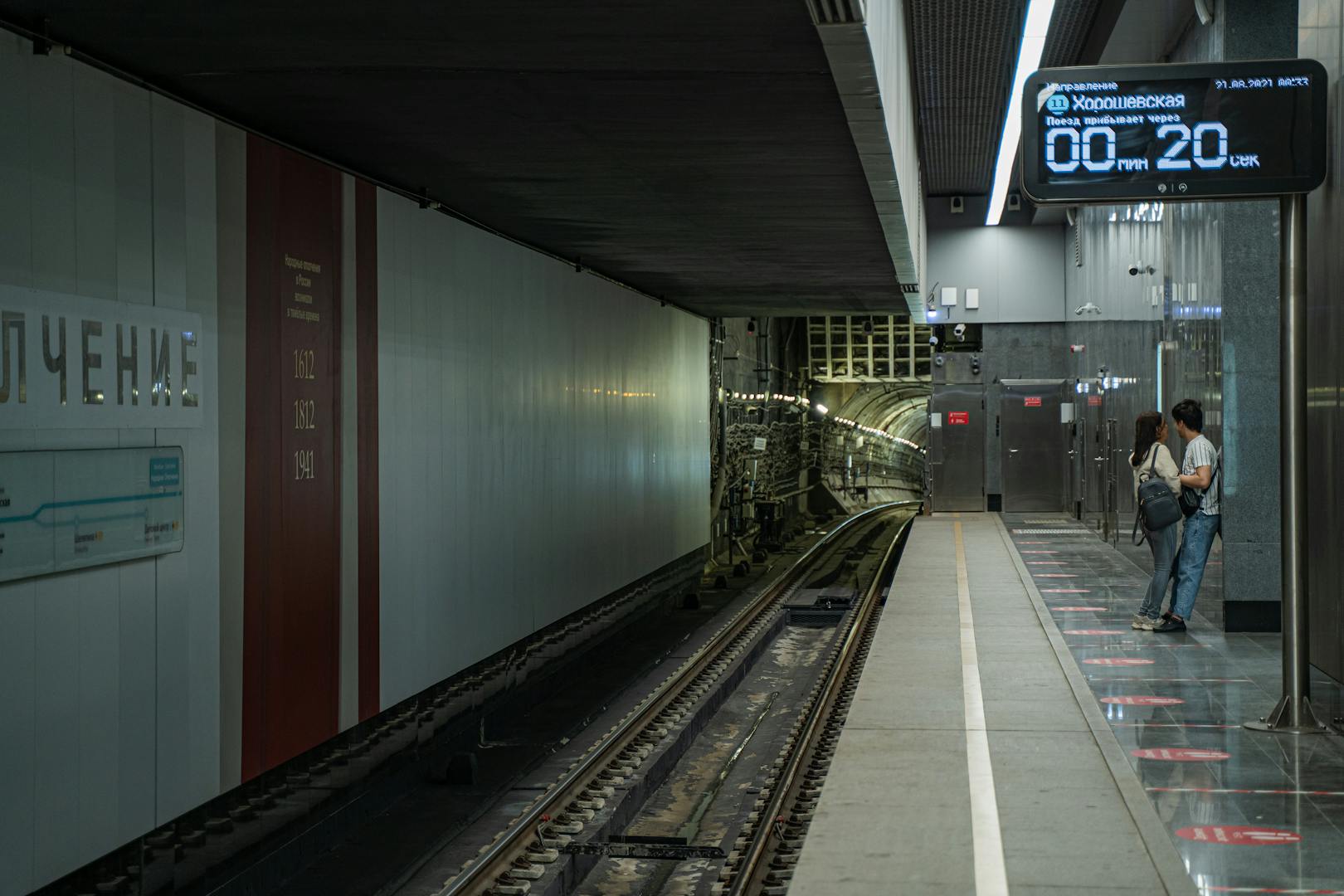
Taipei has one of the safest public transport systems in the world.
MRT (subway): Extremely safe. CCTV throughout. 24-hour staff at most stations. Very low crime reports. Safe for solo travelers at any operating hour (5:30am-midnight). Pickpocketing risk is low even at peak crowds.
Buses: Safe but less monitored than MRT. Some crowded peak-hour buses can be uncomfortable but rarely unsafe.
Taxis: Licensed, metered, and reliable. Drivers carry visible ID and license. Almost no reports of overcharging or threatening behavior. Late-night taxis are safe.
Uber and Line Taxi: Same drivers as licensed taxis. App-based safety tracking. Excellent for solo travelers wanting an additional safety layer.
YouBike: Safe public bike system. Use bike paths where available. Same precautions as anywhere – bike lights at night, helmet recommended.
Trains (TRA and HSR): Very safe. Reserved seating, security cameras, professional staff.
Walking late at night: Safe in all central Taipei neighborhoods. Some neighborhoods feel grittier (Wanhua at 3am, certain industrial corners) but actual crime risk remains low.
Scooters and motorcycles: Taipei has heavy scooter traffic. Pedestrians should be cautious crossing streets; scooters sometimes use sidewalks at low speeds. Watch for them when stepping off curbs.
Health and Medical Safety
Taiwan has a world-class healthcare system. Specific notes for tourists:
Tap water: Generally safe to drink in Taipei but locals usually filter or boil. Bottled water is everywhere (NT$25 for 500ml at 7-Eleven) and removes any concern.
Food safety: Excellent. Even street food and night markets meet good hygiene standards. Food poisoning is uncommon for tourists. Stick to busy stalls with high turnover for best results.
Air quality: Generally good but occasionally moderate during pollen and yellow dust season (February-April). Use a mask if AQI exceeds 150.
Mosquitoes and dengue: Dengue fever risk is low in Taipei but exists, particularly during summer (June-September). Use mosquito repellent if you have outdoor activities planned.
Sun and heat: Summer (June-September) is hot and humid. Heat exhaustion is real – hydrate, use sunscreen, take indoor breaks.
Pharmacies: Widespread (Watsons, Tomod’s, every neighborhood). Most basic medications available without prescription. Pharmacists usually speak some English.
Hospitals: Excellent quality. Major options include Taipei Adventist Hospital (international-friendly), National Taiwan University Hospital, and Taipei Veterans General Hospital. Most major hotels can recommend English-speaking doctors.
Emergency care: Call 119 for ambulance. Emergency rooms accept walk-ins; payment by credit card with subsequent insurance claim.
Travel insurance: Strongly recommended. Costs are reasonable – typical emergency hospital visit NT$1,000-5,000 (US$30-160) for routine care; serious incidents can run NT$50,000-200,000+ (US$1,500-6,500+).
Natural Disaster Risks
Taipei sits in the typhoon belt and on active geological terrain. Specific risks:
Typhoons: Significant risk May-November, peak August-September. Modern forecasting gives 3-7 days warning. See our Taipei Typhoon Season guide for full details.
Earthquakes: Taiwan sits on the Ring of Fire. Small tremors are routine (1-2 per month felt). Major earthquakes are rare but happen (1999 Chi-Chi earthquake, 2024 Hualien earthquake). Modern buildings are earthquake-engineered to high standards.
Flooding: Heavy rain can cause local flooding in low areas. Wanhua and Shilin are most flood-prone. Walk on higher ground during heavy rain.
Landslides: Mountain roads (Yangmingshan, Wulai) can be affected after heavy rain or typhoons. Stay on developed roads and trails.
Modern Taipei infrastructure handles these risks well. The MRT keeps running through earthquakes, hospitals operate during typhoons, and emergency response is rapid.
Safety for Specific Travelers
Solo Female Travelers
Taipei is one of the safest large cities for solo female travelers in Asia. Walking at night, public transport, hotels, restaurants all generally safe. Standard precautions: tell someone your plans, share location with friends, avoid excess alcohol at unfamiliar bars, use known transport apps.
LGBTQ+ Travelers
Taipei is the most LGBTQ-friendly major city in Asia. Same-sex marriage legal since 2019. Public affection accepted. Hate crimes essentially non-existent. See our LGBTQ Nightlife Taipei guide.
Families with Children
Excellent. Kid-friendly infrastructure, low crime, helpful locals, family bathrooms widespread, English-friendly chain restaurants. Strollers fit on MRT.
Older Travelers
Very safe. Senior discounts on transit (with passport ID). Excellent medical care. Walkable city with elevator access everywhere.
People with Disabilities
MRT system is fully accessible. Most modern buildings have elevators. Some older neighborhoods (Wanhua, parts of Da’an) have older infrastructure with stairs and narrow sidewalks. Wheelchair-accessible taxis available via apps.

Emergency Contacts
Know these before you arrive:
119: Ambulance, fire, all emergencies.
110: Police, including for tourist scams or non-violent incidents.
112: Universal European emergency number (works in Taiwan too).
0800-024-111: Taipei City 24-hour foreigner-assistance line. English speakers available.
Tourist Assistance Hotline: 0800-011-765 (24-hour, multilingual).
Your embassy: Most major countries have consular offices in Taipei. American Institute in Taiwan (AIT), British Office Taipei, etc. Carry contact details for serious passport or legal issues.
Travel insurance hotline: Carry your specific insurance company’s 24-hour emergency contact.
Hotel concierge: Your first line of defense for non-emergency issues. They can help with translation, lost items, and arranging medical care.
Common-Sense Safety Tips
Even in a safe city, basic precautions:
Keep copies of your passport. Carry the original; keep digital backups on your phone and in cloud storage.
Use the hotel safe. For cash, jewelry, and electronics you’re not using daily.
Be cautious with new friends. Especially at bars or nightclubs – meeting genuine locals is great, but watch for scammers who appear too eager.
Carry insurance information. Including emergency contact numbers and policy numbers, accessible without phone.
Stay connected. Buy a Taiwan SIM at the airport (NT$300-600 for 7 days) or use international roaming. Constant connectivity makes navigation and emergencies easier.
Watch your drink. Same as anywhere. Drug-facilitated assaults are rare in Taipei but standard precautions apply.
Don’t engage with overly persistent strangers. Most “friendly” street approaches in tourist areas are scammers. Polite decline; walk away.
Take photos of business cards and addresses. Useful for taxis and lost-and-found.
Trust the official transport system. Always use licensed taxis, MRT, and reputable apps. Avoid unlicensed transport (unmarked vans, “private drivers” without verified identification).
Share your itinerary. Tell someone home your daily plans. Use location sharing for solo travel.
Safety and health are separate questions, and the second one is worth a look before you travel. Falling ill in Taipei is remarkably undramatic – walk into a neighbourhood clinic, pay a few hundred NT$, walk out with the medication – but knowing which door to use saves an afternoon. Our guide to getting medical help in Taipei covers clinics, pharmacies, emergency numbers and the insurance cover worth checking.
Related Taipei guides
- Taipei Travel Guide : The Complete Planning Resource
- Taipei Weather & Best Time to Visit: Month-by-Month Guide
- How Many Days in Taipei Are Enough? An Honest Guide
- The Perfect 3-Day Taipei Itinerary for First-Timers
- 5-Day Taipei Itinerary: Attractions + Day Trips
- 7-Day Taipei Itinerary: The Ultimate Deep Dive
Frequently Asked Questions
Is Taipei safe for tourists?
Yes – Taipei is one of the safest large cities in the world. Violent crime rates are dramatically lower than most Western cities of equivalent size. Tourists can walk at night, use public transport at any hour, and travel solo with very low risk of serious incidents.
Is Taipei safe at night?
Yes. Walking, taking the MRT, and using taxis at night are all safe in central Taipei. Even at 2-3am, most neighborhoods are well-lit, populated, and patrolled. Solo female travelers, LGBTQ+ travelers, and older travelers all report consistently positive safety experiences at night.
Is Taipei safer than Tokyo or Seoul?
Approximately equivalent. All three cities rank in the top 10 of safest large world cities. Tokyo has slightly more sophisticated public transport security; Seoul has slightly more crowded transit; Taipei has the most relaxed everyday safety atmosphere. All are dramatically safer than Western capitals of equivalent size.
What is the biggest safety risk in Taipei?
Statistically: traffic. Scooters, taxis, and pedestrian interactions cause more tourist injuries than crime. Pay attention crossing streets, watch for scooters on sidewalks, use crosswalks. Other low-frequency risks include typhoons (May-November), earthquakes (rare but real), and occasional petty theft in crowded tourist areas.
Are scams common in Taipei?
Less common than in most tourist destinations. The classic “friendly stranger tea ceremony” scam is rare. Major scam risk is at unfamiliar bars (overpriced drinks, “hostess” charges). Use known venues, check Google reviews, and avoid being led to second-location businesses by strangers.
Is the Taipei MRT safe at night?
Yes. CCTV throughout, staffed at all hours, very low crime reports. Solo travelers safely use the MRT at 11:30pm-midnight (the last trains). Pickpocketing is rare; serious crime is essentially non-existent.
Can I drink the tap water in Taipei?
Technically safe but locals usually filter or boil. Bottled water is everywhere and inexpensive (NT$25 for 500ml). For coffee, tea, and brushing teeth, tap water is fine. For drinking water directly, bottled is the easier default.
What should I do in case of an earthquake in Taipei?
Modern Taipei buildings are earthquake-engineered. If you feel a tremor: stay inside, move under sturdy furniture (table or desk), stay away from windows, do not run outside. Wait 1-2 minutes after shaking stops before moving. Most tremors are minor (felt but no damage).
Is Taipei safe during a typhoon?
Taipei is well-prepared for typhoons. Modern infrastructure handles most storms. The biggest risk is being outdoors during peak winds (flying debris). Stay in your hotel during severe storm hours, monitor official forecasts, and avoid coastal areas during typhoon warnings.
What numbers do I call in an emergency in Taipei?
119 for ambulance and fire. 110 for police. 0800-011-765 is the Tourist Assistance Hotline (24-hour multilingual). Your hotel concierge is the best first contact for non-emergency issues. Carry your travel insurance company’s emergency line.
The Bottom Line
Is Taipei safe for tourists? Yes – dramatically so. Taipei is one of the world’s safest large cities, with low violent crime, very low petty crime, excellent public transport safety, and reliable emergency services. Tourists who use normal urban precautions face essentially zero serious safety risk. Carry travel insurance, know the emergency numbers (119, 110, 0800-011-765), be cautious with overly friendly strangers at bars, and you have one of the most stress-free safe travel experiences in Asia.