This article contains advertising. Our booking links are routed through a partner that adds commission tracking automatically, so if you book through one we earn a commission from the provider, at no extra cost to you. It never affects what we recommend. Affiliate disclosure
The short answer to “is tipping in Taipei expected?” is no. Unlike the US (15-20% tip standard) or Europe (5-10% common), tipping in Taipei is genuinely not part of the culture. Restaurants, taxis, hotels, and most service businesses do not expect tips, and adding them is sometimes considered awkward or unnecessary. This 2026 guide covers exactly when you tip in Taipei (rarely), when you don’t (almost always), and the few specific situations where small gratuities are appreciated. Save the confusion – here’s how locals handle it.
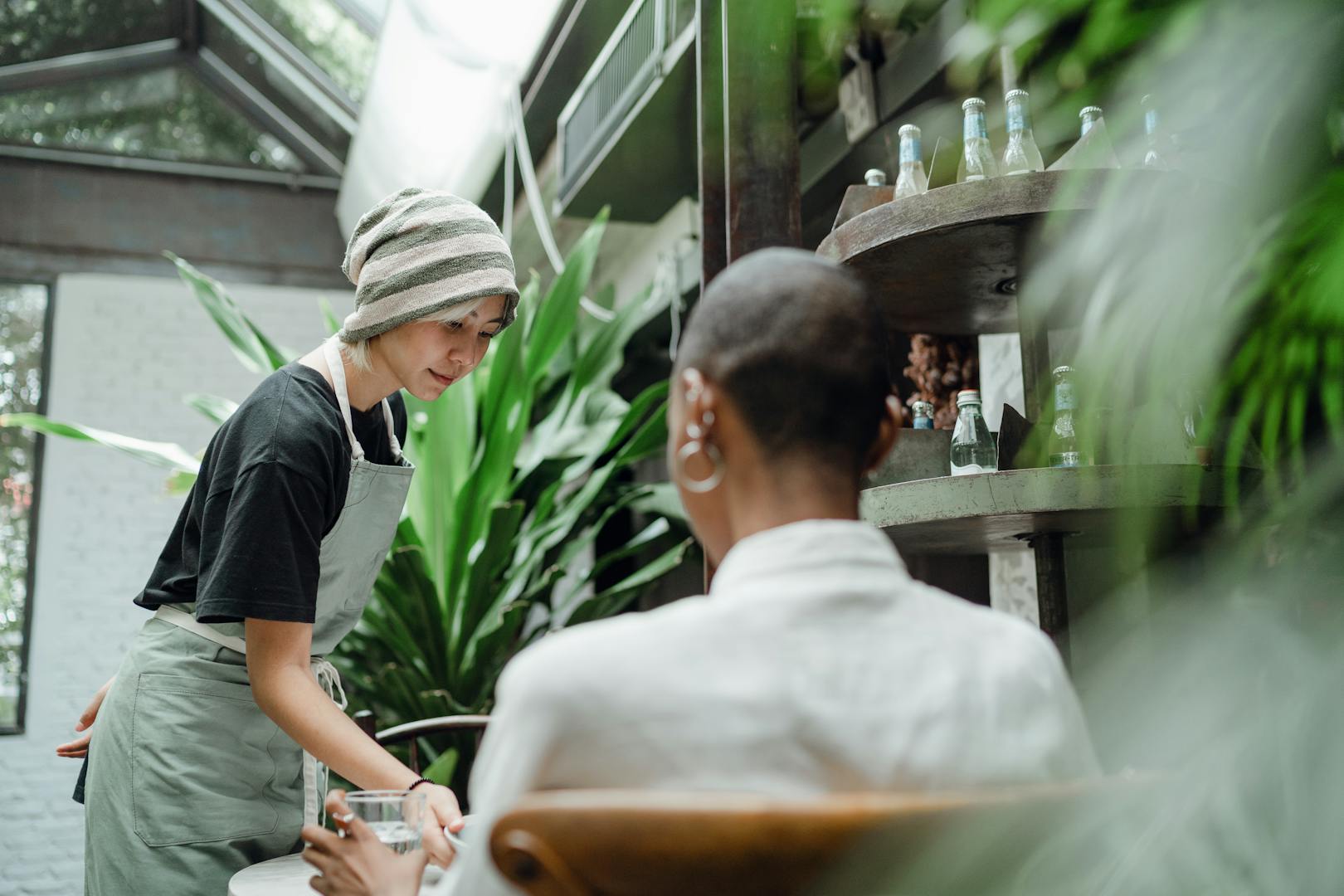
The Short Answer: No, Tipping Is Not Expected
In Taipei (and Taiwan generally), tipping is not part of the everyday service culture. The reasons:
Wages are designed to include service. Workers in Taiwan are paid living wages without expecting tip income. The Taiwan minimum wage as of 2026 is around NT$28,590 monthly (about NT$190/hour) – higher than many service-economy countries.
Service charge is sometimes built in. At higher-end restaurants and hotels, a 10% service charge is automatically added to bills. This functions as a built-in tip.
Local culture norms. Tipping is associated with American service culture. Most Taiwanese consider unsolicited tips unnecessary or slightly awkward.
The price is the price. What is shown on a menu or quoted by a service provider is what you pay. No surprise additions, no tip pressure.
The result: for most visitor interactions, you simply pay the listed price and that’s it. No mental math, no awkward calculations, no decision-making at the end of meals.
Where You DON’T Tip in Taipei
Restaurants and Cafes
Standard restaurants: do not tip. Pay the listed price. Service is included.
Fast food and chain restaurants: do not tip. Order at counter or table, pay listed price.
Cafes and bubble tea shops: do not tip. Pay at counter.
Night market stalls: do not tip. Cash transaction, listed price.
Hotel restaurants: do not tip if no service charge listed. If 10% service charge is shown, that’s the “tip.”
Higher-end restaurants: 10% service charge is usually included; no additional tip needed.
Michelin restaurants: 10% service charge usually included. Exceptional service may warrant a 5% additional in the most upscale circumstances (very rare).
Taxis
Metered taxis: pay the meter price (round up small change for convenience, not as tip).
Uber and Line Taxi: pay through the app. No tip required.
Airport taxis: pay the metered or quoted price. No additional tip.
Long-distance taxi: pay agreed price (round up for convenience).
Hotels
Bellhops: small tip optional (NT$50-100 for help with multiple bags). Not expected at chain hotels with bell service included.
Concierge: tip optional (NT$100-300) for significant help arranging reservations or tours. Most help is included in the room rate.
Housekeeping: not expected. Small note (NT$100) left in the room is appreciated for long stays but not expected.
Front desk: never tip. Service is part of the role.
Room service: 10% service charge usually included in the bill.
Transit and Tours
Bus drivers: never tip.
MRT staff: never tip.
Tour guides: tip optional (NT$300-500 per person per day for guided tours). Many tourists do tip private guides. Not expected on group tours where it’s not customary.
Private drivers: tip optional (NT$500-1,000 per day) for a full-day private driver, especially for outstanding service. Group tour drivers: not expected.
Salons, Spas, and Personal Services
Hair salons and barber shops: not expected.
Massage parlors (legitimate): not expected.
Spa services at hotels: service charge usually included.
Personal training, yoga: not expected.
The Few Situations Where Tipping IS Appreciated
Private Tour Guides
A private guide running a full-day tour is one of the few situations where tipping is genuinely common, especially for English-speaking guides who go above and beyond. NT$300-500 per person per day is typical, given at the end of the tour. Klook and KKDay private tour guides specifically appreciate tips.
Private Drivers
A private driver doing a 6-10 hour day trip with significant flexibility (Jiufen + Shifen + Yehliu, for example) often appreciates a tip. NT$500-1,000 for the full day is typical, paid at the end of service.
Luxury Hotel Bellhops (Multiple Bags)
If you have 3-4+ bags carried to your room, NT$100-200 for the bellhop is a polite gesture. Not expected but appreciated.
Exceptional Hotel Concierge Help
If the concierge spends significant time helping you (multiple reservations, tour planning, complex problem-solving), NT$200-500 is appreciated at the end of your stay.
Long-Stay Housekeeping
For stays of a week or more, leaving NT$100-200 in the room with a thank-you note is a polite gesture, especially if you have caused significant cleaning work.
Massage Therapist (Independent Spas)
At independent boutique spas (not hotel spas with built-in service charge), a 10% tip for exceptional service is appreciated though not required.
Outstanding Restaurant Service
At higher-end restaurants without included service charge, a 5-10% tip for truly exceptional service is appreciated. Place cash on the table or hand to the server discreetly. Not expected and many servers will return the money.
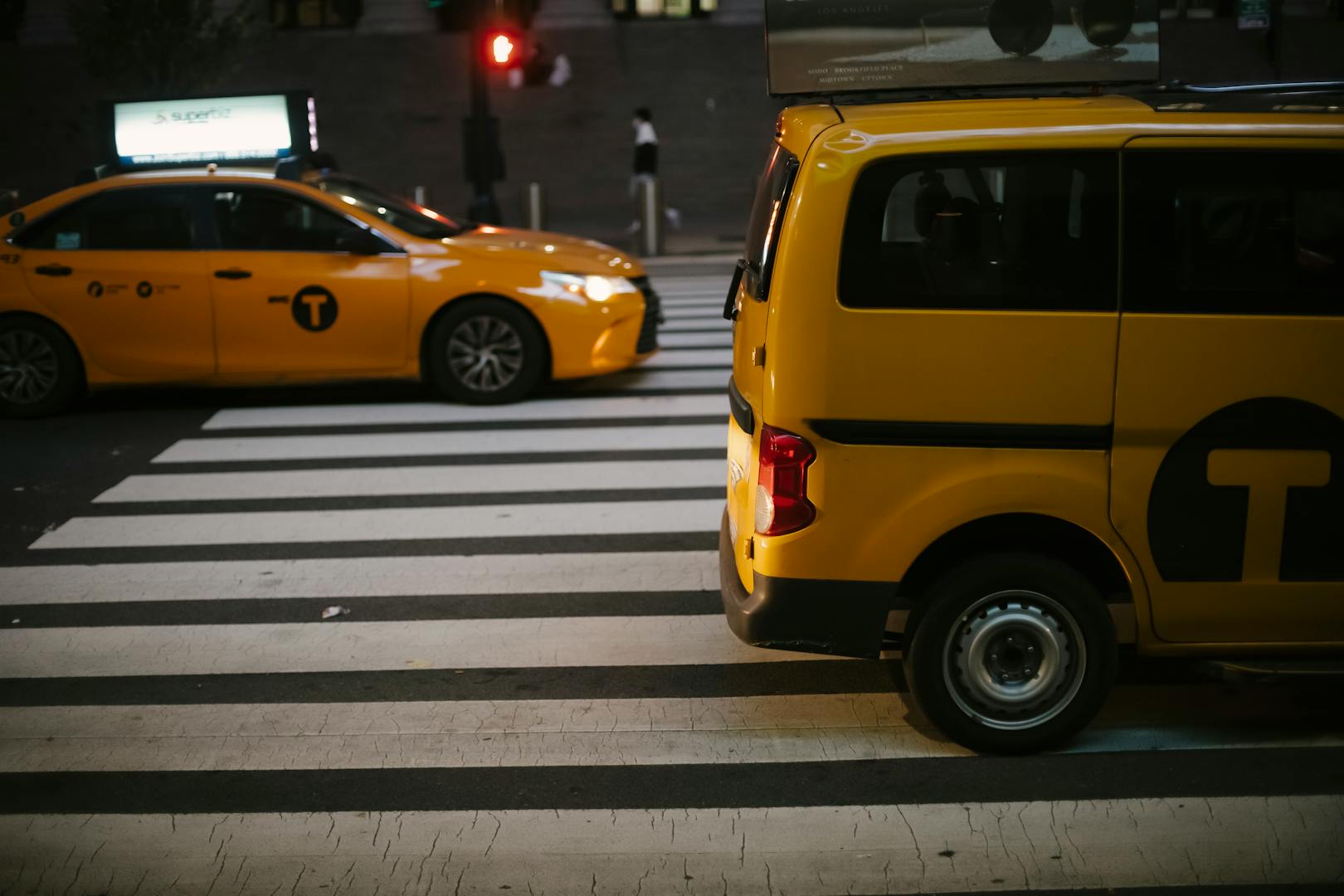
Service Charge: What It Means
Many higher-end Taipei restaurants and hotels add a 10% service charge to bills. This is:
Automatic – no choice on your part.
Listed clearly on the menu and bill.
Distributed to staff (varies by establishment).
Functions as the de facto “tip” in the Taiwanese system.
When you see “+10% service charge” or “service” added on a bill, do not add an additional tip. The service charge is the tip equivalent.
Restaurants without service charge typically have it absorbed into menu prices.
Chain restaurants (Din Tai Fung, McDonald’s, mid-range chains): no service charge typically.
Local family restaurants and night markets: no service charge.
Mid-range to fine dining: 10% service charge usually applied.
Hotel restaurants and luxury hotels: 10% service charge usually applied.
Cultural Context: Why No Tipping?
A few reasons Taiwan developed without tipping culture:
Japanese colonial influence. Japan does not have a tipping culture, and 50 years of Japanese colonization (1895-1945) shaped many Taiwanese service norms.
Confucian values. Service work is dignified; workers are paid for their work, not for the customer’s discretion. Tipping is sometimes viewed as creating an unequal dynamic.
Living wages. Taiwan’s minimum wage and service-industry wages are designed to support workers without tip income.
Built-in service charges. Where higher-end service is expected (luxury hotels, fine dining), the service charge handles it directly without customer choice.
The result: Taiwanese workers do not expect tips and may be slightly confused by foreign tipping attempts. The standard response is to politely return the money or include it in the next bill.
How Locals Handle “Tips”
Some practices similar to tipping but distinct:
Rounding up: If your taxi meter says NT$185, you might hand over NT$200 and tell the driver to keep the NT$15 as small-change convenience. Not really a tip – just rounding for transactional ease.
“Keep the change” small amounts: NT$5-15 left as small change. Not considered a tip – more practical.
Holiday bonuses: Local Taiwanese businesses give employee bonuses at Lunar New Year. This is the cultural equivalent to “tipping” – a year-end recognition rather than per-service tipping.
Compliments and good reviews: Taiwanese servers and service providers appreciate good Google reviews more than tips. Take 30 seconds to leave a 5-star review for genuinely good service – this matters more economically than tip cash.
Tipping Tourists: Common Mistakes
Mistake 1: Tipping at every restaurant. If 10% service charge is included, don’t add additional. If no service charge, no tip needed. Pay the listed price.
Mistake 2: Tipping taxi drivers. Taxi meters work in Taipei. Don’t add 10-20% on top – it’s awkward and unnecessary. Round up for change convenience.
Mistake 3: Trying to tip hotel staff at chain hotels. Most chain hotel staff will politely decline. Bellhop with multiple bags is the exception.
Mistake 4: Calculating tip in cash for restaurants with service charge. The service charge is the tip. Adding more is unnecessary.
Mistake 5: Tipping private guides too little. If you do tip private guides, NT$300-500 per person per day is appropriate. NT$50-100 may come across as cheap.
Mistake 6: Awkward refusal handling. If staff returns the money, accept it gracefully. Don’t insist – that’s more awkward than the original tip attempt.
Mistake 7: Tipping during meal vs end. If you do tip, do it at the end of the meal or service. Not during.

Specific Scenarios
You Just Ate at Din Tai Fung
Bill is NT$1,200 for two people. Service charge: 10% included (NT$120). Total bill: NT$1,200 (service already in). Pay listed amount. Do not add additional tip.
You Just Took an Uber
App charges your card automatically. No tip required. Optional 10% in-app tip available if you want.
You Just Checked Into a Hotel
Bellhop helped with 4 bags. Tipping is appreciated – NT$100-200 cash discreetly handed at the room. Not required but a polite gesture.
You Used the Concierge for Restaurant Reservations
Standard concierge work: no tip. If they spent significant time arranging multiple complex things, NT$200-500 tip at end of stay is appreciated.
You Went on a Klook Private Day Tour
Private guide for 8-10 hours. Tip NT$300-500 per person at end. Driver tip NT$500-1,000 (often included in group tip).
You Had a Massage
At hotel spa with 10% service charge: no additional tip needed. At independent boutique spa for exceptional service: 10% optional. Standard massage: no tip needed.
You Ate at a Night Market
Pay listed price. Vendor hands food and change. No tipping. This is universal at all Taipei night markets.
You Stayed at a Boutique Hotel for 7 Days
Housekeeping appreciation: NT$100-200 left in room on last day with thank-you note. Not required. Concierge tip: NT$200-500 if they helped significantly.
For Visitors From Tip-Heavy Countries
If you are coming from the US, Canada, or UK where tipping is standard:
Reset your mental math. Don’t try to calculate tips on your phone after meals. The price is the price.
Don’t insist on tipping. If staff politely refuses, accept it. Don’t push.
Save your tip money. Use the money you would have tipped for additional shopping or experiences. Or just save it.
Tip selectively. Reserve tips for the specific situations mentioned (private guides, drivers, occasional bellhops). Don’t tip universally.
Praise instead of tip. A genuine compliment (“Hen hao chi!” – delicious! – to the cook) or a 5-star Google review carries more value to staff than a small tip.
Service charge is your tip. When you see “+10% service” or similar on a bill, that’s your tip – no additional needed.
Don’t feel cheap. Not tipping in Taipei is not cheap or rude. It’s normal. Locals don’t tip either.
For Visitors From No-Tipping Countries
If you are coming from Japan, Korea, China, or Europe (where tipping is generally not standard):
Taipei matches your home culture. Pay the listed price and move on. No adjustment needed.
The few exceptions (private guides, occasional bellhops, exceptional concierge service) are similar to what you’d do at home for exceptional service.
You can ignore tip-heavy travel advice (mostly American) that doesn’t apply to Taipei.
Tipping is the easy part of the money question here. The harder part is knowing which half of the city takes cards and which half has never taken one – our guide to money in Taipei sets out where cash is mandatory, how to withdraw it cheaply, and what the 5% tax refund is really worth once the administration charge comes off.
Not tipping is only one item on a short list of things that work differently here, and most of the others are just as counterintuitive to a first-time visitor: the MRT eating ban that includes water, the priority seats nobody will sit in, the gifts that accidentally reference a funeral. Our guide to Taiwan etiquette, dos and don’ts covers the full set, including the widely repeated advice that turns out to be about Japan.
Related Taipei guides
- Taiwan vs China: Cultural Differences Tourists Should Know
- Best Temples in Taipei: A Guide for Respectful Visits
- Mid-Autumn Festival in Taipei: Mooncakes, BBQ & Moon Viewing
- Dragon Boat Festival in Taipei: Races & Zongzi
- Mandarin Phrases for Taipei Travelers: 40 Essentials
- LGBT Travel to Taipei: Complete Guide
Frequently Asked Questions
Is tipping expected in Taipei?
No. Tipping is not part of Taiwanese culture. Restaurants, taxis, hotels, and most service businesses do not expect tips. Pay the listed price. Higher-end restaurants and hotels usually include a 10% service charge that functions as a built-in tip.
Should I tip taxi drivers in Taipei?
No. Pay the metered fare. Round up small change for convenience if you want (NT$185 → pay NT$200) but this is not really a tip. Uber and Line Taxi charge through the app without expecting tips.
Do I tip at Taipei restaurants?
No. Pay the listed price. If a 10% service charge is added to your bill, that is the tip – no additional needed. Local restaurants and night markets never have service charges; pay the listed price.
What is the service charge in Taipei?
10% added to bills at higher-end restaurants and hotels. Listed on the bill or menu. Functions as the built-in tip in the Taiwanese system. Do not add additional tip when service charge is applied.
Should I tip hotel staff in Taipei?
Generally no. Bellhops with multiple bags: NT$100-200 is appreciated but not required. Concierge for significant help: NT$200-500 optional. Housekeeping: not expected; small note (NT$100-200) appreciated for long stays. Front desk: never tip.
Do I tip tour guides in Taipei?
Group tours: not expected. Private guides for a full day: NT$300-500 per person is appreciated. Private drivers for full-day trips: NT$500-1,000 for the driver. This is one of the few situations where tipping is genuinely common in Taipei.
Should I tip if service was outstanding?
Yes, optionally. At restaurants without service charge: 5-10% cash on the table. At private guides: NT$500+ in cash at the end. At spas: 10% optional. Most other situations: a 5-star Google review and a sincere compliment matter more economically than cash tip.
Why don’t Taiwanese tip?
Cultural reasons: Japanese colonial influence, Confucian values that view service as dignified work paid by salary, living wages for service workers, and built-in service charges where higher service is expected. The result is a society without the tip-pressure dynamic.
What do Taiwanese workers think of foreign tips?
Mixed. Some accept gracefully; others politely decline; a few are slightly confused. The most common response is to return the money or include it in the next bill. Workers don’t expect or rely on tips for their livelihood.
What’s better than tipping in Taipei?
Sincere compliments to the cook or service provider (“Hen hao chi!”), 5-star Google reviews, and word-of-mouth recommendations matter more economically to small businesses than tip cash. A polite “xie xie” with a smile is universally appreciated.
The Bottom Line
Tipping in Taipei is essentially not done. Pay the listed price at restaurants, taxis, and hotels – no tip needed. When you see a 10% service charge on a bill, that’s the tip. The few exceptions: private tour guides (NT$300-500 per person per day), private drivers (NT$500-1,000 for full day), bellhops with multiple bags (NT$100-200), and exceptional concierge service (NT$200-500). Otherwise, save the mental math. Taipei is the rare major capital where you can enjoy services without tip-anxiety, and locals appreciate sincere compliments more than cash.