This article contains advertising. Our booking links are routed through a partner that adds commission tracking automatically, so if you book through one we earn a commission from the provider, at no extra cost to you. It never affects what we recommend. Affiliate disclosure
For one weekend in late September every year, Taipei takes on a different rhythm. Streets and riverside parks fill with the smell of grilled meat and Taiwan Beer. Families set up portable charcoal grills outside their apartment buildings. Mooncakes appear in every bakery and 7-Eleven. And once the sun sets, locals head to elevated spots — Elephant Mountain, Yangmingshan, the Tamsui waterfront — to gaze at the year’s largest full moon. This is the Mid-Autumn Festival, Taiwan’s second-most-important family holiday after Lunar New Year, and one of the most distinctly Taiwanese cultural experiences a visitor can stumble into.
For travelers in Taipei during late September or early October, the Mid-Autumn Festival turns the city into a long, social, slow-food weekend. The four-day public holiday creates a calmer-than-usual atmosphere downtown, with many shops closing early and Taipei feeling more like a residential city than a business hub. Public BBQ areas come alive. Hotels run special mooncake gifts. And the moon — viewed properly on the festival’s night — is genuinely larger and brighter than at any other point in the year.
This guide covers the Mid-Autumn Festival in Taipei for 2026: the dates, the traditions, what to eat, where to BBQ as a visitor, the best moon-viewing spots, and how to experience the celebration respectfully and meaningfully.

Mid-Autumn Festival at a Glance
- 2026 date: Friday, September 25 — with a four-day public holiday weekend through September 28
- Lunar calendar date: 15th day of the 8th lunar month
- Key traditions: Eating mooncakes, family BBQ, moon-viewing, pomelo eating
- Best for visitors: Experiencing a uniquely Taiwanese celebration, eating Taipei BBQ on the streets, moon-viewing from elevated spots
- Where to BBQ: Dajia Riverside Park, Chengmei Right Bank Riverside Park, 13 other designated public BBQ areas
- Best moon-viewing spots: Elephant Mountain, Yangmingshan, Maokong, Tamsui Fisherman’s Wharf, Da’an Forest Park
- Cultural significance: Second-most-important family holiday in Taiwan after Lunar New Year
What Is the Mid-Autumn Festival?
The Mid-Autumn Festival (中秋節, Zhōngqiū Jié) is a traditional Chinese harvest festival celebrated on the 15th day of the 8th lunar month — the date when the moon is at its fullest and brightest of the year. The festival has been celebrated across Chinese-speaking cultures for over 1,000 years and is observed in Taiwan, mainland China, Hong Kong, Singapore, Malaysia, and Chinese diaspora communities worldwide.
In Taiwan, Mid-Autumn is the second-most-important family holiday after Lunar New Year. The traditional core is family reunion — adult children return to their parents’ homes, families gather for a meal, share mooncakes, and gaze at the moon together. The roundness of the full moon symbolizes family completeness and reunion (家圓 — jiā yuán, “round/complete family”).
What makes the Taiwanese version distinctly different from other Chinese-speaking cultures: the outdoor BBQ tradition. Since the early 1980s, Taiwanese families have grilled outdoors as a Mid-Autumn evening activity — a tradition that doesn’t exist in mainland China or Hong Kong. The origin is unusual but well-documented: in 1980, a Taiwanese soy-sauce-and-marinade company (Wan Jia Xiang) aired a BBQ sauce commercial during the lead-up to the festival, and the timing seeded a tradition that’s now become national.
Mid-Autumn Festival 2026: Dates and Schedule
In 2026, the Mid-Autumn Festival falls on Friday, September 25. The Taiwanese government typically makes the festival a four-day public holiday by combining it with the surrounding weekend:
- Friday, September 25, 2026: The official festival day (full moon night)
- Saturday, September 26 – Sunday, September 27: Weekend; family activities, BBQ throughout
- Monday, September 28: Often added as a holiday (confirmed by official government calendar)
For travelers in Taipei during this window:
- Many small businesses close Friday through Monday
- Taipei’s mood feels slower and more family-oriented
- Public parks, especially riverside areas, fill with BBQ groups in the late afternoon and evening
- Hotels often have mooncake gift sets and special menus
- Major tourist sites stay open with adjusted hours
Mooncakes: What They Are and Where to Buy
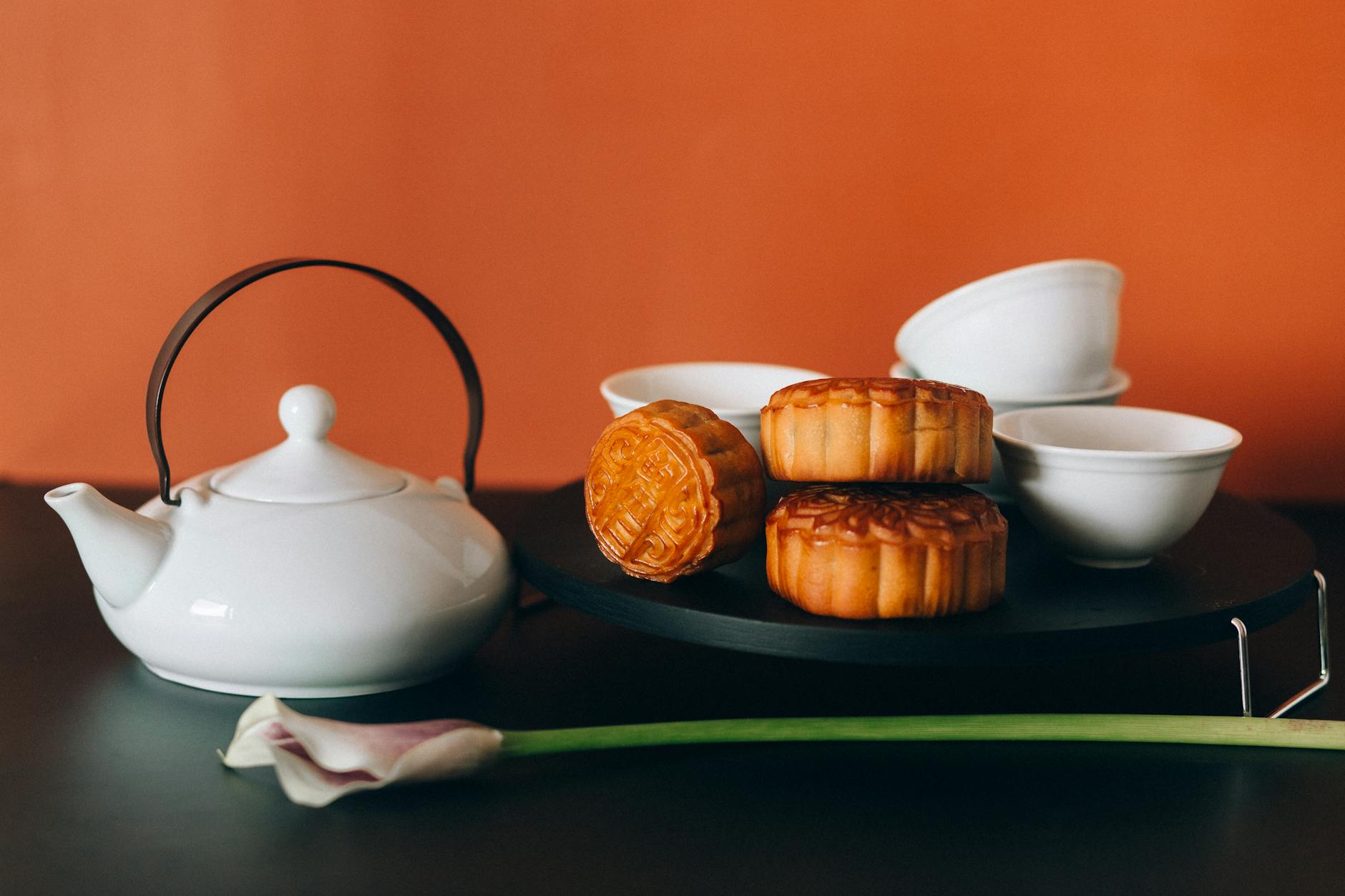
The traditional Mid-Autumn food is the mooncake (月餅, yuèbǐng) — a small round pastry, usually 5–8 cm in diameter, filled with sweet or savory paste. The traditional fillings include:
- Lotus seed paste (most traditional, often with one or two salted egg yolks representing the moon)
- Red bean paste (Chinese classic, common in Taiwan)
- Green bean / mung bean paste
- Five kernels (五仁): A mix of nuts and dried fruits in a slightly waxy paste — polarizing; some love it, others not
- Black sesame paste
- Salted egg yolk only
Modern Taiwanese mooncakes have expanded the categories considerably. You’ll find ice cream mooncakes (made by Häagen-Dazs and several Taiwanese brands), mochi mooncakes (a Taiwanese-Japanese fusion), chocolate mooncakes, and many other modern variations.
Where to Buy Mooncakes in Taipei
- Hotel boutique mooncakes: The Sherwood, Grand Hyatt, Mandarin Oriental, and others sell beautifully boxed mooncakes specifically for the festival window. NT$800–3,000 per box. The highest quality.
- Traditional bakeries: Yu Jan Shin (郁泉香), Eslite Spectrum food halls, and many neighborhood bakeries. NT$200–800 per box.
- Convenience stores: 7-Eleven and FamilyMart carry single mooncakes and small gift boxes during the festival window. NT$40–200.
- Supermarkets: Mia C’Bon, Jasons Marketplace, and traditional markets all stock mooncakes in the weeks leading up to the festival.
Most mooncakes come in beautifully designed gift boxes — a major part of the festival is buying boxes to give to friends, family, business partners, and neighbors. The gift-giving aspect is similar to Christmas chocolates in Western cultures.
The Unique Taiwanese BBQ Tradition
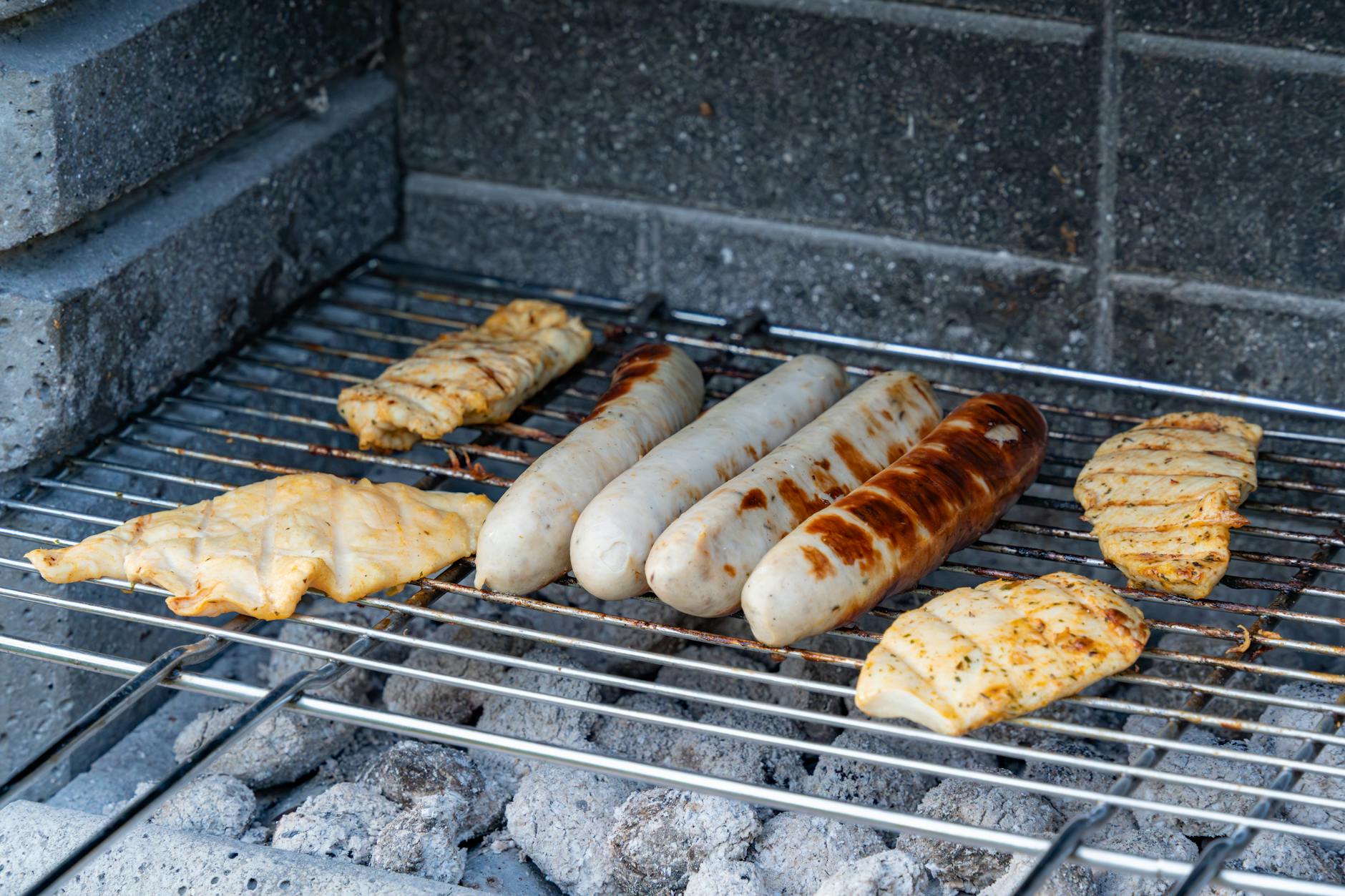
The defining Taipei Mid-Autumn experience for visitors is the public BBQ tradition. Every year, the Taipei City Government designates 15 riverside parks where the public is permitted to set up portable grills and BBQ on the holiday weekend. Tens of thousands of Taipei families pour into these spots.
Public BBQ Locations
The Taipei City Government’s designated public BBQ areas for Mid-Autumn typically include:
- Dajia Riverside Park (大佳河濱公園): The largest and most popular. Near Yuanshan in northern Taipei.
- Chengmei Right Bank Riverside Park (成美右岸河濱公園): Major BBQ spot in Songshan District.
- Yanping Riverside Park: Datong District riverside.
- Yongchun Pier Park: Wanhua District.
- Several Beitou and Zhongshan riverside parks
What You Need for a BBQ
- Portable charcoal grill (rent or buy from local hardware stores or 7-Eleven)
- Charcoal + fire starter
- Aluminum foil
- Grilling tongs and skewers
- Food (typical Taiwanese BBQ items: pork belly, sausages, chicken wings, mushrooms, corn, shrimp, fish, scallions)
- BBQ sauce (the iconic ones are Wan Jia Xiang and Hai Tian)
- Cold drinks (Taiwan Beer, sodas, tea)
- Trash bags (very important — take everything with you)
How Visitors Can Join
It’s perfectly welcome for tourists to set up at a public BBQ park. A few practical notes:
- Buy supplies: The Carrefour and major supermarkets stock BBQ kits, charcoal, and meat in the days before the festival.
- Don’t damage the grass: Use the designated BBQ slabs/concrete pads, not the grass.
- Bring trash bags and pack out everything: No exceptions.
- Arrive early in the day: 4 PM is a good start. By 7 PM the popular spots are full.
- Stay until moonrise: The full moon rises around 7–8 PM and is the centerpiece of the evening.
- Don’t drink and drive: Strict laws in Taiwan; use the MRT or taxi back.
Easier alternative: Some Taipei hotels (especially riverside Hyatt and certain boutique hotels) offer Mid-Autumn BBQ packages with included food, grills, and setup. NT$1,500–3,500 per person.
Pomelo Eating Tradition
Beyond mooncakes, the other Mid-Autumn food is the pomelo (柚子, yòuzi) — a large citrus fruit similar to a grapefruit but sweeter and less acidic. Pomelos are harvested in autumn, peak in September and October, and are eaten in family-size quantities during the festival weekend.
The fun part: Taiwanese tradition holds that you should put the empty pomelo rind on top of your head as a hat after eating. This is supposed to bring good luck, scare away evil spirits, and amuse the children. You’ll see locals wandering around riverside BBQ parks with pomelo-hat children — it’s a charming sight.
Pomelos are sold by the dozen at fruit stalls and supermarkets during the festival window. NT$50–150 each, larger ones cost more.
Moon-Viewing in Taipei
The festival is named for the moon, and traditional Mid-Autumn evening centers on stepping outside to look at the full moon. In Taipei, the best moon-viewing spots are elevated locations that get away from the city’s light pollution:
1. Elephant Mountain
Already Taipei’s most famous sunset spot, Elephant Mountain doubles as one of the best moon-viewing locations. The moon rises in the east; from the Six Giant Rocks viewing platform, you’ll see the full moon climbing over Taipei 101. Expect crowds.
2. Yangmingshan National Park
The mountain heights of Yangmingshan offer minimal light pollution and dramatic moonlit landscapes. The Qixing Mountain summit is a serious hike, but the parking lots near Flower Clock work for a quick stargazing stop.
3. Maokong (Tea Plantation Mountain)
The Maokong Gondola operates on festival night (check special hours). Several tea houses at the top have outdoor terraces with views of the moon over the city — a particularly romantic option.
4. Tamsui Fisherman’s Wharf (Lover’s Bridge)
The waterfront at Tamsui offers a clear unobstructed view of the moon rising over the Taiwan Strait. The Lover’s Bridge silhouette adds the iconic photo composition.
5. Da’an Forest Park
The most accessible city option — central, large, and far enough from skyscrapers to see the moon. Many local families gather here on festival night with picnic blankets.
6. Riverside Parks (Combined with BBQ)
If you’re BBQing at Dajia or Chengmei riverside parks, you’ll see the moon rise over the river while you eat. The combined BBQ + moon-viewing is the classic Taiwanese way.
What Else to Do During the Festival
Cultural Events
Taipei City Government often hosts free outdoor concerts, traditional music performances, and lantern-display events around the festival weekend. The Sun Yat-sen Memorial Hall and several other cultural venues run special programs. Check the Taipei Travel official site for current schedules.
Hotel Mooncake Tea Receptions
Many five-star hotels (Mandarin Oriental, Grand Hyatt, The Sherwood, etc.) host afternoon mooncake tasting receptions during the festival window. Often open to the public for a fee; sometimes free for hotel guests.
Family-Run Mooncake Workshops
Some traditional bakeries offer mooncake-making workshops in the weeks before the festival. Klook and KKday have a few hands-on cultural class options.
Pingxi Sky Lanterns
Pingxi doesn’t host a major lantern release for Mid-Autumn (the big release is at the Lantern Festival in February), but you can release individual lanterns at Shifen year-round, including during Mid-Autumn.
Visiting Taipei During Mid-Autumn: Practical Tips
Book hotels early. The four-day weekend creates a domestic travel surge; popular hotels fill up.
Expect quieter business districts. Many small shops, neighborhood restaurants, and offices close. Major tourist sites and chain restaurants stay open.
Public transport runs but is busier. MRT operates normal hours; expect heavier traffic on highways and BBQ-area roads.
Some night markets are quieter. Families are at home or at BBQ parks instead of night markets. Shilin and Raohe are still active but less packed.
Make BBQ plans in advance. If you’re joining a public BBQ, sort supplies and a plan 1–2 days before.
Try a mooncake — even if you don’t usually like dense pastries. The cultural ritual is part of the experience.
Wear comfortable clothes. Late September is warm during the day, cooler in the evening. Light layers work well.
Public restrooms at BBQ parks may have lines. Plan accordingly.
Bring cash. BBQ supplies, mooncake stalls, and small markets are often cash-only.
Respect the family-oriented nature of the festival. The mood is calm and family-focused; loud public partying isn’t part of the tradition.
The Cultural Meaning of Mid-Autumn
For Taiwanese families, the festival is fundamentally about reunion. Adult children return to their parents’ homes from across Taiwan; siblings reconvene; multiple generations share a meal. The full moon symbolizes the completeness of family — round, whole, together. This is why mooncakes are round, why the dish is shared in equal portions among family members, and why the most evocative line in classic Chinese poetry about Mid-Autumn (“人有悲歡離合,月有陰晴圓缺” — “people have sadness and joy, parting and reunion; the moon waxes and wanes”) is still quoted at the festival.
For visitors, this means the festival rewards observation more than participation. You’re a guest in a deeply family-oriented moment. The most meaningful way to experience it is to slow down, eat a mooncake, find a moon-viewing spot at dusk, and let the city’s quieter rhythm carry you for an evening.
Mid-Autumn Festival vs. Other Taiwanese Festivals
Lunar New Year (春節): The biggest family holiday. More commercial closures, longer holiday window, more domestic travel.
Dragon Boat Festival (端午節): Summer festival with dragon boat races and zongzi (sticky rice dumplings). More public-facing celebrations than Mid-Autumn.
Mid-Autumn (中秋節): Calmer, more family-oriented, less commercially intense than Lunar New Year. The BBQ tradition is unique to Taiwan and gives the festival a distinctly social outdoor character.
Sample Mid-Autumn Weekend Itinerary
For travelers in Taipei during the festival weekend:
Friday, September 25 (Festival Day)
- Morning: Buy mooncake gift box at hotel or boutique bakery.
- Afternoon: Buy BBQ supplies at a major supermarket (Carrefour or Mia C’Bon).
- 3:00 PM: Head to Dajia Riverside Park or Chengmei Right Bank Riverside Park.
- 4:00 PM: Set up BBQ; meet the locals; start grilling.
- 7:00 PM: Watch the moon rise over the river.
- 9:00 PM: Eat mooncakes; let kids put pomelo rinds on heads.
- 10:30 PM: Pack out trash; MRT or taxi back.
Saturday, September 26
- Morning: Slow brunch at a Da’an café.
- Afternoon: Visit Eslite Spectrum Songyan for the bookstore and design boutiques.
- Evening: Hike Elephant Mountain at sunset for a moon-rise viewing.
Sunday, September 27
- Morning: Take the Maokong Gondola up to the tea plantation hills.
- Afternoon: Tea at a Maokong tea house with city views.
- Evening: Dinner at a Tamsui seafood restaurant; sunset at the Fisherman’s Wharf.
Common Mistakes
Treating the festival like a tourist event. It’s a deeply family-oriented holiday. Slow down and observe.
Trying to visit busy attractions on the festival day. Many neighborhood shops close. Plan around what’s actually open.
Going BBQ unprepared. Sort supplies before you arrive at a riverside park.
Damaging grass at BBQ areas. Use the designated concrete pads.
Leaving trash behind. Pack out everything. The riverside parks rely on visitor cooperation.
Missing the moon rise. The moon rises around 7–8 PM. Plan to be at a moon-viewing spot by 7:30 PM.
Booking hotels last minute. The four-day weekend is busy. Book 4–6 weeks in advance.
Related Taipei guides
- Taipei Culture & Traditions: A Visitor’s Guide
- Best Temples in Taipei: A Guide for Respectful Visits
- Tipping in Taipei: Do You or Don’t You?
- LGBT Travel to Taipei: Complete Guide
- Religion in Taipei: Buddhism, Taoism & Temple Life
- Taipei Travel Guide : The Complete Planning Resource
Frequently Asked Questions
When is the Mid-Autumn Festival in Taipei 2026?
Friday, September 25, 2026, with a four-day public holiday weekend through Monday, September 28.
What is the Mid-Autumn Festival?
The Mid-Autumn Festival is a traditional Chinese harvest celebration on the 15th day of the 8th lunar month. In Taiwan, it’s the second-most-important family holiday after Lunar New Year, with traditions including mooncake eating, family BBQ (unique to Taiwan), and moon-viewing.
What do people eat at the Mid-Autumn Festival?
Mooncakes (round pastries with various fillings), pomelo (large citrus fruit), and Taiwanese-style outdoor BBQ. The BBQ tradition is unique to Taiwan and developed from a 1980 ad campaign.
Where can I see the moon in Taipei during Mid-Autumn?
The best spots are elevated locations: Elephant Mountain (iconic), Yangmingshan National Park, Maokong (via gondola), Tamsui Fisherman’s Wharf, and Da’an Forest Park.
Can tourists join the public BBQ in Taipei?
Yes — the public BBQ at Dajia Riverside Park, Chengmei Right Bank Riverside Park, and 13 other designated city parks is open to anyone. Bring supplies (grill, charcoal, food), pack out trash, and arrive by mid-afternoon for a good spot.
Where can I buy mooncakes in Taipei?
Hotel boutiques (Sherwood, Grand Hyatt, Mandarin Oriental — premium, NT$800–3,000/box), traditional bakeries (NT$200–800/box), Eslite Spectrum food halls, and 7-Eleven/FamilyMart (NT$40–200 for small boxes or singles).
Is Mid-Autumn Festival a public holiday in Taiwan?
Yes — and typically a four-day weekend when combined with surrounding days. Many small businesses, neighborhood restaurants, and offices close; major tourist sites stay open with adjusted hours.
What is the pomelo tradition?
Pomelos (large citrus fruit) are eaten at Mid-Autumn, with the empty rind placed on children’s heads as a hat for good luck. You’ll see locals doing this at public BBQ areas — a charming and harmless cultural quirk.
Is Mid-Autumn Festival a good time to visit Taipei?
Yes, especially if you want to experience a uniquely Taiwanese cultural moment. The weather is still warm, the city has a slower family-oriented mood, and the public BBQ tradition is genuinely fun. Book hotels in advance because of domestic travel surge.
Final Take
The Mid-Autumn Festival in Taipei is one of those rare cultural moments that’s distinctly Taiwanese and surprisingly accessible to visitors. Buy a mooncake, find a public BBQ park in late afternoon, grill some Taiwan-style pork belly with locals, watch the full moon rise over the river, and let the city’s quieter family-oriented rhythm carry you for an evening. By the end of the night, you’ll understand why Taiwanese families look forward to this festival all year.