This article contains advertising. Our booking links are routed through a partner that adds commission tracking automatically, so if you book through one we earn a commission from the provider, at no extra cost to you. It never affects what we recommend. Affiliate disclosure
Walk into a bookstore in Taipei and you’ll see traditional Chinese characters on every cover. Stop into a temple and the rituals look broadly familiar to anyone who’s been to mainland China — until you notice the rainbow flags, the pamphlets in Indigenous languages, and the casual way locals discuss elections. Order food at a night market and the broth that hits the table is Hokkien-Hakka-Japanese fused into something that exists nowhere else. Spend a week in the city and the same conclusion sneaks up on most travelers: Taiwan vs China culture isn’t a small distinction. It’s the central thing you’ll keep noticing, in ways small and large, all trip long.
For visitors, the question matters more than it sounds. Many tourists arrive expecting a smaller version of mainland China and leave realizing they’ve spent a week somewhere with its own language mix, its own political identity, its own LGBTQ+ rights record, its own food traditions, and its own famously friendly social rhythm. Others arrive expecting somewhere unrecognizable and find familiar threads from Chinese civilization woven through almost every temple, market, and meal. Both reactions are partly correct.
This is the practical traveler’s guide to Taiwan vs China culture: the language differences you’ll actually hear, the food traditions that diverge, the political and social attitudes that change how Taipei feels, the etiquette gaps that catch visitors off guard, and how to navigate both as a respectful tourist in 2026. By the end, you’ll understand why Taiwan considers itself culturally connected to but distinct from China, and what that means for your trip.

The Quick Answer: Are Taiwan and China Culturally the Same?
No — but the relationship is more layered than a simple “no.” Taiwan and China share a deep cultural inheritance from Chinese civilization (Confucian values, Mandarin language, traditional festivals, classical Chinese cuisine roots, and shared religious traditions), but Taiwan has spent the last 130 years on a divergent path. Japanese colonization (1895–1945), the post-1949 KMT government, four decades of martial law, the transition to liberal democracy in the 1990s, and a strong Indigenous and Hokkien-Hakka cultural revival have produced a distinctly Taiwanese identity that’s not Chinese.
The simplest framing: Taiwan shares a cultural family tree with China but has grown into its own distinct culture, language mix, political system, and social values. A traveler who’s been to Beijing or Shanghai will recognize plenty in Taipei. A traveler who’s been to Taipei will not feel they’ve already seen China.
Language: What You’ll Actually Hear
Both Taiwan and mainland China use Mandarin Chinese as the official language, but the everyday language situation in Taiwan is more complex.
Mandarin: Subtle Differences
Mandarin spoken in Taiwan and Mandarin spoken in mainland China are mutually intelligible — a Beijing local and a Taipei local can converse fluently — but the accents, vocabulary, and rhythm are noticeably different. Taiwanese Mandarin tends to sound softer and is often described as “less retroflex” than Beijing Mandarin (which uses sharper r-colored sounds). Vocabulary diverges too: Taiwanese say jiǎo tà chē (腳踏車) for bicycle while mainland Chinese say zì xíng chē (自行車). Hundreds of similar small differences exist.
Taiwanese Hokkien (台語)
About 70% of Taiwanese also speak Taiwanese Hokkien (also called Tâi-gí or Taiwanese), a language related to Hokkien from Fujian province in mainland China but evolved separately for centuries. Older generations and rural communities often speak Hokkien at home; younger urban Taiwanese understand it but increasingly default to Mandarin. You’ll hear Hokkien constantly in night markets and traditional restaurants.
Hakka (客家話)
About 15% of Taiwanese have Hakka heritage, and Hakka is recognized as one of Taiwan’s official languages. You’re most likely to hear it in specific Hakka heritage areas in northern and central Taiwan.
Indigenous Languages
Taiwan recognizes 16 official Indigenous (Austronesian) language families spoken by various Indigenous nations. These are linguistically unrelated to Chinese languages and represent thousands of years of pre-Chinese settlement on the island.
Traditional vs Simplified Characters
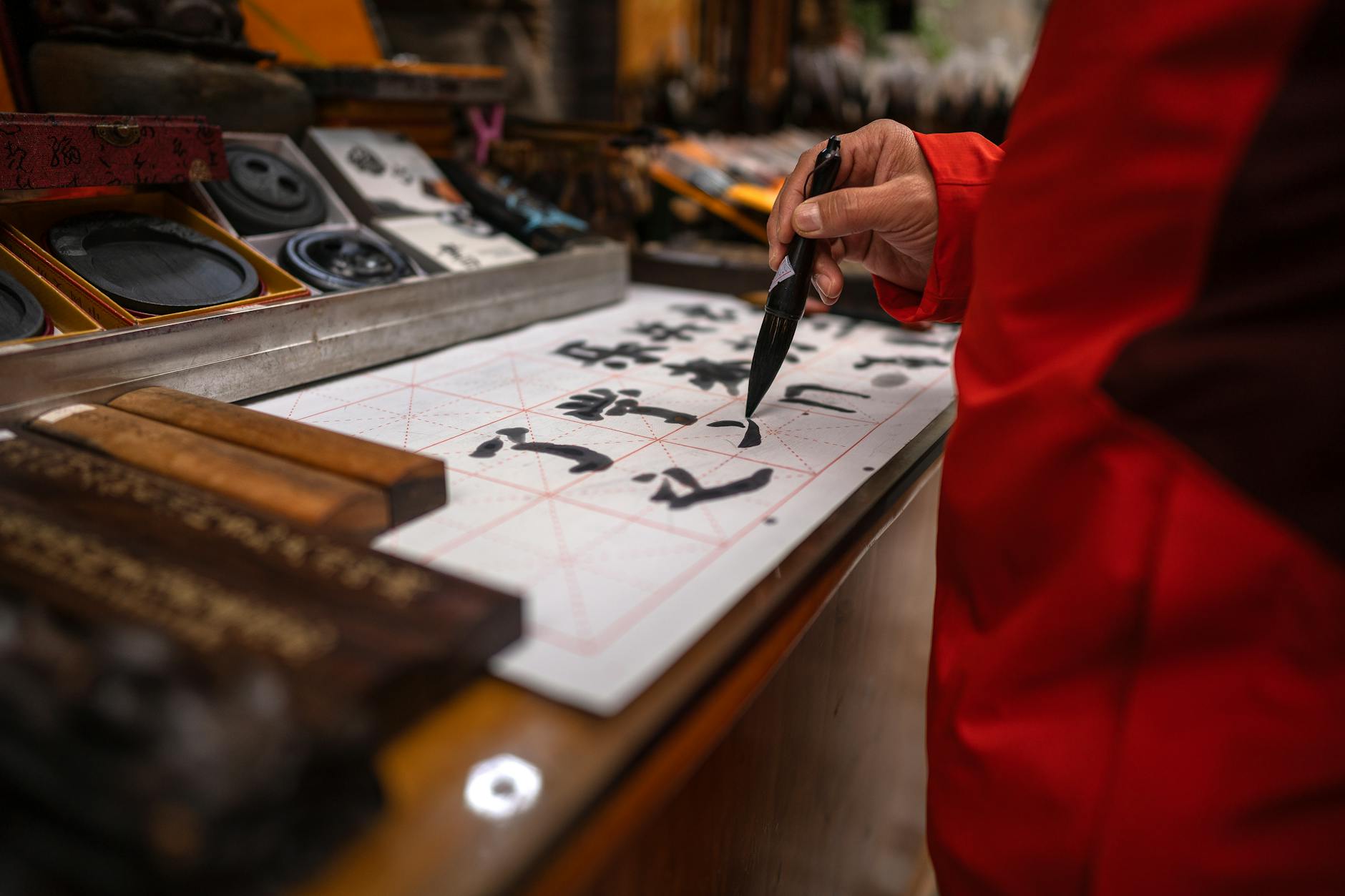
Probably the most visible language difference: Taiwan uses traditional Chinese characters (繁體字), while mainland China uses simplified characters (简体字). For tourists, this affects:
- Reading menus, signs, and packaging — characters look more visually complex in Taiwan
- Translation app accuracy — most apps handle both, but double-check Taiwan-specific terminology
- Cultural context — many Taiwanese consider traditional characters part of their cultural inheritance and view simplified characters as a 1950s mainland Chinese innovation
English in Taiwan
English signage in Taipei is significantly better than in most mainland Chinese cities. The MRT, museums, hospitals, and major attractions all have full English signage. Younger Taiwanese (especially in service jobs) often have functional English. In rural areas and traditional restaurants, less so — but the gap is smaller than between English in mainland Chinese cities and rural areas.
Food: A Different Branch of the Same Tree
Taiwanese cuisine is closely related to Fujian and southern Chinese cuisines but has been heavily shaped by three other influences: Indigenous Taiwanese cooking, Japanese colonial food traditions (1895–1945), and post-1949 mainland Chinese refugee cuisines from places like Sichuan, Shandong, and Shanghai. The result is a food culture that locals will tell you — confidently — is its own thing.
Dishes That Are Distinctly Taiwanese
- Beef noodle soup (牛肉麵): Born in Taiwan from mainland Chinese refugee influences. Considered Taiwan’s unofficial national dish.
- Bubble tea (珍珠奶茶): Invented in Taichung in the 1980s. Now globally famous.
- Stinky tofu (臭豆腐): Both Taiwan and China have versions. The Taiwan version is widely considered different in fermentation style and preferred by locals.
- Oyster omelets (蚵仔煎): A Hokkien-Taiwanese specialty, ubiquitous at Taipei night markets.
- Lu Rou Fan (滷肉飯): Soy-braised pork over rice — a Taiwanese diner staple.
- Pineapple cake (鳳梨酥): Modern Taiwanese pastry that’s become the country’s favorite gift.
- Three-cup chicken (三杯雞): A Taiwanese signature — chicken braised with soy sauce, sesame oil, and rice wine.
- Ba-wan (肉圓): Translucent pork dumplings — Taiwan-specific.
Where Taiwan and China Overlap
- Mainland Chinese dishes carried over after 1949 (Sichuan beef noodles, Shanghai dumplings, Shandong wheat dishes)
- Tea culture — both share the heritage, though Taiwan’s high-mountain oolong is its own world
- Rice as the staple grain
- Mid-Autumn mooncakes, Lunar New Year dumplings, Dragon Boat Festival zongzi
Differences in Restaurant Culture
Taiwanese restaurant service tends to be quieter and gentler than mainland Chinese norms. Tipping isn’t expected (mainland is similar). Taiwanese servers more often accommodate dietary needs, allergies, and quiet requests. Bills are often paid at the counter rather than at the table.
Politics and Social Values
This is where Taiwan vs China culture diverges most sharply, and where travelers feel the difference most.
Political System
Taiwan is a liberal democracy. Open and competitive elections happen every two to four years, with peaceful transitions of power between the two main parties (DPP and KMT) and several smaller parties. Press freedom is high. Civil society is active. Public protests are routine and protected. None of this resembles mainland China’s one-party system.
For tourists, this means: political conversation is normal, you’ll see protests and political signs in city streets, and locals will discuss elections openly and often with strong opinions.
Press, Internet, and Information
Taiwan has fully open internet. Google, YouTube, Facebook, Instagram, X, and almost everything else works without a VPN. Mainland China’s “Great Firewall” doesn’t exist here. International news sites work normally. Books, films, and ideas circulate without state censorship.
LGBTQ+ Rights
Taiwan was the first country in Asia to legalize same-sex marriage (May 2019). Pride parades draw hundreds of thousands of participants. Anti-discrimination laws are in place. Many bars, cafés, and neighborhoods (especially around the Red House in Ximending) are visibly and warmly LGBTQ+-friendly. This is dramatically different from mainland China’s official social positioning, where LGBTQ+ visibility has been increasingly restricted in recent years.
For LGBTQ+ travelers, Taipei is one of the most welcoming destinations in Asia.
Indigenous and Multicultural Identity
Taiwan officially recognizes 16 Indigenous nations, who pre-date Han Chinese settlement of the island by thousands of years. Taiwanese identity is increasingly framed as multi-ethnic and multilingual, including Hokkien, Hakka, mainlander (Han), Indigenous, and new immigrant communities. This pluralistic identity differs from the more singular ethnic narrative that has been dominant in mainland China.
Religion
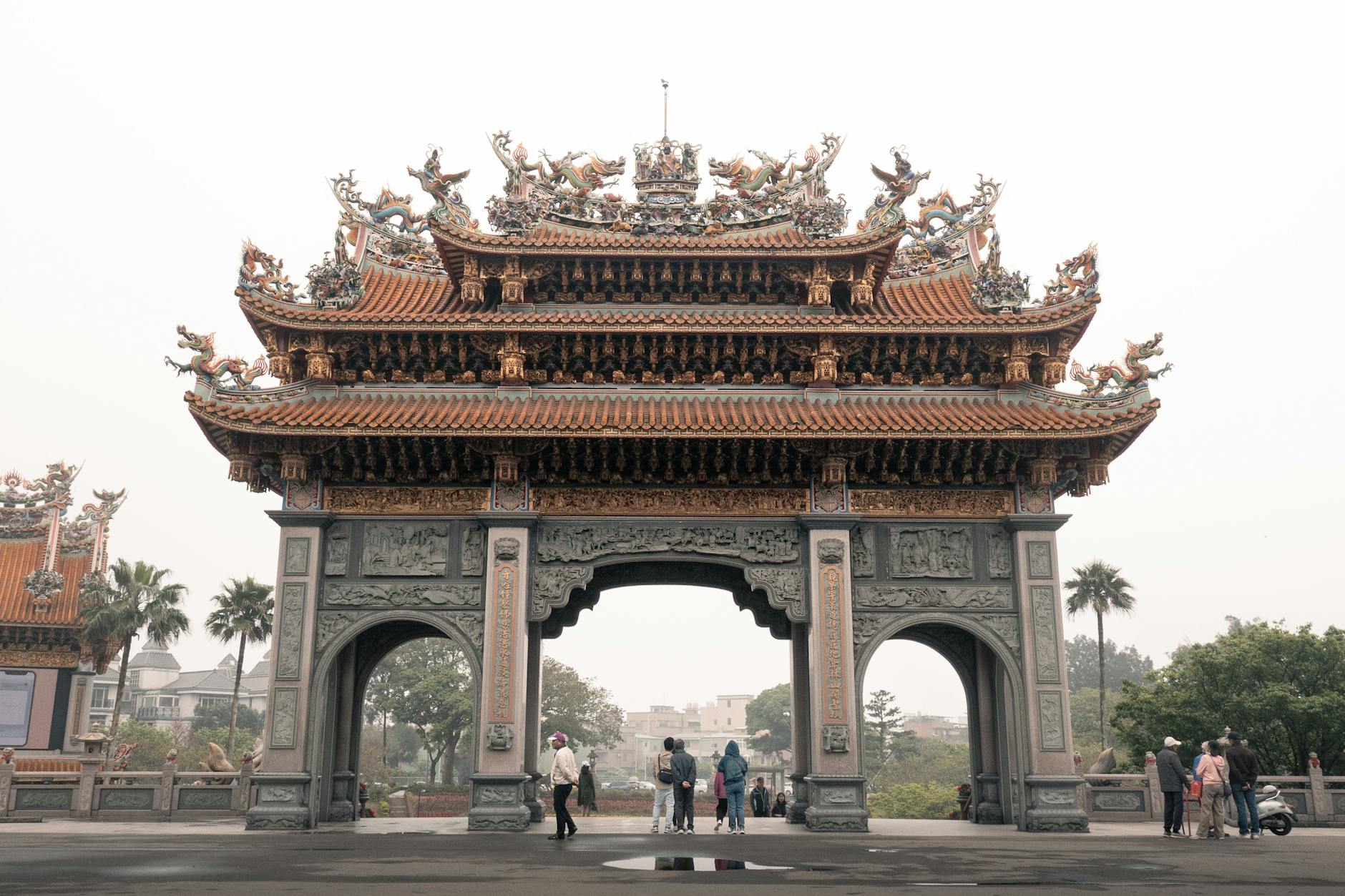
Both share a base of Buddhism, Taoism, Confucianism, and folk religion. Taiwan’s religious life is famously vibrant — temples are active, festivals are public, and processions still mobilize entire communities. Compared to mainland China (where religion has been variously suppressed and revived), Taiwan’s continuous religious tradition feels denser and more public.
Etiquette: What Tourists Should Know
Taiwanese social etiquette borrows from both Confucian and Japanese influences, with its own warm, polite character. Compared to mainland China:
Quieter on public transport. Taipei MRT culture is famously quiet — phone calls are kept low, music plays through earbuds, and conversations are subdued. Loud talking on the train will mark you as a tourist or a mainland visitor.
Strict line-keeping. Taiwanese queue patiently for everything — MRT platforms, food stalls, ATM lines. Cutting is met with quiet but firm corrections.
Politeness in stores. “Ni hao” (你好) and “Xie xie” (謝謝, thank you) are exchanged constantly. Bowing slightly when receiving change with two hands is appreciated. The customer-service tone is gentler than in mainland Chinese cities.
Public hygiene. Taipei is famously clean. Spitting in public is rare and frowned upon. Trash bins on the street are uncommon — most people carry trash to a 7-Eleven or home.
Photographing temples and people. Always ask before photographing temple worshippers or ceremonies. Religious objects shouldn’t be touched casually. At Longshan Temple and Bao’an Temple, follow the lead of locals — the rituals are real and ongoing, not theatrical performances.
Tipping. Not expected and often refused. A 10% service charge is automatically added at sit-down restaurants in some hotels and upscale spots, but otherwise, leave the change.
Dining etiquette. Don’t stick chopsticks vertically into rice (resembles funeral incense). Don’t pass food chopstick-to-chopstick. Pour tea for others before yourself. Both these norms exist in mainland China too — they’re shared inheritance.
Talking about politics and identity. Most Taiwanese are happy to discuss “Taiwan vs China” identity questions if you bring it up respectfully — but be aware that opinions vary widely. Some Taiwanese identify strongly as Taiwanese only; others identify as “Taiwanese and Chinese” in a cultural sense; some hold pro-unification views. Don’t assume.
Festivals and Celebrations
Shared Festivals
Both Taiwan and mainland China celebrate the major lunar calendar festivals: Lunar New Year (春節), Tomb Sweeping Festival (清明), Dragon Boat Festival (端午), and Mid-Autumn Festival (中秋). The traditions and foods overlap heavily.
Distinctly Taiwanese Festivals
- Mazu Pilgrimage (大甲媽祖遶境): One of the world’s largest religious processions, held annually in central Taiwan with overflows in Taipei. The Mazu sea goddess is especially venerated in Taiwan.
- Pingxi Sky Lantern Festival: Late-winter sky lantern release in Pingxi, near Taipei.
- Yangmingshan Flower Festival: February to March, in Taipei’s Yangmingshan National Park.
- Dongshan Tour Boat Festival, Salt Lake Festival, etc.: Many local Taiwanese celebrations rooted in regional traditions.
Festivals Specific to Taiwan’s Modern Identity
- Taipei Pride: The largest LGBTQ+ Pride parade in Asia, held annually in late October.
- Indigenous cultural festivals: Various nations hold their own annual celebrations, particularly in summer (Amis harvest festival, Bunun ear-shooting festival).
Currency, Phones, and Practical Differences
The practical infrastructure of Taiwan looks quite different from mainland China.
- Currency: Taiwan uses the New Taiwan Dollar (NT$); mainland uses Chinese Yuan (¥/RMB).
- Mobile payments: Taiwan uses LINE Pay, Apple Pay, Google Pay, EasyCard, and major credit cards. Mainland China runs on WeChat Pay and Alipay. The systems are different ecosystems.
- SIM/eSIM: Buy a Taiwanese SIM at the airport or a 7-Eleven. Most international roaming works fine in Taiwan.
- Internet apps: Google, Gmail, YouTube, WhatsApp, Facebook, Instagram, X, and Telegram all work in Taiwan. Mainland China doesn’t have any of these without a VPN.
- Time zone: Both Taiwan and mainland China use UTC+8 (no daylight saving).
- Power plugs: Taiwan uses 110V plugs (Type A/B, similar to North America). Mainland China uses 220V with different sockets.
How Taiwanese Identify Themselves
The “are you Chinese?” question is delicate and the honest answer is “it depends who you ask.” Polling consistently shows:
- Roughly 60–65% of Taiwanese identify as Taiwanese only
- Roughly 30% identify as both Taiwanese and Chinese (typically meaning culturally Chinese, politically Taiwanese)
- A small minority (under 5%) identify as Chinese only
- The “Taiwanese only” identity has been growing for two decades, especially among younger generations
For tourists, the safest framing in conversation is that Taiwan has its own identity, and that you’re visiting Taiwan — not “the China region.” Most Taiwanese will appreciate the distinction.
Common Mistakes and Misunderstandings
Calling Taiwan “China.” Even casually. Most Taiwanese consider this a real misstep. The correct term is “Taiwan” — full stop.
Assuming Beijing-style etiquette is the default. Taipei’s social rhythm is quieter, gentler, and more service-oriented than urban mainland China. Match the local tone.
Discussing the Tiananmen Square anniversary, the Dalai Lama, or Hong Kong protests as if Taiwanese will be uncomfortable. They won’t. Taiwan is one of the most open places in the world to discuss these topics. (In fact, Taipei has annual Tiananmen vigils.)
Trying to use mainland Chinese mobile apps in Taiwan. Few Taiwanese use WeChat Pay or Alipay. Don’t rely on them.
Expecting Taiwan to feel like “China lite.” It doesn’t. It has its own complete cultural register.
Skipping Indigenous Taiwan. If your trip allows time outside Taipei, regions like Hualien and Taitung have living Indigenous Taiwanese cultures that exist nowhere else.
The cultural differences are one thing; knowing how to behave in the middle of them is another. If you want the practical layer — how to talk about Taiwan without putting your foot in it, what to do at a temple door, why nobody will let you tip, and which superstitions actually change other people’s behaviour towards you — start with our guide to Taiwan etiquette, dos and don’ts.
Related Taipei guides
- Dragon Boat Festival in Taipei: Races & Zongzi
- Religion in Taipei: Buddhism, Taoism & Temple Life
- Taipei Travel Guide : The Complete Planning Resource
Frequently Asked Questions
Are Taiwan and China the same culture?
They share a common cultural heritage rooted in Chinese civilization, but Taiwan has developed a distinctly Taiwanese culture over the last 130 years through Japanese colonization, post-1949 migration, decades of liberal democracy, and Indigenous and Hokkien revival. Taiwan and mainland China are no longer culturally identical.
Do they speak Chinese in Taiwan?
Yes, Mandarin is the official language. Taiwan also has Taiwanese Hokkien, Hakka, and 16 Indigenous languages as recognized national languages. Taiwanese Mandarin sounds softer than Beijing Mandarin, with different vocabulary in many cases.
Does Taiwan use traditional or simplified Chinese?
Taiwan uses traditional Chinese characters (繁體字). Mainland China uses simplified characters. Hong Kong and Macau also use traditional characters.
Is Taiwan safer than mainland China for tourists?
Both are very safe. Taiwan ranks among the safest countries in Asia for tourists, with low crime rates, friendly locals, and easy infrastructure. Mainland Chinese cities are also generally safe but with more bureaucratic friction and internet restrictions.
Is Taiwan part of China?
The question is politically charged. Functionally, Taiwan is a self-governing democracy with its own military, currency, passport, government, and elected president. Beijing claims Taiwan as part of China; most Taiwanese disagree. For travelers, Taiwan operates as a separate destination — separate visa policies, separate currency, separate everything practical.
Can I use my phone from China in Taiwan?
Yes. Taiwan has open internet — Google, WhatsApp, Facebook, Instagram, X, and YouTube all work without restrictions. Many Chinese apps don’t work as well in Taiwan because they rely on Chinese mainland infrastructure.
Do Taiwanese eat the same food as mainland Chinese?
Taiwanese cuisine shares roots with Fujian (southeast Chinese) cooking but has evolved with Indigenous, Japanese, and post-1949 mainland Chinese influences. Many dishes (beef noodle soup, bubble tea, oyster omelets, three-cup chicken) are uniquely Taiwanese. Mainland Chinese dishes are also widely available, often run by descendants of 1949-era refugees.
Is Taiwan LGBTQ+ friendly?
Yes — Taiwan was the first country in Asia to legalize same-sex marriage (2019). Taipei has an annual Pride parade that is the largest in Asia and a vibrant LGBTQ+ scene, particularly around Ximending’s Red House district.
Should I learn any Mandarin before visiting Taiwan?
A few phrases help — “Ni hao” (hello), “Xie xie” (thank you), “Bu yao” (I don’t want), “Duo shao qian” (how much). English signage is good, especially in Taipei, and translation apps work well. Pinyin transliterations on signs are common.
Final Take
Taiwan vs China culture isn’t a marketing distinction. It’s the texture of every meal, every conversation, every temple visit, and every train ride you’ll have on a trip to Taipei. Taiwan is connected to China by language, food roots, and traditional festivals — and distinct from China in language mix, political system, social attitudes, LGBTQ+ rights, food evolution, and identity. Travelers who arrive expecting one or the other are usually surprised by the other half. Travelers who arrive expecting both tend to come back twice.