This article contains advertising. Our booking links are routed through a partner that adds commission tracking automatically, so if you book through one we earn a commission from the provider, at no extra cost to you. It never affects what we recommend. Affiliate disclosure
Taipei Culture & Traditions: A Visitor’s Guide (2026)
Taipei is a city where ancient temples sit beside glass skyscrapers, where the scent of incense drifts through streets humming with scooters and street vendors, and where centuries-old customs coexist with cutting-edge creativity. Understanding Taipei culture is the single most rewarding thing you can do before visiting Taiwan’s capital. It transforms a trip from sightseeing into genuine connection — with the people, the rituals, and the rhythms of daily life that make this city unlike anywhere else in Asia.
This comprehensive guide covers everything a visitor needs to know about Taiwan traditions, from the smoky grandeur of Longshan Temple to the unwritten rules of chopstick etiquette, from the explosive energy of Chinese New Year to the quiet reverence of a traditional tea ceremony. Whether you are planning your first trip or returning for a deeper experience, this guide to Taipei cultural experiences will help you engage respectfully and meaningfully with one of Asia’s most fascinating cultural landscapes.
For a broader overview of planning your visit, see our complete Taipei Travel Guide, which covers logistics, neighborhoods, and itineraries alongside the cultural context you will find here.

Religion & Spirituality in Taipei: A Living Tapestry
One of the first things visitors notice about Taipei religion is that it is everywhere. There are nearly as many temples in Taipei as there are restaurants — and that is saying something in a city obsessed with food. But unlike the preserved-in-amber religious heritage you find in some world capitals, Taipei temples are vibrantly alive. Office workers duck in during lunch breaks to light incense. Grandmothers consult fortune sticks before making family decisions. Entire neighborhoods gather for temple festivals that shut down traffic and fill the air with firecrackers and the rhythmic clash of cymbals.
The dominant spiritual framework in Taipei is what scholars call popular Chinese religion — a rich, practical blend of ancestral worship, Confucian moral philosophy, Buddhist metaphysics, and Taoist ritual. Most Taiwanese do not see these as competing systems. A single family might honor ancestors at a home altar, visit a Taoist temple to pray for business success, attend a Buddhist meditation retreat, and uphold Confucian values of filial piety and social harmony — all without any sense of contradiction.
For visitors, this means you will encounter a spiritual landscape that is deeply layered but also remarkably welcoming. Temples are open to everyone. There is no membership, no conversion, no gatekeeping. You are simply expected to be respectful — and the Taiwanese will appreciate even your smallest efforts to engage with their traditions.
Understanding Taiwan’s Three Temple Types
Not all Taipei temples look or feel the same. Learning to distinguish the three main types will deepen your appreciation enormously:
Confucian Temples are the least ornate. They emphasize learning and moral cultivation over worship of deities. You will not find statues of gods here but rather tablets honoring Confucius and his disciples. The architecture is elegant and restrained — think clean lines, muted colors, and an atmosphere of scholarly contemplation. Taipei’s Confucius Temple in the Dalongdong district is the finest example.
Taoist Temples are the most visually spectacular. Rooftops explode with colorful ceramic dragons, tigers, phoenixes, and mythological figures. Inside, you will find multiple altars dedicated to different deities — Mazu (goddess of the sea), Guan Di (god of war and righteousness), the Earth God, and dozens more. The air is thick with incense, and the rituals involve divination blocks, fortune sticks, and elaborate offerings. Longshan Temple is Taipei’s most famous example of this tradition.
Buddhist Temples tend toward serenity and grandeur. You will recognize them by large Buddha statues, halls lined with the 18 Arhats (enlightened disciples), and an emphasis on meditation and vegetarian practice. Buddhist temples in Taipei often have a more minimalist aesthetic compared to their Taoist counterparts, though many are still architecturally impressive.
In practice, many temples in Taipei blend these traditions freely. Longshan Temple, for instance, houses Buddhist, Taoist, and folk deities under one roof — a perfect reflection of how Taiwan traditions weave together rather than competing.
Taipei’s Most Important Temples: A Visitor’s Guide
With hundreds of temples scattered across the city, knowing which ones to prioritize can be overwhelming. These five are the most historically significant, architecturally stunning, and culturally illuminating Taipei temples for visitors.

Longshan Temple (Lungshan Temple)
Founded in 1738, Longshan Temple is the oldest and most famous temple in Taipei. Located in the historic Wanhua district — the city’s original settlement — it has survived earthquakes, typhoons, and World War II bombing. The temple you see today is a meticulous reconstruction that honors the original Fujian-style architecture, with intricate stone carvings, bronze dragon columns, and a waterfall garden at its entrance.
Longshan is a working temple in every sense. On any given day, you will see worshippers casting crescent-shaped divination blocks, lighting bundles of incense, and making offerings of fruit and flowers. The temple houses over 100 deities from Buddhist, Taoist, and folk traditions, making it the perfect introduction to Taiwan’s syncretic spirituality. Visit early in the morning for a meditative experience, or time your visit with a festival for full sensory overload.
Dalongdong Baoan Temple (UNESCO Heritage)
Baoan Temple earned a UNESCO Asia-Pacific Heritage Award in 2003 for its exceptional restoration — a recognition that puts it alongside the finest preserved religious sites in the region. Dedicated to Baosheng Dadi, the god of medicine, this temple is particularly revered by those seeking healing and good health.
The temple’s annual Baosheng Cultural Festival (usually in April or May) features traditional opera performances, puppet shows, and folk arts that offer a window into Taiwan customs rarely seen by tourists. The craftsmanship here is extraordinary — look for the painted door gods, the koji pottery figures on the roof, and the delicate wood carvings that line the eaves.
Taipei Confucius Temple
Located just across the street from Baoan Temple in the Dalongdong neighborhood, Taipei’s Confucius Temple offers a striking contrast. Where Baoan is ornate and bustling, the Confucius Temple is calm and understated. Built in the Southern Fujian architectural style, it features elegant wooden beams, glazed ceramic roof decorations, and a spacious courtyard that invites contemplation.
The highlight is the annual Confucius Birthday Ceremony on September 28 (also Teacher’s Day in Taiwan), featuring an ancient ritual dance and music performance that has been practiced for centuries. It is one of the most atmospheric Taipei cultural experiences available to visitors.
Xingtian Temple
Xingtian Temple is notable for two reasons: it is one of the busiest temples in Taipei, and it banned the burning of incense and joss paper in 2014 — a bold environmental move that sparked nationwide discussion. Dedicated to Guan Di (Lord Guan), the god of war, righteousness, and business success, it draws enormous crowds of entrepreneurs and office workers seeking divine guidance for their careers.
The temple also offers free “shoujing” (收驚) rituals performed by volunteer priestesses — a traditional ceremony to calm the spirit after a fright or period of stress. Watching this ancient healing practice in action is a uniquely Taiwanese experience.
Guandu Temple
Tucked away on a hillside near the confluence of the Tamsui and Keelung rivers, Guandu Temple is worth the journey for its dramatic setting alone. This temple complex, dedicated to Mazu, the goddess of the sea, features a cave tunnel lined with Buddhist and Taoist statues that leads to a clifftop shrine with sweeping river views. It is less visited by tourists than Longshan but equally impressive — and the nearby Guandu Nature Park makes for a rewarding half-day outing. You can find more ideas like this in our guide to day trips from Taipei.

Temple Etiquette for Visitors in Taipei
Taiwanese people are famously gracious hosts, and temple-goers are generally delighted to see foreign visitors showing interest in their spiritual traditions. That said, temples are sacred spaces, and observing basic Taiwan etiquette shows respect and will enhance your experience. Here is what you need to know.
What to Wear to Taipei Temples
Dress modestly. This does not mean formal attire — Taipei is a subtropical city and no one expects you to swelter in long sleeves. But avoid excessively revealing clothing. Shorts that reach mid-thigh and shirts that cover the shoulders are generally fine. Some stricter temples may have dress requirements posted at the entrance, so keep a light scarf or cardigan in your bag as a backup.
How to Behave Inside a Temple
When entering a temple, step over the raised threshold — never step on it, as it is considered the temple’s spiritual boundary. Bow respectfully to the main deity statue upon entering. You are welcome to observe worshippers but avoid blocking their path to altars. Do not touch altar items, deity statues, or ritual implements unless invited to do so. Keep your voice low and respectful.
Photography is permitted in most Taipei temples, but always check for posted signs. Avoid using flash, and never photograph worshippers at prayer without their permission. If you want to light incense (where permitted), temple volunteers will often guide you through the process — do not be shy about asking for help.
Understanding Offerings
Temple offerings follow specific traditions. Food offerings are traditionally raw and uncut — whole fruits, uncooked rice, unsliced vegetables. This differs from ancestor worship at home, where cooked food is offered. You will see elaborate offering tables at temples, especially during festivals. If you wish to make an offering, fruit is the simplest and most appropriate choice for visitors. Many temples have vendors nearby selling ready-made offering sets.
Major Festivals & Holidays in Taipei
Taipei festivals are among the most exhilarating cultural experiences in Asia. The city’s festival calendar is packed year-round, anchored by major celebrations that have been observed for centuries. Timing your visit to coincide with one of these events can be the highlight of your entire trip to Taiwan.
Chinese New Year in Taipei (Lunar New Year)
Chinese New Year Taipei is the single most important holiday in the Taiwanese calendar. Based on the lunar calendar, it typically falls between late January and mid-February. The celebrations are intense, joyful, and deeply family-oriented — and they come with practical implications that every visitor should understand.
In the weeks leading up to New Year’s Eve, the city transforms. Shopping districts are draped in red and gold. Dihua Street in the historic Dadaocheng neighborhood becomes a massive outdoor market selling dried goods, decorations, and traditional treats for the holiday. The energy is infectious, and wandering the New Year markets is a cultural experience in itself.
On New Year’s Eve, families gather for reunion dinners — the most important meal of the year. Dishes are chosen for their symbolic meanings: whole fish for abundance, long noodles for longevity, dumplings shaped like gold ingots for wealth. After dinner, families stay up late, and at midnight, firecrackers and fireworks erupt across the city. Taipei 101’s spectacular fireworks show is world-famous and draws hundreds of thousands of spectators.
Over the following days, families visit temples to pray for a prosperous year, exchange red envelopes (hongbao) containing money, and enjoy dragon and lion dances in the streets. Children receive new clothes and stay up late. The festivities continue for about two weeks, culminating in the Lantern Festival.
Practical note for travelers: Many small businesses, restaurants, and shops close for several days around Chinese New Year. Major tourist attractions generally remain open, but hours may be reduced. Public transportation runs on holiday schedules. If you visit during this period, plan accordingly and embrace the festive atmosphere. Some of the best Taipei night markets may operate on reduced schedules as well.

Lantern Festival in Taipei
The Lantern Festival falls on the 15th day of the Lunar New Year — the first full moon of the new year — and marks the official end of Chinese New Year celebrations. In Taipei, this means spectacular lantern displays, parades, riddle-solving games, and an explosion of color that rivals any festival in the world.
The Taipei Lantern Festival, held in a different location each year, features enormous themed lanterns, performance stages, food stalls, and interactive light installations. The main lantern, unveiled at the opening ceremony, is always a show-stopping work of art — recent years have featured lanterns standing over ten meters tall.
For a truly unforgettable experience, take a short trip to Pingxi, a mountain village about an hour from Taipei, where thousands of sky lanterns are released simultaneously into the night sky. Visitors write wishes on paper lanterns, light the fuel cell inside, and watch them float upward like earthbound stars returning to the heavens. CNN has ranked Pingxi’s sky lantern festival among the world’s most spectacular events — and it lives up to the hype. Check our day trips from Taipei guide for details on reaching Pingxi.
Dragon Boat Festival in Taipei (Duanwu Festival)
Held on the fifth day of the fifth lunar month (usually June), the Taipei Dragon Boat Festival is one of Asia’s most exciting sporting and cultural events. The festival commemorates the ancient poet Qu Yuan, and its centerpiece is dragon boat racing — teams of paddlers powering ornately decorated longboats through the water to the thunderous beat of a drum.
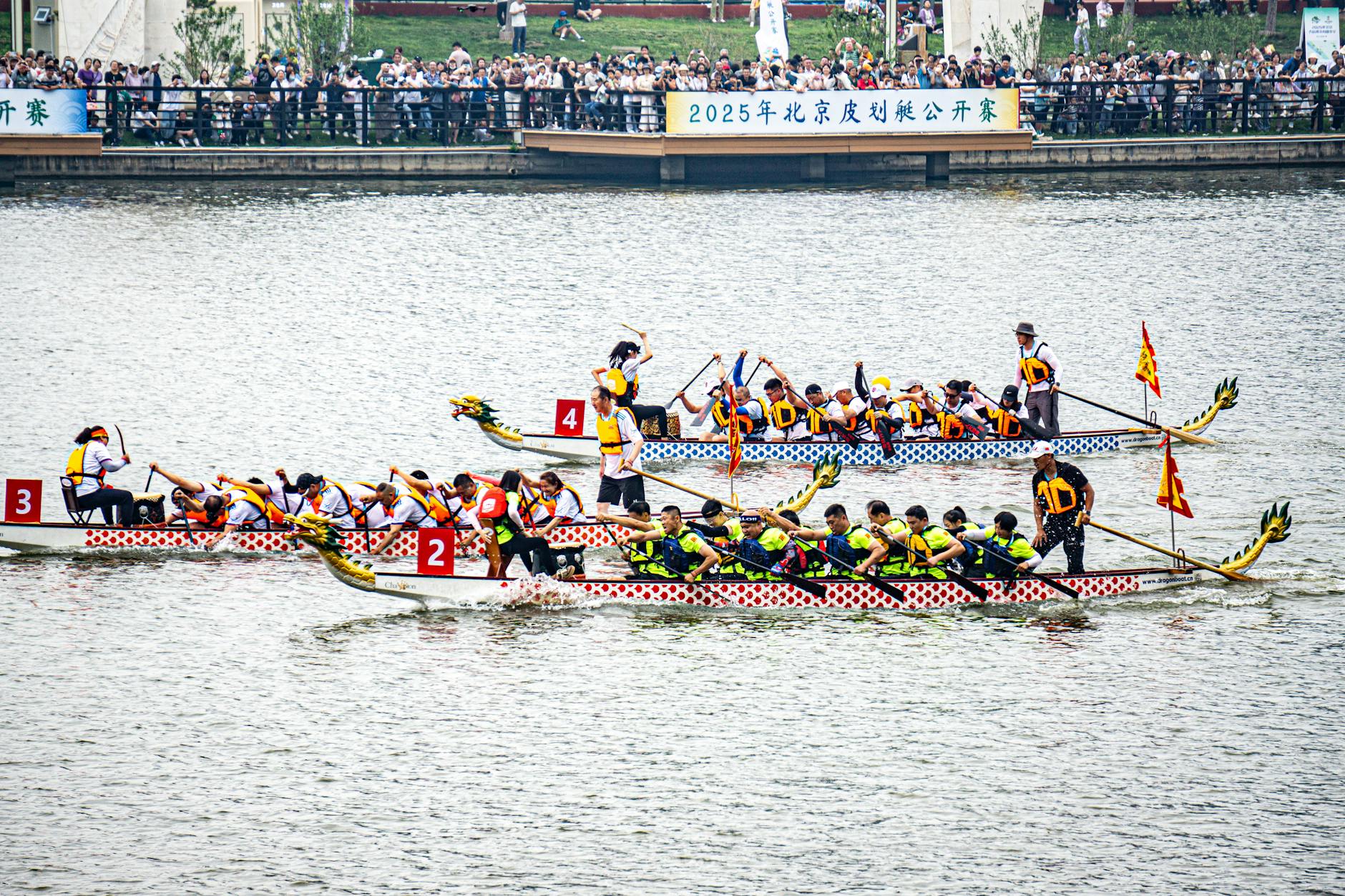
Taipei’s main races take place on the Keelung River near Dajia Riverside Park. International teams compete alongside Taiwanese crews, and the atmosphere is electric — crowds line the banks, food vendors set up shop, and the cheering is deafening. It is free to watch and genuinely thrilling even if you know nothing about the sport.
The festival’s culinary tradition is zongzi — sticky rice dumplings wrapped in bamboo leaves and stuffed with fillings ranging from savory pork and mushroom to sweet red bean paste. In the weeks leading up to the festival, zongzi appear at every market, convenience store, and family dinner table. Trying different versions is one of the great Taipei cultural experiences of early summer. You can find zongzi and much more in our Taipei food guide.
Mid-Autumn Festival (Moon Festival)
The Mid-Autumn Festival falls on the 15th day of the eighth lunar month (usually September or October) and celebrates the harvest moon. In Taipei, the most beloved tradition is communal barbecuing — families, friends, and neighbors set up grills on sidewalks, rooftops, and parks across the city. The smell of grilled meat, seafood, and corn fills every neighborhood, and the convivial atmosphere is irresistible.
Mooncakes are the festival’s signature food: round pastries with rich fillings — lotus seed paste, red bean, taro, egg yolk — symbolizing unity and completeness, like the full moon itself. Bakeries compete to create the most inventive flavors, and beautifully boxed mooncakes are exchanged as gifts between friends and business associates. Moon gazing is the contemplative counterpart to the barbecue revelry — parks and riverside areas fill with families enjoying the moonrise together.
Ghost Month: What Travelers Should Know
Ghost Month (the seventh month of the lunar calendar, usually falling in August) is one of the most culturally significant — and most misunderstood — periods in the Taiwanese year. Understanding it is essential for anyone interested in Taipei culture and Taiwan customs.
According to traditional belief, the gates of the underworld open during Ghost Month, allowing spirits of the deceased to roam the living world. These are not necessarily malevolent spirits — many are simply hungry ancestors whose descendants have neglected their offerings. The Hungry Ghost Festival, held on the 15th day of the month, is the climax, when elaborate food offerings, incense, and joss paper (spirit money) are burned at temples, outside businesses, and on street corners throughout the city.
Walking through Taipei during Ghost Month, you will notice tables of food set out on sidewalks, small fires burning in metal barrels (for joss paper), and incense smoke curling from shopfronts. Temples host major ceremonies with chanting monks, opera performances, and community feasts. It is atmospheric, visually striking, and a fascinating window into living folk religion.
Ghost Month Taboos and Superstitions
Even many modern, skeptical Taiwanese observe Ghost Month taboos — if only as a cultural hedge. As a visitor, you do not need to follow these rules strictly, but being aware of them shows cultural sensitivity and may help you understand local behavior during this period:
- Avoid swimming or water activities — spirits are believed to pull the living underwater. Many Taiwanese families keep children away from pools and beaches.
- Do not whistle at night — it is believed to attract ghosts.
- Avoid buying property, getting married, or starting a new business — Ghost Month is considered inauspicious for major life decisions.
- Do not sit in the front row at outdoor opera performances — those seats are reserved for ghostly audiences.
- Avoid picking up coins or objects from the ground — they may be spirit offerings.
- Do not hang laundry outside at night — spirits may be attracted to the clothing and linger.
Practical Impact on Travelers During Ghost Month
Ghost Month’s main practical impact is that some activities and events may be curtailed. You might find fewer outdoor concerts or large celebrations, and some locals may be hesitant to travel. On the positive side, Ghost Month is low season for domestic tourism, which can mean fewer crowds at popular spots. Temples are particularly active and interesting to visit during this period, and the Hungry Ghost Festival ceremonies are genuinely memorable cultural events.
Tea Culture in Taipei: Ceremony, Tradition & Experience
Tea is not just a beverage in Taiwan — it is a philosophy, a social ritual, and one of the island’s proudest cultural exports. Taipei culture is steeped in tea, quite literally. Understanding the role of tea will enrich every aspect of your visit, from shopping to socializing to quiet moments of personal reflection.
Taiwan’s Tea Heritage
Taiwan is renowned worldwide for its high-mountain oolong teas, which thrive in the island’s unique combination of altitude, humidity, and volcanic soil. The most celebrated varieties — Dong Ding, Ali Shan, Li Shan, and Oriental Beauty — command premium prices and have devoted followings among tea connoisseurs globally. Taipei, as the island’s commercial and cultural hub, is where much of this tea tradition converges.
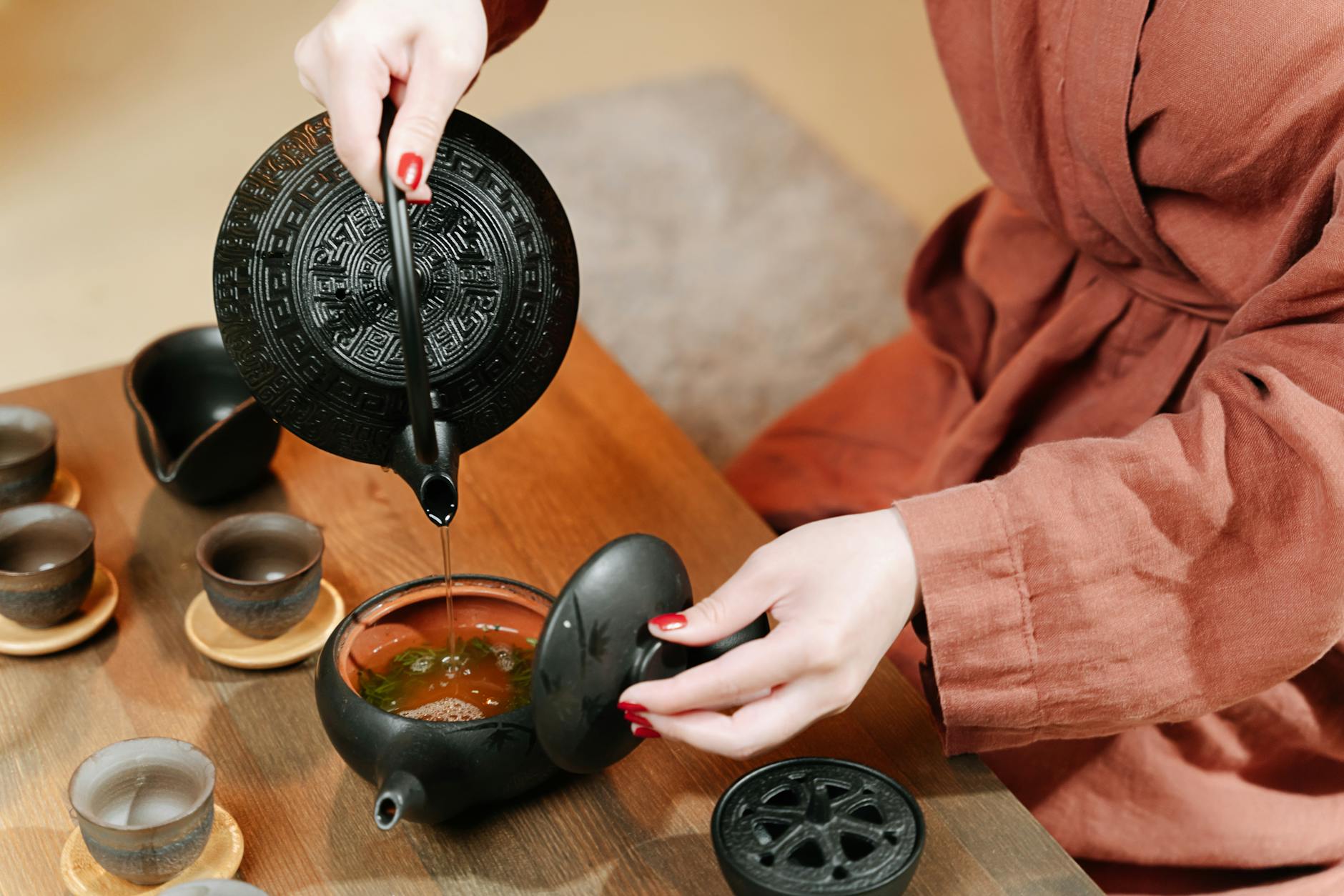
The Taiwanese tea ceremony (gongfu cha, or “making tea with skill”) is a meditative practice that emphasizes the sensory experience of tea drinking. Small clay teapots, tiny cups, and repeated short infusions allow drinkers to explore how a single tea’s flavor evolves across multiple steepings. Unlike the Japanese tea ceremony, which follows strict choreography, the Taiwanese approach is more relaxed and conversational — the goal is connection and appreciation, not rigid formality.
Maokong: Taipei’s Tea Mountain
Maokong, a hillside tea-growing area in southern Taipei, is the city’s premier destination for tea culture. Accessible by the Maokong Gondola — a scenic cable car ride that offers breathtaking views of the city — Maokong is home to dozens of teahouses where you can spend hours sampling different oolongs while gazing out over the Taipei basin.
Many Maokong teahouses offer gongfu-style tea service, where the owner or a staff member guides you through the ceremony. Some also serve tea-infused cuisine — tea oil noodles, tea-smoked chicken, green tea tofu — that makes for a uniquely Taiwanese meal. Visiting Maokong in the evening, when the city lights twinkle below and the mountain air cools, is one of Taipei’s most magical experiences.
Tea Houses in Central Taipei
You do not need to travel to Maokong for an authentic tea experience. Central Taipei has numerous traditional teahouses, particularly in the older neighborhoods. Wistaria Tea House, a designated historic building near Yongkang Street, has been serving tea since the Japanese colonial era and played a role in Taiwan’s democracy movement. Smith & Hsu and Wang De Chuan offer elegant tea experiences in more modern settings. In the Yongkang Street shopping district, several boutique tea shops invite visitors to sit and sample before buying.
Tea also makes an exceptional gift to bring home. High-quality Taiwanese oolong is compact, lightweight, and deeply appreciated by anyone who receives it. The tea shops along Dihua Street in Dadaocheng are particularly well-stocked with premium options in beautiful packaging.
Night Market Culture: More Than Just Food
Night markets are often presented as Taipei’s premier food experience — and the food is indeed spectacular, as we detail in our Taipei food guide. But reducing night markets to their culinary offerings misses their deeper cultural significance. Taiwan’s night markets are community institutions, social gathering places, and living expressions of Taipei culture that have shaped the city’s identity for generations.
In a city where apartments are small and summers are hot, night markets have historically served as the neighborhood living room — a place where families stroll, teenagers hang out, elderly neighbors catch up on gossip, and children run between game stalls. The night market is democratic in the purest sense: millionaires and students stand in the same lines, eat from the same stalls, and share the same communal tables.
Beyond food, night markets offer games (ring toss, claw machines, shooting galleries), clothing and accessories, phone cases, traditional crafts, and services ranging from massage to fortune telling. The atmosphere is festive, loud, chaotic, and quintessentially Taiwanese. Visiting a night market without buying anything — simply absorbing the energy and watching people — is itself a valuable cultural experience.
Night market etiquette is straightforward: walk slowly, keep to the right, have small bills and coins ready (many vendors do not accept cards), and do not be afraid to point at what you want if you do not speak Mandarin. Vendors are accustomed to tourists and will often help you navigate their menus with patience and good humor. For a full rundown of the best markets and what to eat there, see our guide to Taipei night markets.
Taiwanese Etiquette & Customs: What Every Visitor Should Know
Taiwan is consistently ranked among the friendliest destinations in Asia, and Taipei residents are notably patient with foreign visitors who are still learning local customs. That said, understanding basic Taiwan etiquette will earn you genuine warmth and respect — and help you avoid unintentional faux pas.
Greetings and Social Interaction
Handshakes are common in business settings but are typically gentler than Western handshakes — a modest grip rather than a bone-crusher. In casual settings, a nod and a smile are perfectly appropriate greetings. Taiwanese people generally maintain more personal space than in some other Asian cultures, and public displays of affection, while not taboo, are relatively understated.
When exchanging business cards, present and receive them with both hands — this is one of the most important Taiwan customs in professional settings. Take a moment to read the card before putting it away. Treating someone’s business card carelessly (stuffing it in your back pocket, writing on it) is considered disrespectful.
Dining Etiquette in Taipei
Taiwanese dining culture is relaxed and communal, but a few rules are deeply ingrained:
- Never stick chopsticks vertically into a bowl of rice. This resembles incense sticks placed in a bowl for funeral rites and is considered extremely inauspicious. Lay your chopsticks across the top of your bowl or on a chopstick rest instead.
- Do not tap your chopsticks on the bowl. This is associated with begging.
- The host typically orders and pays. If someone invites you to dinner, they expect to pay. Offering to split the bill once is polite; insisting aggressively is not.
- Pour tea for others before yourself. This small gesture of courtesy is deeply appreciated. If someone refills your cup, tap two fingers on the table as a thank-you — a gesture with roots in Qing Dynasty court etiquette.
- Slurping noodles is acceptable and even complimentary in casual settings, particularly at noodle shops and night markets.
Gift-Giving Customs
If you are invited to a Taiwanese home — an honor that reflects genuine friendship — bring a gift. Fruit, imported sweets, quality tea, or a gift from your home country are all appropriate. Present gifts with both hands. Avoid giving clocks (the word for “gifting a clock” sounds like “attending a funeral” in Mandarin), umbrellas (the word sounds like “separation”), and anything in sets of four (the number four sounds like “death”). Gifts in sets of six or eight are considered lucky.
Wrap gifts in red or gold paper — these are auspicious colors. Avoid white and black wrapping, which are associated with funerals.
Shoes, Tipping, and Other Customs
Remove your shoes when entering someone’s home. Most Taiwanese homes will have a rack of indoor slippers near the door — your host will typically offer you a pair. Some traditional restaurants and certain temples also require shoe removal.
Tipping is not expected in Taiwan and can sometimes cause confusion. Restaurants do not expect tips; taxis do not expect tips; hotels may have a service charge included in the bill. The main exception is tour guides, where a modest tip is appreciated but not obligatory.
Queuing is sacred. Taiwanese people are disciplined queuers, especially on the MRT (subway), where passengers line up in orderly rows on platform markings and allow exiting passengers off before boarding. Following this practice will earn you silent but genuine approval from locals.
Indigenous Culture in Taiwan: The Island’s First Peoples
Long before Chinese settlers arrived from the mainland, Taiwan was home to Austronesian peoples who had inhabited the island for thousands of years. Today, Taiwan officially recognizes 16 indigenous tribes, each with distinct languages, traditions, music, and art. While indigenous communities are primarily based in Taiwan’s mountainous east and south, their influence on Taipei culture is significant and growing — from cuisine to music to the arts.
Indigenous Influence on Taiwanese Culture
Many foods that Taiwanese people consider quintessentially local have indigenous roots — millet wine, wild boar sausage, mountain vegetables, and certain preparations of taro and sweet potato. Indigenous musical traditions, particularly vocal polyphony, have gained international recognition, with the Amis tribe’s “Jubilant Drinking Song” famously sampled (without permission) in the 1996 Atlanta Olympics theme. Today, indigenous musicians are celebrated in their own right, and their influence on Taiwanese pop, rock, and electronic music is substantial.
In visual arts, indigenous patterns, textiles, and craftsmanship have experienced a renaissance, appearing in fashion, gallery exhibitions, and public art installations across Taipei. The city’s cultural institutions increasingly dedicate space and programming to indigenous heritage, reflecting a broader national effort toward recognition and reconciliation.
Where to Experience Indigenous Culture Near Taipei
Wulai, a mountainous district about 40 minutes from central Taipei, is the most accessible indigenous cultural destination for visitors. Home to the Atayal people, Wulai offers hot springs, a waterfall, a cultural museum, and restaurants serving indigenous cuisine. The Wulai Atayal Museum provides an excellent introduction to indigenous history and traditions, and local shops sell handwoven textiles, beadwork, and carved wooden crafts. Wulai is easily combined with a nature excursion — see our day trips from Taipei guide for planning details.
In Taipei itself, the Shung Ye Museum of Formosan Aborigines, located near the National Palace Museum, houses an impressive collection of indigenous artifacts, clothing, tools, and ritual objects. The Ketagalan Culture Center in Beitou district is another worthwhile stop, offering rotating exhibitions on indigenous art and history.
Arts & Creative Spaces in Taipei
Taipei’s arts scene is a dynamic fusion of ancient mastery and contemporary experimentation. From one of the world’s greatest collections of Chinese art to repurposed industrial spaces buzzing with young creatives, the city offers Taipei cultural experiences that span millennia.
National Palace Museum
The National Palace Museum holds the world’s largest and most comprehensive collection of Chinese art and artifacts — nearly 700,000 pieces spanning 8,000 years of Chinese civilization. The collection, which was transported from Beijing’s Forbidden City during the Chinese Civil War, includes jade carvings, bronze vessels, calligraphy scrolls, ceramics, lacquerware, and paintings of extraordinary beauty and historical significance.
Star pieces include the Jadeite Cabbage (a life-sized cabbage carved from a single piece of jade with grasshoppers perched on its leaves), the Meat-Shaped Stone (a piece of jasper that looks uncannily like a braised pork belly), and rotating selections of ancient calligraphy and landscape paintings that are among the finest ever created. Even if museum-going is not your usual preference, the National Palace Museum is a once-in-a-lifetime cultural experience.
Budget at least three to four hours for a visit. Audio guides are available in multiple languages. The museum is located in the Shilin district and is easily reached by MRT and bus.
Huashan 1914 Creative Park
Once a Japanese-era wine factory, Huashan 1914 has been transformed into one of Taipei’s most vibrant cultural hubs. The repurposed industrial buildings now house art galleries, design shops, independent bookstores, cafes, performance spaces, and rotating exhibitions that range from contemporary art to pop culture installations. The park hosts regular markets, film screenings, and live music events, and its tree-lined outdoor spaces are popular gathering spots.
Huashan is an excellent place to feel the pulse of contemporary Taipei creativity. It is where traditional aesthetics meet street art, where tech startups coexist with pottery studios, and where the boundary between art and daily life dissolves in the most Taiwanese way possible.
Songshan Cultural and Creative Park
Similar in concept to Huashan but housed in a former tobacco factory near the Taipei 101 area, Songshan Cultural and Creative Park focuses on design, fashion, and creative industries. The Taipei Design Museum is located here, along with exhibition halls, a performance center, and the eslite spectrum — a lifestyle complex combining books, music, film, and food. Songshan regularly hosts major design exhibitions and fashion events, making it a must-visit for creatively inclined travelers.
Chiang Kai-shek Memorial Hall and Its Cultural Precinct
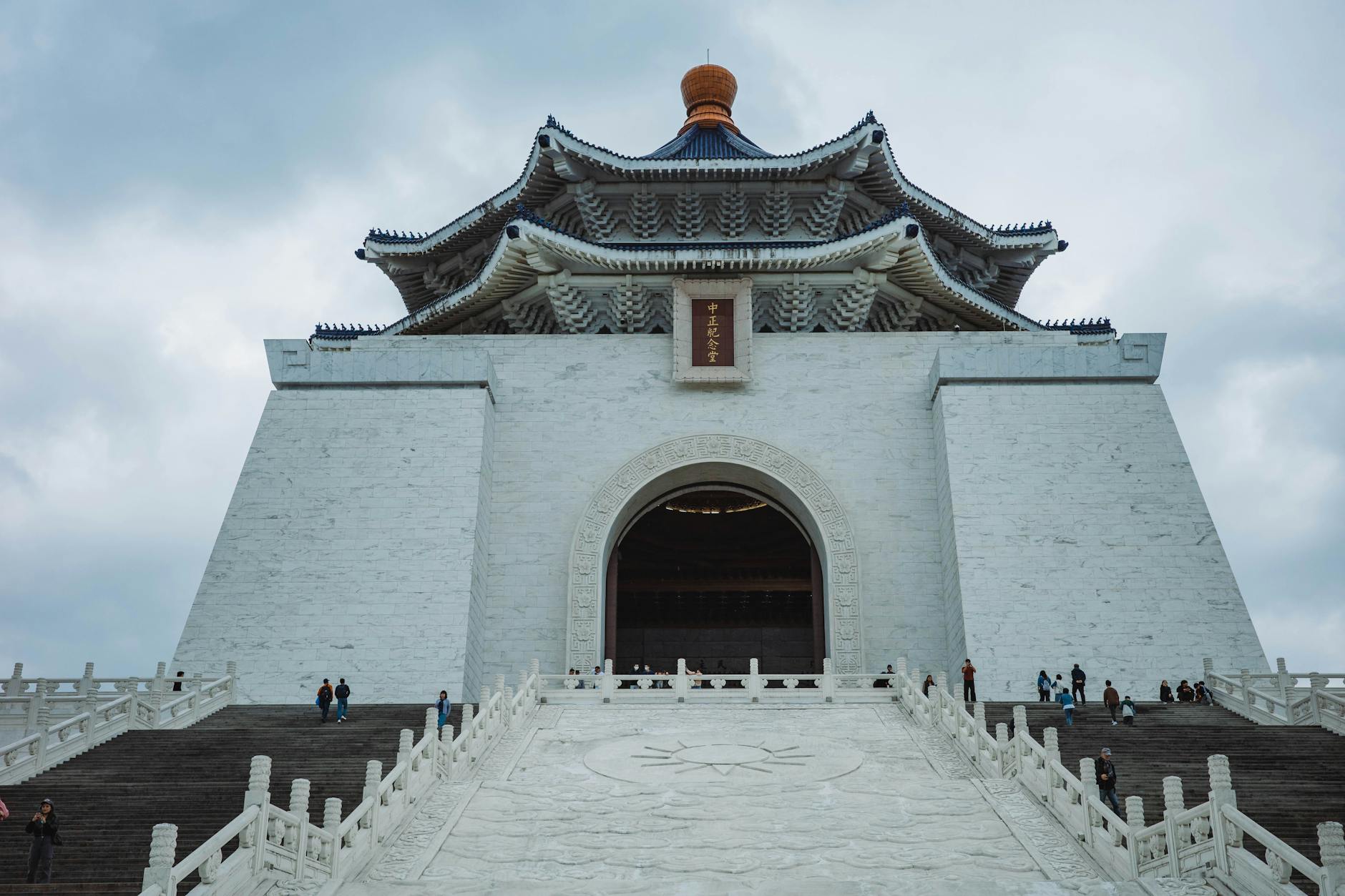
The imposing Chiang Kai-shek Memorial Hall, with its white marble walls and blue-tiled roof, sits at the center of Liberty Square — one of Taipei’s most important public spaces. Regardless of one’s views on the historical figure it commemorates (and opinions in Taiwan are sharply divided), the site is architecturally significant and culturally layered. The changing of the guard ceremony, performed with balletic precision every hour, is a popular spectacle.
The surrounding precinct includes the National Theater and National Concert Hall — two magnificent traditional-style buildings that host world-class performing arts year-round. Classical music, traditional Chinese opera, contemporary dance, and theater performances offer evening cultural experiences that complement daytime sightseeing.
Calligraphy, Crafts & Traditional Arts in Taipei
Beyond museums and galleries, Taipei offers numerous opportunities to engage with traditional arts in a hands-on way. These experiences offer some of the most memorable and personal encounters with Taiwan traditions.
Chinese Calligraphy
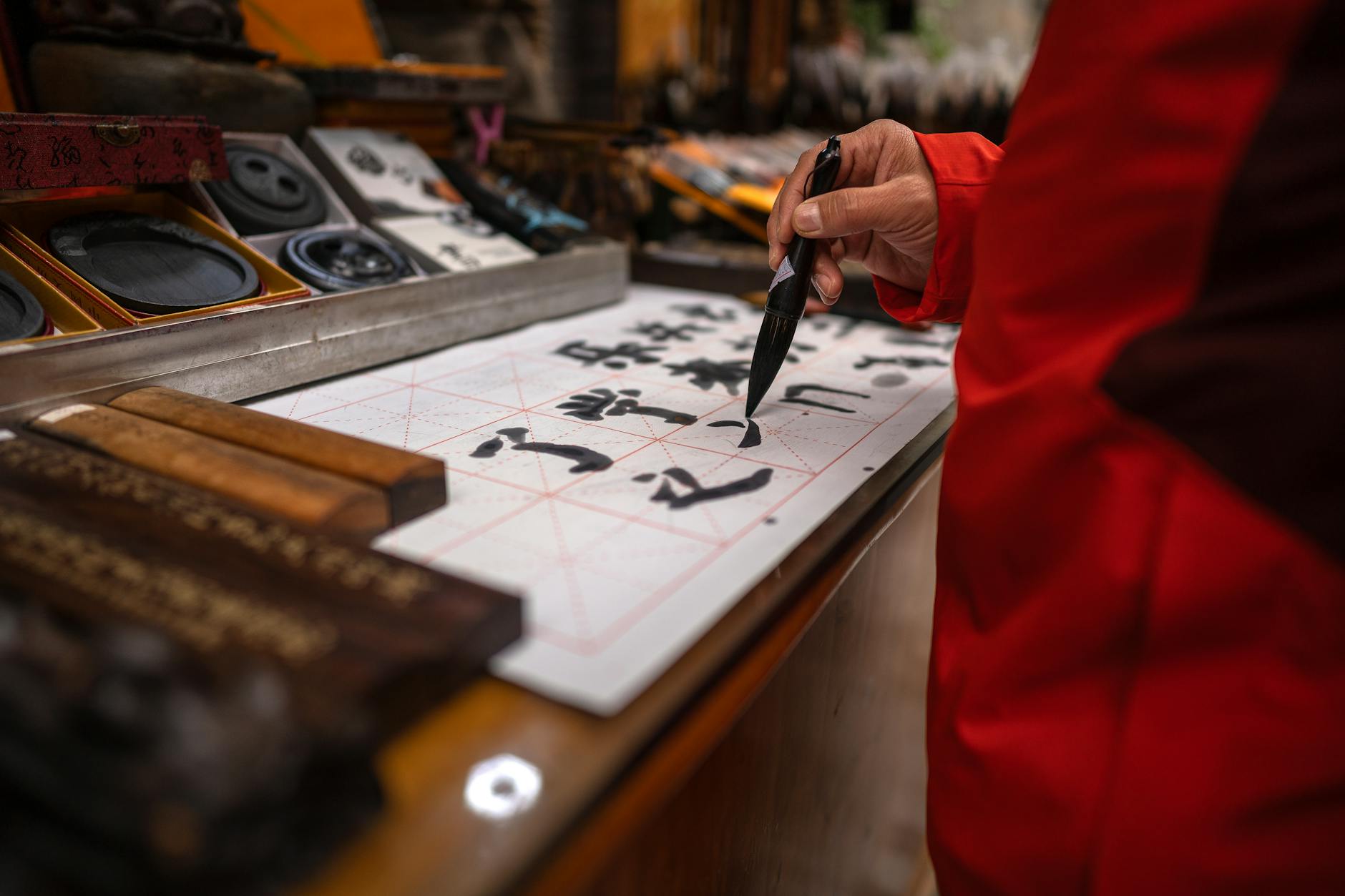
Chinese calligraphy is often called the highest form of Chinese art — an expressive practice that combines visual beauty, physical discipline, and philosophical depth. In Taipei, calligraphy remains a living art, practiced in parks by elderly masters, taught in schools, and celebrated in galleries and museums.
Several cultural centers and private studios in Taipei offer calligraphy workshops for visitors. A typical introductory class lasts two to three hours and covers the basic strokes, the proper way to hold the brush, and the preparation of ink. You will leave with your own piece of calligraphy — usually your name written in Chinese characters — and a deeper appreciation for why this art form has been revered for over three thousand years. Check with studios in the Zhongshan and Daan districts for English-language workshops.
Dihua Street: A Window into Traditional Crafts
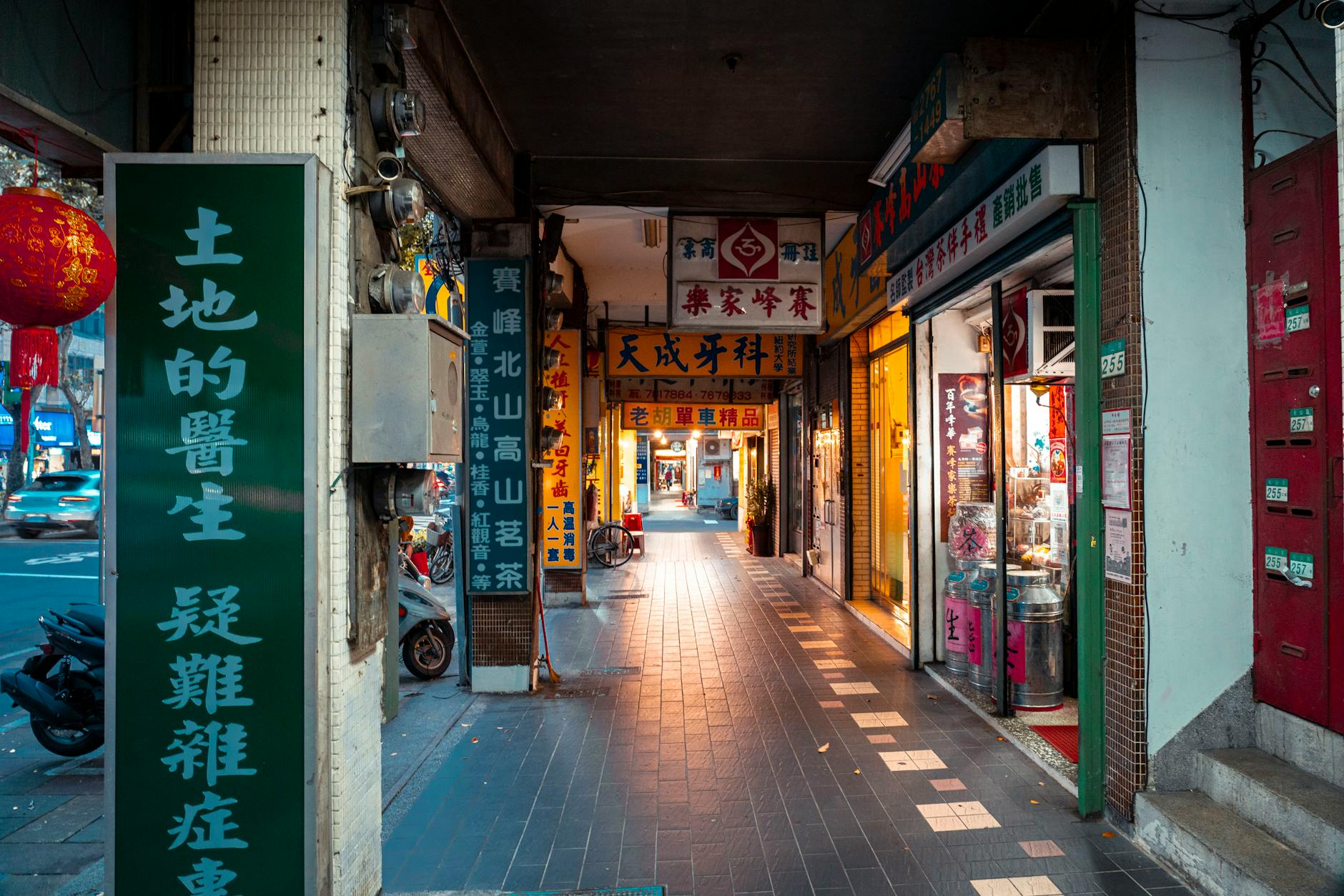
Dihua Street in the Dadaocheng neighborhood is Taipei’s oldest commercial street, and walking its length is like stepping through layers of Taiwanese cultural history. The Baroque-style shophouses date from the Japanese colonial era, and many of the businesses inside have been family-run for generations. You will find shops specializing in traditional Chinese medicine, dried goods, fine fabrics, tea, and handmade crafts.
In recent years, a wave of young entrepreneurs has breathed new life into Dihua Street, opening artisan workshops, design studios, and craft-focused boutiques alongside the venerable old shops. This blend of heritage commerce and contemporary creativity makes Dihua Street one of the best places in Taipei to find unique, culturally meaningful souvenirs. For more about Taipei’s best shopping destinations, see our shopping in Taipei guide.
Traditional Puppetry, Opera, and Performance Arts
Taiwanese glove puppetry (budaixi) is a uniquely Taiwanese art form that originated in Fujian province and evolved into something distinctly local. Performances feature elaborately costumed puppets in martial arts dramas accompanied by traditional music. The Taiyuan Asian Puppet Theatre Museum in Datong district offers performances and workshops. Taiwanese opera (gezaixi), a folk opera form unique to Taiwan, can occasionally be seen at temple festivals and cultural venues — check local listings during your visit.
Cultural Experiences for Visitors: Hands-On Taipei
The best way to understand Taipei culture is to participate in it. Beyond sightseeing, the city offers an exceptional range of immersive cultural experiences that allow visitors to engage directly with Taiwanese traditions.
Taiwanese Cooking Classes
Cooking classes are one of the most popular Taipei cultural experiences for visitors, and for good reason. A typical class begins with a guided market tour — often at a traditional wet market — where you learn to identify local ingredients, observe the vendor-customer relationships that define market culture, and select the produce you will cook with. Back in the kitchen, a local chef guides you through classic Taiwanese dishes: beef noodle soup, three-cup chicken, pineapple cake, or scallion pancakes.
Several operators offer classes in English, ranging from casual home-style sessions to more structured professional-kitchen experiences. Beyond the recipes, cooking classes offer insight into Taiwanese food philosophy — the emphasis on freshness, seasonal eating, balance of flavors, and the central role of food in family and social life. Explore more of Taipei’s culinary world in our comprehensive food guide.
Tea Ceremony Workshops
While visiting a teahouse is wonderful, participating in a guided tea ceremony takes the experience to another level. Workshops typically cover the history of Taiwanese tea, the differences between oolong varieties, proper brewing techniques, and the art of tasting. You will learn to use a gaiwan (lidded cup) or yixing clay teapot, understand water temperature and steeping times, and develop vocabulary for describing tea flavors. Many workshops include a tasting of three to five different teas paired with traditional Taiwanese sweets.
Temple Activities and Spiritual Experiences
Some temples and cultural organizations offer structured experiences for visitors who want to go beyond observation. Fo Guang Shan, a major Buddhist organization with a presence in Taipei, occasionally offers meditation sessions and temple stays open to non-Buddhists. The Zhinan Temple complex in Muzha, accessible by cable car, offers a serene environment for contemplation and occasionally hosts cultural events. At Longshan Temple, joining the early morning chanting session (typically around 6 AM) is open to anyone and offers a profoundly atmospheric start to the day.
Traditional Craft Workshops
Beyond calligraphy, Taipei offers workshops in a range of traditional crafts. Pottery classes in the Yingge district (accessible by train from Taipei) teach techniques that have been practiced in this ceramics town for over 200 years. Indigo dyeing workshops in Sanxia use methods passed down through generations of Hakka artisans. In Taipei itself, the Songshan and Huashan creative parks regularly host pop-up workshops in everything from paper cutting to knot tying — traditional decorative arts with deep cultural roots.
Explore more Taipei guides
- Taiwan vs China: Cultural Differences Tourists Should Know
- LGBT Travel to Taipei: Complete Guide
- Things to Do in Taipei: 45+ Must-See Attractions & Experiences
Frequently Asked Questions About Taipei Culture
What religion is practiced in Taipei?
The majority of people in Taipei practice a blend of popular Chinese religion that includes elements of Buddhism, Taoism, Confucianism, and ancestral worship. Christianity (both Protestant and Catholic) has a smaller but significant presence, and Taiwan guarantees full religious freedom. Many Taiwanese describe themselves as “folk religion” practitioners, reflecting the syncretic nature of Taipei religion.
Is it OK to visit temples in Taipei as a tourist?
Absolutely. Taipei temples are open to all visitors regardless of faith. Temples are community spaces as much as religious ones, and locals are generally welcoming of respectful tourists. Simply dress modestly, keep your voice low, avoid touching altar items, and follow the etiquette guidelines described earlier in this article. You do not need to make offerings or participate in rituals unless you wish to.
When is the best time to visit Taipei for festivals?
The most spectacular Taipei festivals cluster around the Lunar New Year period (late January to mid-February), which includes both Chinese New Year celebrations and the Lantern Festival. The Taipei Dragon Boat Festival in June and the Mid-Autumn Festival in September or October are also excellent times to experience Taiwan traditions. Each festival has its own character and rewards. See our Taipei Travel Guide for help choosing the best time for your interests.
Should I tip in Taiwan?
Tipping is not customary in Taiwan and is not expected at restaurants, taxis, hotels, or salons. Some upscale hotels and restaurants may add a 10% service charge to the bill. Tour guides and spa therapists may appreciate a modest tip, but it is never obligatory. This is one of the most distinctive Taiwan customs for visitors accustomed to tipping cultures.
What should I not do in Taipei?
The most important Taiwan etiquette rules for visitors: do not stick chopsticks vertically in rice, do not give clocks as gifts, do not write names in red ink (associated with death), do not touch people’s heads, and do not point at temple deities with your finger (use an open hand instead). Remove shoes when entering homes. Avoid discussing sensitive political topics (Taiwan-China relations) unless your host raises the subject. These are all easily remembered and will help you navigate Taipei with confidence and respect.
Is Ghost Month dangerous for travelers?
Ghost Month presents no physical danger to travelers whatsoever. It is a cultural and spiritual observance, not a safety concern. Some activities like river swimming may be discouraged by locals during this period, and you might encounter burning joss paper on sidewalks (watch your step). Ghost Month can actually be a fascinating time to visit, as temples are especially active and the rituals offer a window into Taiwan customs that few tourists get to see.
Where can I experience indigenous culture near Taipei?
Wulai, about 40 minutes south of Taipei by bus, is the most accessible indigenous cultural destination. The Shung Ye Museum of Formosan Aborigines near the National Palace Museum and the Ketagalan Culture Center in Beitou are excellent in-city options. For a deeper immersion, consider extending your trip to Hualien or Taitung on Taiwan’s east coast — see our day trips from Taipei guide for options.
Can I attend a tea ceremony in Taipei?
Yes. Many teahouses in Taipei and on Maokong offer gongfu-style tea service where the process is explained as you taste. For a more structured experience, several cultural workshops offer dedicated tea ceremony classes in English. These typically last one to three hours and include multiple tastings. Tea culture is one of the most rewarding Taipei cultural experiences and requires no prior knowledge to enjoy.
What is the most important cultural site in Taipei?
This depends on your interests, but the National Palace Museum — home to the world’s largest collection of Chinese art — is arguably Taipei’s single most significant cultural institution. For living culture and spiritual heritage, Longshan Temple (founded 1738) is essential. For a sense of Taipei’s creative present and historical layers, Dihua Street in Dadaocheng is unmatched. All three are covered in detail in this guide and in our broader Taipei Travel Guide.
Taipei culture is not something you observe from a distance — it is something you walk through, taste, smell, and feel with every step. From the incense-wreathed altars of centuries-old temples to the clamor of night markets pulsing with communal energy, from the delicate ritual of a gongfu tea ceremony to the explosive joy of a Lantern Festival parade, this city invites you into its cultural life with remarkable openness. The key is to approach it with curiosity, respect, and a willingness to participate. Take off your shoes when you enter a home. Accept tea when it is offered. Watch how locals bow at a temple and follow their lead. Ask questions. Try the zongzi. Write your wish on a sky lantern and let it rise. The culture of Taipei is not behind glass — it is alive, and it is waiting for you.
Knowing why something is done matters less, day to day, than knowing what to do with your chopsticks when the food arrives. If you want the practical translation of everything on this page — the funeral image behind chopsticks in rice, why a clock is the worst possible gift, what a red envelope should and should not contain, and how to walk into a temple without getting the doors wrong — it is all in our guide to Taiwan etiquette.