This article contains advertising. Our booking links are routed through a partner that adds commission tracking automatically, so if you book through one we earn a commission from the provider, at no extra cost to you. It never affects what we recommend. Affiliate disclosure
Watch what happens in a Taipei office at eleven in the morning. Someone gets up, walks to a machine in the corner, presses the button marked 熱 for hot, fills a tall vacuum flask, and sits back down. Nobody fills that flask from the tap two metres away, and nobody has thought about why in about thirty years. So when a visitor asks can you drink tap water in taipei, the honest answer is not the one the city’s own laboratory results would give you, and it is not the one the office worker’s behaviour implies either. It is somewhere in between, and the gap is entirely about plumbing.
This guide covers what the Taipei Water Department actually tests for and finds, why the water leaving the plant is not quite the water arriving in your hotel bathroom, where to refill a bottle for free across the city, what to do about ice and street food, and whether any of this is worth a moment of your holiday. Figures were checked in September 2026; treat prices as the right order of magnitude rather than gospel.
The short answer, and the honest one
Short answer: the municipal water supply in Taipei is treated to a directly drinkable standard, and drinking from a tap will not make you ill. Honest answer: almost nobody actually does it, including the people who live here, and the reason is the pipes and tanks between the street and the tap rather than the water itself.
For a visitor this resolves into something very simple. Do not buy cases of bottled water. Do not boil anything. Carry a reusable bottle, fill it at the free filtered stations that are absolutely everywhere in this city, and stop thinking about it. That is what most residents effectively do, just with a flask instead of a bottle.
What it costs you either way
| Approach | Cost for a week | Verdict |
|---|---|---|
| Refill at free public fountains | NT$0 | What we do. Fountains are in every MRT station. |
| Reusable bottle bought locally | NT$150–400 once | Buy one at a convenience store on day one if you forgot yours |
| Hotel kettle or in-room dispenser | NT$0 | Provided in essentially every hotel and hostel in Taiwan |
| Bottled water, convenience store | NT$20–35 per 600 ml → roughly NT$300–500 | Unnecessary, but fine as a one-off on a hot day |
| Bottled water, imported or mineral | NT$45–90 per bottle | Skip. You are paying for a French label in a city with excellent water |
| Travel filter bottle brought from home | — | Overkill for Taipei. Bring it if your trip continues to rural Southeast Asia |
The interesting number is the last-but-one. A week of buying bottled water costs roughly the same as a decent bowl of beef noodle soup every day, for a product the city already delivers to your room. It is the least rewarding NT$400 you will spend here.
What the Taipei Water Department actually does
Taipei is a genuinely unusual case, and it is worth understanding why, because it explains the mismatch between the science and the habit.
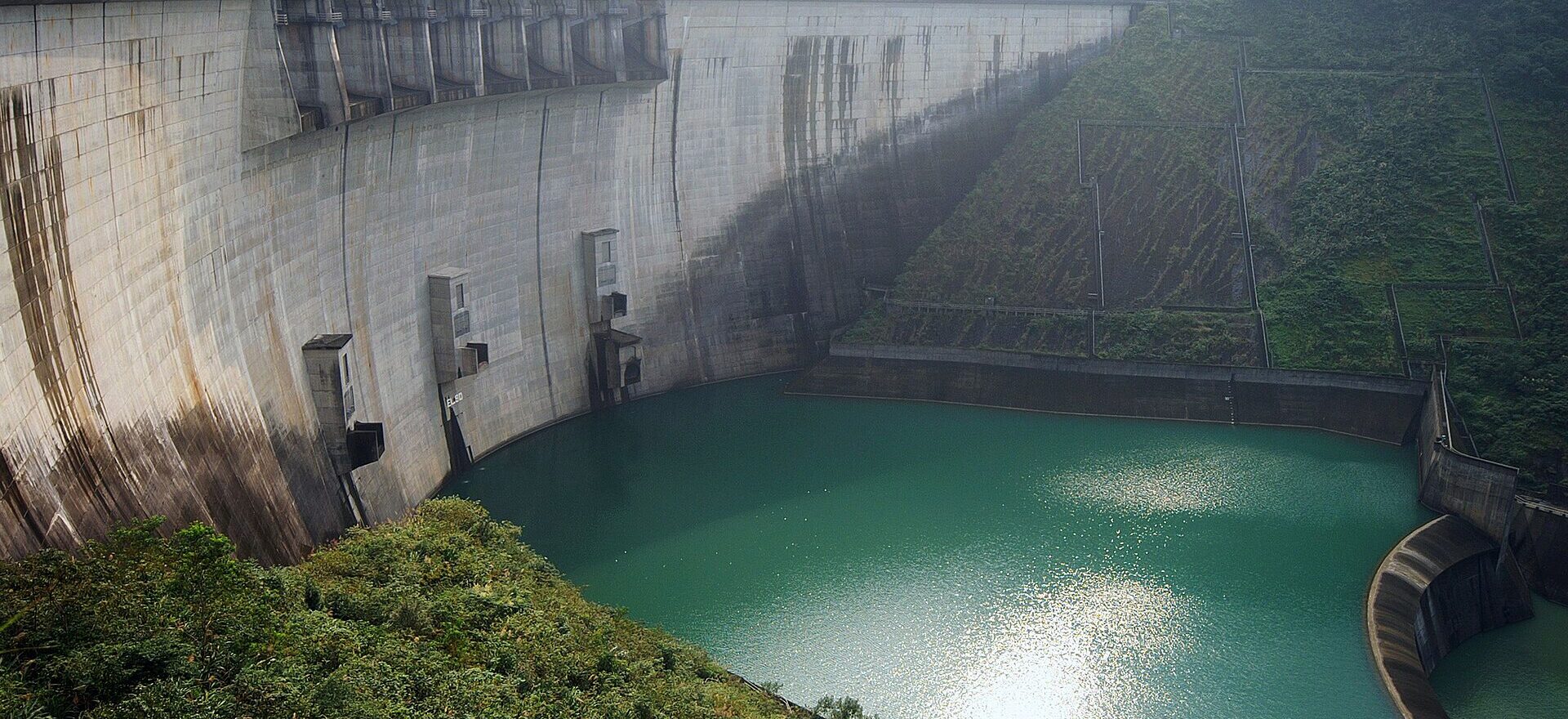
The city’s water comes largely from the Feitsui Reservoir in the hills south-east of the city, whose catchment is a protected watershed with development heavily restricted. Starting with clean raw water is an enormous advantage; a lot of the world’s treatment effort goes into undoing what has already been done upstream, and Taipei does not have to.
From there, the Taipei Water Department runs a monitoring regime that is aggressive by any standard:
- 141 test parameters, against a national Standard for Drinking Water Quality that requires 68. That is 73 items more than the law asks for.
- 95 water quality monitoring stations installed across purification plants, booster stations and the distribution network itself, reporting continuously, 24 hours a day.
- Additional testing for the contaminants that keep water engineers awake — PFAS, plasticisers, disinfection by-products, heavy metals, Cryptosporidium and Giardia, and endocrine-disrupting compounds.
- Results that come back non-detectable, or far below the limits set by the WHO and by the United States, the EU, Japan and Australia.
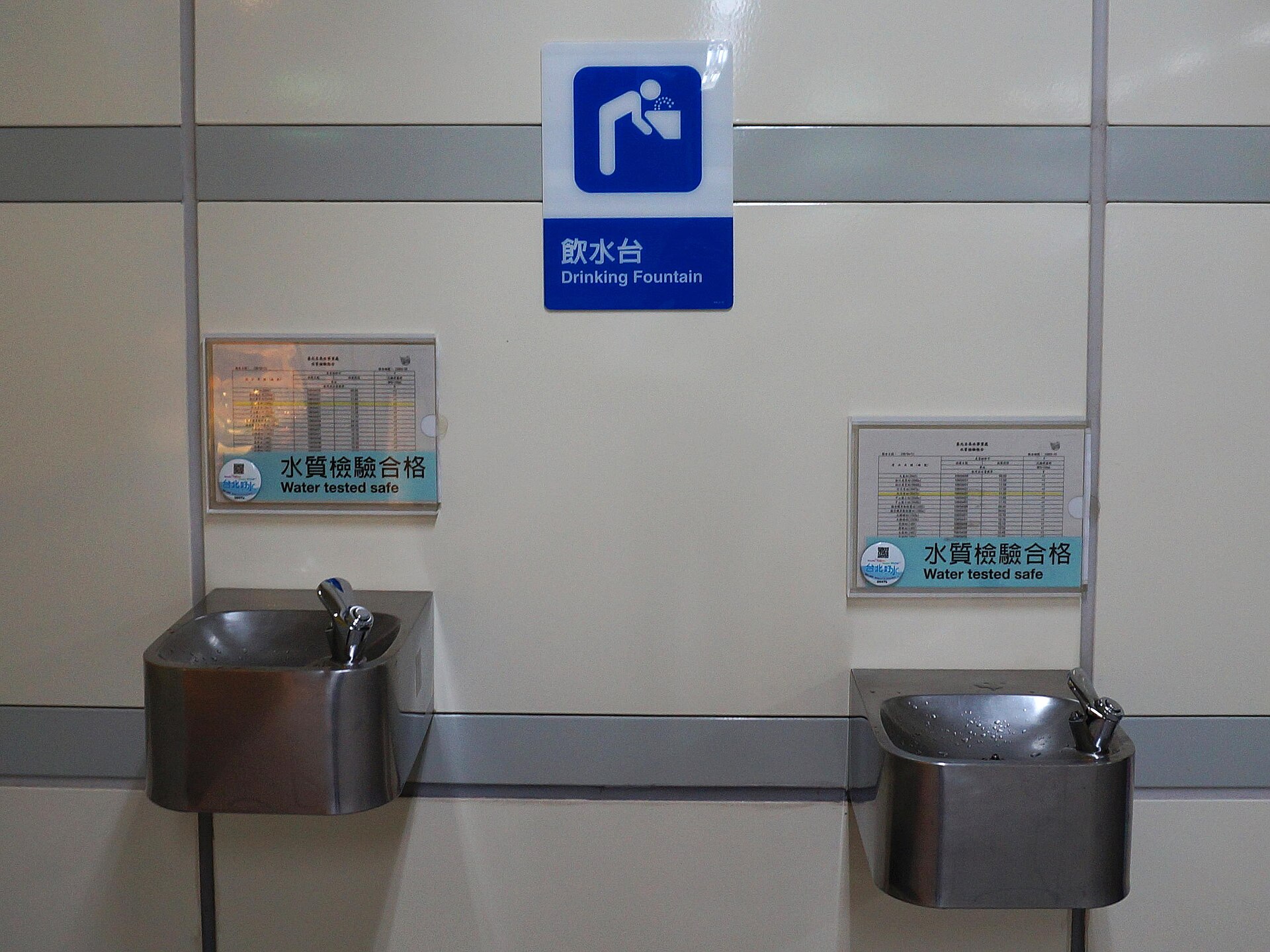
The department’s own position is unambiguous: the water it supplies is suitable for direct drinking. It publishes the results, and — in a detail that says a lot about the culture here — it posts them on the wall next to public fountains, in a laminated frame, so anyone can check the numbers while they fill a bottle.
If Taipei’s supply were a bottled brand, it would be a good one.
So why does nobody drink from the tap?
Two reasons, one of them a real engineering issue and one of them pure inherited habit. Most articles on this subject pick whichever suits their conclusion; both are true and they reinforce each other.
The rooftop tank problem
Look up at almost any older Taipei apartment block and you will see the answer: a cluster of stainless steel or plastic cylinders on the roof, plumbed into the building’s supply. These rooftop water tanks are a Taiwanese solution to a Taiwanese problem — typhoons, earthquakes and maintenance shutdowns can interrupt mains supply, so buildings hold a day or two in reserve, gravity-fed to the flats below.
It works. What it also does is put an open-ish storage vessel, exposed to heat and sun, between the treated municipal supply and your tap. Tanks are supposed to be cleaned annually. In practice, plenty are not, particularly in older buildings with absentee landlords or contested management committees. Add ageing internal pipework — some of it galvanised steel installed decades ago, quietly rusting — and you have a delivery system that can undo a lot of what 141 test parameters achieved.
This is the crucial distinction and it is worth stating plainly: the concern is not the city’s water, it is the last fifty metres of it. Taipei Water’s responsibility effectively ends at your building’s meter. Everything after that belongs to whoever owns the building, and nobody tests it.
The habit that outlived its reason
The other half is generational. Anyone in Taiwan over about forty grew up when boiling water was simply what you did, because the supply genuinely was less reliable and the tanks were worse. That produced the boiled-water flask, the 飲水機 dispenser in every office and school, the thermos in every handbag — a whole material culture built around not drinking from the tap.
Infrastructure improved. The habit did not change, because habits rarely do when the alternative costs nothing and is already installed everywhere. A visitor who concludes from local behaviour that the water is dangerous is reading the evidence backwards. What they are watching is a country that solved this problem so thoroughly, so long ago, that the solution became invisible.
Where to refill for free
This is the practical heart of the article, and it is the bit that saves you money and plastic. Taipei has one of the better public drinking water networks anywhere, and visitors almost never use it because they do not know it is there.
MRT stations
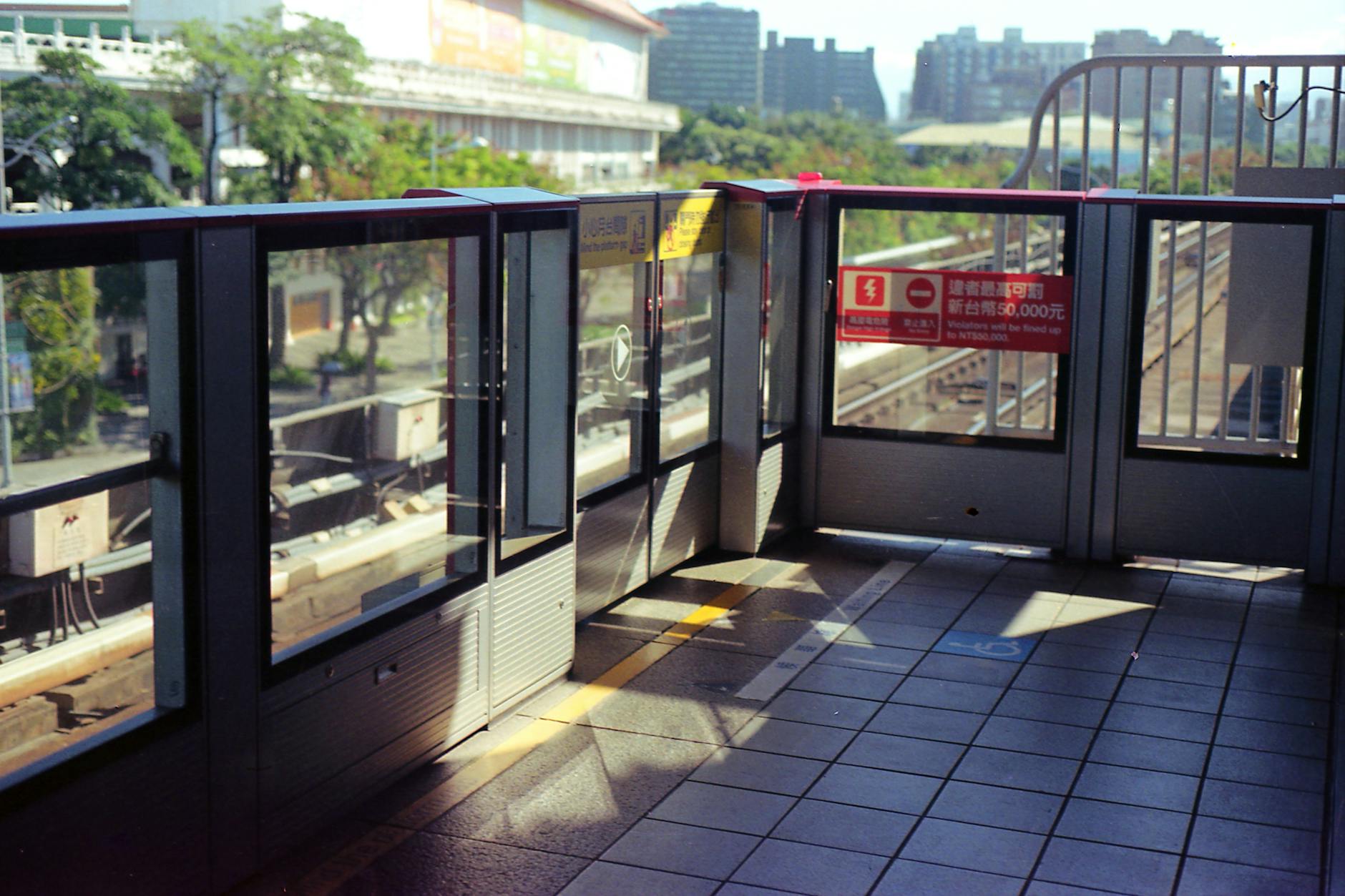
Nearly every station on the network has drinking fountains, typically inside the gates near the toilets, and they usually offer three settings: hot, warm and cold. Filtered, free, and tested — with the certificate on the wall beside them. Given that you are in an MRT station roughly every half hour in this city, this alone removes any need to buy water. Our Taipei MRT guide covers the network itself.
One quirk worth knowing: the hot setting is genuinely hot, near boiling, because it is designed for making tea and instant noodles. Do not aim it at a thin plastic bottle.
Parks, temples and public buildings
Public parks generally have a fountain somewhere near the toilets or the exercise equipment. Temples very often have a water dispenser for visitors, and it is entirely acceptable to use it — Longshan Temple and the larger halls all do. Libraries, sports centres, government offices and hospitals all have them, as do universities, where the machines tend to be the best-maintained in the city.
Trailheads and mountain stops
The trailhead facilities on the popular hikes usually include water. This matters more than it sounds on a Taipei summer afternoon, when a climb up Elephant Mountain or a wander through Yangmingshan will empty a litre bottle faster than you expect. Fill before you start, not after.
Your hotel
Effectively every hotel, hostel and guesthouse in Taiwan provides drinking water — a filtered dispenser in the corridor, a kettle in the room, or both, plus two complimentary bottles a night at the mid-range and up. Hostels almost always have a hot-and-cold dispenser in the common area. You will not be short. Our guide to where to stay in Taipei covers the neighbourhoods; the water arrangement is identical in all of them.
Convenience stores

Convenience stores are not a refill point for cold water in the way a fountain is, but most have a hot water dispenser beside the instant noodles, and all of them sell reusable bottles, cheap flasks and cold drinks at all hours. If you land without a bottle, the nearest 7-Eleven solves it within ten minutes of walking in any direction. Our guide to Taiwan’s convenience stores covers what else they quietly do for you.
Ice, street food and the questions people actually worry about
Most of the anxiety around water on a trip is not really about taps. It is about ice cubes, washed vegetables and whether that stall’s shaved ice is going to ruin day four. Here is where each of those actually sits in Taipei.
Ice
Fine. Commercial ice in Taiwan is made from filtered water in regulated facilities and delivered to businesses; a night market drinks stall is not freezing tap water in a bucket out the back. Ice is one of the classic travel worries that simply does not apply here, and refusing it in a bubble tea shop will only produce a confused look.
Washed salad and cut fruit
Also fine. The mountains of cut mango, guava and wax apple in every market are washed in municipal water and sold by vendors who would be out of business in a week if this were a problem. Taiwanese food hygiene enforcement is real and visible, and cut fruit is a national staple rather than a tourist trap.
Street food
The safest bet at a night market has never been about water — it is about turnover. A stall with a queue is cooking to order and restocking constantly; a stall with a full tray of something that has sat under a heat lamp is the one to walk past. That is the same rule in Taipei as anywhere, and the city’s night markets score very well on it because the volume is enormous. See what to eat at a Taipei night market and our night market etiquette guide.
Brushing your teeth and showering
Use the tap without a second thought. This is the point at which “is the water safe” questions become genuinely disproportionate — the volume swallowed while brushing is negligible even in the worst-case scenario, and the worst case here is a slightly rusty pipe, not cholera.
Making tea and coffee
Boiling the water solves the microbiological question entirely and does nothing for the rust question, but rust is an aesthetic and taste issue rather than a health one at these levels. Hotel kettles are fine. If your room’s water runs slightly cloudy or metallic on the first draw, run the tap for twenty seconds first — that is standing water in the building’s pipes, and flushing it is what residents do without thinking.
What about the rest of Taiwan?
Important caveat, and one that a lot of articles blur. The claim above is a Taipei claim. The Taipei Water Department serves Taipei City and parts of New Taipei; the rest of the island is supplied by Taiwan Water Corporation, to the national standard rather than Taipei’s enhanced one.
That national standard is still a real standard and the water is still treated, but the margin is narrower and the local infrastructure varies more. The practical guidance outside the capital is the same as inside it, just with slightly more conviction: use the free filtered dispensers, which are equally ubiquitous in Taichung, Tainan, Kaohsiung and every railway station between them. If your trip is heading south or east, our day trips guide and the high speed rail guide cover the logistics; the water arrangements will not surprise you anywhere on the island.
Two situations genuinely do call for more care. In mountain and remote areas, small local supplies may draw from springs or streams with minimal treatment — boil or filter. And after a typhoon or an earthquake, turbidity spikes as reservoirs churn, and the utility will sometimes issue a boil notice or a “do not drink” advisory. Take those seriously and follow them; they are rare, well publicised and short-lived. Our typhoon season guide covers what else changes when a storm lands.
What people drink instead
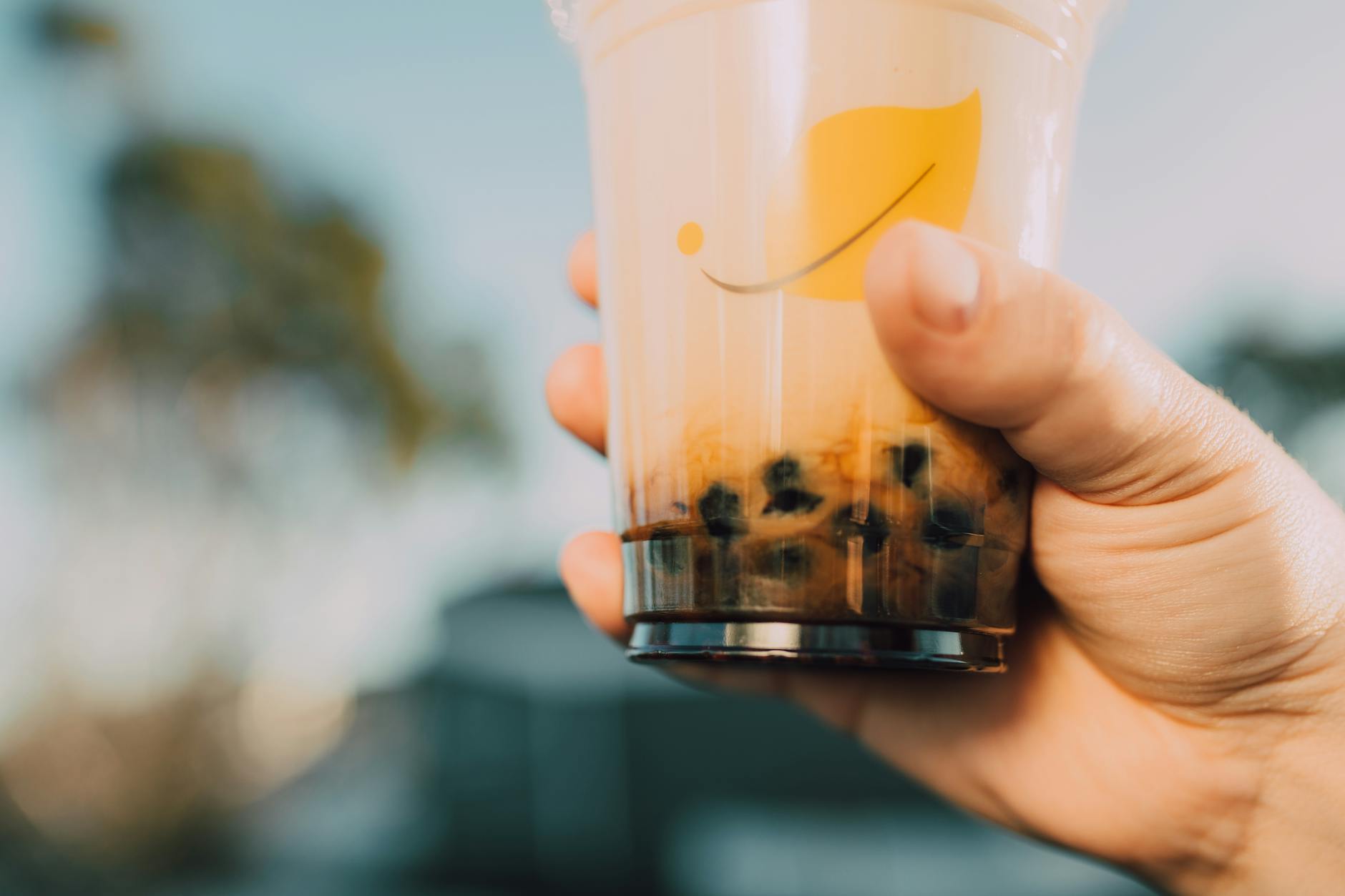
There is a cultural point hiding underneath all of this, which is that plain cold water is not really Taiwan’s drink of choice. Hot water, yes, constantly — from a flask, from the office dispenser, poured over tea leaves. But the drink you will be handed, offered and surrounded by is tea in one of a hundred forms, from a NT$50 cup of milk tea to a NT$800 tin of high mountain oolong.
Cold-brew tea in bottles fills half the convenience store fridge. Herbal cooling drinks — winter melon tea, sugarcane juice, barley tea — are everywhere in summer. And the bubble tea that Taipei invented is genuinely a daily habit rather than a tourist novelty. If you want to understand why the tap water question feels academic to locals, it is partly this: the tap is where you get water for the kettle, and the kettle is where tea starts. Our guide to buying tea in Taipei goes further down that road.
What we would skip
Buying bottled water in bulk. It is unnecessary, it is expensive over a week, and hauling a six-pack back to a fourth-floor walk-up in August is a bad afternoon. Taiwan has a serious plastic waste problem and the country is actively legislating against single-use bottles; joining in costs you nothing.
Imported mineral water. NT$45–90 for a bottle of French or Fijian water in a city with 141-parameter municipal supply is a straightforward transfer of your money to a shipping company.
Water purification tablets. Genuinely useful in the Taiwanese backcountry. Pointless in Taipei, and they make everything taste of a swimming pool. Leave them at home unless you are doing multi-day hikes on the high mountain routes.
A serious travel filter bottle, for Taipei alone. A LifeStraw or equivalent is a good piece of kit and it is solving a problem this city does not have. If Taipei is one leg of a longer Asia trip, bring it for the other legs. If Taiwan is the whole trip, it is dead weight — see our Taipei packing list for what to bring instead.
Refusing ice. Covered above, but worth repeating because it is the single most common unnecessary precaution visitors take here, and in a Taipei summer it makes your trip actively worse.
If you are staying longer
Everything above is written for a two-week visitor. If you are moving to Taipei, renting an apartment or spending a season here, the calculation shifts slightly, because now the rooftop tank in question is your rooftop tank.
What long-term residents actually do, in rough order of popularity: install an under-sink filter (NT$3,000–8,000 for a decent one, plus cartridges); buy a countertop hot-and-cold dispenser with its own filtration, which is the standard Taiwanese household appliance and doubles as the tea station; or ask the building’s management committee when the tank was last cleaned and, if the answer is a shrug, organise it. Serviced apartments and newer buildings frequently have filtered water plumbed in already.
If you are renting, this is a fair question to ask a landlord before signing, alongside the ones about air conditioning and typhoon shutters. Nobody will find it strange.
Related Taipei guides
- Taipei Travel Essentials: the pre-trip checklist
- Taiwan’s Convenience Stores
- Healthcare and Pharmacies in Taipei
- What to Pack for Taipei
- Bubble Tea in Taipei
- Buying Tea in Taipei
- The Taipei MRT Guide
- Taipei Typhoon Season
- Taipei on a Budget
- Is Taipei Safe for Tourists?
- What to Eat at a Taipei Night Market
- Taipei with Kids
Frequently Asked Questions
Can you drink the tap water in Taipei?
Yes. The municipal supply is treated to a directly drinkable standard and tested against 141 parameters, well beyond the national requirement of 68. The practical caveat is not the water but the building — older blocks store water in rooftop tanks that are not always cleaned on schedule, which is why locals use filtered dispensers rather than the tap.
Is Taipei tap water safe for tourists specifically?
Yes, and no more or less than for residents. There is no “traveller’s stomach” risk profile here of the kind you would plan around in parts of South Asia. Drinking tap water in Taipei will not make you ill; it may occasionally taste faintly of pipe.
Why do Taiwanese people boil their water then?
Habit plus the rooftop tank issue. Boiled water was necessary a generation ago, the flask-and-dispenser culture that grew up around it is genuinely convenient, and the tanks and internal pipework in older buildings remain the weak link. Nobody is boiling because the city’s water fails tests — it does not.
Where can I refill a water bottle in Taipei for free?
MRT stations (usually inside the gates near the toilets, with hot, warm and cold settings), public parks, libraries, sports centres, universities, temples, hospitals and government buildings. Your hotel will have a dispenser or a kettle. You are rarely more than a few minutes from a free refill anywhere in the city.
Do I need to buy bottled water in Taipei?
No. A week of bottled water costs roughly NT$300–500 for something the free fountains provide filtered and tested. Carry a reusable bottle; buy one locally for NT$150–400 if you did not bring one.
Is the ice in Taipei safe?
Yes. Commercial ice is produced from filtered water in regulated facilities and delivered to businesses. Refusing ice in a Taipei drinks shop is an unnecessary precaution and, in July, an actively unpleasant one.
Can I brush my teeth with tap water in Taipei?
Yes, without hesitation. The same applies to showering, washing food and rinsing dishes.
Is hotel tap water in Taipei drinkable?
Generally yes, though hotels are exactly the kind of large building that runs on rooftop or basement storage tanks. It is academic, because every hotel in Taiwan provides a kettle, a corridor dispenser, complimentary bottles or all three.
What is the water quality standard in Taipei?
The Taipei Water Department tests to 141 items against a national Standard for Drinking Water Quality that mandates 68, with 95 continuous monitoring stations across the plants, booster stations and distribution network. Results for PFAS, heavy metals, plasticisers, Cryptosporidium and Giardia come back non-detectable or far below WHO, US, EU, Japanese and Australian limits.
Is tap water safe in the rest of Taiwan, not just Taipei?
Outside Taipei the supply comes from Taiwan Water Corporation to the national standard rather than Taipei’s enhanced one. It is treated and monitored, but the margin is narrower and the local plumbing varies more. Free filtered dispensers are just as common island-wide, so the practical answer does not change.
What about tap water after a typhoon or earthquake?
This is the one case to take seriously. Turbidity spikes when reservoirs churn, and utilities occasionally issue boil notices or short “do not drink” advisories. They are rare, widely publicised and quickly lifted — follow them when they happen and use bottled water for the day or two involved.
Should I bring a water filter bottle to Taiwan?
Not for Taipei, where it solves a problem that does not exist. Bring one if Taiwan is one leg of a longer trip through the region, or if you are planning multi-day hikes on the high mountain routes where small local supplies may be minimally treated.
Is Taipei tap water hard or soft?
Moderately soft, which is why kettles here scale up far more slowly than in London or much of continental Europe, and why the tea tastes as good as it does. It is one of the quiet advantages of a reservoir-fed mountain supply.
Can babies and young children drink Taipei tap water?
The municipal supply meets drinking water standards, but for formula and very young children the conventional and sensible approach in Taiwan is to use boiled or filtered water — which is what local parents do, and what every hotel kettle and dispenser makes trivially easy. See our baby supplies guide for what you can buy locally.
The Bottom Line
Taipei’s water is treated to a directly drinkable standard by a utility that tests for more than twice what the law requires and publishes the results on the wall of the station where you fill your bottle. The reason nobody drinks from the tap is not the water — it is the rooftop tank and the corroding pipe between the meter and the bathroom, plus forty years of a habit that is easier to keep than to question.
So do what the city has already made effortless. Carry a bottle, refill it at MRT stations and parks for nothing, use the hotel kettle for tea, take the ice, eat the cut fruit, and spend the NT$400 you did not hand to a bottled water company on something from a night market instead. Then, when you want a drink that actually tastes of somewhere, get the tea.
Photo Credits
Feitsui Reservoir: FeiCueiReservoir by Peellden, CC BY 3.0, via Wikimedia Commons.
Drinking fountains at Xingtian Temple MRT station: Xingtian Temple Station drinking fountains 20190615 by Solomon203, CC BY-SA 4.0, via Wikimedia Commons.