This article contains advertising. Our booking links are routed through a partner that adds commission tracking automatically, so if you book through one we earn a commission from the provider, at no extra cost to you. It never affects what we recommend. Affiliate disclosure
On a Sunday morning at the top of Zhongshan North Road, the city seems to run out of breath. The traffic thins, the pavements widen under big shade trees, and the shops change: a European-style bakery with a queue, a Japanese supermarket, a pet groomer, a café full of families speaking three or four languages at once. A few streets away, walkers in hiking boots are starting up the steep stone steps of an old water-pipe trail into the forest, and in the evening the floodlights of a baseball stadium glow over the rooftops. Guidebooks call Tianmu Taipei‘s expat neighbourhood, and there is truth in the label — but it is really a comfortable, leafy, very Taiwanese suburb with an international accent, and it rewards visitors who come for the right reasons.
This guide covers Tianmu as a neighbourhood to explore: where the name really comes from (not what you may have heard), how American soldiers and international schools shaped it, the Tianmu Trail up into the hills, the baseball stadium, shopping and eating, how to get there, and an honest view of whether it is worth your time. Details were checked in October 2026; treat prices as the right order of magnitude. Tianmu lies in the north of Shilin District; our Shilin District guide covers the rest of the district, and our overview of Taipei neighbourhoods shows how it fits into the city.
Tianmu at a glance
| The short version | |
|---|---|
| Where | The northern foothills of Taipei, at the top of Zhongshan North Road, in Shilin District below Yangmingshan |
| Getting there | Red Line to Zhishan, then a bus or a walk |
| Time needed | Half a day for the trail and brunch; add an evening for a baseball game |
| Best times | Early morning for the trail; weekend late mornings for brunch; spring to autumn evenings for baseball |
| Entry | The trail, parks and streets are free; baseball games are ticketed |
| Do not miss | The Tianmu Trail, a ball game at Tianmu Stadium, brunch on the tree-lined streets |
What things cost
| Item | Typical cost (September 2026) |
|---|---|
| MRT to Zhishan from central Taipei | From NT$25–35 with an EasyCard; buses from NT$15 |
| Tianmu Trail and the water-pipe path | Free |
| A professional baseball ticket | A few hundred NT$, depending on the seat; check the team’s site |
| Brunch in a Tianmu café | Roughly NT$250–500 |
| Coffee and a pastry at a bakery | Roughly NT$150–250 |
| Taxi from Shilin station | Usually under NT$200 |
Where the name comes from
Ask in Taipei how Tianmu got its name and someone will tell you a lovely story: that when American soldiers arrived in the 1950s and asked the locals where they were, the farmers replied thiann-bô — “I don’t understand” in Taiwanese — and the Americans wrote it down as the place name. It is a good story, and it is not true.
The real origin is stranger. In 1925 a Japanese man named Nakaji Toshiro founded a new religion in Taipei, the Tianmu Religion (天母教), which taught that Amaterasu, the sun goddess of Japanese Shinto, and Mazu, the Taiwanese goddess of the sea known as the Heavenly Holy Mother, were the same deity in different forms. In 1933 he built a shrine to this “heavenly mother” on the hillside here, and work began that year on bringing hot-spring water to the site for the faithful, finishing in 1935. Pilgrims came to worship and soak, inns and shops with Tianmu in their names sprang up around them, and the name stuck to the whole area — long after the religion itself had faded away.
From American base to international suburb
The American story is real, just not the naming part. After the outbreak of the Korean War in 1950, the United States sent military advisers and later thousands of troops to Taiwan, and the government built housing for them and their families in the thinly populated foothills of Shilin and Tianmu, away from the crowded city. For almost three decades Tianmu was a little piece of America: bungalows with lawns, a base exchange, American schools and clubs, and bars and shops catering to the servicemen. The troops left in 1979, when Washington switched its diplomatic recognition to Beijing, but the neighbourhood kept its international character.
Foreign diplomats, business people and their families moved into the houses the Americans left. Taipei American School, founded in 1949, and the Taipei Japanese School both have their campuses here, and families who want their children close to them keep Tianmu’s population unusually international. One of the old American military houses survives as a community cultural space known as the Tianmu White House. From the 1990s the area filled with apartment towers, department stores and a sports park, and it became one of Taipei’s most desirable addresses for affluent Taiwanese families too. Today most residents are Taiwanese, but the bakeries, supermarkets, restaurants and bilingual street life still reflect seventy years of foreign neighbours.
What Tianmu is like
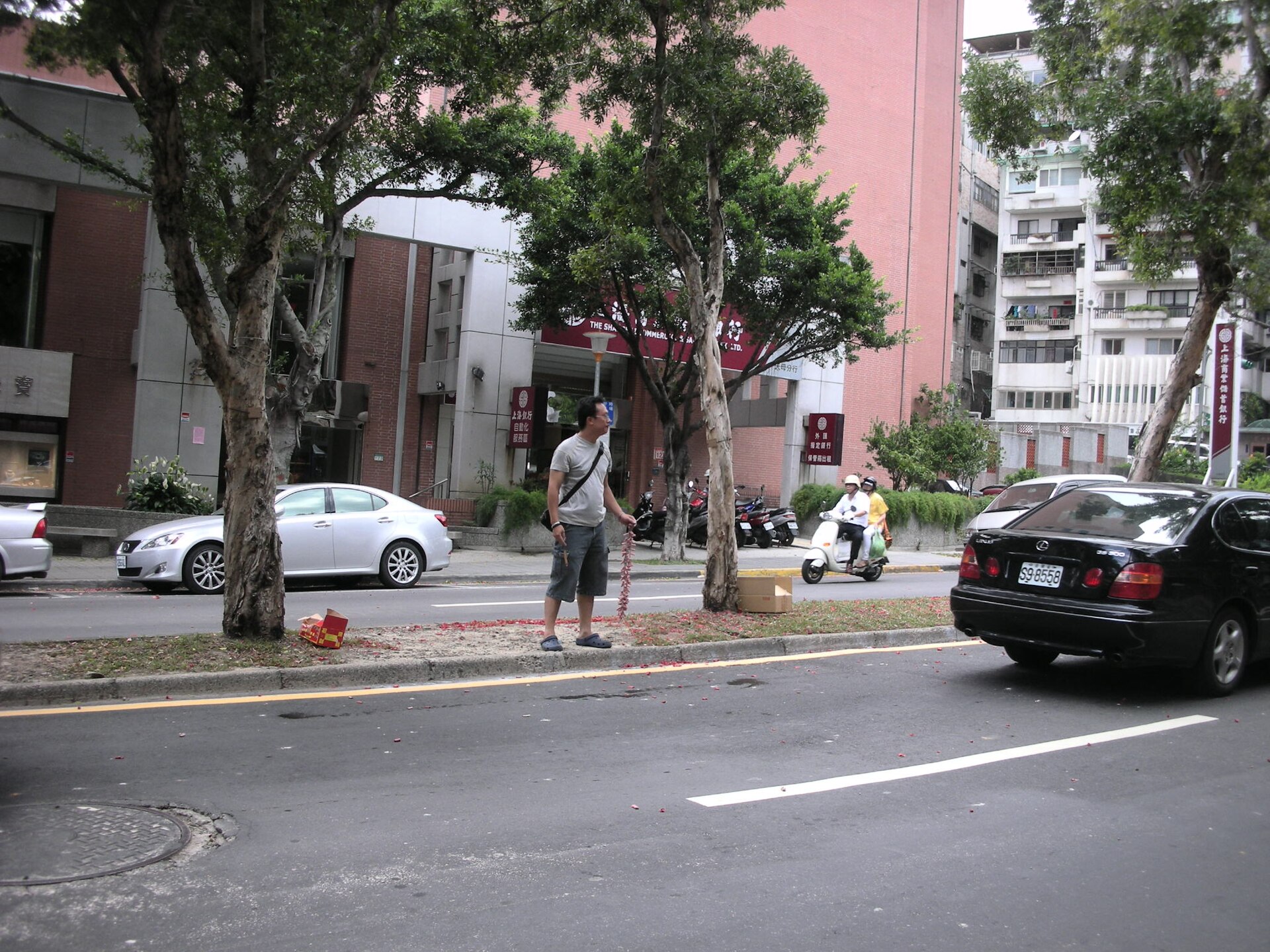
The heart of the neighbourhood is the top end of Zhongshan North Road and the streets that branch off it. The pavements are wide and shaded by big trees, the traffic is lighter than in the city, and the shops lean towards the comfortable: bakeries, delis, supermarkets selling imported food, wine shops, pet shops, children’s clothes, homeware, beauty salons and cafés with outdoor tables. Families walk dogs; teenagers from the international schools gather at the bubble tea shops; retired couples sit in the parks.
It is, frankly, not a place with a lot of sights. What it has is atmosphere: a relaxed, prosperous, green neighbourhood where you can spend a slow morning over brunch and a stroll, and a gateway to the hills. That makes it a pleasant contrast to the dense streets of the centre, and a very good base for families and longer stays — but not somewhere to rush to on a three-day trip.
The Tianmu Trail
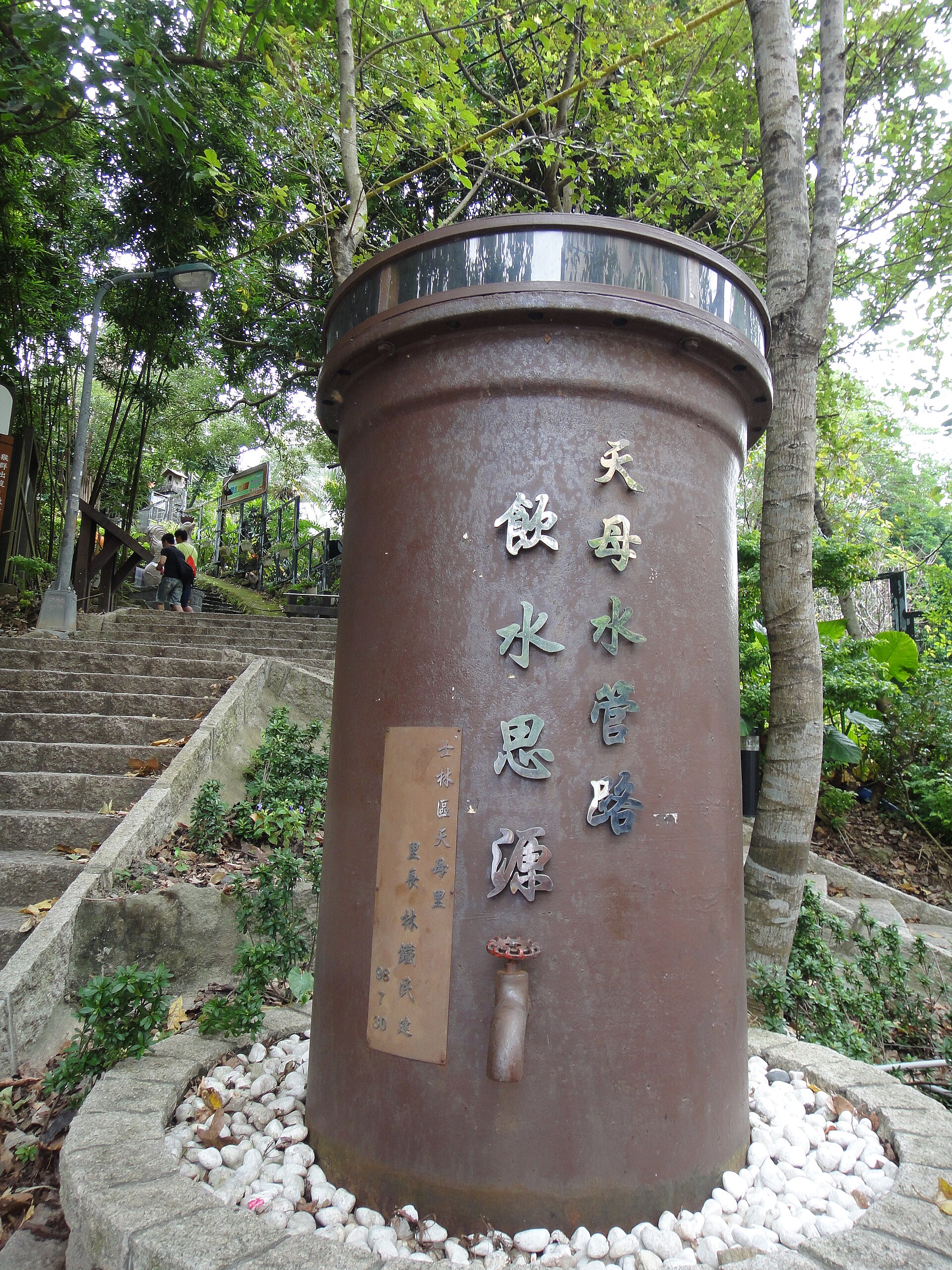
Tianmu’s best reason to visit is the walk that begins at the end of Lane 232 of Zhongshan North Road Section 7. The Tianmu Trail (天母古道), also called the Water Pipe Trail (水管路步道), follows a pipeline built in the Japanese era to carry spring water from the slopes of Yangmingshan down to the city, part of the Caoshan waterworks. A section of the old pipe stands at the trailhead as a monument, inscribed with a classical proverb about remembering the source of the water you drink.
The first part is hard work: a long, steep flight of stone steps, about 1,300 of them, climbing straight up through the forest. Once you reach the top of the stairs, the trail levels out into a pleasant, shaded path that runs along the hillside beside the pipe, with views back over Tianmu and the city. The full trail is about 2.6 kilometres, from Tianmu up to Huagang, near Chinese Culture University on the lower slopes of Yangmingshan, where you can catch a bus back down. A side path near the upper end leads to Cuifeng Waterfall. Most walkers do an out-and-back from Tianmu in about an hour and a half to two hours.
A few practical points:
- Go early. The stairs are exposed to the morning sun in places and hard going in the heat; start by 08:00 in summer.
- Bring water and wear proper shoes; the steps can be slippery after rain.
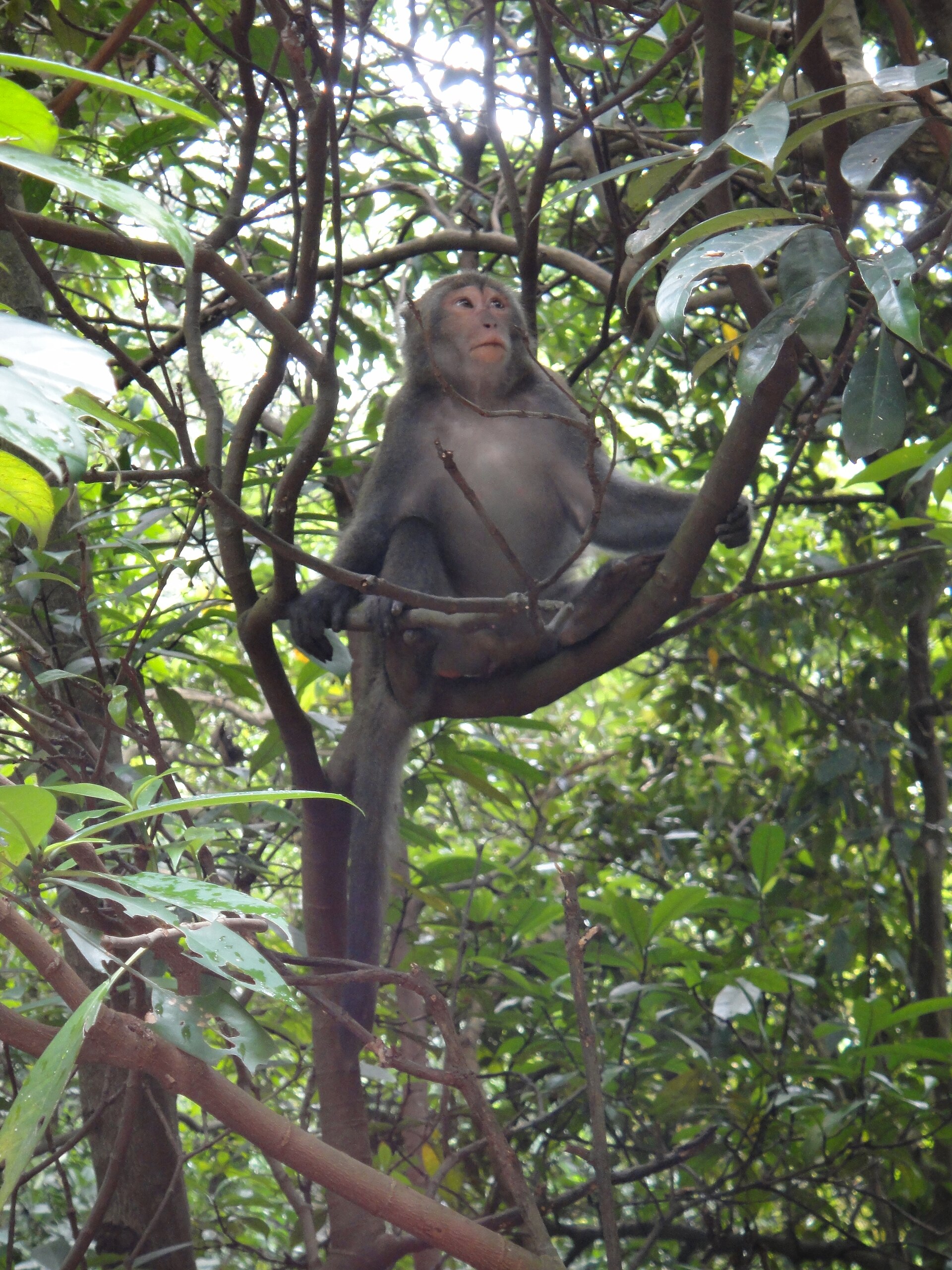
- Watch out for monkeys. Formosan rock macaques live along the trail. They are wild and can be bold; keep food and plastic bags out of sight, do not feed them, and give them room.
- Take the bus back. If you walk the whole way to Huagang, buses run down the mountain; check the timetable before you set off.
For longer hikes, the trail links into the network of paths on Yangmingshan; see our guides to Yangmingshan National Park and the Yangmingshan day trip.
Baseball at Tianmu Stadium
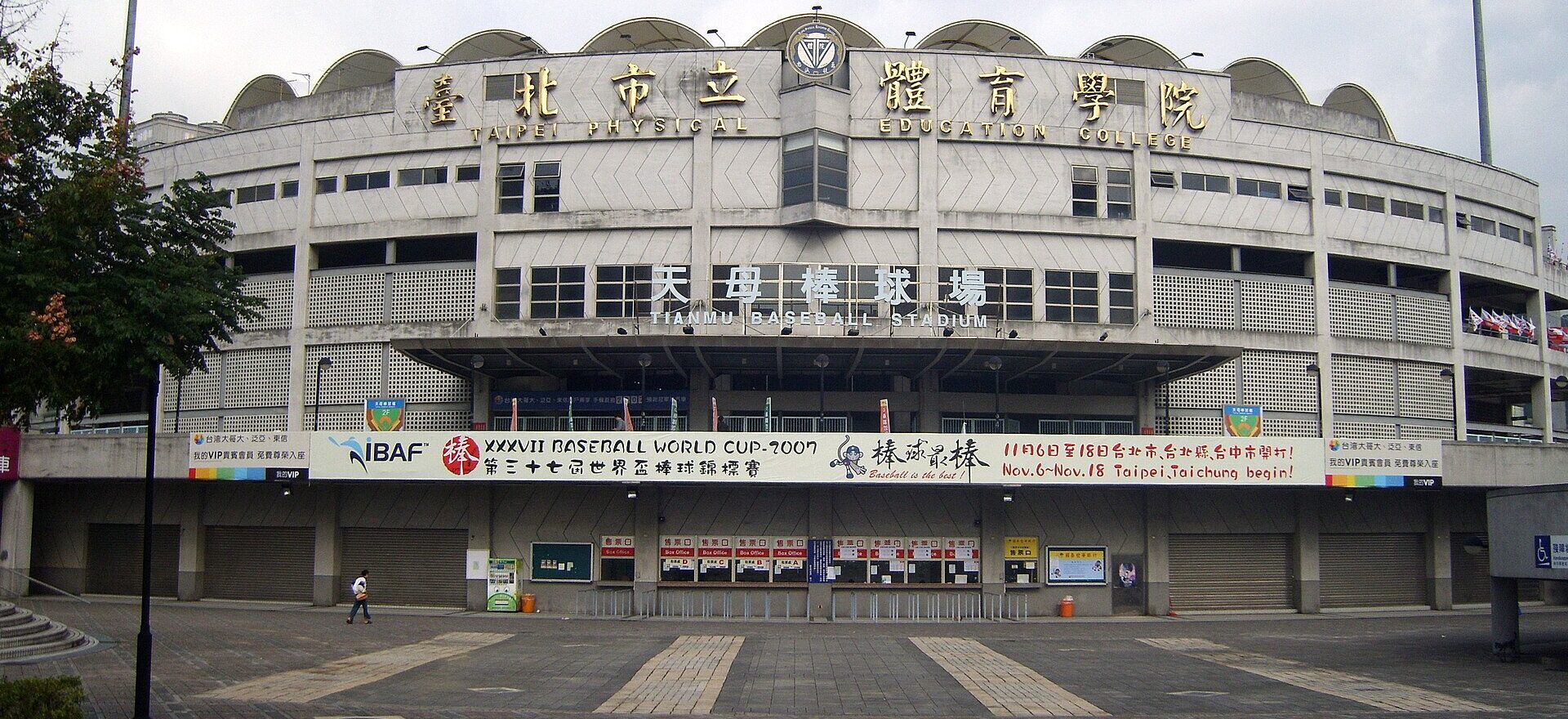
Baseball is Taiwan’s national game, and Tianmu Baseball Stadium (天母棒球場), on the edge of the Tianmu Sports Park, is the home ground of the Wei Chuan Dragons of the Chinese Professional Baseball League. Going to a game here is one of the most enjoyable evenings in Taipei, even if you are not a baseball fan. Taiwanese baseball is a noisy, joyful, family affair: organised cheering sections with drums and trumpets, a song for every batter, cheerleading squads on the dugout roofs, and a steady flow of food and beer.
The stadium was spruced up for the 2026 season, with new seats in one section, better lighting and new facilities. The regular season runs from spring to autumn, followed by the play-offs, and games are mostly in the evening, with some weekend afternoon games. On weekend and holiday home-game days, a shuttle bus runs to the stadium from Zhishan station, Exit 1, from two hours before the first pitch. Tickets are sold online and at the stadium; the Wei Chuan Dragons’ stadium page has the schedule and ticket details.
Your first Taiwanese ball game
- Tickets. Buy online in advance for weekend games and big match-ups; on ordinary weeknights you can usually buy at the box office on the day.
- Where to sit. The infield seats behind the dugouts are closest to the cheering sections, drums and cheerleaders, which is where the atmosphere is. The outfield is cheaper and calmer.
- Join in. Every player has a chant, and the cheer leaders lead the crowd through them inning by inning. Nobody minds if you get the words wrong; clapping along is enough.
- Eat and drink. Stadium food runs to bento boxes, fried chicken, sausages and snacks, and beer is sold in the stands. Bring some cash for the stalls.
- Timing. A game lasts about three hours. The weekend shuttle only runs to the stadium, so plan a bus or taxi back; ride-hailing is easy to find nearby.
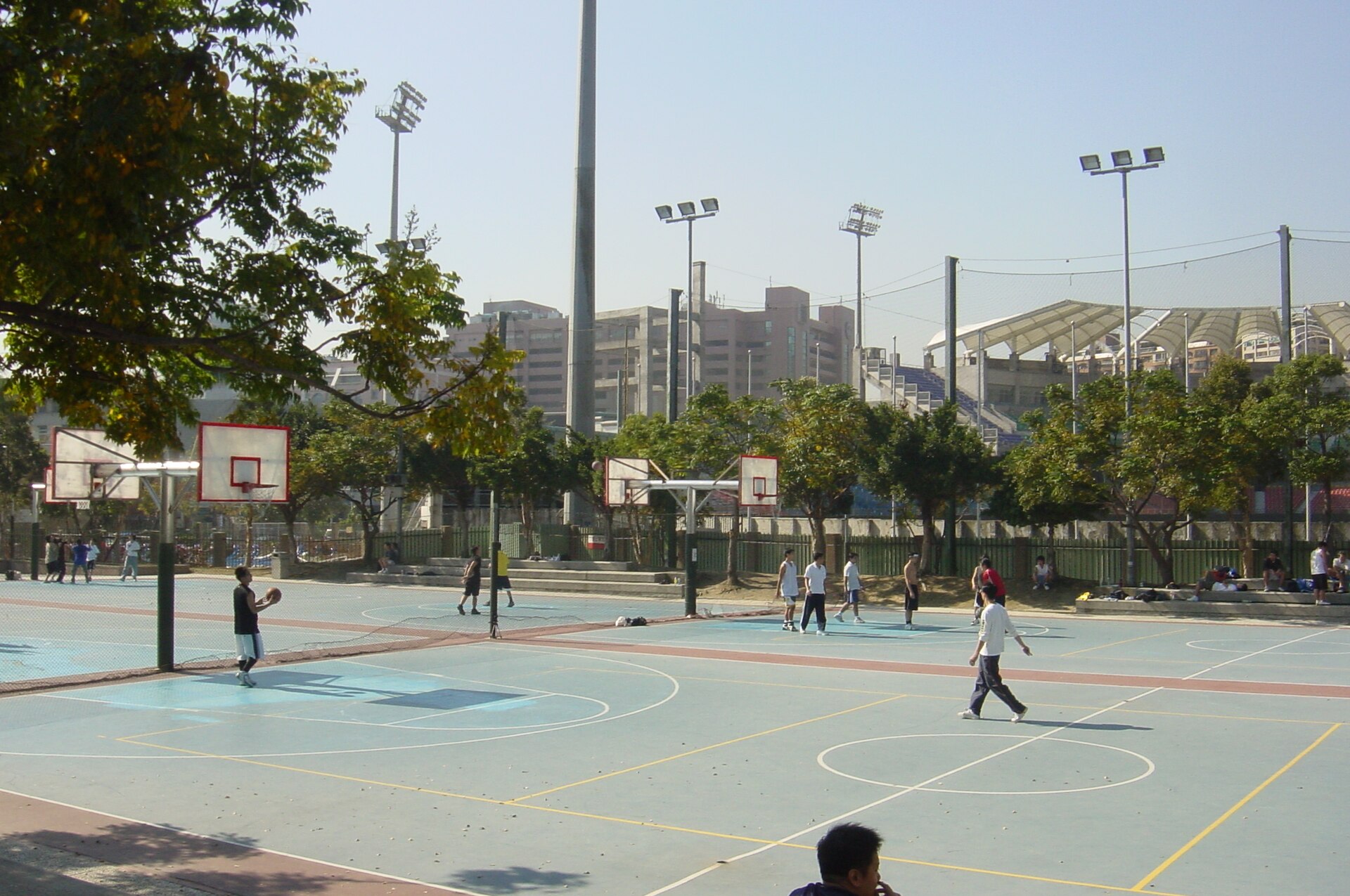
Around the stadium, the Tianmu Sports Park has an athletics track, basketball courts and open space, busy with local runners and players in the cool of the morning and evening.
Into the hills from Tianmu
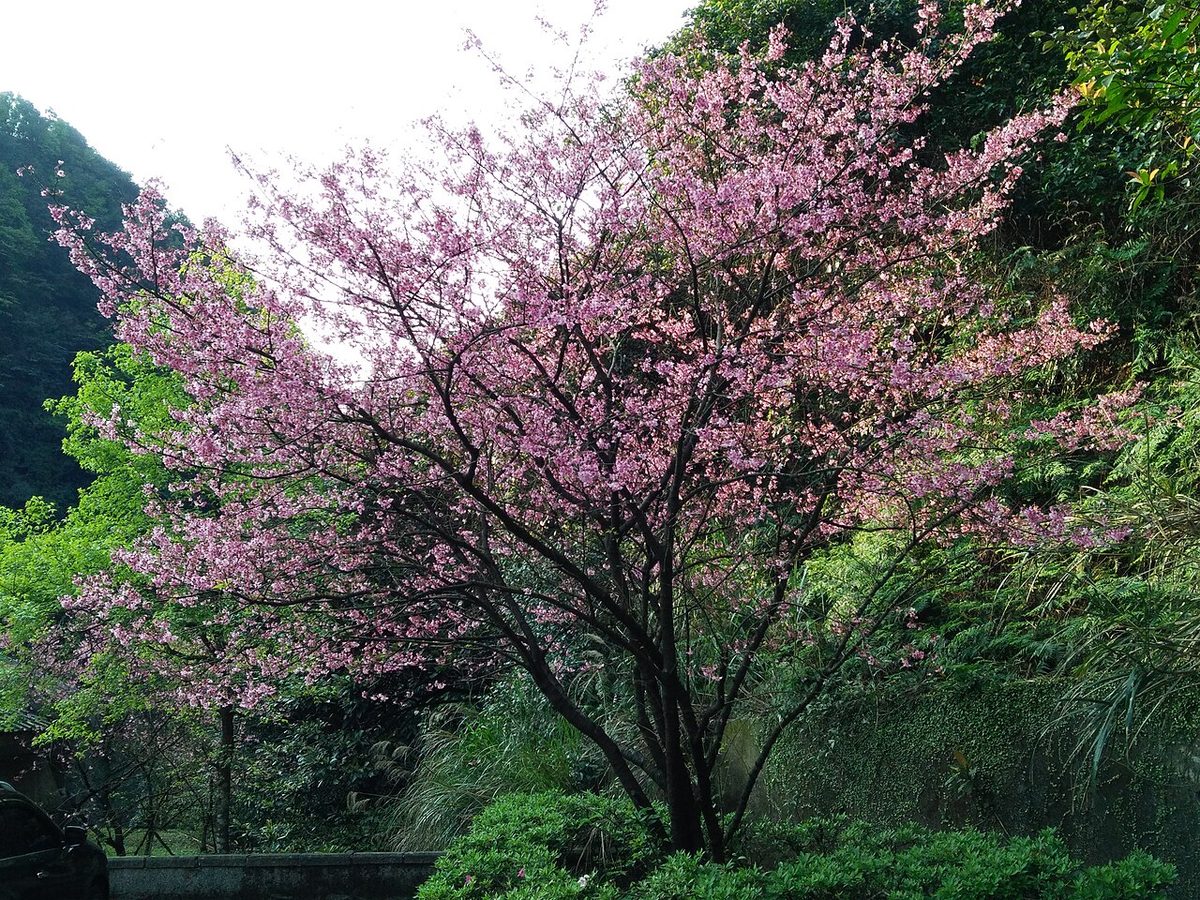
Tianmu sits right at the foot of Yangmingshan, and it is one of the best starting points for the mountain. From the top of the Tianmu Trail at Huagang, the hillside above Tianmu has views over the city at night: the slopes behind the campus of Chinese Culture University look straight down over the whole city, and on a clear evening the lights of the basin, with Taipei 101 in the middle, stretch to the mountains on the far side. It is a local favourite for couples and photographers.
From Huagang, buses continue up to Yangmingshan Park, with its flower clock and, in February and March, the flower festival, and on to the fumaroles, grasslands and hot springs higher up. A satisfying day is to walk up the Tianmu Trail in the morning, take the bus on to the mountain for lunch and a short hike, and come down to Beitou for a hot spring soak in the late afternoon. See our Yangmingshan day trip for the details.
Shopping in Tianmu
Tianmu’s shopping reflects its residents: comfortable, practical and international rather than trendy.
- Department stores — Tianmu has a branch of Far Eastern SOGO and the Japanese-style Dayeh Takashimaya, both with good food halls and supermarkets.
- Imported food — the supermarkets and delis along the top of Zhongshan North Road sell imported food.
- Boutiques and homeware along Tianmu West Road and Tianmu East Road, including children’s clothes and gifts.
- Bakeries — European-style bread and pastries, Japanese bakeries and Taiwanese cake shops; Tianmu has one of the best concentrations in the city.
If you want Taipei’s big fashion and luxury shopping, go to Xinyi or the East District instead; see our shopping in Taipei guide.
Where to eat
Tianmu is one of the easiest places in Taipei to eat international food, and it is at its best at brunch.
- Brunch — Western-style breakfasts, eggs, pancakes and good coffee are a Tianmu speciality at weekends, when the cafés fill with families; see our guide to the best brunch in Taipei.
- Japanese and Korean food — the neighbourhood’s large Japanese and Korean communities support authentic restaurants, izakayas and grocers.
- Italian, American and European restaurants — pizza, burgers, steak and bistro cooking that feel closer to home for foreign residents.
- Taiwanese food — neighbourhood noodle shops, dumpling houses and breakfast stalls are here too, especially in the side streets and around the markets, at ordinary Taipei prices.
Restaurants in Tianmu are, on the whole, family-friendly, with space for pushchairs and children’s menus; see our guide to family-friendly restaurants in Taipei.
Getting to Tianmu
Tianmu has no MRT station of its own, which is part of why it feels removed from the city. The options:
- MRT and walk — take the Red Line to Zhishan station and walk north-east for about twenty minutes, or take a bus from outside the station.
- Bus — several routes run up Zhongshan North Road to Tianmu, so check the stop in a bus app. See our bus guide.
- Taxi or ride-hail — ten minutes or so from Shilin or Zhishan station, and inexpensive.
- From Yangmingshan — walk down the Tianmu Trail from Huagang and finish in Tianmu for lunch.
Combining Tianmu with nearby sights
- Zhishanyan, the temple hill near Zhishan station, is on the way to or from Tianmu; see our Shilin District guide.
- The National Palace Museum is a short taxi ride away; see our National Palace Museum guide.
- Beitou and its hot springs are a few stops north on the Red Line; see our Beitou district guide.
- Yangmingshan is above you — by trail, bus or taxi.
A day in Tianmu
- 07:30 — The Tianmu Trail, before the heat: the stairs, the pipe path and, if you have the legs, on to Cuifeng Waterfall.
- 10:30 — Brunch on or near Zhongshan North Road Section 7.
- 12:00 — A stroll along Tianmu West Road and Tianmu East Road, with a look at the bakeries and imported-food shops.
- 14:00 — Zhishanyan on the way back towards the MRT, or a taxi to the National Palace Museum.
- 18:30 — Baseball at Tianmu Stadium if the Dragons are at home, or dinner in Tianmu before heading back into the city.
Tianmu through the year
- Spring (March–May). The baseball season opens, the hills are green and the trail is at its most pleasant before the heat.
- Summer (June–August). Hot and humid; hike at dawn, brunch in the air-conditioning and go to evening games when the air cools.
- Autumn (September–November). The best walking weather, the end of the baseball season and the play-offs.
- Winter (December–February). Cool and often damp in the foothills. The Christmas decorations in the international shops and bakeries are more elaborate than in most of Taipei.
Staying in Tianmu
Tianmu is a very pleasant place to live, and a good base for families, longer stays and anyone with business in the north of the city, with serviced apartments and a few hotels. For a first visit to Taipei, though, it is a long way from most of the sights, the night markets and the nightlife, and you will spend a lot of time on buses. Most short-stay visitors are better off in the centre; our guide to where to stay in Taipei compares the areas.
Tianmu for longer stays
If you are in Taipei for weeks or months rather than days — with children, for work or to study — Tianmu is worth a serious look. It has international and Japanese schools, supermarkets stocking familiar food, English-speaking services, parks and playgrounds, and a quieter pace than the centre. Taipei Veterans General Hospital, a national medical centre, is in Beitou District within walking distance of Shipai station, and our guide to healthcare and pharmacies in Taipei explains how visitors use the system. The trade-offs are rents that are high by Taipei standards, a long commute to the centre and the east of the city, and fewer night markets and late-night options on your doorstep. If you are looking at short-term rentals, read our guide to Airbnb and short-term rentals in Taipei first.
Practical tips
- Allow travel time. Tianmu is further out than it looks on the map, and buses up Zhongshan North Road are slow at rush hour.
- The macaques. On the trail, keep food hidden and keep your distance.
- Accessibility. The central streets around Zhongshan North Road are flat, with wide pavements, and the department stores are fully accessible; the Tianmu Trail is steep stairs, and the side streets climb steeply towards the hills. See our accessible Taipei guide.
- With children. Tianmu is one of the most family-friendly corners of the city: parks, the sports park, baseball games and child-friendly restaurants. See our guide to Taipei with kids.
- Cash and cards. Cards are widely accepted in Tianmu’s shops and restaurants; keep cash for buses without an EasyCard and for small stalls.
What we would skip
Tianmu on a short first trip. If you have three days in Taipei, there are better uses of your time. Come on a longer visit, or if you want the trail, a ball game or a slow brunch.
Coming for “expat Taipei” as a sight. The international flavour is real, but it shows in bakeries and supermarkets, not landmarks. Enjoy it as atmosphere.
The Tianmu Trail at midday in summer. The stairs are brutal in the heat. Go at dawn or in the late afternoon.
Driving up on a weekend. Parking is scarce and Zhongshan North Road is slow. Take the MRT and a bus or taxi.
The Tianmu Trail is one of a whole network of walks in the hills around the city, from Elephant Mountain’s skyline view to the volcanic peaks of Yangmingshan and the waterfall trails of the Pingxi Line. Our guide to hiking in Taipei rounds up the best of them, with advice on seasons and safety.
Related Taipei guides
- Taipei Neighbourhoods: A District-by-District Guide
- Shilin District Guide
- Yangmingshan National Park
- Yangmingshan Day Trip
- Beitou District Guide
- National Palace Museum
- The Best Brunch in Taipei
- Taipei with Kids
- Taipei Bus Guide
- Things to Do in Taipei
Frequently Asked Questions
Where is Tianmu in Taipei?
Tianmu is in the north of Shilin District, at the top of Zhongshan North Road on the foothills of Yangmingshan. It is about half an hour from central Taipei by MRT and bus.
How do I get to Tianmu by MRT?
Take the Red Line to Zhishan station, then walk or take a bus up to Zhongshan North Road Section 7. A taxi from Zhishan or Shilin station is the quicker option.
Why is Tianmu called Tianmu?
The name comes from the Tianmu Religion, founded in 1925 by a Japanese man, Nakaji Toshiro, which combined worship of the Japanese sun goddess Amaterasu and the Taiwanese sea goddess Mazu. He built a shrine here in 1933, the year work began on bringing hot-spring water to the site, and the area took its name. The popular story that it comes from Taiwanese for “I don’t understand” is a myth.
Why do so many foreigners live in Tianmu?
From the 1950s the United States military housed its personnel and families here, and after they left in 1979 diplomats and international business families took their place. Taipei American School and the Taipei Japanese School are both in Tianmu, which keeps it popular with international families.
Is Tianmu worth visiting?
Yes, if you want to hike the Tianmu Trail, watch a baseball game, enjoy a relaxed brunch or see a quieter, greener side of Taipei. On a short first trip, the central districts are a better use of limited time.
How long is the Tianmu Trail?
About 2.6 kilometres from Tianmu to Huagang, near Chinese Culture University. It starts with roughly 1,300 steep steps, then levels out beside the old water pipe. An out-and-back walk from Tianmu takes about an hour and a half to two hours.
Are there monkeys on the Tianmu Trail?
Yes. Formosan rock macaques live in the forest along the trail. Keep food and plastic bags out of sight, do not feed them and give them space.
Which team plays at Tianmu Baseball Stadium?
The Wei Chuan Dragons of the Chinese Professional Baseball League. The season runs from spring to autumn, and on weekend and holiday home-game days a shuttle bus runs from Zhishan station, Exit 1.
Is Tianmu a good place to stay in Taipei?
It is excellent for families and longer stays, but a long way from most sights for a short visit. First-time visitors are usually better off in Zhongshan, Da’an or near Taipei Main Station.
Is Tianmu expensive?
Rents and some imported goods are pricey, but everyday food and transport cost much the same as anywhere else in Taipei, and the trail and parks are free.
What is there to eat in Tianmu?
International food above all — brunch, bakeries, Japanese, Korean, Italian and American restaurants — alongside ordinary Taiwanese noodle shops and breakfast stalls in the side streets.
Where is the best night view near Tianmu?
The hillside behind Chinese Culture University at Huagang, at the top of the Tianmu Trail, looks straight down over the city at night. It is a short taxi ride from Tianmu, or check the bus times on the day.
Can I combine Tianmu with Yangmingshan?
Yes. Walk up the Tianmu Trail to Huagang and continue by bus onto the mountain, or come down the trail from Yangmingshan and finish in Tianmu for lunch.
The Bottom Line
Tianmu is the Taipei where people come to live comfortably: wide, green streets, good bakeries, international schools and an easy, suburban pace, shaped by seventy years of American, Japanese and other foreign neighbours and named, improbably, after a Japanese religion that worshipped a combined sun goddess and sea goddess. Climb the old water-pipe trail at dawn, have a long brunch, wander the shops, and if the Dragons are at home, spend the evening at the ballpark.
Leave it for a longer trip, go early for the trail and keep your snacks away from the monkeys. Done that way, Tianmu is a refreshing change from the crowded centre — and one of the best days out in the north of the city.
Photo Credits
Tianmu Baseball Stadium: 2007BaseballWorldCup Tianmu by Rico Shen, CC BY-SA 4.0, via Wikimedia Commons.
A tree-lined street in Tianmu: 上海商業儲蓄銀行天母分行前 20080530 by Tianmu peter, CC BY 3.0, via Wikimedia Commons.
The entrance to the Tianmu Trail: Tianmu Waterpipe Walkroad Entrance, Taipei by Hwayang, CC BY-SA 3.0, via Wikimedia Commons.
A Formosan macaque on the Tianmu Trail: Formosan macaque in Tianmu Waterpipe Walkroad by Hwayang, CC BY-SA 3.0, via Wikimedia Commons.
Basketball courts at the Tianmu Sports Park: Tianmu Sports Area basketball court by Billy1125, Public domain, via Wikimedia Commons.