This article contains advertising. Our booking links are routed through a partner that adds commission tracking automatically, so if you book through one we earn a commission from the provider, at no extra cost to you. It never affects what we recommend. Affiliate disclosure
The Taipei bus system is the city’s secondary transit network – massive (300+ routes, 5,000+ buses), comprehensive in coverage, and significantly cheaper than the MRT for some trips. Most tourists ignore buses in favor of the more user-friendly MRT, but the bus system unlocks parts of Taipei the metro doesn’t reach (Yangmingshan, parts of Wenshan, some southern districts) and offers route flexibility that the MRT can’t match. This Taipei bus guide covers how the system works for visitors, when to use it, how to pay, common mistakes, and the specific tourist-useful routes.
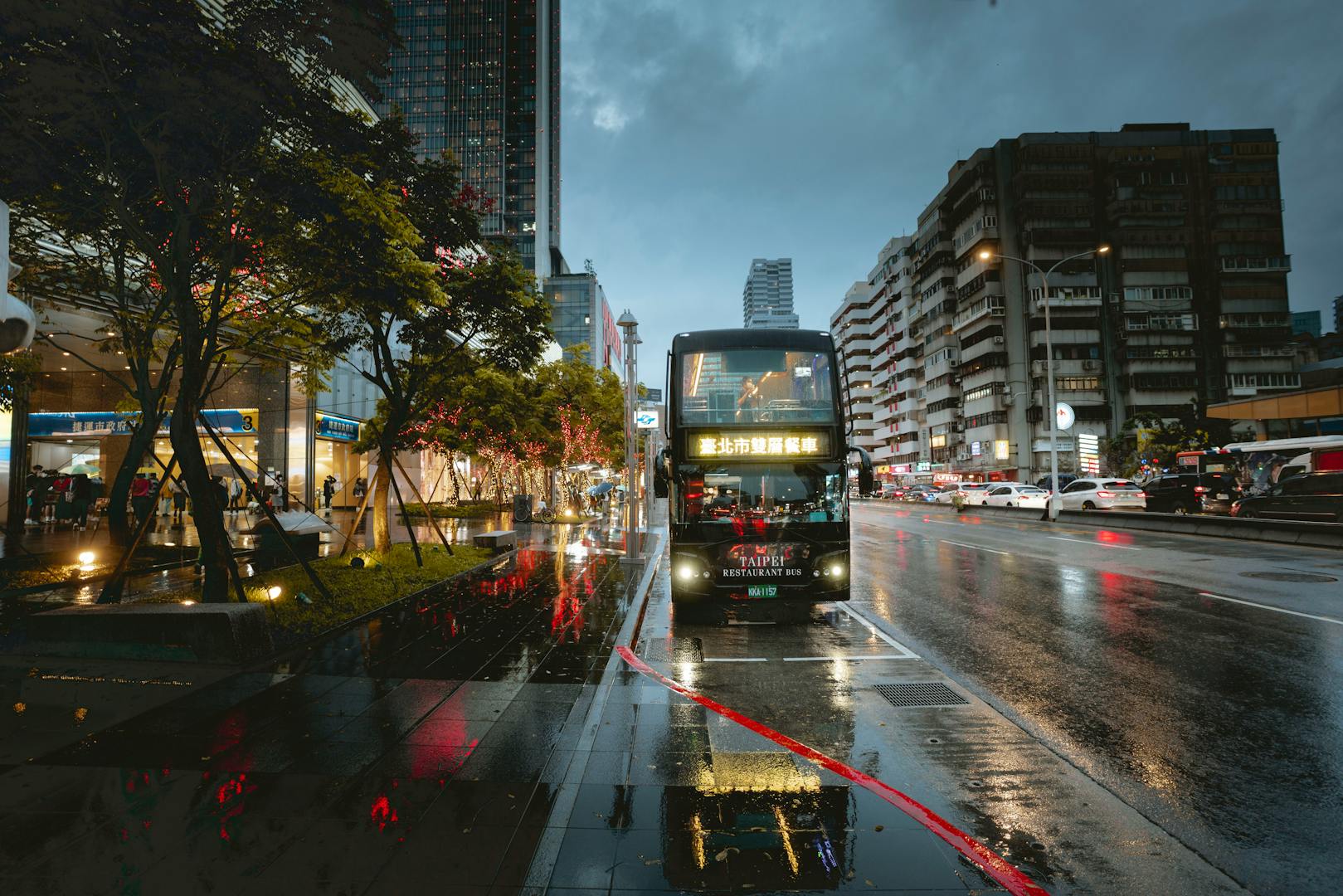
How the Taipei Bus System Works
The Taipei bus network is operated by multiple private bus companies under the regulation of the Taipei City Government’s Department of Transportation. Together they run 300+ routes covering virtually every neighborhood in Greater Taipei. Buses run frequently on major routes (every 5-15 minutes) and less frequently on minor routes (every 20-30 minutes).
Bus types you’ll encounter:
City buses: Standard urban routes operated by private companies. Most common.
Bus 0 routes: The “0” prefix indicates outer-loop routes (0 North, 0 South, 0 West). Useful for crossing the city.
Suburban buses: Routes to outer Taipei and surrounding areas. Numbered into the 600s and 800s.
Mountain shuttle buses: Special routes to Yangmingshan (Bus 260), Maokong (Brown Line MRT shuttle), and other tourist mountain areas.
Inter-city buses: Longer-distance routes connecting Taipei to other cities (Kuo Kuang, U Bus). Different system with separate ticketing.
For tourist purposes, the city bus and mountain shuttle bus categories are most relevant.
How to Pay for Taipei Buses
EasyCard (Best Option)
Use your EasyCard. Tap on entry and tap off when leaving the bus (some routes only require tap on entry; modern routes require both). Cost NT$15-30 per ride depending on the zone.
The EasyCard is the universal payment for buses, MRT, taxis (some), 7-Eleven, YouBike, and more. NT$100 refundable deposit + load amount. Available at any MRT station.
Cash
Cash is accepted but inconvenient. Coins only (NT$15-30 per ride). Place exact change in the fare box at the front of the bus. No change given.
Tap-on/tap-off: The fare depends on the zones you travel. Tapping in and out lets the system calculate correctly.
No Mobile Payment
Most Taipei buses don’t accept mobile payment (LINE Pay, JKO Pay). EasyCard or cash only.
Reading Bus Routes and Stops
Bus Stop Signs
Bus stops have signs listing the routes that stop there. Each route number is displayed with:
Route number (e.g., “260” or “0 West”)
Direction or terminus (e.g., “to Jiantan” or “to Yangmingshan”)
Operating hours (typical 5am-11pm)
Frequency (e.g., “every 15 minutes” or specific times)
Some bus stops are shelters with seating; others are just signposts at the curb.
How to Find Your Route
Google Maps shows Taipei bus routes with English route numbers. Tap on a bus stop in Maps to see what routes stop there and the next bus times.
Taipei City Government’s “Bus Tracking” app (in Chinese; English version available) shows real-time bus positions. Useful for catching specific routes.
Citymapper works for major routes but is less comprehensive than Google Maps for Taipei.
Boarding
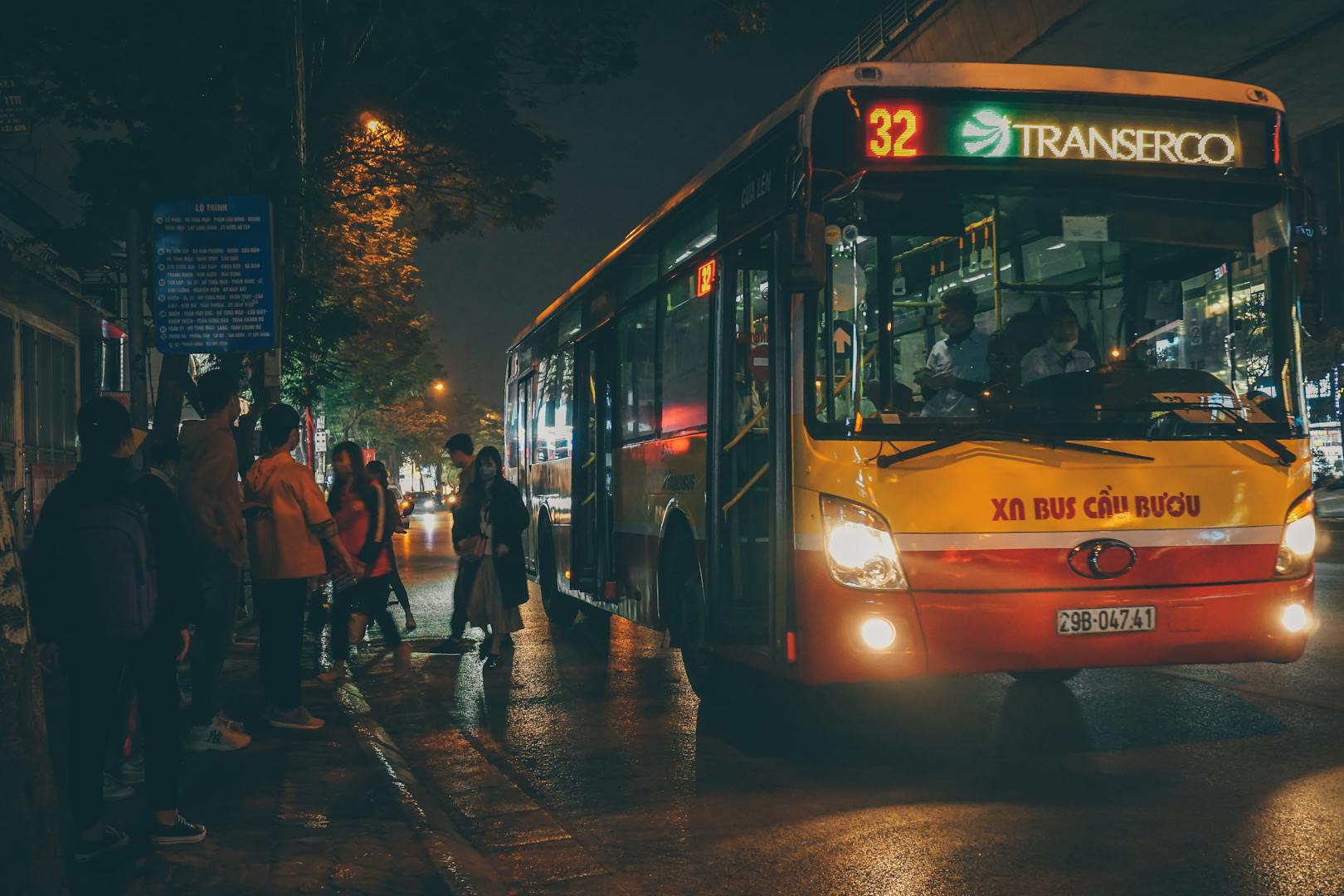
Wait at the bus stop. When your bus approaches, wave to indicate you want to board. Buses don’t stop unless someone is waiting and signaling.
Board at the front. Tap your EasyCard on the reader, or insert exact change.
Find a seat or stand. Buses have priority seating for elderly, pregnant, and disabled passengers – don’t take these seats unless empty.
Exiting
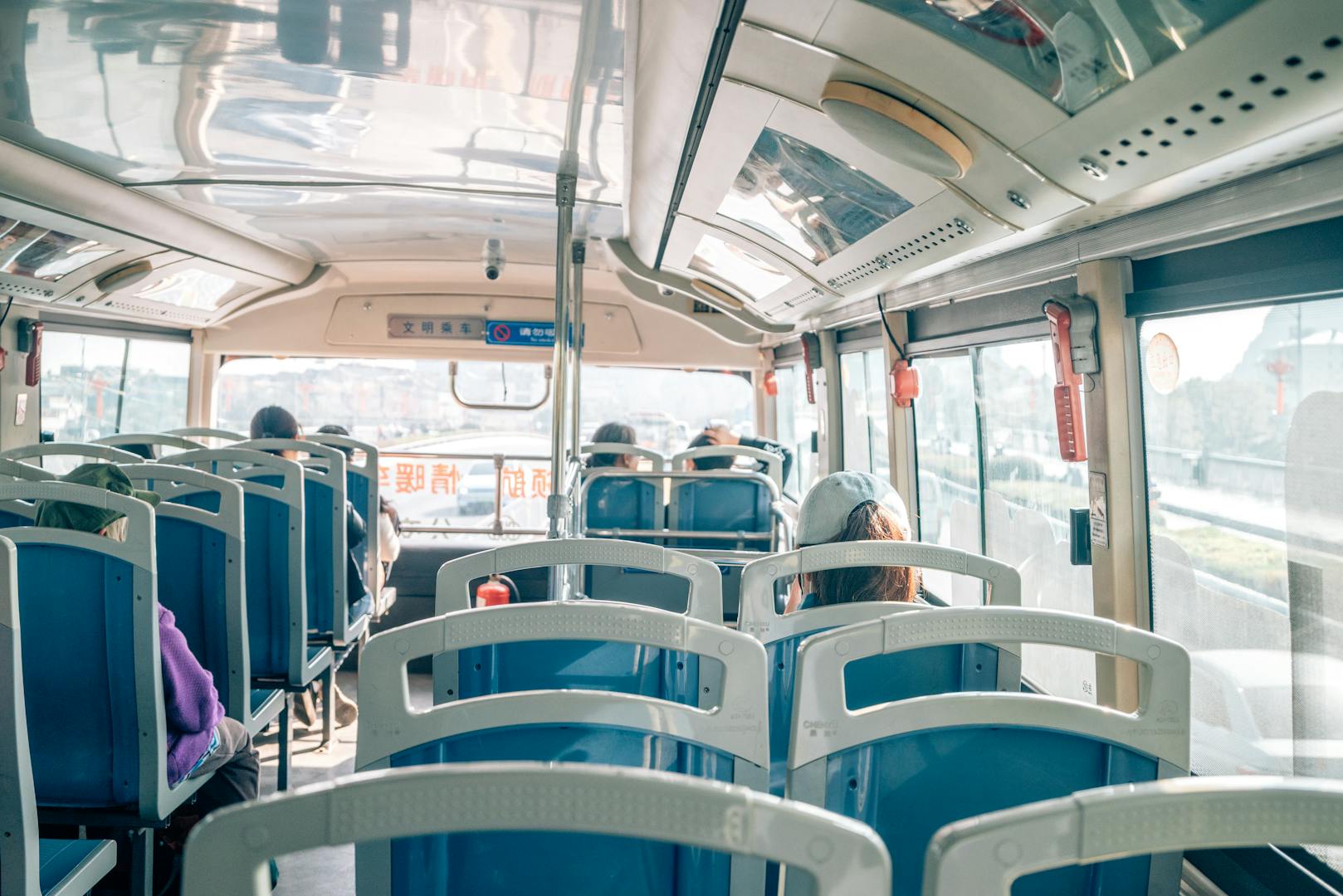
As your stop approaches, press the “stop” button (red, mounted on poles). The button is at every seat and standing area.
Move to the back door (most buses). Tap your EasyCard on the rear reader when exiting (if required).
Exit quickly and step aside.
Bus vs MRT: When to Use Each
Use MRT When:
Going across central Taipei (Xinyi to Taipei Main, Da’an to Zhongshan) – faster and more reliable than buses.
Traveling during rush hour (8-9am, 5-7pm) – MRT avoids traffic.
You have heavy luggage – elevators at every station.
You’re a first-time visitor – signage is bilingual and intuitive.
You want predictable timing.
Use Bus When:
Going to Yangmingshan, Maokong, Wenshan, or other non-MRT-accessible areas.
Off-peak hours (mid-day, late evening) when buses are faster than MRT for short trips.
You’re at a specific stop near your destination (no walk needed).
You want to save money on a longer trip (some bus fares are cheaper than MRT for the same distance).
You want to see Taipei scenery (buses on surface roads show more than the underground MRT).
For trips where the MRT requires multiple transfers – buses sometimes go direct.
Specific Tourist-Useful Routes
Bus 260: Jiantan MRT to Yangmingshan
The primary route to Yangmingshan National Park. From Jiantan MRT (Red Line) directly to the park visitor center. 45-60 minutes. NT$30 with EasyCard. Frequent service.
Bus 1717: Taipei Main Station to Yangmingshan
Direct express bus during peak seasons (cherry blossoms, calla lilies). Less frequent than Bus 260 but goes directly from central Taipei.
Bus 849: Xindian MRT to Wulai
The primary route to Wulai (Atayal indigenous village). From Xindian Station (Green Line) directly to Wulai village. 40-50 minutes. NT$45. Runs every 15-25 minutes.
Bus 0 West (西): Cross-City Outer Loop
Loops the western city. Useful for crossing between Taipei Main, Wanhua, and other western districts. NT$15-25 with EasyCard.
Bus 0 South (南): Cross-City Outer Loop
Loops the southern city. Useful for accessing southern districts.
Bus 0 North (北): Cross-City Outer Loop
Loops the northern city. Useful for accessing northern districts.
Bus 252: Multi-District Route
Useful tourist route covering Wanhua, Da’an, and other neighborhoods.
Bus 612: Taipei Main to Sun Yat-sen Memorial Hall and Beyond
Useful for connecting Taipei Main Station to Xinyi District without using the MRT.
Bus 282 (or similar): Taipei Zoo to Maokong
Connects Taipei Zoo MRT to nearby attractions and to the Maokong Gondola entrance.
Bus 1815: Taipei to Yehliu Geopark
Direct bus from central Taipei to Yehliu (north coast). Useful day trip option. Travel time 60-75 minutes.
Buses to Tamsui
Multiple bus routes from various Taipei origins to Tamsui (the northern terminus). The MRT is faster but bus options exist.
Buses to Keelung
Bus 1813 from Taipei Main Station to Keelung. Slower than the TRA train but cheaper. NT$55.
Typical Taipei Bus Fares
2026 pricing:
Single-zone trips (within central Taipei): NT$15-25 per ride with EasyCard.
Multi-zone trips (across central Taipei): NT$20-30 per ride.
Mountain shuttle (Yangmingshan, Wulai): NT$30-45 per ride.
Day passes: NT$80-120 for unlimited daily bus rides (various passes available).
Inter-city buses (Keelung, Yilan): NT$55-120 per ride.
Generally cheaper than the MRT for similar distances but slower due to traffic.
Common Bus System Mistakes
Not Waving for the Bus
Buses don’t stop unless you signal. Wave clearly as your bus approaches the stop. If you don’t wave, the driver may pass without stopping.
Not Tapping Off
Some routes require tapping in AND out. If you don’t tap off, you may be charged the maximum fare. Tap on entry and exit to ensure correct billing.
Boarding the Wrong Direction
Same route numbers run in both directions. Check the destination sign (front and side of the bus) before boarding. “to Yangmingshan” vs “to Jiantan” matters.
Missing Your Stop
If you’re new to Taipei, ride past your stop. Press the “stop” button as your stop approaches (look at Google Maps tracking). The driver doesn’t automatically stop at every stop.
Confusing Route Numbers
“260” goes to Yangmingshan. “0 North” loops the city. They’re different. Verify the route number twice before boarding.
Cash With No Change
If using cash, have EXACT change ready. No change given. Carry NT$15, NT$30, NT$45 coins for typical fares.
Wrong Boarding Door
Most Taipei buses have front and rear doors. Board at the front; exit at the rear. Don’t board at the rear or exit at the front (slows other passengers).
Not Standing Up Quickly
When your stop approaches, stand up and move to the door before the bus stops. Buses don’t wait for slow passengers.
Listening to Stops
Bus stop announcements are in Mandarin and sometimes Hokkien. English announcements are limited or absent on most routes. Track your stop on Google Maps instead.
Bus Etiquette
Priority seating: Don’t sit in priority-marked seats unless empty. Yield to elderly, pregnant, disabled, or those with young children.
Eating and drinking: Not allowed on most Taipei buses. Eat before boarding.
Phone calls: Allowed but keep voice low. Headphones for media.
Pickpocketing: Rare on Taipei buses but possible in extreme crowds. Watch your bags.
Backpacks: If standing, hold your backpack at your feet rather than on your back (avoids hitting other passengers).
Strollers and wheelchairs: Modern buses have accessible spaces. Position there. Drivers will assist.
Smoking: Banned on all buses and at bus stops.
Bicycles: Folded bikes allowed; full-sized bikes generally not.
Pets: Allowed in carriers. Service animals exempt.
Real-Time Bus Tracking
Knowing when your bus will arrive saves time at the bus stop:
Google Maps: Real-time bus tracking for most routes. Shows next bus times at each stop. Most reliable for English-language users.
Taipei Bus Tracking app: Official Taipei City app. Mandarin primary; English version available. More comprehensive than Google Maps for some routes.
Citymapper: Works for major routes. Less reliable for outer Taipei.
Display signs: Some bus stops have digital displays showing real-time bus arrival times. Read these as you wait.
Late-Night Bus Service
Most Taipei buses operate 5am to 11pm. Late-night service is limited:
Major routes: Some run until midnight or 1am.
Night bus service: Limited routes serve major destinations after midnight. NT$30-50 fare.
Mountain routes: Usually no service after 6-8pm (Yangmingshan, Maokong).
For late-night transit, taxis or Uber are generally more reliable than buses. The MRT closes at midnight; buses close shortly after.
Bus Day Passes and Discounts
One-Day Pass: NT$120 for unlimited bus rides within Taipei City for a single day. Available at MRT stations and bus depots. Useful if you plan 4+ bus trips.
EasyCard discount: Some routes offer slight discount (NT$2-5 per ride) when paying with EasyCard vs cash.
Senior discount: Half-price for senior citizens with ID (NT$8-15 per ride).
Disabled passenger discount: Half-price with disability registration card.
Student discount: Some routes offer student discounts with Taiwan student ID.
For most tourists, EasyCard usage is the simplest pricing.
Combining Bus and MRT
Most efficient Taipei transit combines both systems:
MRT for the “trunk” of your journey (across central Taipei).
Bus for the “branch” (final 1-3 km to your destination or to outer attractions).
Example: Taipei Main Station to Yangmingshan = MRT Red Line to Jiantan (15 min) + Bus 260 to Yangmingshan (45 min). Total 60 minutes.
EasyCard works seamlessly on both. Cap the daily MRT cost with a 1-day pass if doing many trips.
Special Tourist Bus Routes
Taipei City Sightseeing Bus: Hop-on-hop-off tourist bus covering major attractions. NT$300-500 per day. Useful for first-time visitors who want guided tours plus flexibility.
Skybus Tour Bus: Another sightseeing bus option with English audio guides.
Klook private buses: Various Klook tour packages include private bus transit. Worth comparing against public buses for convenience.
For most independent travelers, the public bus system is more flexible and dramatically cheaper than tourist sightseeing buses.
Sample Day Using Buses
If you want to explore Yangmingshan and surrounding northern Taipei using buses:
9am: MRT to Jiantan Station.
9:30am: Bus 260 to Yangmingshan (45 minutes, NT$30).
10:30am-3pm: Explore Yangmingshan National Park.
3pm: Bus 260 back to Jiantan (45 minutes, NT$30).
4pm: MRT to Beitou Station.
4:30pm: Walk to hot springs OR take bus S15 to Xinbeitou. (Hot spring afternoon).
6pm: MRT back to Taipei. Dinner at Shilin Night Market (walking distance from Jiantan).
Total transit cost: NT$100 in bus fares plus NT$50 in MRT fares = NT$150 for full day.
Related Taipei guides
- Taipei Transportation Guide: Getting Around Taipei
- Taoyuan Airport to Taipei: Every Option Compared
- Songshan Airport Guide: Taipei’s City Airport
- Taipei Taxi Guide: Fares, Apps & Safety
- Does Uber Work in Taipei?
- Taiwan High Speed Rail from Taipei: Booking & Tips
Frequently Asked Questions
How do I use the Taipei bus system as a tourist?
Get an EasyCard at any MRT station (NT$100 refundable deposit + load amount). Use Google Maps to find your bus route. Wave to the bus as it approaches the stop. Tap your EasyCard on boarding (and exit if required). Press the “stop” button as your stop approaches. Bus fares run NT$15-30 per ride.
Are Taipei buses cheaper than the MRT?
Generally yes for short trips – NT$15-25 vs NT$25-40 on the MRT. The savings aren’t dramatic. Buses are slower due to traffic. For most trips, the MRT is faster and more reliable.
What is the best Taipei bus for tourists?
Bus 260 from Jiantan MRT to Yangmingshan (for the national park). Bus 849 from Xindian MRT to Wulai (for the indigenous village). Bus 1815 to Yehliu Geopark. Bus 252 for cross-district routes. These are the most useful tourist-specific routes.
Can I use EasyCard on Taipei buses?
Yes – EasyCard is the standard payment for all Taipei city buses. Tap on entry; tap off when leaving (on routes requiring both). NT$15-30 per ride. Significantly more convenient than cash.
What time do Taipei buses run?
Most buses operate 5am to 11pm. Major routes may run until midnight or 1am. Night bus service is limited and routes vary. Mountain routes (Yangmingshan, Wulai) typically end service by 6-8pm.
How do I know when my Taipei bus is coming?
Google Maps shows real-time bus tracking for most routes. The Taipei Bus Tracking app provides official real-time data. Some bus stops have digital displays. Plan for 5-15 minute wait times on major routes; 20-30 minutes on minor routes.
Are Taipei buses stroller-friendly?
Yes for modern buses (newer fleet vehicles). Older buses may have limited stroller space. Most buses have wheelchair/stroller-accessible areas. Position there. Bus drivers will assist with loading/unloading.
Do Taipei buses have English signage?
Limited. Route numbers and destinations are often in Chinese only at bus stops. Use Google Maps for English navigation. Stop announcements are usually in Mandarin only. Track your location on your phone.
How do I get off a Taipei bus?
Press the red “stop” button mounted on poles. The button is at every seat and standing position. Press it as your stop approaches. Move to the rear door. Tap your EasyCard on the rear reader (if required). Exit quickly.
What’s the difference between Taipei buses and the MRT?
MRT: faster, more reliable, underground/elevated (no traffic), bilingual signage, more expensive for short distances. Bus: slower due to traffic, more route flexibility, cheaper for some trips, reaches non-MRT areas, Chinese-only signage at most stops.
The Bottom Line
The Taipei bus system is the underrated complement to the MRT for visitors. Use it specifically for Yangmingshan (Bus 260), Wulai (Bus 849), Yehliu (Bus 1815), and other non-MRT-accessible attractions. For routine city movement, the MRT is faster and more user-friendly. With an EasyCard, Google Maps for routing, and basic awareness of how stops and signaling work, buses give you a significant expansion of where you can go in Taipei. Most tourists ignore buses; the ones who learn them get to places others can’t easily reach.