This article contains advertising. Our booking links are routed through a partner that adds commission tracking automatically, so if you book through one we earn a commission from the provider, at no extra cost to you. It never affects what we recommend. Affiliate disclosure
Sanxia and Yingge face each other across the Dahan River in the south-west of New Taipei, five kilometres apart, and they have been sold as a pair for as long as anyone has run day trips out of Taipei. One is a temple town of red-brick arcades built around the most elaborately carved temple in northern Taiwan; the other has made pottery for two centuries and still fills a whole street with it. Until this summer, getting from one to the other meant a bus you had to hunt for or a taxi you had to explain. Since 30 June 2026 a new driverless metro line has joined them to each other and to Taipei’s Blue Line, which makes a Sanxia Old Street Yingge day easier than it has ever been — and, handily, it also answers the old question of which order to do them in.
This guide covers how to get there on the new Sanying Line, what is worth your time in each town — Zushi Temple, the old street, the golden croissants, the ceramics museum, the pottery shops — a day plan that avoids backtracking, how to buy and carry ceramics home, and what to skip. Prices were checked in September 2026; treat them as the right order of magnitude and confirm before you go.
At a glance
| What | Cost or detail |
|---|---|
| Getting there | MRT Blue Line to Dingpu, then the Sanying Line (opened 30 June 2026) — tap an EasyCard; Sanying fares run NT$20–35 |
| Or, to Yingge only | Taiwan Railways local train from Taipei Main to Yingge — tap an EasyCard |
| Qingshui Zushi Temple, Sanxia | Free |
| Sanxia Old Street | Free to wander; golden croissants and indigo workshops are the spending |
| Li Mei-shu Memorial Gallery | Weekends 10:00–17:00; weekdays by reservation |
| Yingge Ceramics Museum | NT$80 · free for students and over-65s · 09:30–17:00 weekdays, to 18:00 at weekends |
| Pottery-throwing sessions | Priced by the shop — agree the price, firing and delivery before you sit down |
| Time needed | A full day for both towns: about 2–3 hours in Sanxia, 3–4 in Yingge |
Two towns, one day
Sanxia sits on the south bank of the Dahan River where two smaller rivers join it — the name means “three gorges” — at the foot of the hills that run up towards the forest recreation areas of the interior. In the Qing era it was a busy river port trading in camphor, tea and indigo dye, and the wealth from that trade built the temple and the shophouses that visitors come for now. Its older name, Sanjiaoyong, belongs to a darker chapter: in 1895, when Japan took Taiwan, local militias ambushed Japanese troops near the town, and the reprisal that followed left much of Sanxia, temple included, in ashes.
Yingge, across the river on the north bank, grew up on clay and coal. Potters from Fujian settled here in the early nineteenth century, and by the twentieth it was the centre of Taiwan’s ceramics industry, turning out everything from rice bowls to bathroom tiles. The name comes from a crag on the hill above town, the Yingge Rock, said to look like a bird.
The two towns are so often visited together that the new metro line connecting them is simply called the Sanying Line — San for Sanxia, Ying for Yingge.
Getting there: the new Sanying Line
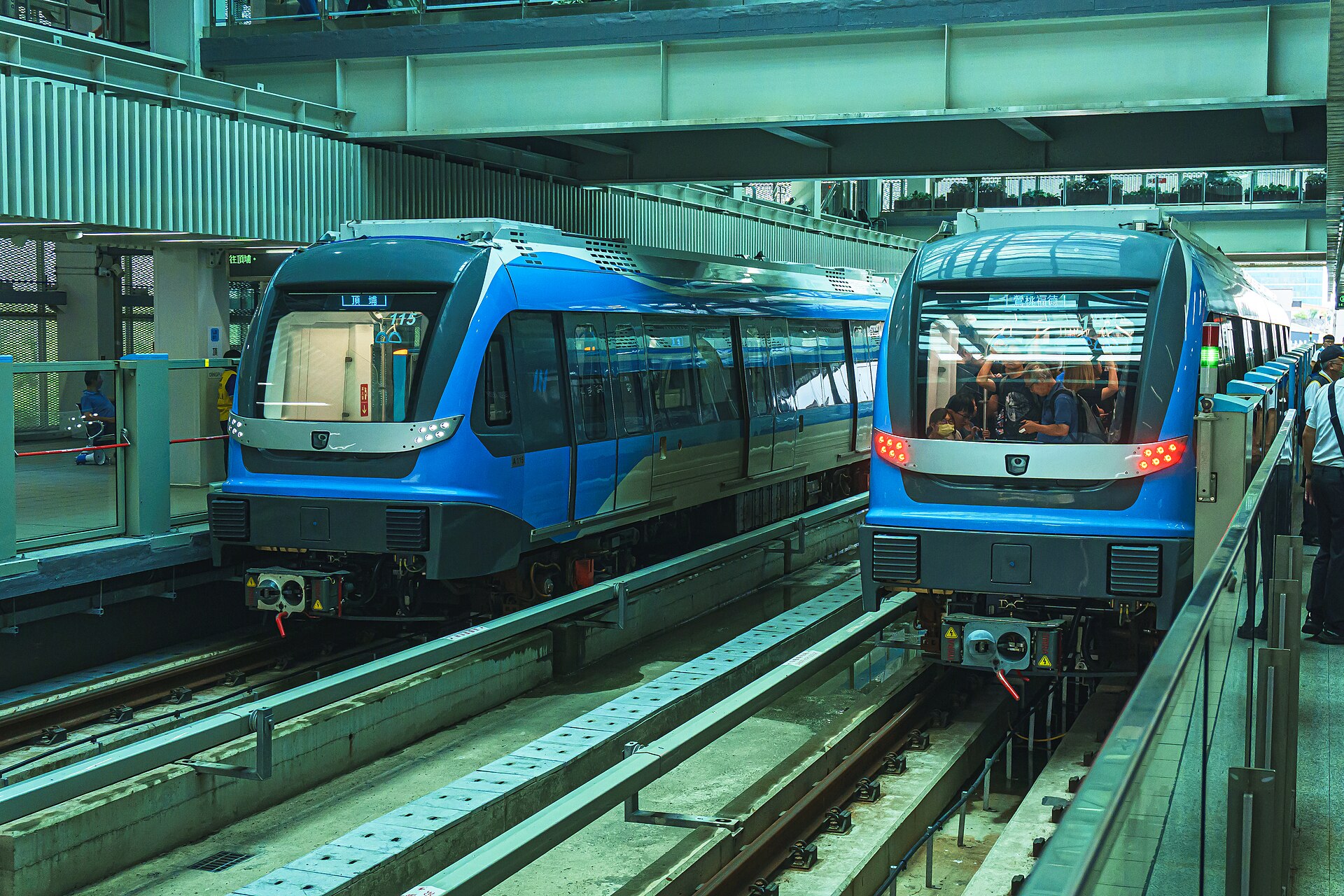
The Sanying Line opened on 30 June 2026. It is a driverless, mostly elevated metro of short two-car trains, running 14.3 kilometres from Dingpu — the last station on Taipei’s Blue Line — through Sanxia and across the river to Yingge. The stations that matter:
| Station | Code | For |
|---|---|---|
| Dingpu | LB01 | Change here from the MRT Blue Line |
| Sanxia | LB06 | Sanxia Old Street, Zushi Temple |
| Yingge Station | LB08 | Change here for Taiwan Railways trains back to Taipei |
| Ceramics Old Street | LB09 | Yingge Old Street and the Ceramics Museum |
From central Taipei, ride the Blue Line to its southern end at Dingpu, about half an hour from Taipei Main, change to the Sanying Line, and ride on to Sanxia. Sanying fares are NT$20–35 on the same tiered system as the rest of the Taipei metro, and your EasyCard covers the lot — tap in at the start, tap out at the end. The free introductory rides ended on 31 August. Station maps at each exit show the walking route into the old streets; follow those rather than your phone’s first guess.
The route that avoids backtracking
Do Sanxia in the morning, when the temple is quiet and the old street is not yet full, then ride the Sanying Line across the river to Ceramics Old Street for the afternoon. When you are done in Yingge, walk or ride one stop to Yingge Station and take a Taiwan Railways local train straight back to Taipei Main — under forty minutes, no booking, EasyCard at the gate. It is a neat loop: metro out, train back, and nothing seen twice.
If you only want Yingge, skip the metro altogether and take the local train from Taipei Main both ways. For how the metro and the railway fit together, see our Taipei MRT guide and our Taiwan train travel guide.
Sanxia
Qingshui Zushi Temple
This is the reason to come to Sanxia, and it is worth the journey on its own. The temple is dedicated to Qingshui Zushi, a Song-dynasty monk venerated by settlers from Anxi in Fujian, and it has stood on this riverbank since the eighteenth century, destroyed and rebuilt several times. The version you see was begun in 1947 under the direction of Li Mei-shu, a Sanxia-born painter who gave the rest of his life to it. He brought in the best carvers he could find, insisted on a standard of craftsmanship no one else was attempting, and was still overseeing the work when he died in 1983. It has never quite been declared finished.
The result is extraordinary in a way that photographs struggle to convey. Look at the stone columns: dragons, birds, flowers and whole scenes from history and legend cut so deeply that you can see through them. Look up at the roofs, crowded with figures. Look at the bronze doors and the gilded woodwork inside. There are temples in Taiwan that are bigger and older; there are very few with this density of fine carving, and none where you can see a single artist’s vision so clearly. For a comparison closer to Taipei, see our guide to Longshan Temple.
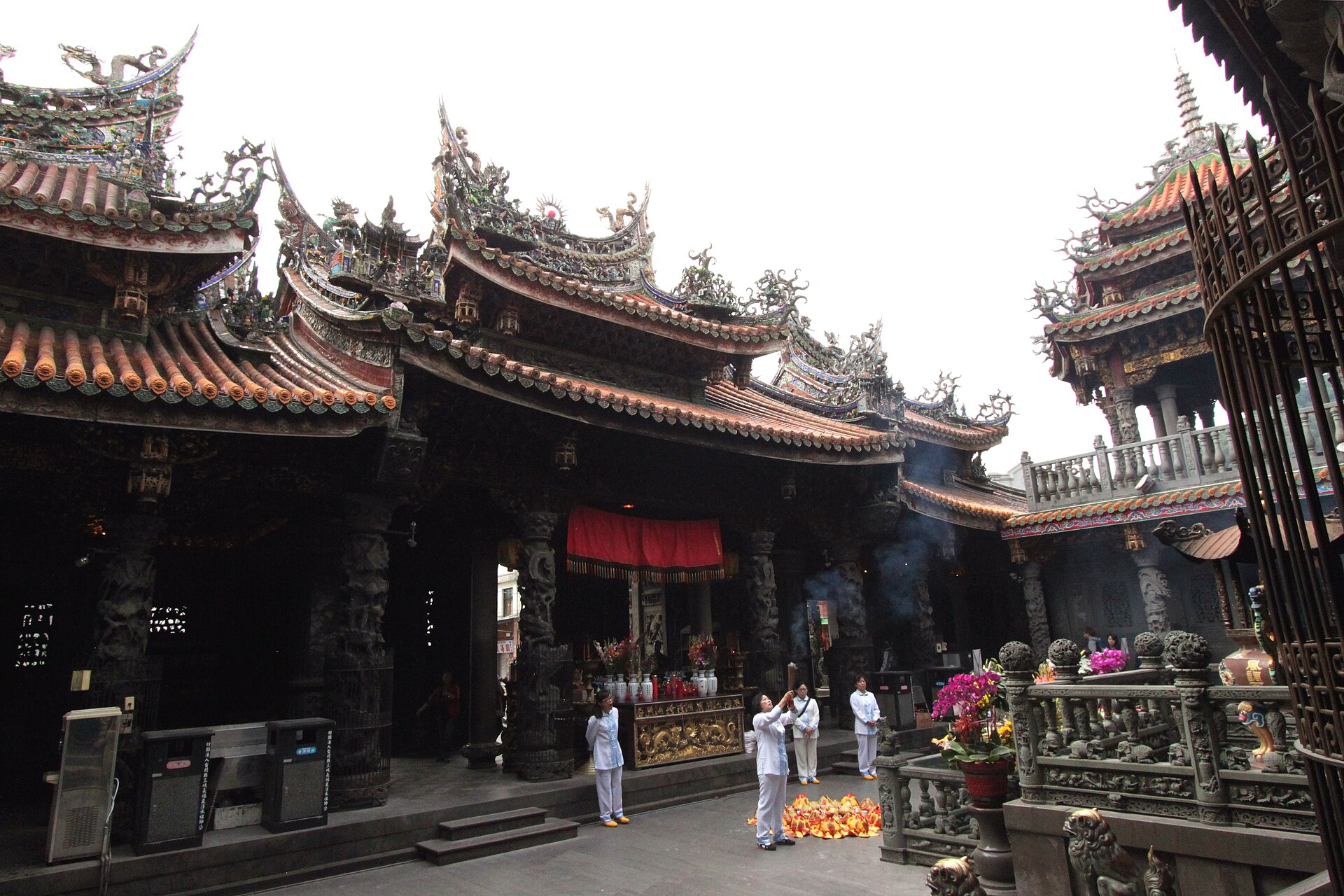
Entry is free. It is a working temple, so the usual courtesies apply: dress modestly, keep your voice down, do not step on the raised thresholds, and do not photograph people at prayer. Give it an hour. Our temples guide explains what you are looking at.
Sanxia Old Street
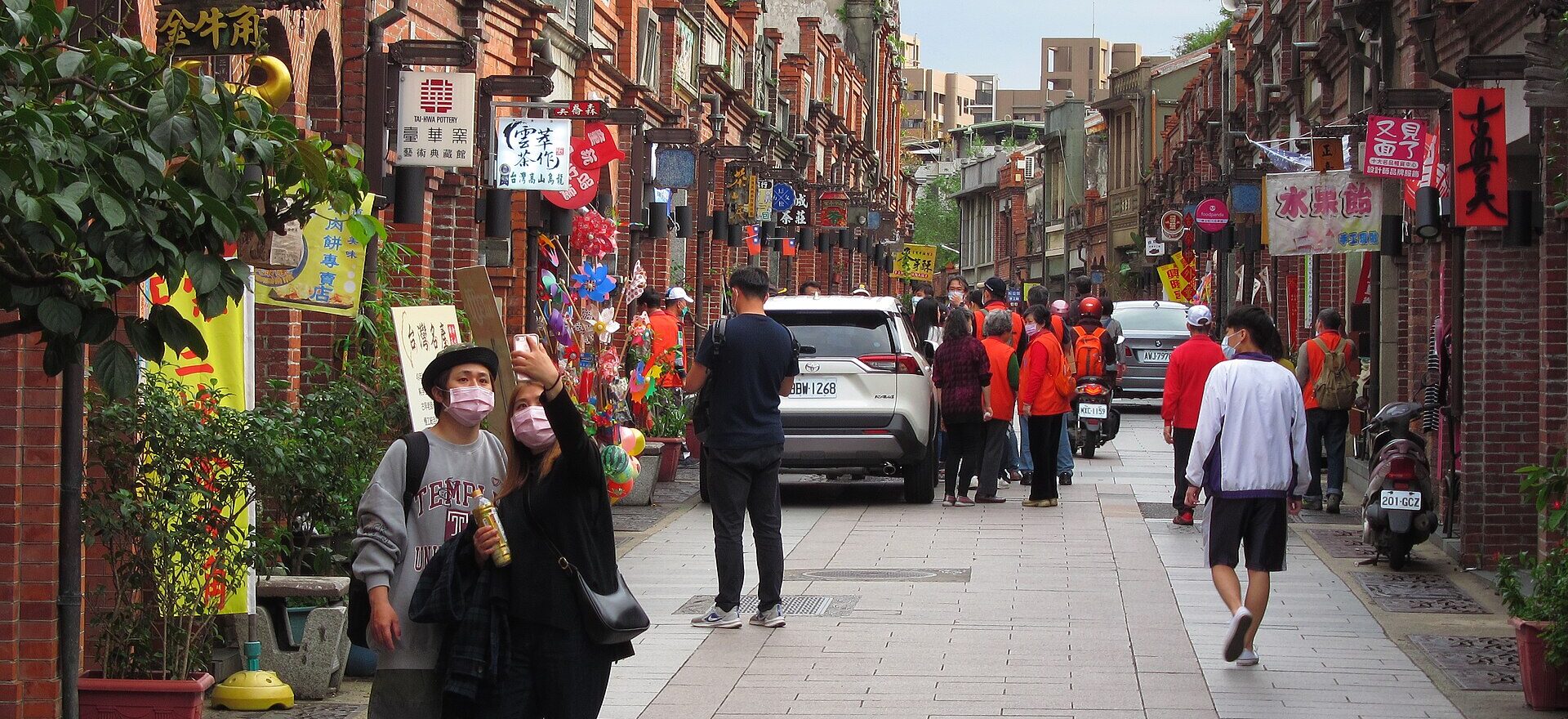
Just behind the temple, Minquan Street is one of the best-preserved old streets in northern Taiwan: a few hundred metres of red-brick shophouses with arched arcades at street level and ornate facades above, restored to their early twentieth-century appearance. At its best — early on a weekday, before the tour groups — it is genuinely handsome, and it is a much calmer place than the crush of Jiufen.
Be clear about what it is, though. It is short, and most of the shops sell some combination of the same three things: golden croissants, indigo-dyed cloth and snacks. Twenty minutes covers it; the architecture is the point, not the shopping.
Golden croissants
Sanxia’s signature snack is the golden croissant (金牛角, literally “golden ox horn”) — a horn-shaped, glazed, buttery pastry sold plain or with fillings by what seems like every other shop on the street. They are good, they travel well enough to take back to Taipei, and there is no need to join the longest queue: the shop with the crowd outside is not reliably better than the one next door.
Indigo dyeing
Sanxia’s river water and the indigo plants of the surrounding hills made it a centre of blue dyeing in the Qing era, and the craft has been revived for visitors. Workshops near the old street run short sessions where you fold, tie and dip a handkerchief or scarf and take home the result — an easy, cheap hour that children enjoy, and a far better souvenir than anything off a shelf.
Li Mei-shu Memorial Gallery
A small gallery devoted to the painter who rebuilt the temple, showing the realist oils of Sanxia life that made his name before the temple consumed him. It opens on weekends from 10:00 to 17:00; on weekdays you need to book ahead. Worth an hour if you have been moved by the temple and want to understand the man behind it. The New Taipei City travel site has current details.
Tea from the hills
The hills above Sanxia grow green tea, above all Taiwan’s version of Biluochun, a delicate, curled-leaf green. Several shops on and around the old street sell it; ask to taste before you buy. Our guide to buying tea in Taipei covers what to look for.
Yingge
Yingge Old Street
Yingge’s old street — Jianshanpu Road and the lanes around it, a short walk from Ceramics Old Street station — is a pedestrianised strip of brick buildings given over almost entirely to ceramics. There are teapots and cups, rice bowls and serving plates, vases, glazed tiles, figurines, industrial seconds sold by the basket, and a handful of galleries showing serious contemporary work.
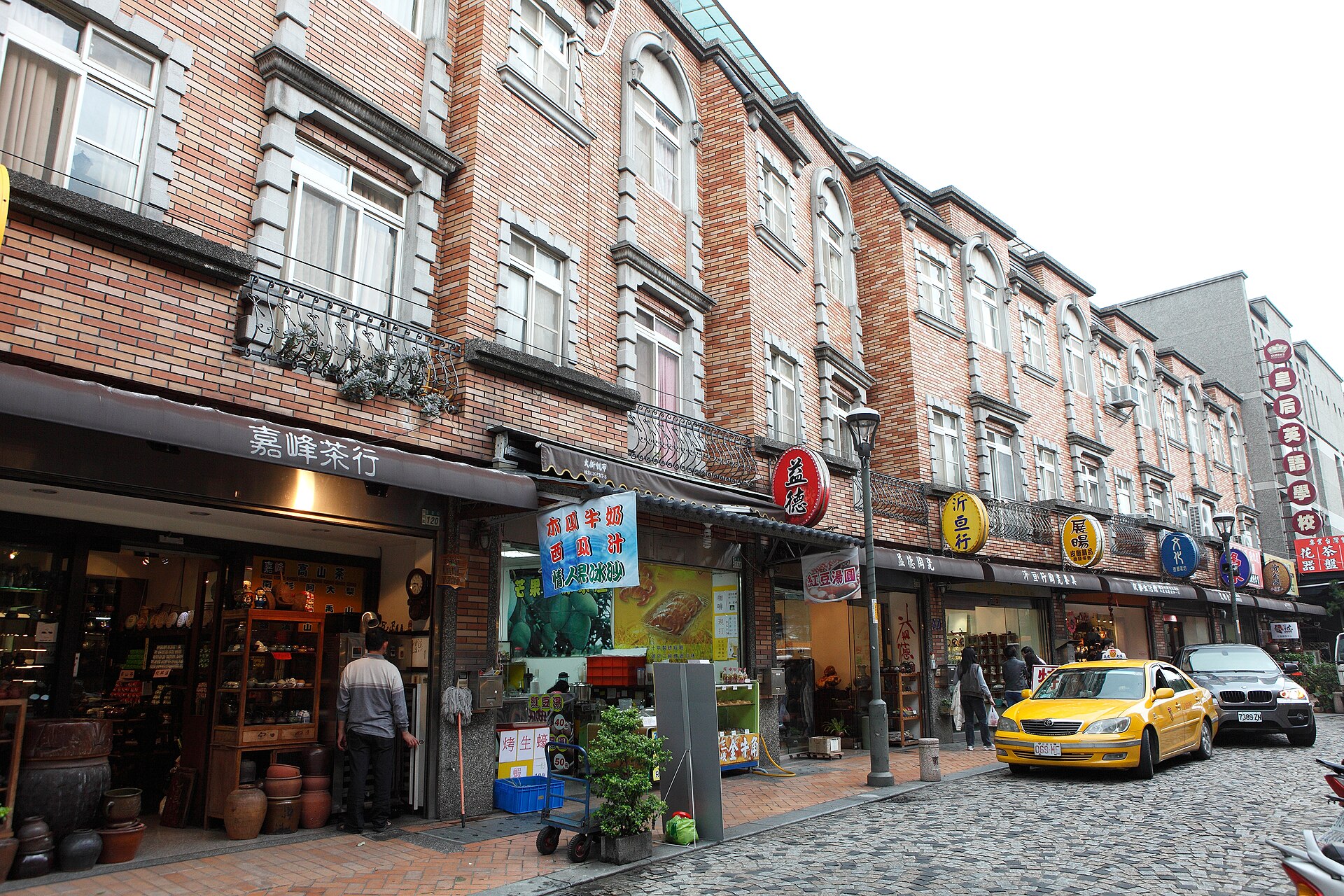
Quality varies enormously. Much of the stock on the main strip is mass-produced and interchangeable, and some of it is not even made in Taiwan. The rewarding shops are the smaller studios and family kilns in the side lanes, where the person behind the counter often made what is on the shelves. Handle before you buy, look at the base for a maker’s mark, and do not be shy about asking where something was made.
Throw a pot
Several shops and studios offer pottery sessions: throwing on the wheel with a teacher guiding your hands, or painting a ready-made piece. It is fun and messy, and children love it. Two things to settle before you start. First, the price, including glazing and firing. Second, what happens next: your piece has to dry and be fired, which takes time, so it will be collected later or posted — which can take weeks and does not always extend overseas. If you fly home in two days, choose painting a finished piece, or simply enjoy the session and let the pot go.
New Taipei City Yingge Ceramics Museum
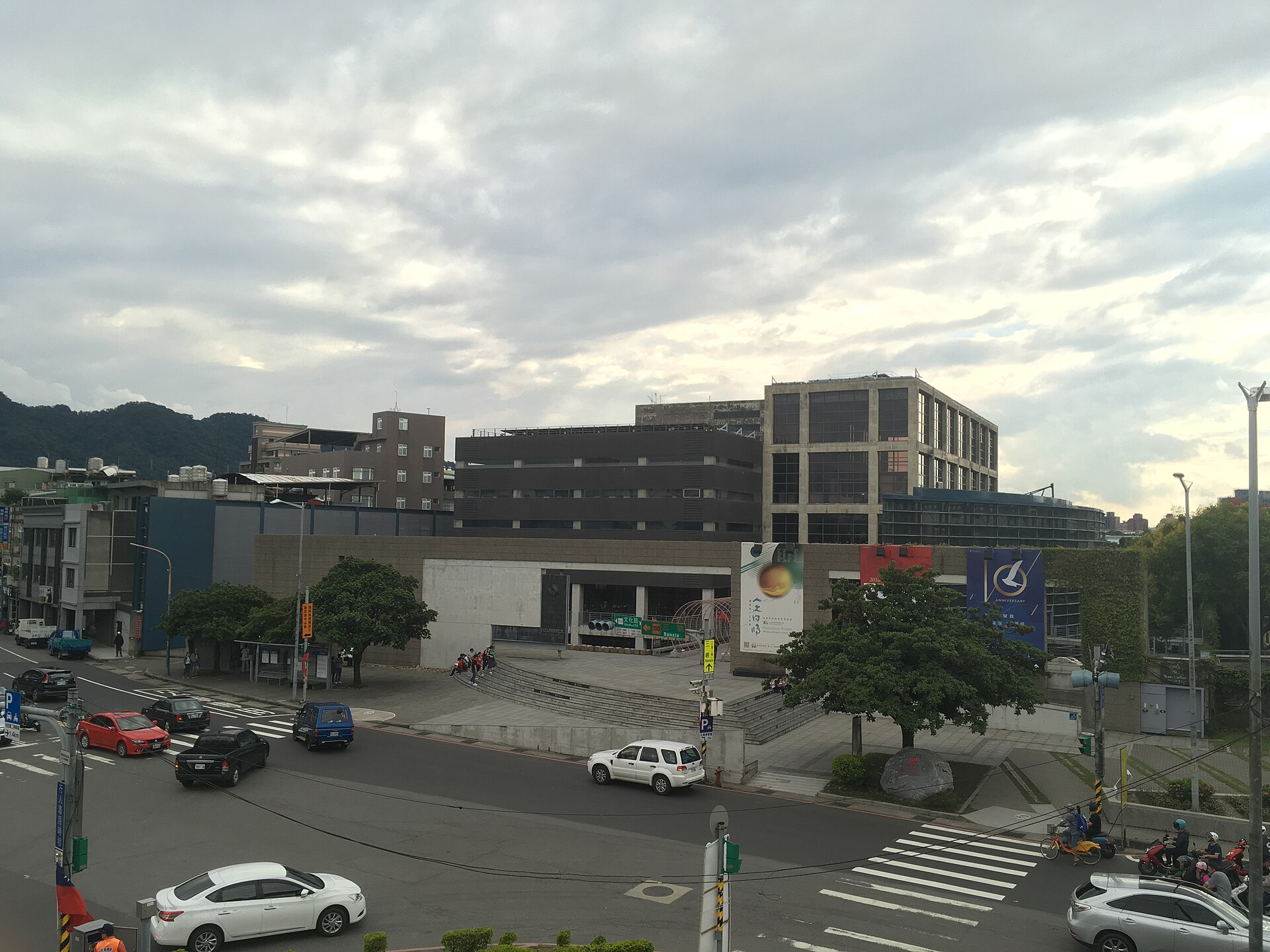
Taiwan’s first museum devoted to ceramics, and far better than its plain exterior suggests. The permanent galleries trace the craft from prehistoric pottery through the Qing-era kilns to the industrial boom that made Yingge — including the tiles, pipes and sanitaryware that paid the town’s bills — and on to contemporary studio work. Outside, a ceramics park has installations and space for children to run about. The museum also hosts the Taiwan Ceramics Biennale, a large international show held every other year — worth timing a visit around if your dates line up.
Admission is NT$80, free for students and over-65s. It opens 09:30–17:00 on weekdays and 09:30–18:00 at weekends; check the museum’s website for its monthly closing day and current exhibitions before you go. Allow ninety minutes. On a wet day it is the anchor of the whole trip — see our rainy day guide for others.
The Yingge Rock
If you have energy left, a short, steep path climbs the hill above town to the rock that gave Yingge its name, with a view back over the river to Sanxia. It is a modest reward for a modest climb, and a pleasant way to stretch your legs after an afternoon of browsing.
A day that works
| When | What |
|---|---|
| Morning | Blue Line to Dingpu, Sanying Line to Sanxia. Zushi Temple while it is quiet. |
| Late morning | Sanxia Old Street, a golden croissant, an indigo-dyeing session. |
| Lunch | In Sanxia, or save your appetite for Yingge. |
| Early afternoon | Sanying Line across the river to Ceramics Old Street. The Ceramics Museum first. |
| Late afternoon | Yingge Old Street and the side-lane studios; a pottery session if you want one. |
| Evening | One stop to Yingge Station, local train back to Taipei Main. |
On a weekend, the Li Mei-shu Gallery slots in after the temple, and the museum stays open an hour later. For how this compares with the other trips out of the city, see our day trips from Taipei guide.
Extending the day
Two nearby additions work if you have a car, a taxi driver or a second day.
- Manyueyuan National Forest Recreation Area, in the hills south of Sanxia, is a steep, shaded valley of waterfalls and walking trails, at its best in autumn when the maples turn. There is an entry fee, the roads are narrow, and the buses are infrequent, so it suits a driver better than a day-tripper on the metro. Allow half a day.
- Daxi, just over the county line in Taoyuan and a short drive from Yingge, has its own red-brick old street — longer and more varied than Sanxia’s — and is famous for dried tofu. If you enjoyed Sanxia’s arcades, Daxi is the natural next step.
With children, and step-free
This is one of the better day trips from Taipei for families. Children tend to love the indigo dyeing and the pottery wheels, the ceramics park outside the museum gives them space to run, and the golden croissants do the rest. Our Taipei with kids guide has more ideas in the same vein.
For wheelchair users and pushchairs, the new Sanying Line is built with lifts throughout, and both old streets are flat and pedestrianised. The obstacles are the temple’s raised thresholds and steps, and the uneven paving in parts of Yingge’s side lanes. See our accessible Taipei guide for the wider picture.
Buying ceramics and getting them home
- Buy what you love, not what is cheapest. A good handmade teapot from a named maker is a better souvenir than a bag of seconds, and Yingge is the one place in Taiwan where you can meet the person who made it.
- Ask for travel packing. Most shops will bubble-wrap and box pieces properly if you say they are going on a plane.
- Carry fragile pieces on board rather than checking them in, within your airline’s cabin limits.
- Keep receipts. Tourists can claim back VAT on purchases of NT$2,000 or more in a day at one participating shop — but many small studios are not registered for the scheme, so ask first. Our guide to the tax refund explains how it works.
- Pair it with tea. A Yingge teapot and a bag of Sanxia Biluochun make a matched gift. See our souvenirs guide for more.
When to go
Weekdays are far better than weekends for both towns: the old streets are calmer, the temple is quiet, and you can linger in the studios. The trade-off is the Li Mei-shu Gallery, which opens to walk-in visitors only at weekends.
The trip works in any weather. On a hot day, start early and spend the middle of the afternoon inside the museum; on a wet one, the arcades of Sanxia Old Street keep you dry and the museum does the rest.
Around Lunar New Year, Zushi Temple hosts the celebrations for its deity’s birthday, which include the town’s notorious “divine pig” contest — enormous, specially fattened pigs, slaughtered and displayed as offerings. It is a genuine piece of local religious tradition and also the subject of sustained criticism from animal-welfare campaigners. Some visitors find it fascinating; many find it distressing. Know what you are walking into.
What we would skip
Treating Sanxia Old Street as a half-day. It is a lovely twenty-minute walk. The temple deserves the time.
Queuing for the most famous croissant shop. The one next door is just as good.
Buying “antique” pottery on the main strip. Genuine antiques are rare, expensive and sold by specialists. What is on the pavement tables is not that.
A pottery-throwing session two days before your flight, unless you are happy never to see the pot again.
Weekend afternoons, if you have any choice. Both old streets fill up, and the charm goes with the space.
On the way back into Taipei, the Blue Line passes through Banqiao, and it is worth breaking the journey at Fuzhong for the Lin Family Mansion and Garden, the finest traditional garden in the region, and Cihui Temple’s gilded Mazu hall. Our Banqiao guide explains how to fit them in.
Related Taipei guides
- Taiwan Beyond Taipei: Where to Go Next
- Day Trips from Taipei
- Taipei MRT Guide
- The EasyCard
- The Best Temples in Taipei
- Longshan Temple
- Jiufen Day Trip
- Taipei Souvenirs
- Buying Tea in Taipei
- Taiwan Tax Refund for Tourists
- Rainy Day Activities in Taipei
Frequently Asked Questions
How do I get to Sanxia Old Street from Taipei?
Take the MRT Blue Line to its southern terminus at Dingpu, about half an hour from Taipei Main, and change to the Sanying Line, which opened on 30 June 2026. Get off at Sanxia (LB06) and follow the station maps to the old street and Zushi Temple. An EasyCard covers the whole journey.
How do I get from Sanxia to Yingge?
Ride the Sanying Line across the river from Sanxia (LB06) to Ceramics Old Street (LB09) for Yingge Old Street and the Ceramics Museum. Before the line opened this meant a bus or a taxi; now it is a short metro ride.
How do I get to Yingge by train?
Taiwan Railways local trains run from Taipei Main to Yingge in under forty minutes, with no booking needed — tap your EasyCard at the gate. Yingge Station also connects with the Sanying Line (LB08), one stop from Ceramics Old Street.
What is the Sanying Line?
A driverless metro line in New Taipei that opened on 30 June 2026, running 14.3 kilometres from Dingpu, at the end of the Blue Line, through Sanxia to Yingge. It has twelve stations and fares of NT$20–35. The name combines Sanxia and Yingge.
Is Sanxia worth visiting?
Yes, for Zushi Temple above all — its carving, directed for almost four decades by the painter Li Mei-shu, is some of the finest temple craftsmanship in Taiwan. The red-brick old street is handsome but short, and best seen early on a weekday.
What is Sanxia famous for?
Qingshui Zushi Temple, the red-brick arcades of Minquan Old Street, golden croissants, indigo dyeing and Biluochun green tea. The painter Li Mei-shu, who rebuilt the temple, was born here and has a memorial gallery in town.
What are golden croissants?
Sanxia’s signature snack: horn-shaped, glazed, buttery pastries called 金牛角, “golden ox horns”, sold plain or filled along the old street. Every shop claims to be the original; there is no need to queue for the busiest one.
How much is the Yingge Ceramics Museum?
NT$80 for adults, free for students and visitors aged 65 and over. It opens 09:30–17:00 on weekdays and 09:30–18:00 at weekends; check the museum’s website for its monthly closing day.
Can I make my own pottery in Yingge?
Yes — studios on and around the old street offer wheel-throwing and painting sessions. Agree the price, including glazing and firing, before you start, and ask how you will get the finished piece: firing takes time, and delivery can take weeks and may not reach overseas.
How long do I need for Sanxia and Yingge?
A full day for both: two to three hours in Sanxia for the temple and old street, and three to four in Yingge for the museum, the old street and the studios. Either can be done in a half day on its own.
Is Yingge good for buying ceramics?
It is the best place in Taiwan for it, provided you look beyond the mass-produced stock on the main strip. The smaller studios in the side lanes sell work by the people who made it, and most shops will pack pieces properly for a flight if you ask.
Are Sanxia and Yingge open on Mondays?
The temple and the old streets are open every day, though some small shops take a day off early in the week. Check the Ceramics Museum’s monthly closing day, and remember the Li Mei-shu Gallery takes walk-in visitors only at weekends.
Which is better if I only have half a day, Sanxia or Yingge?
Sanxia, for Zushi Temple — there is nothing else like it near Taipei. Choose Yingge instead if you want to shop for ceramics or it is raining, when the museum makes the better half-day.
Is the Sanying Line free?
Not any more. Rides were free for the first two months after the line opened on 30 June 2026, but that ended on 31 August. Fares are now NT$20–35 on the normal metro scale, paid with an EasyCard or a single-journey token.
The Bottom Line
Ride the Blue Line to Dingpu and the new Sanying Line on to Sanxia, and give Zushi Temple the unhurried hour it deserves — it is one of the great pieces of craftsmanship in Taiwan and the real reason to make the trip. Walk the red-brick old street, eat a golden croissant, dye a handkerchief blue, then cross the river for an afternoon of ceramics.
In Yingge, start with the museum, then skip the tat on the main strip for the small studios in the lanes, and buy one good thing rather than ten cheap ones. Take the train home from Yingge Station. It is an easy, gentle day out, and since the summer of 2026 it is simpler to do than it has ever been.
Photo Credits
Minquan Old Street, Sanxia: Minquan Old Street, Sanxia, Taiwan by Ken Marshall, CC BY 2.0, via Wikimedia Commons.
Sanying Line trains at Dingpu: 202607 Sanying Line metro trains at Dingpu Station (LB01) by Junyu-K, CC BY 4.0, via Wikimedia Commons.
Zushi Temple, Sanxia: 2013-11-20 Zushi Temple 01 by Thank You (22 Millions+) views/prayitnophotography, CC BY 2.0, via Wikimedia Commons.
Yingge Old Street: 2012-12-27 Yingge Old Street by MiNe, CC BY 2.0, via Wikimedia Commons.
Yingge Ceramics Museum: New Taipei City Yingge Ceramics Museum by Yuriy kosygin, CC BY-SA 4.0, via Wikimedia Commons.